 Published Jun 30, 2026


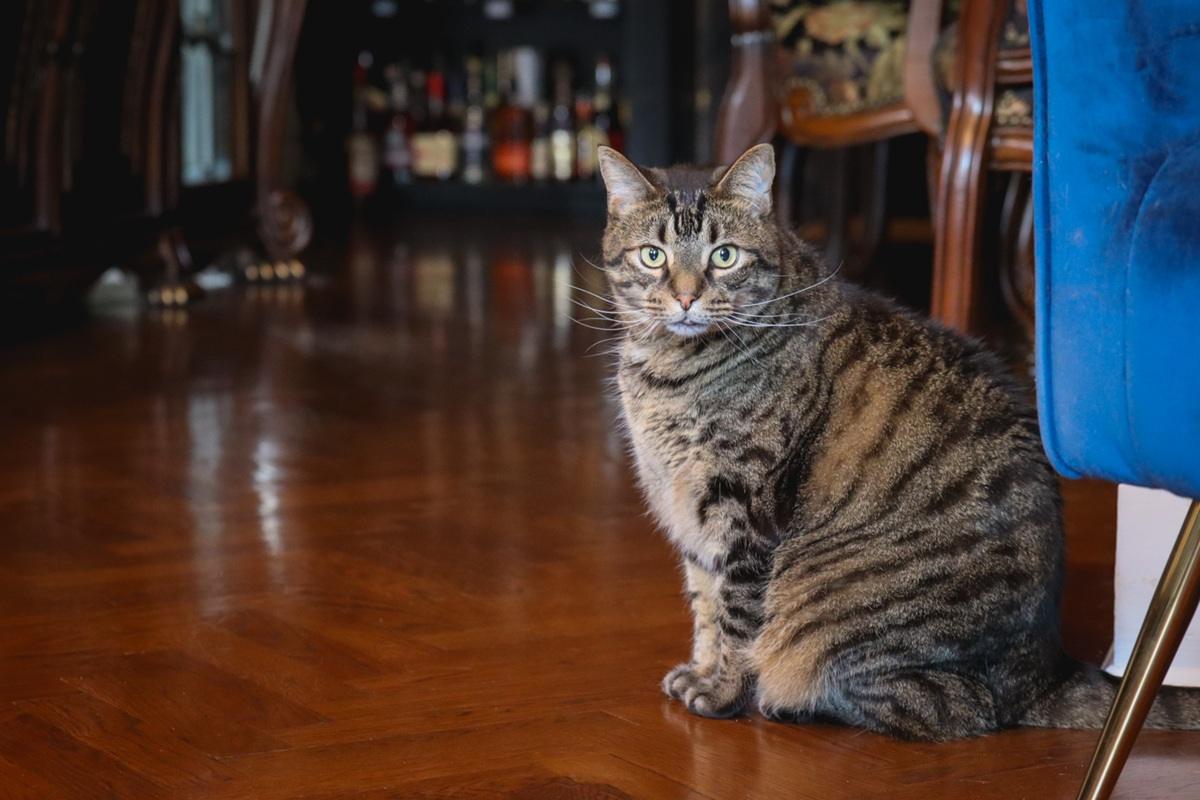
Kirsten McCarthy / Cats.com
The 4th of July and its fireworks may provide a fun holiday experience for us, but Independence Day can make your cats frightened and miserable. The loud, booming noises of fireworks – which may be more ubiquitous this year, for America’s 250th birthday – startle and scare many cats and cause them anxiety, experts say. In fact, fireworks made our list of seven sounds cats hate.
Independence Day “affects cats so much so that it becomes the busiest day at the city shelters, because cats become so stressed that they do things they wouldn’t normally do,” says Samantha Bell, official cat expert and cat content creator for Best Friends Animal Society. “They could escape through a crack in the window, or they might escape out the door when people are watching fireworks.”
A cat’s sense of hearing has triple the intensity of ours, Bell says, so when fireworks are exploding in the sky, we are hearing a lot less than our cats do.
“It’s just completely unexplained to a cat,” says Bell, adding that loud fireworks can be as rattling to cats as a violent thunderstorm. “They don’t understand why it’s happening. For us, it’s just fireworks.”
Bell lives in Hollywood, where her cats are used to hearing close-up fireworks. You may not live close enough to major fireworks shows to hear noises loud enough to disturb your cats, but amateur street fireworks from neighbors can happen anywhere.
“Roadside fireworks can upset cats, too, probably even more so because they are closer,” she says. “Those big booms are scary but the ones closer on the streets – it just feels dangerous to them.”
We cat parents can help our felines cope with 4th of July stress and still enjoy the holiday ourselves. Bell offers these tips for helping cats during the 4th of July holiday.
1. Plan Ahead and Desensitize
In the days preceding the 4th of July, you can expose your cat to the sound of fireworks in a non-threatening way, like by playing fireworks videos on YouTube. You can start at a low volume and then increase it. You can counter-condition the fear of the noise by giving your cat a treat whenever the TV or computer plays a fireworks sound.
“You just want to signal to them that everything in the house is normal,” Bell says. “They feed off of our emotions so much.”
2. Consider Staying Home
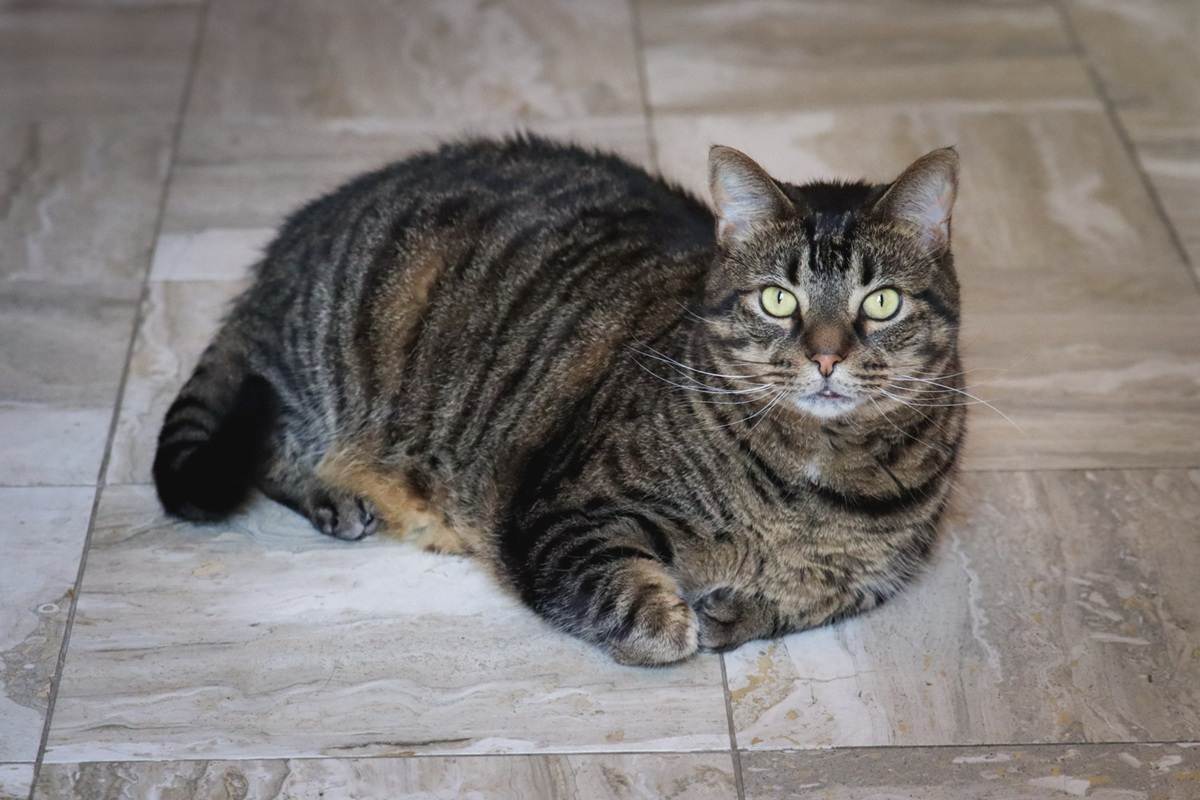
Watch fireworks on TV instead of in person to help keep your cat calm and stress-free. Kirsten McCarthy / Cats.com
Some of the best fireworks shows, like those in Washington, D.C. and New York City, are televised around the country. Why not stay home and watch one of these fireworks shows on the screen, order a pizza, and snuggle up safely with your cats? The fireworks sound from the television won’t have nearly the same effect on your cats, Bell says: “Cats are so accustomed to the sound of TV at home that hearing noises from the TV is so much less threatening than noises from outside. They become desensitized to it.”
Spending time with your cats will help them feel safe, and also be fun, Bell says.
3. Leave Fireworks to the Professionals
Refrain from setting off your own fireworks in your yard. This is hazardous and can upset both your pets and the neighbors’ pets. Just don’t do it!
4. Close the Curtains
This can help muffle any fireworks noise coming from your neighborhood or nearby professional shows.
5. Provide White or Brown Noise
When you run the air conditioning, the blowing sound of the HVAC system creates white noise that can help drown out the loud noise. Even better, Bell says, look on YouTube for “brown noise” videos; brown noise, on a different wavelength, helps cover the sound of fireworks most effectively.
You can also find soft music designed to soothe cats on YouTube, and check out musician David Teie’s Music for Cats. He worked with scientists to figure out exact tunes that are comforting to cats.
6. Set Up a Safe Room
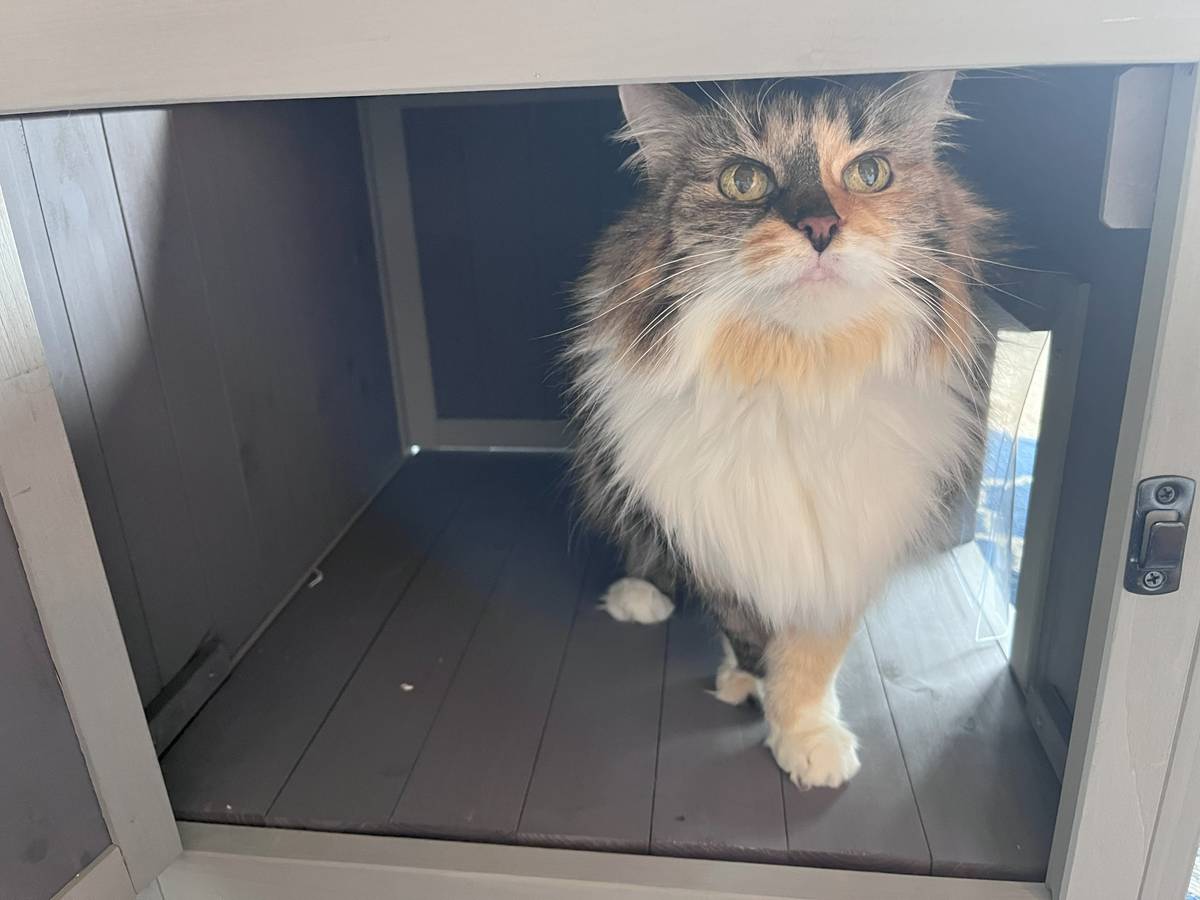
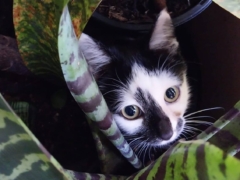
If your cat is anxious during fireworks, provide a quiet space with cozy hiding spots to help them feel safe. Katelynn Sobus / Cats.com
Not all cats get agitated by fireworks noise, but if your cats show signs of serious anxiety, give them their own private space with cozy hiding places like boxes and cave beds. This will give the scared cats a sense of safety, Bell says: “Hiding is great enrichment for pets.”
Should you go offer your cats comfort in the safe room? Read the body language, Bell says, and visit if the cats show they want to interact with you – but they may very well want to be left alone. “To comfort another human, you hug them. But if cats are hiding there, they are sending the message ‘I just want to be alone for now.’”
If you have guests over for a 4th of July gathering, definitely isolate your cats to avoid added stress and eliminate escape options from open doors. “If you want to have fun at your party and relax, then you’ll put the cats in a separate room,” Bell says.
7. Seek Medical Help
If your cats have shown serious distress during past fireworks events and you live in an area with a lot of noise, seek help ahead of time from your veterinarian, who can prescribe a calming medication like Gabapentin, Bell recommends.