 Published Jul 8, 2026


Kate Barrington / Cats.com
Do you ever wonder what your cat gets up to when you’re not watching? Whether you’re away at work or just busy in the other room, your cat doesn’t simply fall asleep and wait for you to come back. In fact, cats spend less time sleeping than you might think.
Observing your cat’s daily behavior can tell you a great deal about their mental and physical health, especially when their habits change unexpectedly. Here we explore the different ways cats spend their time and offer tips for monitoring your cat’s activity more closely.
1. Take Naps
If you suspect your cat spends most of their time sleeping, you’re not wrong. The average cat sleeps anywhere from 13 to 16 hours per day. However, most of the time when your cat is asleep it’s a light sleep. More of a snooze, really.
In a state of light sleep, your cat is resting but ready to spring into action quickly, if needed. Periods of deep sleep typically only last about 5 to 10 minutes, often evidenced by relaxed ears and involuntary muscle movements.
How much time your cat spends sleeping may vary depending on their age and health status. For example, senior cats may sleep up to 20 hours a day. If your cat suddenly starts sleeping more than usual—especially if they’re sleeping through normal meal times or sleeping in unusual places—it could be a sign of a developing health issue.
2. Groom Themselves

Kirsten McCarthy / Cats.com
Experts estimate that cats spend between 30 and 50 percent of their waking hours grooming themselves. That equates to an average of 2 to 5 hours per day! There are a number of reasons cats spend so much time grooming, such as:
- To emulate their mothers’ behavior (kittens learn to self-groom early on)
- To clean or soothe areas that are wounded or painful
- To hide their scent from predators (it’s an instinctual act)
- To stimulate the glands in their skin and distribute natural oils
- To self-soothe or bond with another cat
- To help regulate body temperature (saliva evaporation has a cooling effect)
Changes in your cat’s grooming habits may be cause for concern. Overgrooming, for example, is often linked to stress. You might see your cat grooming more often than usual or notice them developing skin sores or bald patches.
A reduction in self-grooming, on the other hand, may present with symptoms like greasy or matted fur, poor coat condition, unusual odor, or excessive shedding. Cats often stop grooming themselves when it becomes difficult or painful for them. Some common causes include dental pain, joint issues like arthritis, or obesity.
3. Keep Watch
Kate Barrington / Cats.com
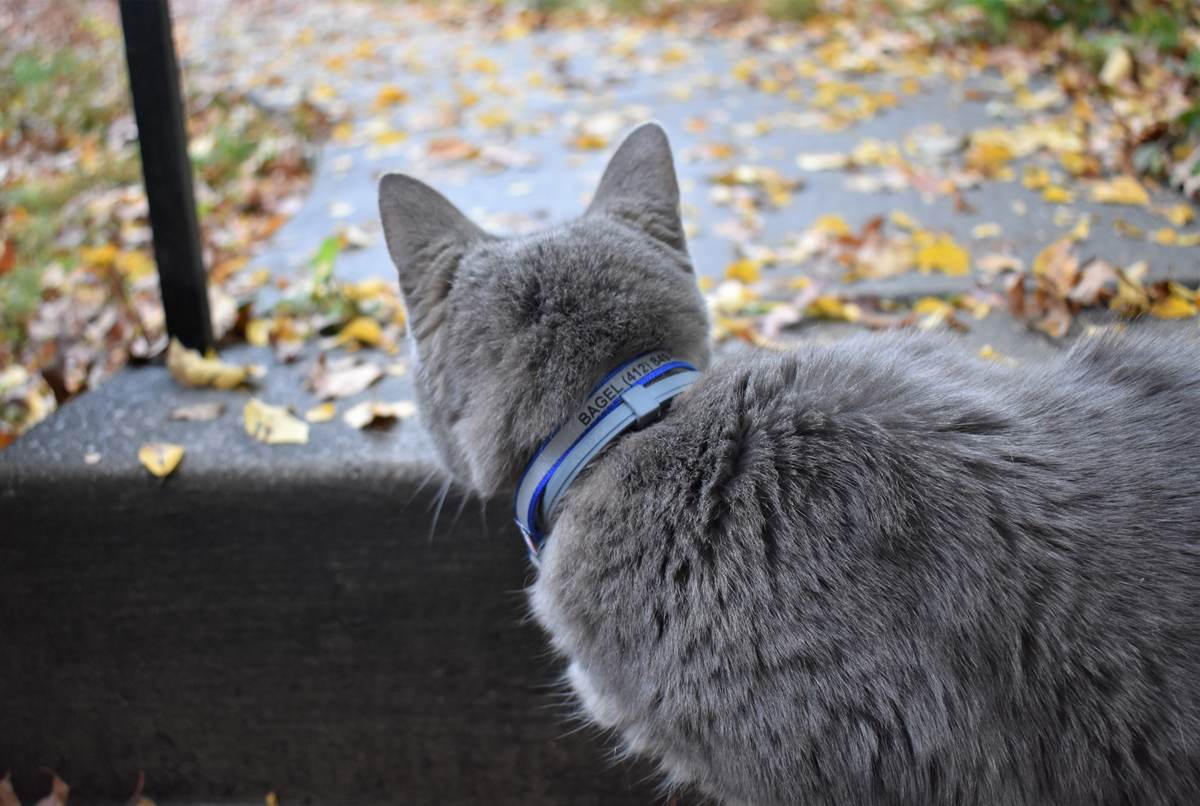
A study funded by Friskies Pet Care in 2009 revealed that cats spend up to 30% of their time looking out the window. As apex predators, it’s not surprising that cats spend a lot of their time keeping watch.
Looking out the window isn’t just a form of entertainment or a way to satisfy curiosity, though. It’s also driven by your cat’s territorial instincts and prey drive. (Check out this fascinating article on why cats chatter at birds through the window to learn more!)
If your cat doesn’t have access to a window, it’s time to make a change. Window perches exist specifically for this purpose, though something as simple as placing a cat tree in front of a window or setting a chair nearby may do the trick.
You might be surprised at how much time your cat spends in their new favorite spot!
4. Explore and Play
When they’re not grooming or observing their environment, many cats spend a significant amount of time roaming around or playing. Roaming is another one of those instinctual behaviors. Your cat likes to keep tabs on everyone in the house and make sure their territory is still secure (and maybe find something to eat while they’re out and about).
Some cats are perfectly happy to entertain themselves with interactive toys and puzzle feeders while others prefer to play with their favorite human or another cat. Individual energy levels vary, but pet parents should aim for two 10- or 15-minute play sessions per day.
As with grooming, significant changes in your cat’s activity level can indicate a developing problem. Excessive energy, for example, might suggest boredom, stress, or underlying health issues like hyperthyroidism. Reduced interest in exercise or play, on the other hand, might indicate pain or illness.
5. Have a Snack
Kirsten McCarthy / Cats.com
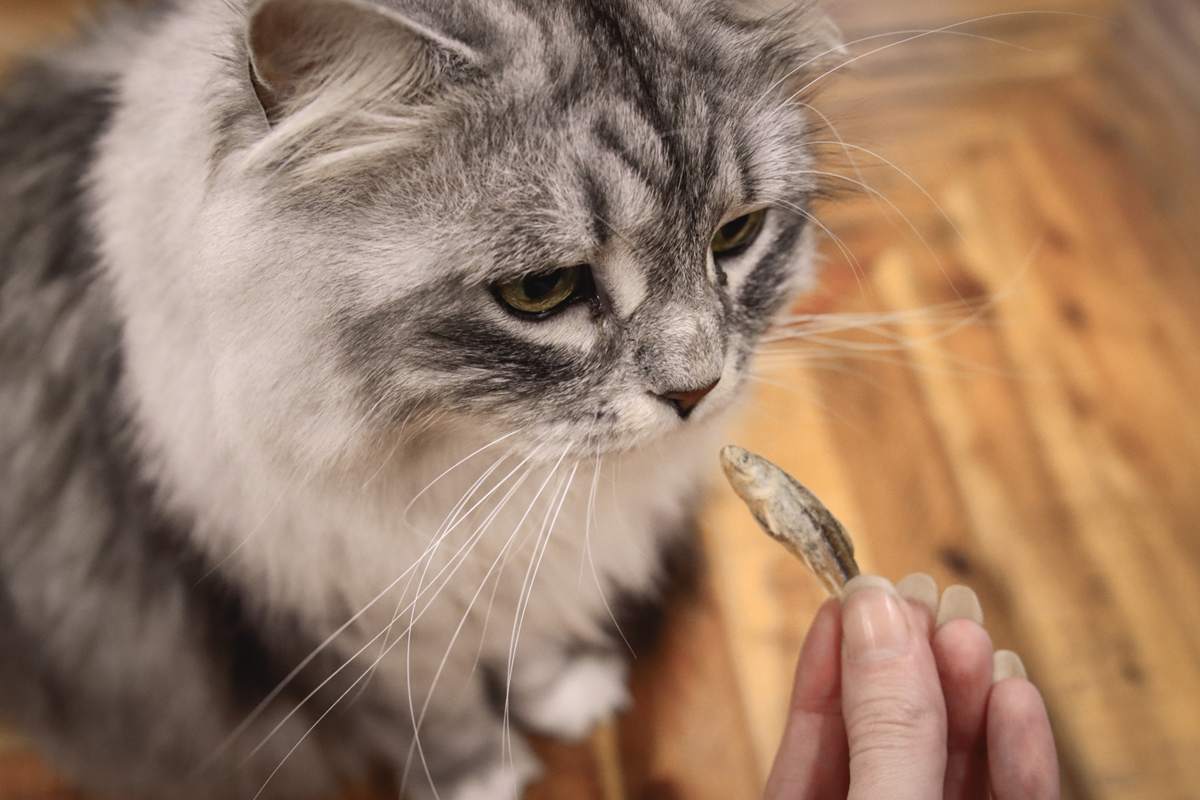
According to the same Friskies study referenced above, cats spend about 4% of their time eating or looking at food. If you feed your cat scheduled meals, they may spend less time eating than cats who are free-fed. (Of course, they might make up the difference in time by begging you for food!)
Wild cats tend to eat frequent small meals throughout the day since their prey tends to be on the smaller side (things like rabbits, rodents, and birds). Domestic cats with free access to food often eat this way as well, though some struggle to self-regulate and do better with portioned meals.
Changes in your cat’s appetite are a key indicator of stress or illness. Missing a meal might not be an issue for a healthy adult cat, but going 24 hours with little or no food is a serious concern. Overeating can also be problematic, especially if it leads to unhealthy weight gain.
How to Keep Tabs on Your Cat
Katelynn Sobus / Cats.com
Every cat is different. While it’s important to understand what’s healthy and normal for cats in general, it’s equally important to learn what’s typical for your own cat. Because cats have a natural instinct to hide pain or illness, subtle changes in activity or behavior may be the first clue you get when something goes wrong.
Now, we’re not suggesting that you follow your cat around the house all day or set up a livestream to monitor them at all hours. But it’s worth paying attention to their habits so you’ll be more likely to notice if something changes.
Here are a few simple ways to start keeping tabs on your cat’s behavior:
- Build a consistent routine for things like feeding, scooping the litter box, and playtime. Not only will your cat enjoy the security that comes with predictability, but you’ll develop a sense of your cat’s typical behavior over time.
- Measure out your cat’s meals and feed them at the same time each day. Again, predictable meals are good for your cat’s peace of mind but you’ll also be able to monitor your cat’s food intake more easily. (Hint: consider an automatic cat feeder!)
- Consider setting up pet cameras if you spend a lot of time away from home. Pet cameras enable you to check in on your cat throughout the day, and some even let you interact using two-way audio or by dispensing treats.
- Hire a pet sitter or have someone stop in on your cat if you’re going out of town or working long hours. Changes in appetite or litter box usage can happen suddenly and, in some cases, indicate a serious problem that needs to be addressed quickly.
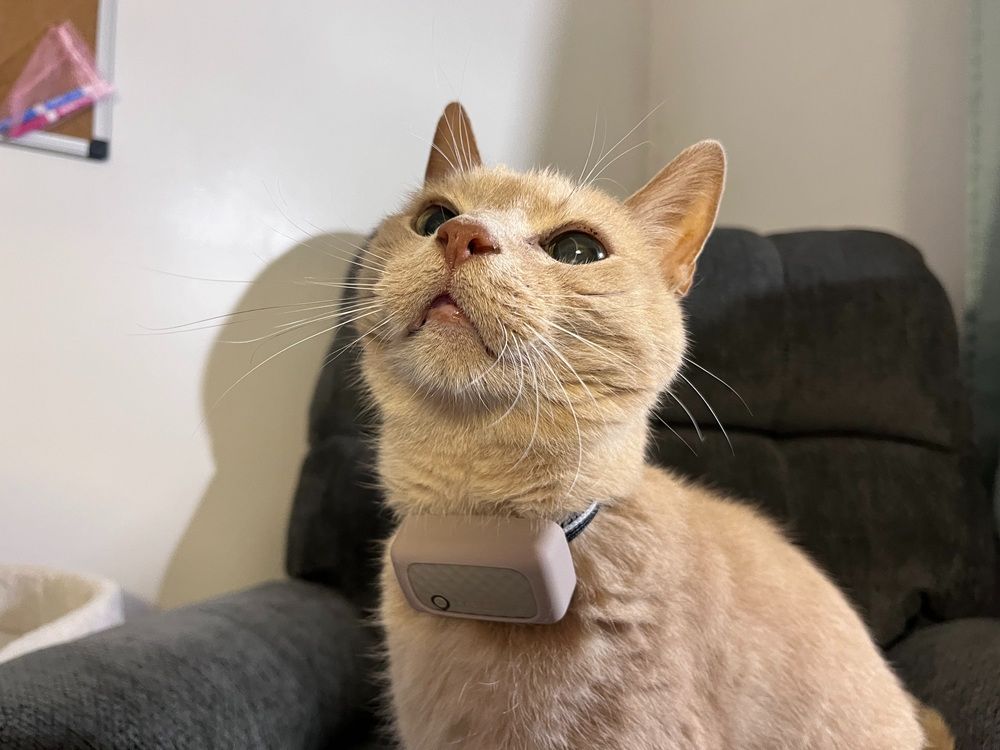
- Invest in a cat tracker equipped with health alerts and activity monitoring. Not only can a cat tracker help you find your cat if they get lost, but some models provide detailed insights into your cat’s daily sleep and exercise habits.
If you’re the kind of pet parent who likes to know where your cat is and what they’re doing at all times, the Tractive CAT Mini could be a great fit. It combines real-time location tracking with detailed health monitoring, so you can see what your cat’s been up to day by day and monitor long-term trends in their activity and sleep.And the Tractive app will even send email notifications if your cat demonstrates unusual changes in their activity or sleep patterns.