 Published May 13, 2026


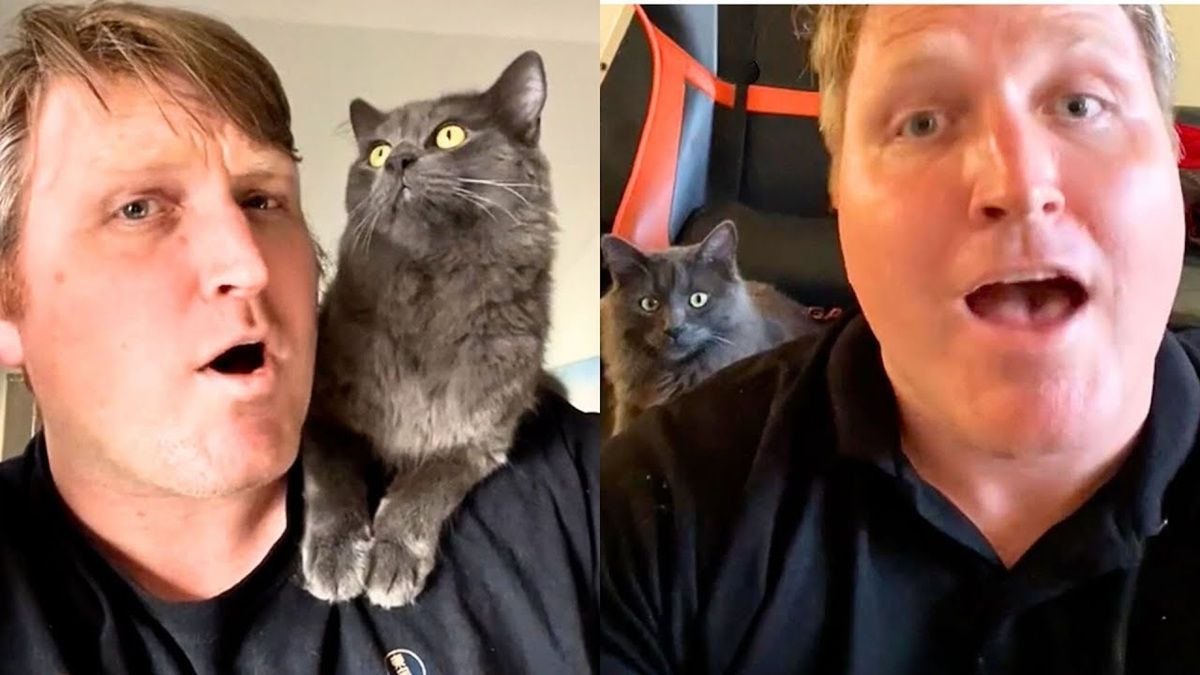
Image Credit: The Cat Chronicles
Alec Newman has been studying cat vocalizations to figure out what each sound means. The goal is to teach himself and others how to understand and speak ‘cat’ so that we can better communicate with our pets.
Is this feat even possible? Let’s look at the facts!
Learning to Talk to Cats
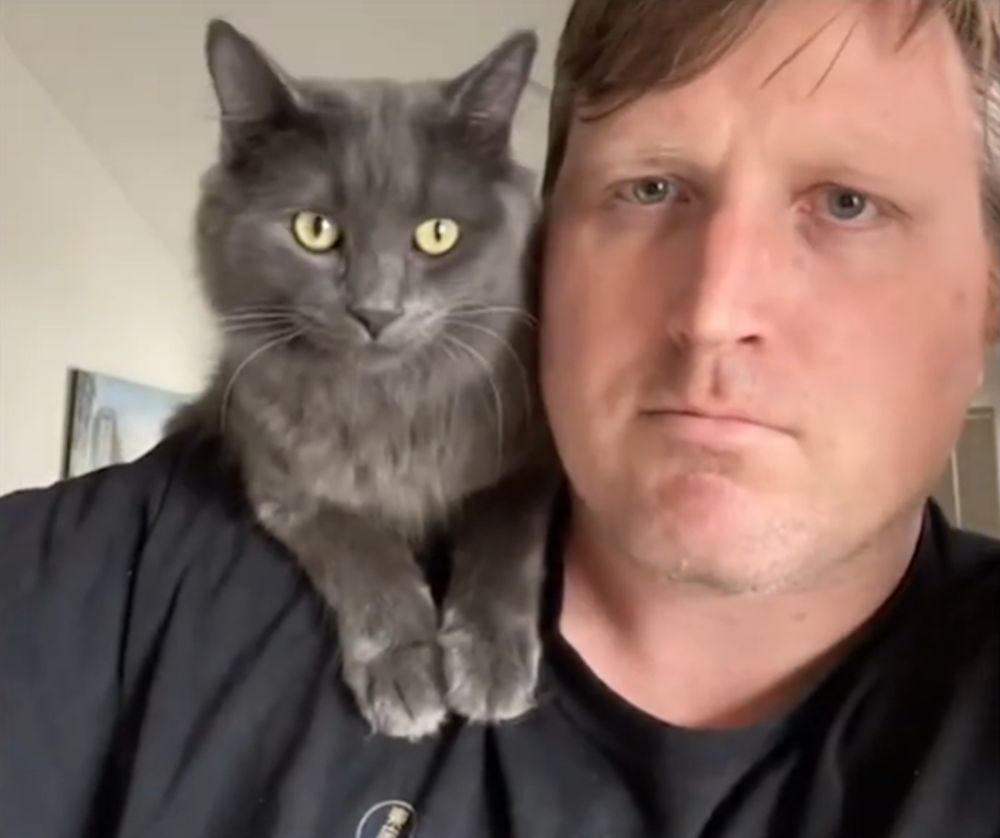
Image Credit: The Cat Chronicles
Here are some common cat vocalizations according to Alec:
- “Mah mah mah” = “food”
- “Ma-AH” = “come here”
- “Brrr-ah” = “wake up” or a gentle version of “come here”
He notes that cats won’t always come when called, which is true even when training with human language. (Though, you can encourage cats to follow your cues by making it worth their while. Reward them with treats, attention, or play!)
Of course, cats also communicate using body language, visual cues, and scent markers (most of which are impossible for humans to smell).
Can Humans Really “Speak Cat?”

Image Credit: The Cat Chronicles
Has Alec Newman actually uncovered a universal cat language, or have his cats simply learned his vocalizations through exposure?
While it’s fun to experiment and see if your cats can understand the vocalizations in Alec’s videos (mine looked at me like I’d lost my mind!), there are more reliable ways to communicate. Cat behavioral experts typically recommend that you prioritize learning cat body language and facial expressions, such as how cats communicate using their tails or the grimace scale (which tells us when a cat is in pain).
That said, there is something to listening to your cat’s vocalizations and trying to understand what they’re saying. After all, cats primarily vocalize for humans! Studies have found that feral cats make much fewer vocalizations, preferring to communicate with their colonies in other ways.
Can Cats Understand Human Language?
If we have a hard time understanding cats when they “speak” to us, do cats understand human language?
The answer is yes, kind of. According to Dr. Holly Anne Hills, cats can’t understand human language the same as you or I can, but do know when you’re talking to them. Most cats can understand 20-40 human words, but some learn up to 50!
It’s sort of like how we can know our cats are talking to us, but we can’t understand their meows. However, we can begin to recognize often-repeated tones and assign them meaning, just like Alec has done with his own cat.
Like human babies, our cats are more likely to learn words they hear often. The more time you spend teaching them, the more they’re likely to understand.
For best results, there needs to be an action or item associated with the word you want your cat to learn. Most pet cats respond to words like “dinner” or “treat,” but are less likely to understand more abstract words.
There’s no problem with venting to or cooing nonsense at your cat, though. They might not understand every word, but it can still help the two of you bond. Cats often like hearing their owner’s voice, especially if you talk in soft, soothing tones.
Cats also learn and respond to their humans’ facial expressions, body language, and gestures.
While scientists have learned a lot recently about cats and language, there’s still a lot to learn. Cats tend to be more difficult to study than dogs, since they tend to be more aloof, and the misunderstandings society has about them can make them less likely to receive research funding than “man’s best friend.”
Here’s hoping that we learn even more about communicating with our cats in the future!