

 Published Jun 19, 2026


Kirsten McCarthy / Cats.com
If your cat has ever suddenly stopped eating a meal, even though you know he must be hungry—and then resumed eating minutes later—you may have felt baffled by the abrupt change in appetite. What gives?
According to a recent study from Japan, your cat’s appetite may not be the reason for suddenly halting eating. Your cat may actually be bored by the monotony of the meal—and the reason may lie in its sense of smell.
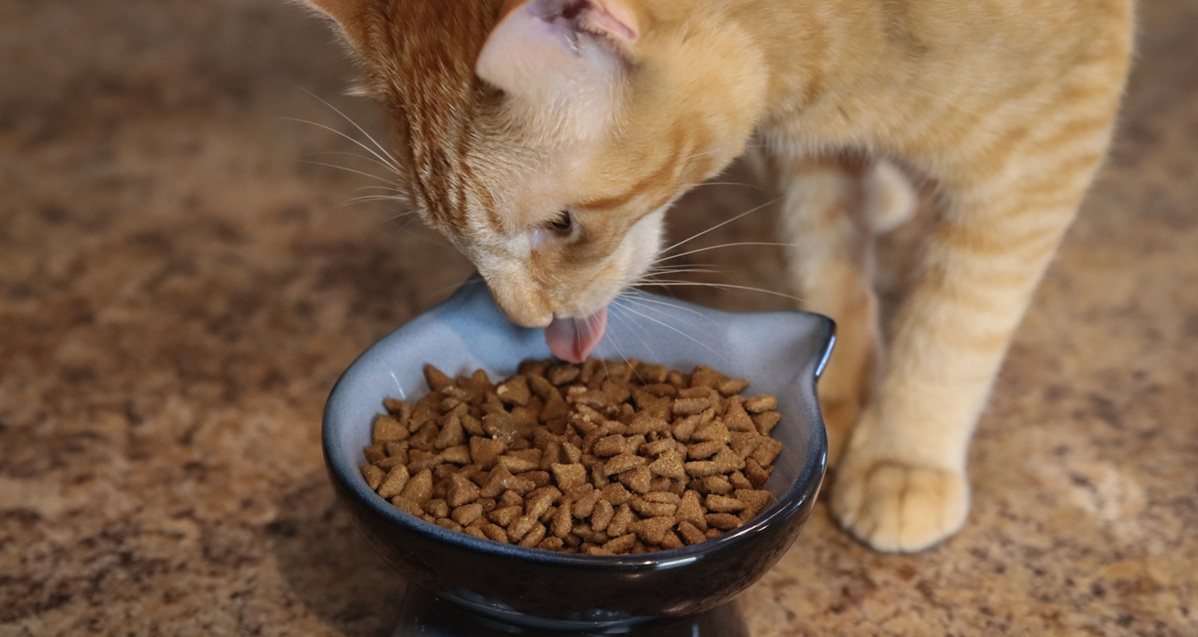
Researchers from Iwate University in Japan, in their paper published in the journal Physiology & Behavior, found that the 12 domestic, non-neutered cats in the study did not stop eating only because their stomach was full. In fact, Masao Miyazaki, animal behavior scientist on the Iwate University research team, said even after the cats fasted for 16 hours, many of them did not eat the whole test meal – 20 grams of dry food in the first test – at once.
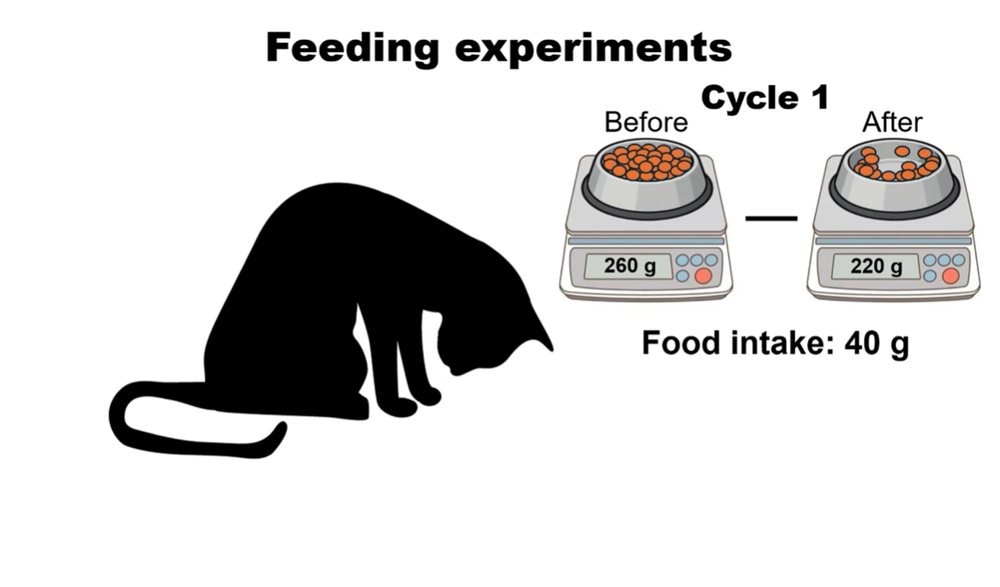
Image Credit: sciencealert
“In our first test, a typical cat ate only about one-third of the food offered during the first 10 minutes,” Miyazaki tells Cats.com in an email. “So yes … this is not simply a matter of hunger or appetite. What seems to happen is that the smell of the food plays a very important role.”
The monotony that momentarily turns off some cats while eating comes from the smell of the food rather than the taste, or the cats feeling full, Miyazaki says.
“When cats smell the same food again and again, that smell may become less exciting to them. This is called olfactory habituation,” he says.
Wearing perfume makes a good comparison in human terms, Miyazaki says. When you first enter a room with a strong smell, you notice it clearly; but after a while, your nose “gets used to it,” and the smell feels weaker.
“For cats, the same thing may happen with food odor,” she says. “The food is still edible, and the cat may still be hungry, but the smell no longer gives the same strong ‘let’s eat’ signal.”
In the study, when researchers gave cats the same food repeatedly, they gradually ate less. But when the researchers changed the food – using six sequentially different choices – the cats started eating more again, Miyazaki says.
“What was especially interesting was that this happened even when the new food was not their favorite food,” she says. “This suggests that ‘newness’ itself was important.”
Researchers alternated fixed 10-minute feeding periods with breaks. They used a special bowl that let the cats eat the same food as before, but sometimes a different food scent came from the second compartment below the top of the bowl. The scent drifted upward and appeared to restore the cats’ interest in eating, even if they were eating the same food; it was all olfactory.
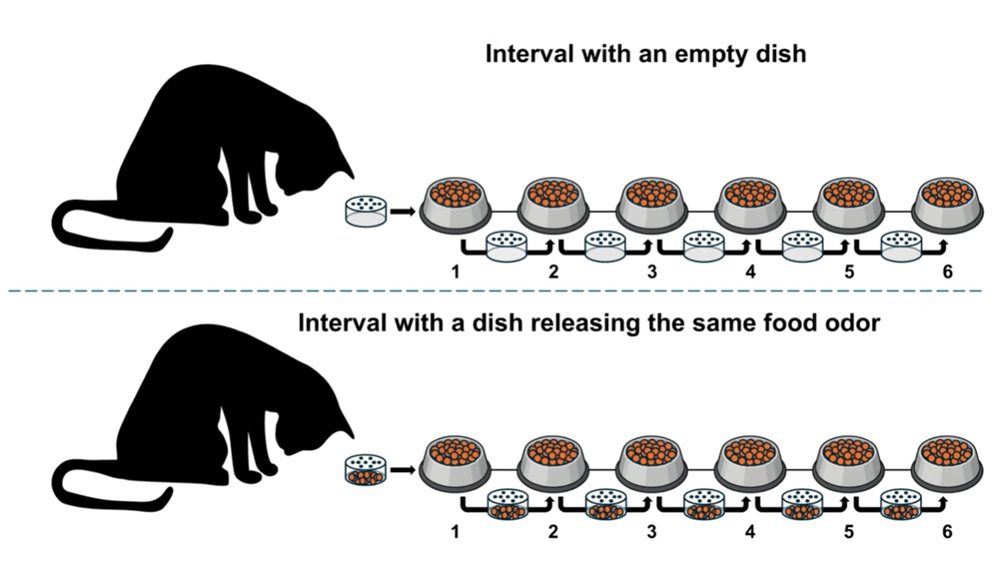
Image Credit: sciencealert
“The cats could not eat the food underneath; they could only smell it,” Miyazaki says. “Even so, the new smell helped them start eating again. So, the sense of smell can act almost like a “reset button” for feeding motivation.
The power of odor novelty revealed in the study surprised Miyazaki.
“I expected smell to matter, because cats rely strongly on odor when judging food,” she says. “But I was surprised that even the odor of a different food, without changing the actual food they could eat, was enough to increase eating.”
Another interesting observation was that cats might increase their intake when presented with a food that had a novel smell, even if it were a less-preferred food.
“This suggests that cats are very sensitive not only to whether food tastes good, but also to whether the smell is familiar or novel,” Miyazaki says.
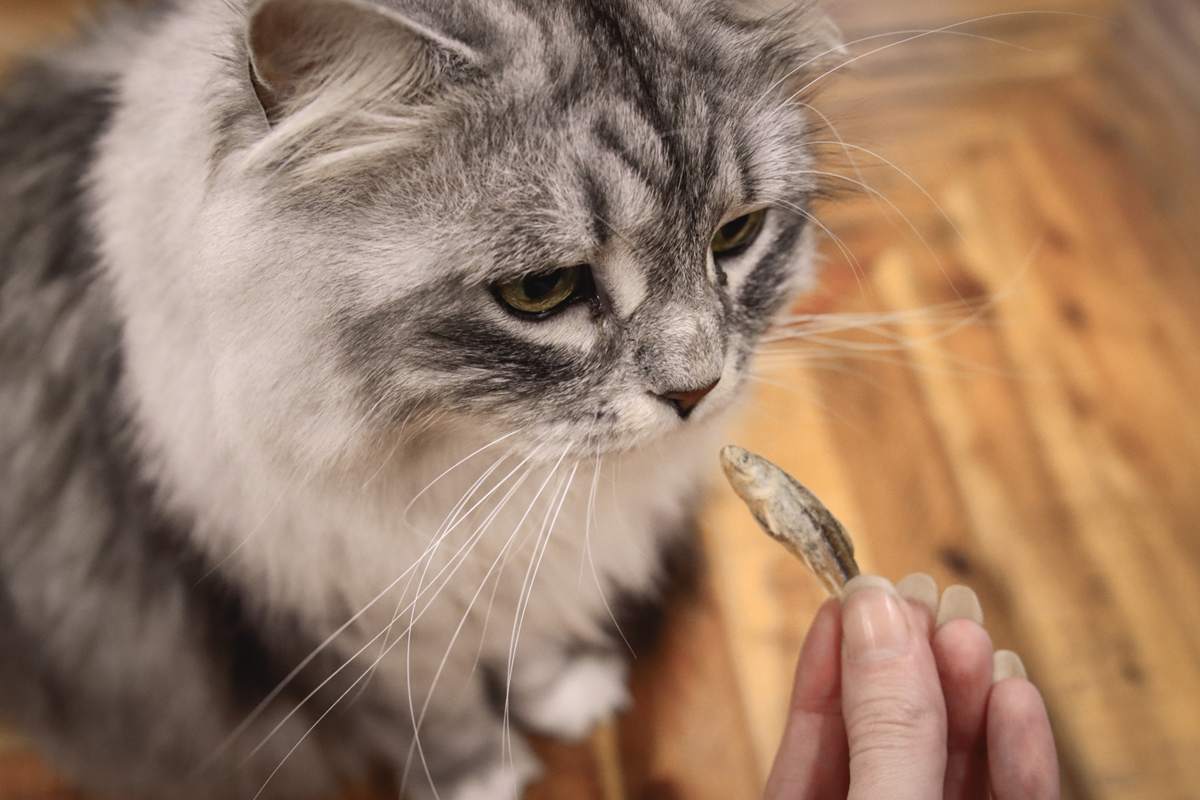
What do the results of this study mean for cat owners, and what would be the takeaway advice? Miyazaki says she is not suggesting that cat parents constantly change foods; in fact, sudden diet changes can cause digestive upsets or create finicky eaters. But the study does suggest that smell is very important to cats, especially when they have a reduced appetite, she says.
Kirsten McCarthy / Cats.com
People with a cat that needs to eat a prescription diet – a therapeutic diet featuring the same food every day for a medical condition – may encounter a conflict. The cat does need the same food daily, but the study suggests that repeated exposure to the same food odor may gradually reduce a cat’s motivation to eat, even when the cat is still hungry.
One way around that, though, is to do what the Japanese researchers did: change the odor environment without changing the actual diet. Miyazaki recommends using a two-layer feeding dish, which allows cats to smell a different food scent while still eating their prescribed diet. Or, cat parents can use a safe, aroma-based topping that makes food smell “new,” without significantly changing the nutritional composition of the food.
“The simple message is: For cats, eating is not controlled only by an empty stomach,” Miyazaki says. “The nose is also very important. If the same food smell becomes too familiar, the cat may lose interest. But by carefully managing food odor, we may be able to make the same necessary diet feel more attractive again.”
Another recent study from Japan examined the cat’s sense of smell. The study we wrote about in February explored how cats use their sense of smell to recognize their people. Researchers found that our cats might be able to distinguish us from strangers by smell alone, even if the cat can’t see us or hear our voices.
For more about your cat’s sense of smell, read our article exploring just how well our cats’ noses can pick up smells.




Where can I find a 2 layer feeding dish like used in the Japanese study?
The feeding dishes used in research studies are often custom-made or laboratory equipment and aren’t usually sold to the public. If you’re looking for a similar setup, you may be able to find raised or two-tier cat feeding stations online, or feel free to post on our forum at community.cats.com for recommendations from other cat owners.