
 Last updated Mar 1, 2024


Kirsten McCarthy / Cats.com
In the movies, when the main character is crying after a dramatic breakup or grieving a loss, it’s not uncommon for their pet to comfort them. Perhaps their dog lays their head on their lap, or their cat curls up next to them on the sofa. But is this realistic? Do cats really know when we are upset? And if so, how?
Can Cats Sense Their Owners’ Emotions?
Although dogs are widely acknowledged as being more in tune with their humans’ emotions than cats, cats aren’t blind to our moods. In fact, they can pick up on various behavioral and emotional signals from humans and adjust their behavior.
For example, cats tend to engage and interact more with their owners if they are depressed or showing negative emotional states like sadness, grief, or loneliness.
The way that cats recognize human emotion is based on our body language, behavior, speech, tone of voice, and facial expressions. Though it’s very unlikely that cats can differentiate a full spectrum of human moods and emotions, they certainly seem to know when they’re needed. Which is kind of cute, really.
Can Cats Sense Sadness?

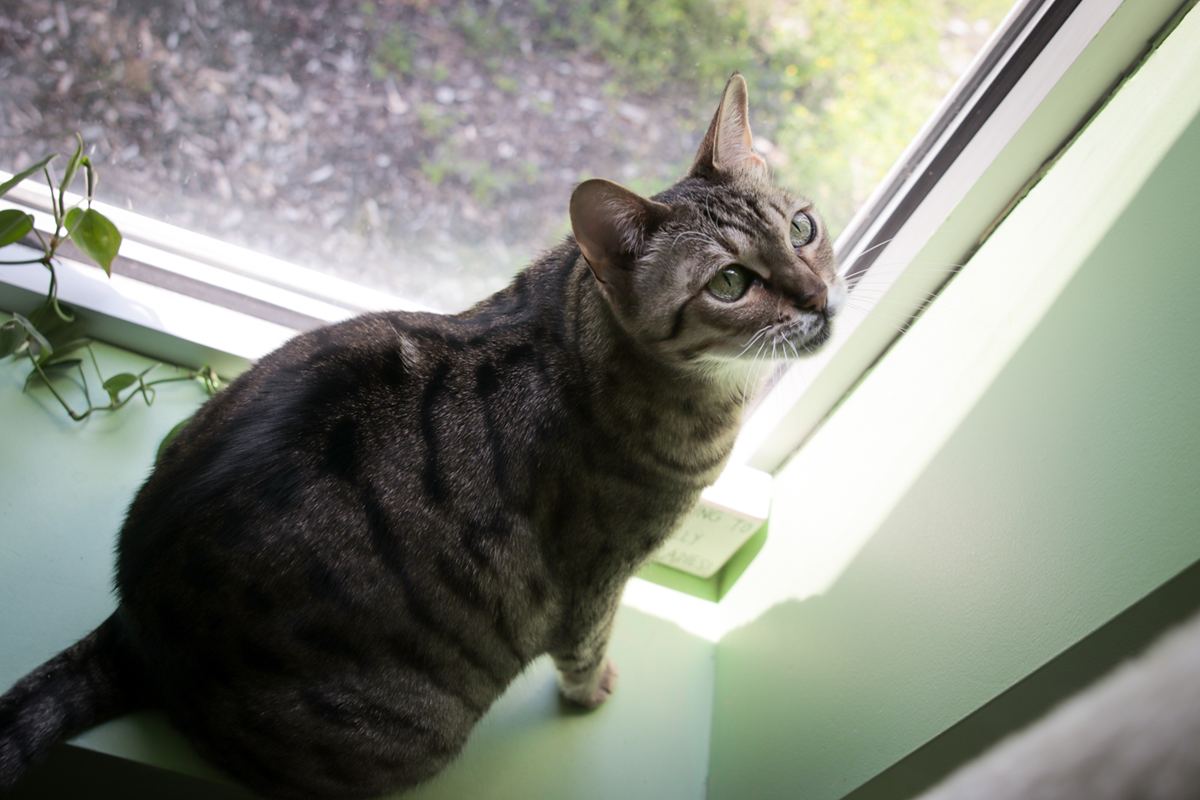
Cats can sense human moods as well as depression and sadness. Kirsten McCarthy / Cats.com
They might not understand the reasons behind our sadness, but cats do have the ability to pick up on signs of low mood in their owners. In the cat world, true sadness isn’t necessarily an emotion that is recognized in cats often. However, cats do feel negative emotions due to stress, anxiety, pain, grief, or loneliness.
So, while you can’t expect your cat to understand that you’re sad because you’ve argued with your mom, or because your friend is unwell, they might well surprise you by showing that they know that you are feeling down.
What Might Your Cat Do When They Know You Are Sad?
Some cats seem to sense when their owners are feeling down and may respond with comforting behaviors. While every cat is different, your feline friend might become more affectionate, stay close by, or simply keep you company during difficult moments.
1. Spend More Time Around You
This is a subtle change in behavior, but if you’re sad, you might notice that your cat seems to be around more. Rather than being clingy, they’re probably just trying to reassure you and be there for you in their own way. Plus, if they’re nearby, they’ll be ready if you decide you want to fuss or stroke or cuddle them.
2. Comfort You
If your cat enjoys human interaction and physical contact, they might go one step further than just hanging around nearby. You might find that they try to comfort you by laying in your lap, offering you affectionate exchanges like head-butting (bunting), kneading, and gentle nibbles of the ear. They might also lay on your chest, offering comfort with their rhythmic purring and warmth.
3. Ignore You
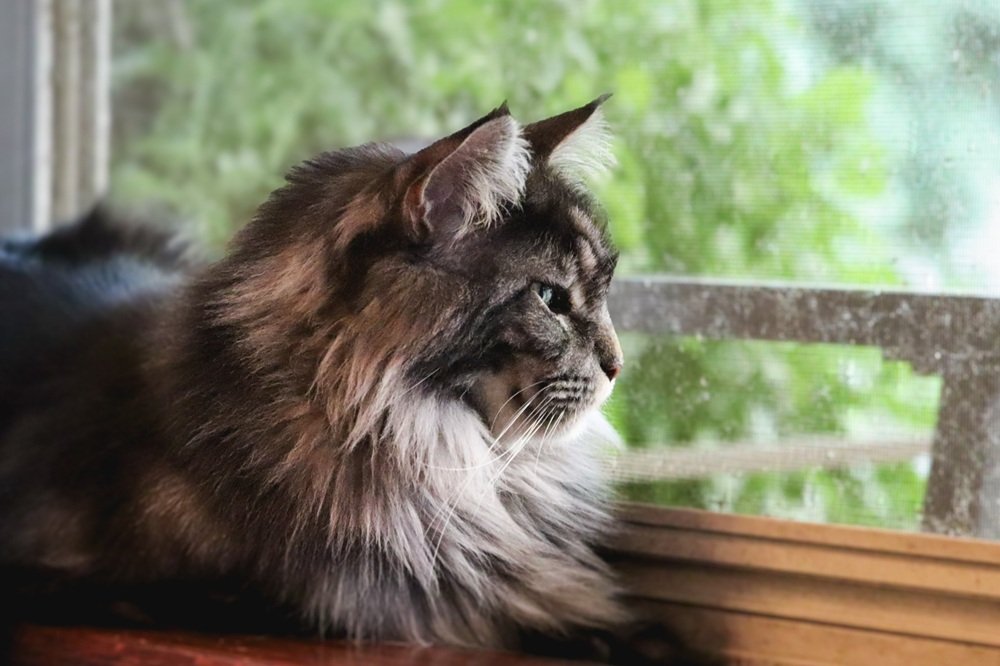
Every cat responds differently. Some may keep their distance when you’re upset, not because they don’t care, but because they’re more sensitive to stress or naturally less affectionate. Kirsten McCarthy / Cats.com
Every cat is different, just like every person is. So, you can’t expect all cats to react in the same way. If your cat feels a bit uncomfortable or stressed by your sadness, or if they’re not a “touchy feely” cat, they might ignore you altogether. They’re not being heartless, and it doesn’t mean they don’t love you. They’re probably just particularly sensitive to stress.
4. Avoid You
If your cat finds your distress particularly stressful, they might avoid you altogether. However, this is most likely if there have been arguments, crowds, or lots of noise around the home. In time, when it’s just you and them, they’ll probably feel brave enough to show they care again. If after a day or two they’re still acting stressed and staying out of the way, speak to your vet.
5. Try To Distract You
Like it or not, cats can be a great distraction. Whether they force you to get on with your usual routine by waking you up and crying for food, or try to instigate playtime by playfully nipping you or attacking your trousers. This might not be a conscious decision by your cat, but it can certainly help you feel better.
Do Cats Know When Other People Are Sad?
Cats are best at picking up on the emotions of their human family members. These are the people they know best, and they’ll be much more familiar with your normal body language and behavior. Strangers or infrequent guests will be harder for your cat to read, so don’t expect your cat to comfort all your neighbors, friends, and relatives!
Does Owning a Cat Help When We Are Sad?
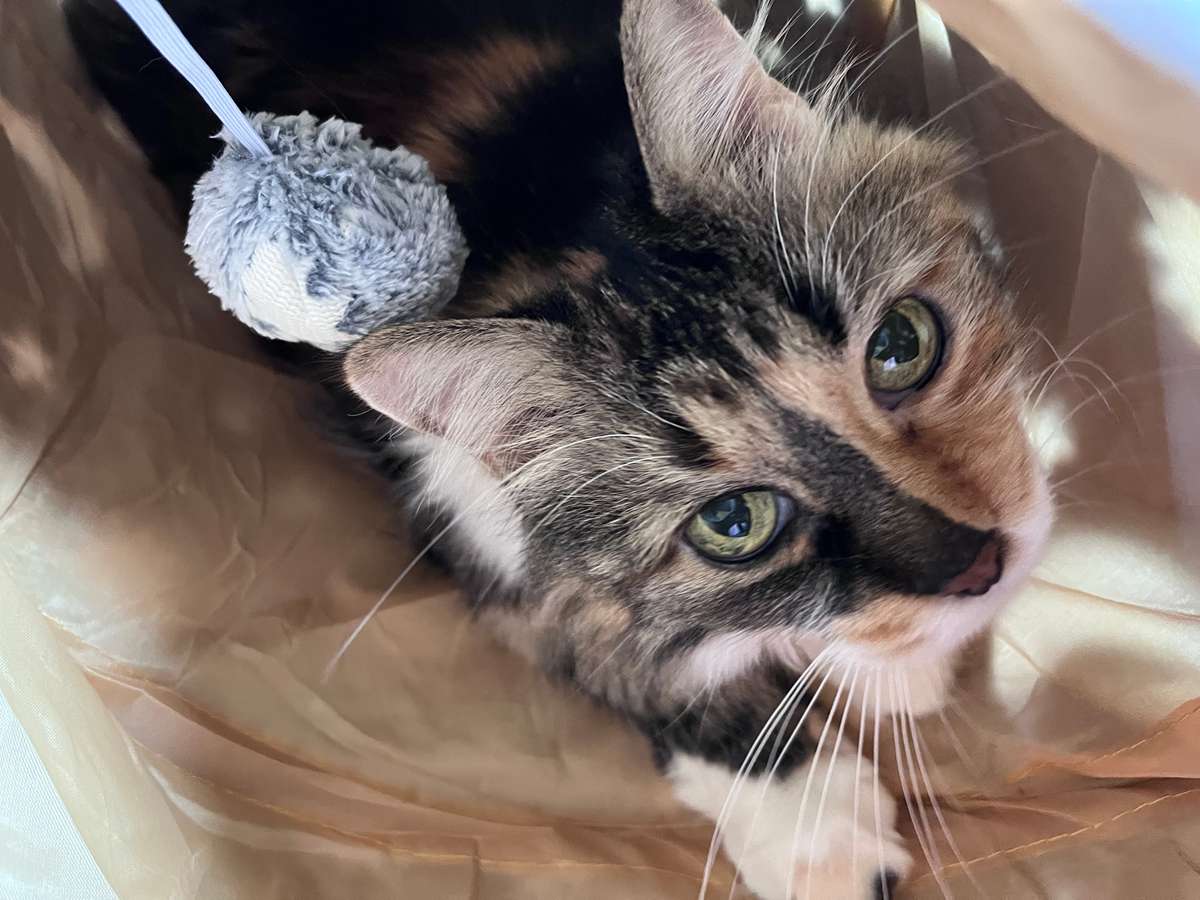
Spending time with pets can boost mood and reduce stress, with petting them helping release feel-good hormones. Katelynn Sobus / Cats.com
Owning a pet has been proven to help improve people’s moods. In fact, therapy animals can even help when people are unwell. One of the reasons for this is that stroking and petting an animal reduces our stress levels and releases happy hormones.
It’s not just hormonal; knowing that our feline family member is there for us makes us feel good, and we appreciate their loyalty and affection. Add to that the fact that caring for cats and other pets can give us a sense of purpose, keep us in a good routine, and make us feel needed, and it’s easy to see why furry family members help when we’re feeling sad.
Of course, it’s not a one-way thing—most cats also enjoy the company of their owners and like having them around. Some cats even suffer with separation anxiety from their owners. You can find out more by reading our article Do Cats Miss Their Owners When They Are Away?.
When we’re sad, a cuddle with the cat might be just what we need. Thankfully, cats often pick up on the signs that we are feeling down, and make themselves more available. So, next time you’re sad and notice your cat lingering nearby when they’re normally out exploring, be comforted by the fact that they care and want to make you feel better.
Frequently Asked Questions
Can cats sense human sadness?
Yes! Cats pick up on cues from their human's behavior, body language, and expressions that give them information about their mood. Though they won’t be able to tell the difference between the vast array of negative emotions like grief, loneliness, or depression, cats are certainly able to tell when their owner’s mood is low.
How does my cat know when I’m sad?
When you’re sad, your speech changes and you might make other noises like sniffling or crying. Your body language will also change and you may be less active, more hunched, and generally seem weighed down with life. Your cat can pick up on this information, as well as other observations like your facial expressions, and use it to interpret your mood.
Will my cat comfort me when I cry?
Every cat is different, so if you’re expecting your cat to hop into your lap for a cuddle when you cry, you could be disappointed. However, cats do tend to alter their behavior when their owner seems depressed or sad. They tend to linger nearby, coming closer than they normally would, and some will interact more or be more affectionate.
No matter which type of cat you have, it’s likely they’re trying to comfort you in their own way. However, it’s worth mentioning that some traumatic events that could cause human sadness could also cause your cat stress and anxiety. So, if there’s been a lot of new visitors, loud noises, or hostility, your cat might withdraw for a while to a place they feel safe.
Do cats have feelings for their owners?
Cats are known to be quite independent, and they can sometimes come across as aloof. If you’re not a cat lover, you might think that cats only show affection on their terms, when they’re hungry or want something. However, many cats have feelings for their owner, and the bond between a cat and their human can be very strong and very special.
In fact, cats often have a favorite person. You can find out if you’re your cat’s ‘chosen one’ in our article ‘‘How Cats Choose Their Favorite Person’.