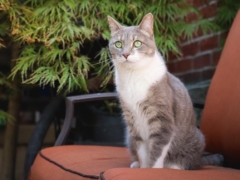

 Last updated Jun 22, 2026


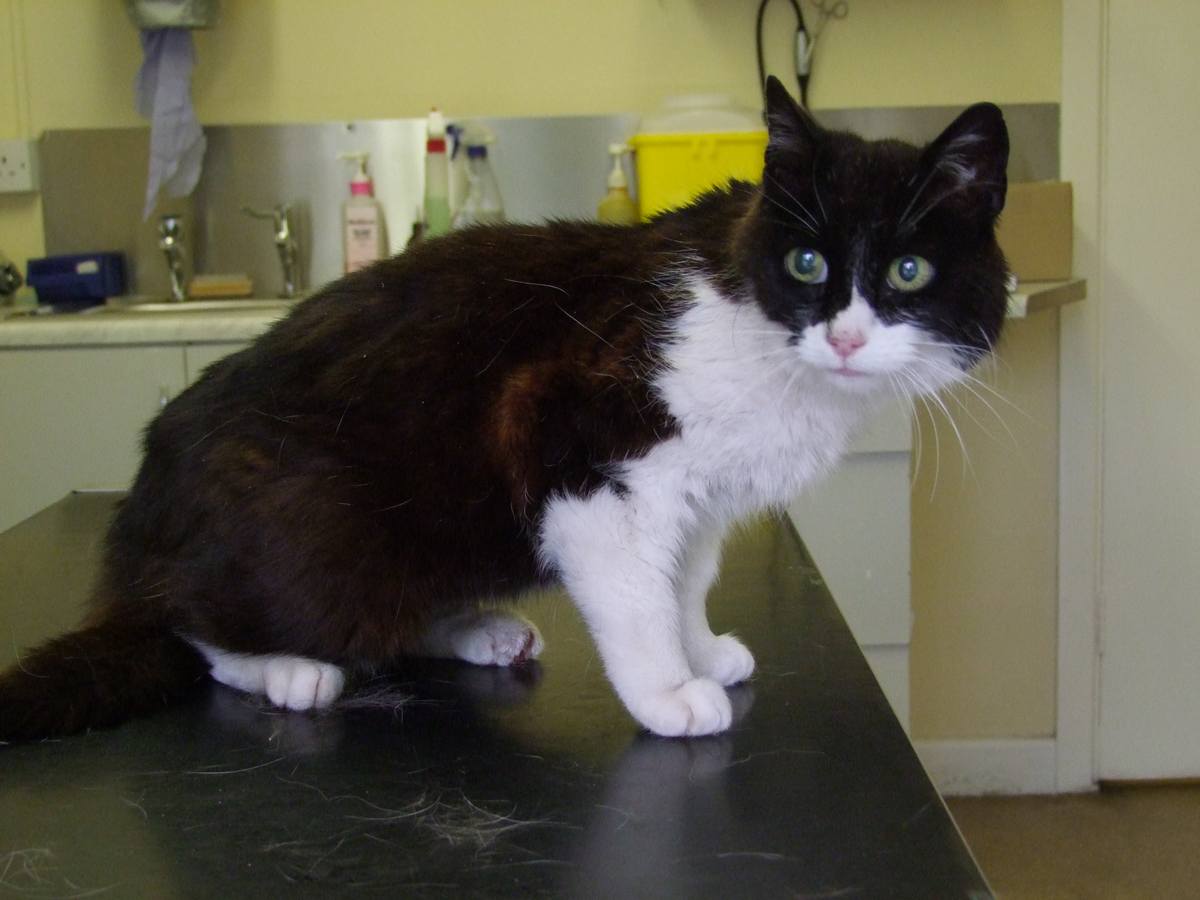
Pete Wedderburn / Cats.com
Arthritis has only been recognised as a serious and common problem in cats relatively recently.
There are a number of reasons for this, including the fact that veterinary science has become better at diagnosing the condition, and better medications have been developed to provide effective treatment. We now know that arthritis is very common in cats, especially in older pets.
Quick Overview: Arthritis In Cats
 Other Names: Toxic joint inflammation
 Common Symptoms: Difficulty walking on the affected leg, limb swelling, affected joint warm to the touch, fever, lethargy
 Requires Ongoing Medication: No
 Vaccine Available: No
 Treatment Options: Antibiotics, pain medication.
 Home Remedies: Cold compresses can help assist with the heat and swelling.
Causes of Arthritis in Cats
The main cause of arthritis in cats is so-called “degenerative joint disease”, where the joints are damaged by wear and tear, with the joint surfaces and surrounding tissues becoming inflamed due to daily use.
Age-related bit-by-bit damage to joints after years of daily use is the main problem. Up to 90% of senior cats over the age of twelve suffer from some degree of degenerative joint disease.
Here are some other underlying causes for why cats develop arthritis:
- Inherited issues such as poor conformation, including hip dysplasia, make cats more prone to degenerative joint disease.
- Trauma or instability of the joints can also lead to increased wear and tear of the joints, causing degenerative joint disease.
- Septic arthritis (joint infections) is a specific type of arthritis
- Rheumatoid arthritis (an auto-immune disease) is another separate type of arthritis
Symptoms of Arthritis in Cats
A physical examination is often enough to confirm suspicion of the problem, but x-rays (radiographs) may be needed to confirm the diagnosis.
Signs of pain may not be immediately obvious to cat owners, as cats are good at hiding their discomfort, but the following signs may be seen by observing cats in their normal daily activities.
- Lameness, or limping, is the most obvious feature, caused by pain in affected joints.
- Signs of joint pain caused by arthritis may be subtle, including slower movements, such as walking rather than running.
- A stiff gait, caused by painful joints, may be seen with the back legs moving with more of a straight-legged, short-stepping style than normal.
- Cats may not be able to jump up onto their favorite sleeping place, and they may have difficulty going upstairs.
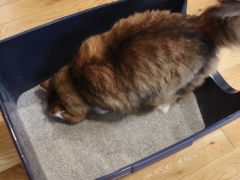
- Cats may have difficulty accessing the litter box.
- Affected cats tend to be quieter, and more withdrawn, for the simple reason that they are suffering from ongoing low-grade chronic pain.
Diagnosis of Arthritis in Cats
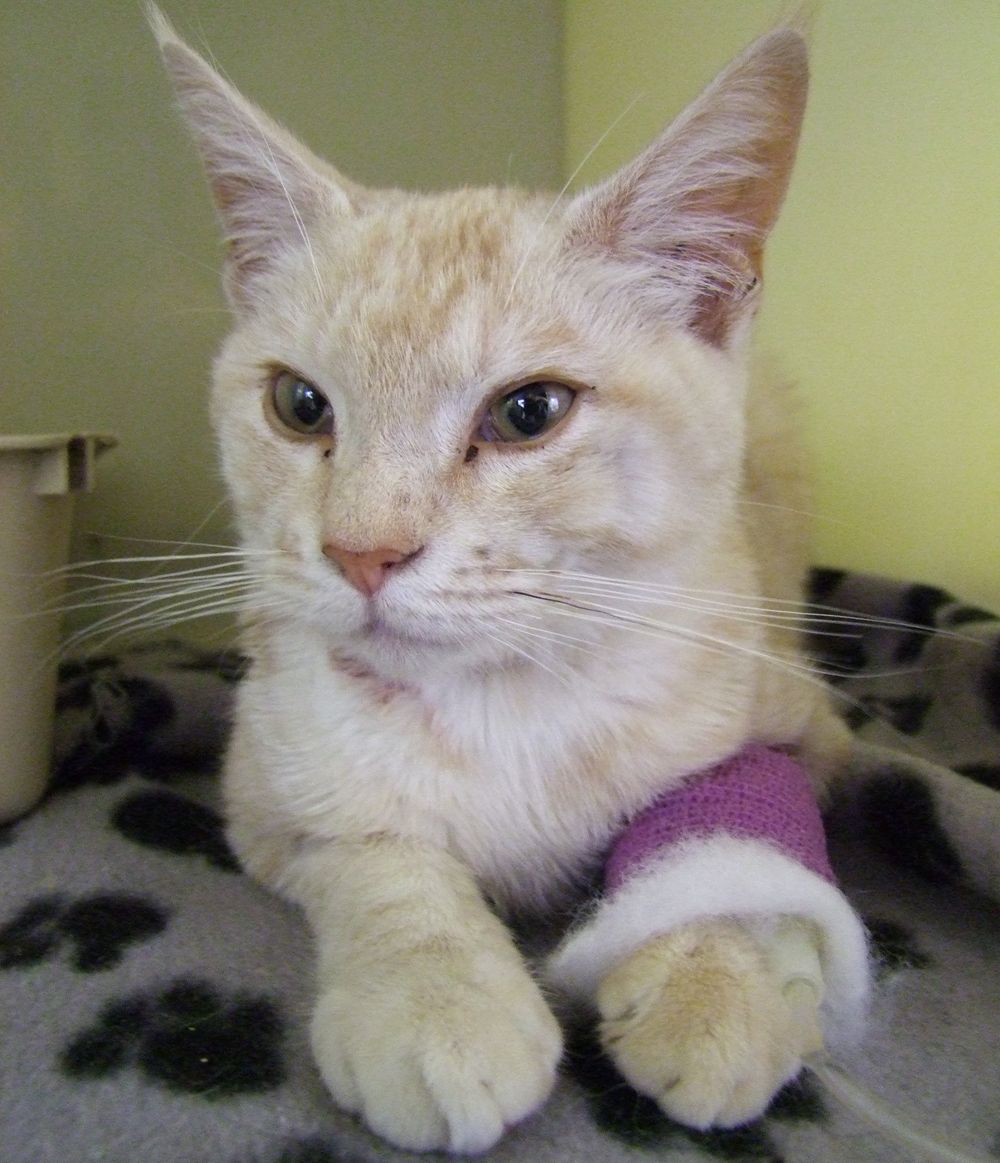
There are many other factors, including inherited issues such as hip dysplasia, but age-related bit-by-bit damage to joints after years of daily use is the main problem. Pete Wedderburn / Cats.com
If you suspect that your cat has arthritis, ask your veterinarian for an opinion. There are several steps to making the diagnosis.
A detailed history, where you explain everything that you have observed about your cat, may be the most important. If you have videos of your cat at home (e.g. struggling to get up stairs or to jump onto a chair) this can be helpful.
A physical examination, where the veterinarian examines each joint, palpating, flexing and extending the joint to identify swelling or discomfort that would suggest arthritis.
Collar-mounted activity trackers are a recent innovation that can be used to track changes in cats’ physical activity, both to assist with diagnosis (comparing a cat’s activity with the same cat previously), as well as to assess efficacy of treatment.
X-rays (radiographs) may then be recommended to confirm the diagnosis: characteristic changes around the joints confirm that arthritis is present. X-rays may be sent out to a veterinary radiologist for review to identify very subtle or early changes in the joints.
Rarely, advanced diagnostic imaging, such as CT and MRI scans, may be recommended for more detailed information about certain cases.
Treatment of Arthritis in Cats
Arthritic cats can now be treated using a range of different treatment options. A “multi-modal” approach is often recommended, using several different therapies which can work well together.
Pain relief is the main form of treatment, and there are several options available,
1. Frunevetmab (brand name: Solensia) is an effective treatment for arthritis in cats. This is a newer type of product released within the last couple of years.
Frunevetmab is a monoclonal antibody: this is a laboratory-created antibody, designed specifically to neutralise Feline Nerve Growth Factor, the neurochemical responsible for carrying the pain signals from inflamed joints to the spinal cord.
Frunevetmab was approved in the European Union in February 2021, and in the United States in January 2022. Availability in other markets is likely to progress in the coming years. The prescription-only drug is given by your veterinarian as a once monthly injection, with the price varying, but perhaps ranging between $60 and $120 for the product.
In most cases, cats improve gradually in the 4 – 6 days after the injection is given, with full efficacy lasting around four weeks. This is a novel treatment, and while a great deal of research has already been carried out, we are still learning about certain aspects of its use, especially long-term, as tens of thousands of cats continue to be treated in veterinary practices.
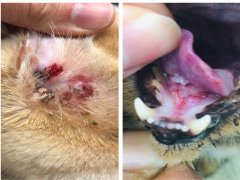
Focal skin reactions (e.g. pruritus, dermatitis and alopecia) have been seen as a side effect of the drug in somewhere between one in ten and one in a hundred cases. To put this another way, this type of skin irritation is not seen in 90 to 99% of treated cats.
Other possible side effects that have been noted include vomiting, diarrhea, and injection site pain. These effects have been relatively mild and have not required cessation of treatment.
2. The most effective pain relief until the advent of monoclonal antibodies has been to give daily non-steroidal anti-inflammatory drugs (NSAIDS) in the food. Meloxicam is the most commonly used product in cats.
These drugs can have adverse effects if a cat is suffering from liver or kidney disease, so it’s often advised to carry out blood tests to rule these out before starting onto long term treatment. Lab work should continue to be checked regularly to monitor organ function.
Other pain medications like gabapentin may also be recommended. Gabapentin can help long-term with pain but does not address underlying joint inflammation.
Joint-modifying medication called glycosaminoglycans (Adequan) may be suggested: this is given as a sub-cutaneous injection under the skin.
Nutritional supplements (“nutraceuticals”) such as glucosamine chondroitin sulphate and omega-3 fatty acids can be provided as separate dietary supplements, or they may be included in specific diets formulated as “joint support diets”.
Massage, physiotherapy, laser therapy and acupuncture can be very useful in some patients. Other aspects of a cat’s lifestyle may need to be reviewed, including weight reduction in obese cats.
Weight loss is an effective way of reducing the pressure on painful joints, and this then reduces the pain experienced in arthritic overweight animals.
Home Remedies for Arthritis in Cats
Cat owners should be careful before giving any home remedies to cats: they can be especially vulnerable to toxicities and harmful effects from medication that may be well tolerated in other species like dogs and humans. It’s best to follow your veterinarian’s advice when selecting treatments.
It’s important to ensure that a cat’s environment is as “arthritis-friendly” as possible. Ensuring a warm, cozy sleeping place, and easy access to favorite places (e.g. using carpeted ramps) are examples of simple changes that can be made. If a cat struggles to go down stairs, the cat’s resources (food, water, litterbox) may be placed in areas that are easier to access.
Pet owners should also be aware that obesity is a prime driver of arthritis, and weight loss is an effective way of providing pain relief in overweight animals.
How To Prevent Arthritis in Cats
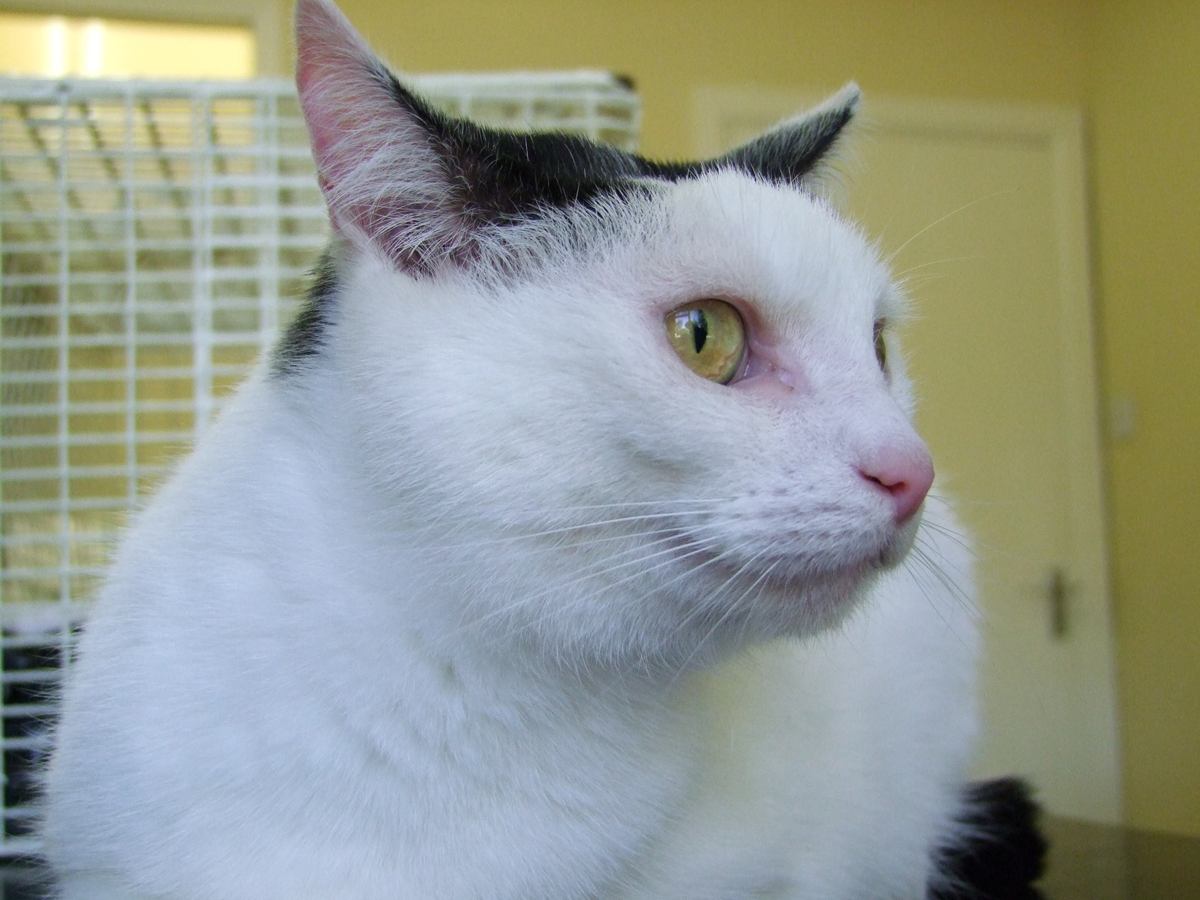
Arthritis affects many animals as they age and cannot be completely prevented. However, its effects can often be managed and its severity reduced with appropriate care. Pete Wedderburn / Cats.com
Arthritis eventually effects all of us as we age and there is no way to completely prevent it. However, there are several ways that the effects can be mitigated and the severity reduced.
- Genetics: Kittens should be chosen from parents who do not have arthritis, as the conformation of a cat’s joints is largely inherited.
- Body weight: Obesity is a prime driver of arthritis because the extra weight places more pressure on the joints, leading to more “wear and tear”. Arthritis is more common in overweight cats, so keeping a cat lean and fit is probably the most important single factor in reducing the severity of arthritis.
- Exercise: If cats stay active, their muscles stay stronger and more developed, so that it’s easier for cats to keep arthritic joints moving. In contrast, if cats stop being active, the joints tend to seize up, with more arthritic changes developing.
Conclusion
Arthritis is a common problem affecting senior cats, causing joint pain which leads to lameness, stiffness, and a reluctance to move around. In particular, activities like jumping onto chairs or climbing stairs may be more difficult for arthritic cats.
Once arthritis has been diagnosed, effective treatment is possible using a range of treatment modalities. Pain relief is the main way that cats can be helped, but this has to be chosen with care for cats, because they are especially vulnerable to severe toxicity caused by pain relief that may be safe for humans and other animal species.
Other interventions, including weight loss and environmental modification, are also useful to help arthritic cats.