
 Published May 12, 2026


Kirsten McCarthy / Cats.com
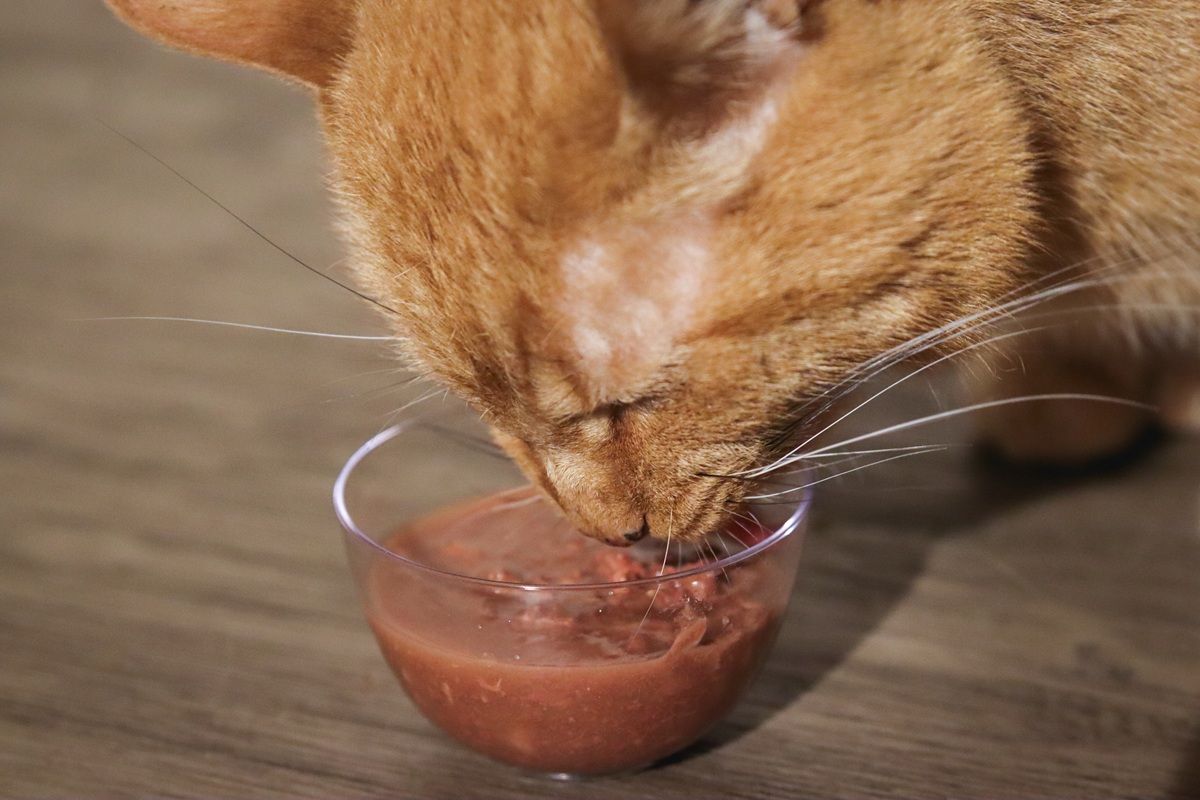
If you think all cat food is created equal, you’d better think again. While it’s true that most commercial formulas will meet your cat’s basic nutritional needs, some products are simply healthier for your cat than others. And we’re not just talking about differences between brands.
You see, cat food doesn’t just provide the core nutrients your cat needs (like protein, fats, and essential vitamins). In the wild, cats get most of their water from the food they eat, too. Even if you keep water bowls around, cats tend not to drink a lot which makes the moisture content of their diet very important.
The hydration benefits of wet cat food aren’t the only thing to consider when choosing what to feed your cat. In this guide, we’ll cover seven crucial benefits wet food can offer your cat, both as a complement to kibble and as a standalone diet.
1. Higher Moisture Content Than Kibble
The average cat needs about 4 ounces of water per 5 pounds of body weight per day. That’s only about 1 cup for a healthy 10-pound cat.
The problem is that cats tend not to drink a lot of water. It’s a habit they’ve inherited from their wild feline ancestors. Besides drinking it, the only other way for cats to get the moisture they need is from the food they eat. That’s where canned food has the advantage over kibble.
It should go without saying that wet cat food contains more moisture than dry cat food. After all, it’s in the name. Though moisture content varies among different types of wet food (like pate, shreds, or chunks in gravy), most formulas contain at least 75% moisture whereas kibble ranges from 6% to 10%, on average.
2. Carnivore-Appropriate Nutrient Composition
Not only is wet cat food a better source of hydrating moisture for cats, but it also tends to contain more protein on a dry matter basis. (Dry matter is simply a method for comparing nutrient content between different types of food by removing the moisture.)
Since cats are obligate carnivores, protein is the most important nutrient in a feline diet. In other words, cats are biologically adapted to an animal-based diet that’s high in protein and low in carbohydrates.
Protein content varies widely across food types but dry foods tend to have much higher concentrations of carbohydrates, largely due to the extrusion process which uses starch as a binder to form the kibbles. Wet cat food can often be made without any starch, though some recipes use it as a thickening agent.
3. Support for Chronic Health Issues like Kidney Disease
All cats can benefit from a diet rich in both moisture and protein but dietary management is a common treatment strategy for cats with chronic health issues, in particular. Hydration, for example, plays a key role in managing chronic kidney disease.
The kidneys help remove waste products from your cat’s body through urine, and moisture is needed to make urine. High-moisture diets are typically recommended for cats with kidney disease. It’s also important to manage mineral content (particularly phosphorus and sodium), as these can accumulate and accelerate kidney damage.
Some wet foods like Weruva’s Wx Phos Focused line are specifically designed to support hydration and minimize mineral build-up. Formulated with high-quality proteins that are naturally low in phosphorus, Weruva Wx Phos Focused cat foods (intended for supplemental feeding) contain up to 50% less phosphorus than AAFCO-recommended minimums.
4. Softer Texture for Cats with Dental Concerns
Kirsten McCarthy / Cats.com
Though there’s some evidence to suggest that chewing dry food can help keep your cat’s teeth clean, cats with significant dental problems may find soft food easier to eat. That being said, cats don’t tend to chew their food very much, anyway.
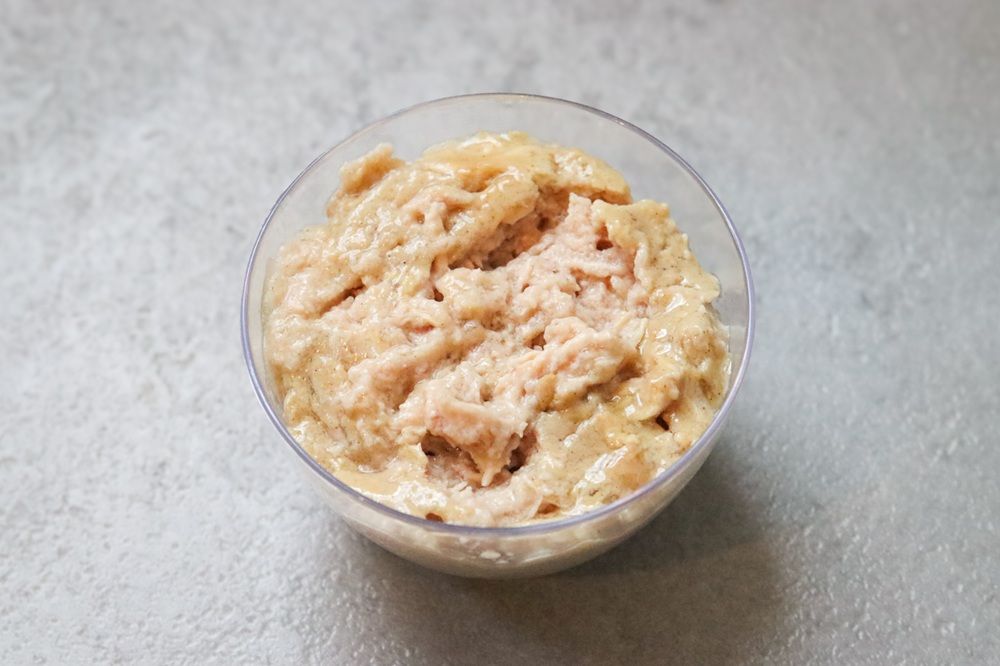
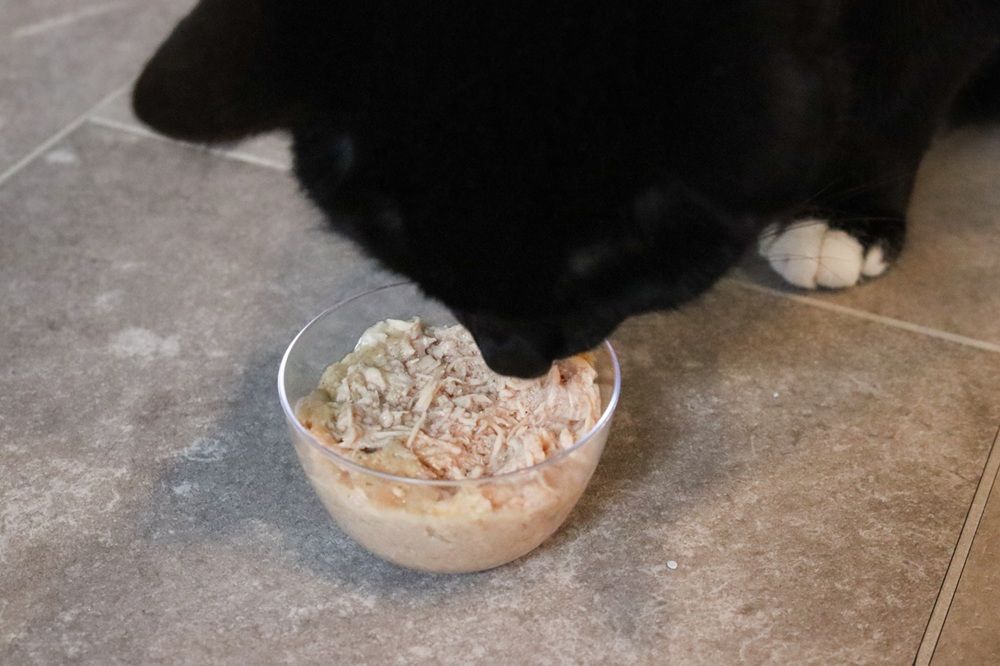
Dental concerns aside, some cats simply like the soft texture of wet food. Cats who’ve had multiple teeth removed may prefer the smooth texture of paté or mousse-style recipes. Minced foods, shreds in gravy, and wet food in broth may also be easier for some cats to eat than crunchy kibble.
If you feed your cat wet food that comes with pieces in broth, sauce, or gravy, make sure they’re eating the food and not just licking up the liquid. It’s also wise to keep in mind that many broth-style recipes are less calorie-dense than patés.
5. More Appealing Aroma and Flavor
Even if your cat has no trouble chewing, they might still find wet food more appealing than dry food. One of the major factors that influences palatability in cat food is aroma.
While humans often eat with their eyes first (we decide if something is worth trying based on how it looks), cats rely more heavily on their sense of smell. If you’ve ever wondered why your cat goes crazy for those fish-based formulas you can’t stand to sniff, that’s why. The stronger it smells, the more interesting it is to your cat.
Again, moisture content plays a key role here. Removing the moisture from dry food significantly reduces the aroma and can even impact the flavor. Plus, wet food generally tastes fresher to your cat since you’re not serving it from a large, open package for weeks on end.
6. Easy to Rotate to Create a Varied Diet
While some cats are perfectly happy to eat the same thing every day, others like to mix things up. Even if your cat is fine with their current food, introducing variety has its benefits. Because wet food comes in smaller portions than dry food, it’s easy to rotate in new flavors.
For example, you never know when your cat’s favorite food might go out of stock (or be discontinued). Unless you have a generous backup supply, you could be forced to transition your cat onto a new diet too quickly for their liking. If you’ve already got a few different foods in their rotation, that becomes less of a concern.
Feeding your cat a rotational diet may also reduce the risk for nutritional deficiencies. No single commercial cat food is perfect, and offering a variety of foods gives your cat access to a wider spectrum of essential nutrients.
7. Longer Shelf-Life When Unopened
Kirsten McCarthy / Cats.com
Finally, wet cat food offers some practical benefits for cat owners beyond the peace of mind that comes with knowing you’re feeding your cat well. For example, there’s the long shelf life to consider.
When properly stored in a cool, dry place, wet cat food generally lasts for about 2 years (unopened). Because the canning process sterilizes the food with high heat and pressure, there’s no need for chemical preservatives. Dry cat food, by comparison, usually lasts 6 to 12 months before the nutrients start to degrade.
Once you open a container of wet food, of course, you’ll want to refrigerate any leftovers and use them within 3 to 5 days. At room temperature, portions of wet food should be consumed within a few hours, so only feed your cat as much as they’ll eat within that time window.
Factors to Consider When Choosing Wet Cat Food
With countless recipes to choose from, it can be challenging to make a selection. Rather than choosing at random, consider the following factors to narrow down the options:
- Life stage: Commercial cat food is generally formulated to meet the nutritional needs of growing kittens, full-grown adult cats, or all life stages (both). Make sure the recipe you’ve chosen is suitable for your cat’s life stage and refer to the feeding guidelines as a baseline for determining your cat’s daily portion.
- Preferences: Every cat is unique, so it may take some time (and experimentation) to learn your cat’s individual preferences for food type, texture, and flavor. If you’re not sure, start with a variety pack to see what your cat seems to enjoy.
- Health status: Cats with diagnosed health concerns may require a special diet to help manage their condition. Your vet can help you find a commercial formula that meets your cat’s needs or, in some cases, may recommend a prescription diet.
- Budget: You don’t necessarily need to spring for the most expensive wet food for your cat to receive the benefits of a high-moisture diet. Build a feeding routine with the highest quality cat food you can consistently afford and supplement it with premium options like wet cat food toppers and treats when you can.
Remember, if you’re going to make changes to your cat’s diet, it’s crucial to implement them slowly to avoid digestive upset. Introduce new foods a little at a time, mixing them with your cat’s current food, and gradually increasing the amount of new food over a period of 7 to 10 days.