
 Last updated May 25, 2026


Kate Barrington / Cats.com
Constipation in cats is not something to take lightly—it can be a serious health concern.
Constipation occurs when cats pass hard, dry stool or have difficulty evacuating their stool. Obstipation is a severe form of constipation in which no stool passes for a period of days, resulting in a large buildup of feces in the colon. Obstipation refers more to a full blockage and inability to pass stool compared to constipation where stool can pass, though not easily.
Although many cats will occasionally become constipated, prolonged constipation requires veterinary intervention.
Constipation is very common in older cats and senior cats, but cats of any age can experience constipation.
Quick Overview: Cat Constipation
 Common Symptoms: Little to no fecal production, straining to defecate, frequent litter box visits, decreased appetite, abdominal pain, lethargy.
 Diagnosis: Hard stool can sometimes be found during physical exam. Physical exam is also needed to rule out a urinary bladder obstruction, which is much more serious and can mimic constipation symptoms. X-rays can help support the presence of firm stool present, bloodwork to evaluate underlying diseases that can predispose to constipation.
 Requires Ongoing Medication: Sometimes
 Vaccine Available: No
 Treatment Options: In mild cases of constipation, an oral laxative like lactulose or miralax may be used. Advanced cases of constipation may require enemas to be performed at the vet's office. Obstipation, where a fecal blockage is present often require sedation or anesthesia for manual removal of feces or hospitalization. Other underlying causes of constipation may need to be treated. Prescription diets, fiber supplementation, or oral laxatives may need to be continued.
 Home Remedies: Miralax, an over the counter powdered osmotic laxative may be used for mild cases of constipation, starting at 1/8 teaspoon once a day and increased in in 1/8 tsp increments up to twice a day. A vet visit is needed if no stool is seen after 24-48 hours or if other signs of concern develop.
Is Your Cat Constipated? A Vet Explains How To Help
What Causes Constipation in Cats?
Cat constipation signs can sometimes be difficult to notice. There are many possible causes of constipation in cats.
Some of the most common causes of constipation or diseases associated with it in cats are:
- Anal gland infection
- Arthritis
- Cancer
- Change in diet or inappropriate diet
- Dehydration
- Diabetes
- Foreign body ingestion
- Hairballs
- Hyperthyroidism
- Inflammatory bowel disease
- Intestinal tumors
- Kidney disease
- Medication
- Megacolon
- Metabolic abnormalities
- Neurologic disease
- Obesity
- Prior pelvic fractures
Constipation can also result if a cat begins holding their poop because of behavioral or environmental reasons. For instance, the cat may be avoiding the litter box because they are being ambushed by another household cat when they enter or exit. Maybe the litter box itself is not cleaned frequently enough and the cat doesn’t want to use it.
Megacolon may also play a part in feline constipation. A condition called megacolon can either be the primary cause of constipation or can develop as a secondary condition because of severe constipation. With megacolon, the muscles of the colon become stretched out and weak and are unable to move fecal matter through the colon and out of the body.
Megacolon is a very serious condition that can result in severe illness and even death if left untreated. Therefore, it is vital to seek veterinary attention if your cat experiences constipation that does not resolve quickly.
Signs & Symptoms of Cat Constipation
Shannon Perry / Cats.com
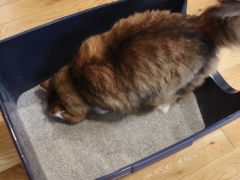
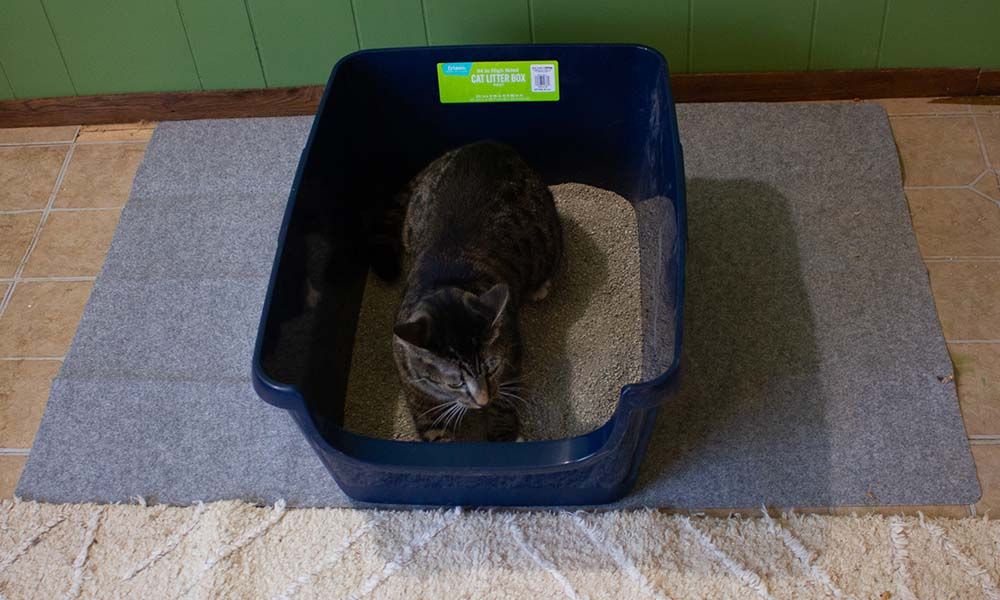
Some of the most obvious signs of constipation are less frequent defecation (finding less poop in the litterbox), finding small or dry poops, or in severe cases, finding no poop at all. In general, cats defecate one to three times a day. Constipation should be suspected in any cat that has not pooped in a couple of days.
Other signs of constipation include:
- Abdominal discomfort
- Blood or mucus in the stool
- Decreased appetite
- Dry, hard stool
- Defecating outside the litterbox
- Hiding
- Small amounts of diarrhea
- Straining when using the litter box
- Vocalizing (crying) when using the litter box
- Vomiting
How To Help a Constipated Cat?
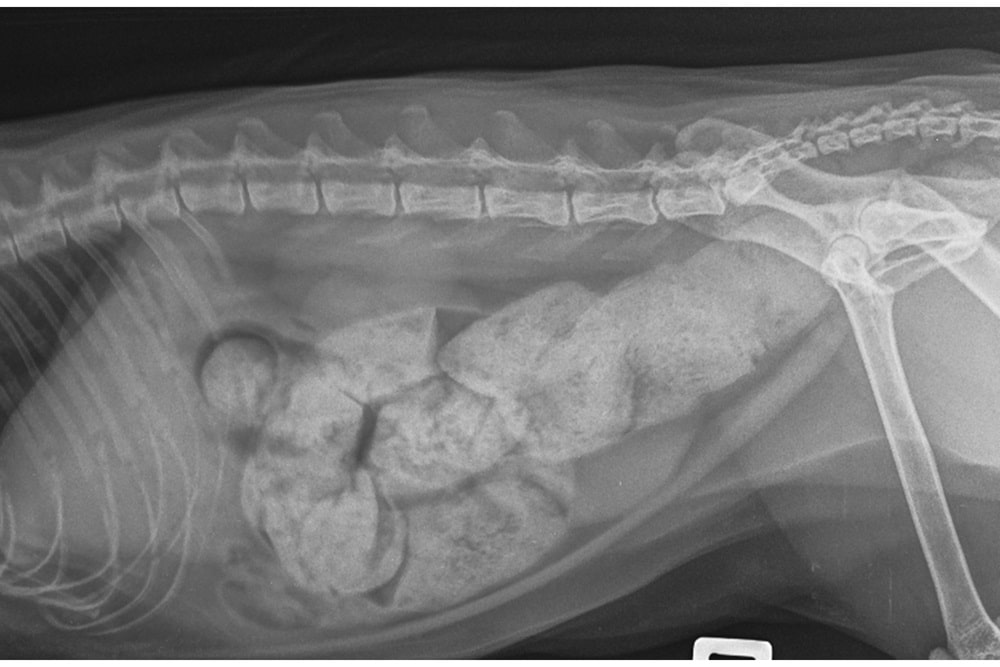
Prolonged constipation may result in severe fecal impaction as shown in this X-ray. Bartley Harrison / Cats.com
If your cat is severely constipated (passing very little stool, has not pooped in several days), they require veterinary care.
Colonic obstruction (where the colon becomes impacted with stool) can be very serious (called obstipation). When feces remains in the cat’s body for too long, the cat will eventually become extremely sick. Left untreated, cats can even die from obstipation.
When You Visit the Clinic, Your Veterinarian Will Perform a Physical Examination
The veterinarian will do a complete physical exam, including palpating the abdomen to feel for hard stool in the colon and checking for signs of dehydration (one of the most common causes of constipation). Some cats will even tolerate a rectal examination, though some cats will not think this is acceptable!
Additional Tests May Be Necessary
Depending on the severity of the constipation and whether it is something that has happened before, the veterinarian might wish to run additional tests, including blood work, urinalysis, and x-rays or ultrasound. An x-ray can be very helpful to determine how much stool is present and how backed up it is.
For some cats who are overweight (another risk factor for constipation) where accurately palpating their abdomen might be difficult, x-rays may be necessary to determine the right course of action.
Fluid Therapy Is a Cornerstone of Constipation Treatment
The main treatment for your cat’s constipation is therapeutic rehydration with fluid therapy. Your veterinarian may choose to rehydrate your cat with subcutaneous fluids (administered under the skin) or intravenous fluids (given via an intravenous catheter).
Enemas and Laxatives May Be Administered
After hydration, laxatives may be prescribed to help the cat begin to pass the stool. One common laxative available over the counter is Miralax. Miralax is an osmotic laxative that works by drawing water into the colon. Proper hydration is important when using Miralax and it is only useful in cases of mild constipation. You should always verify with your vet whether this is an appropriate step to take based on your cat’s medical history and condition.
Enemas can be used to directly hydrate and lubricate the stool that is stuck in the colon. One common enema veterinarians use involves the simple ingredients of warm water and sterile lubricant. This can be administered to some calm cats without sedation while others may require sedation to infuse the enema.
Docusate, or DSS, is another common enema that may be given. It works by lowering the surface tension of stool so that water and fats can better penetrate it and thus pass more easily.
Over-the-counter enemas (oral or those given per rectum) available in pharmacies should not be used in cats, since many contain ingredients that are toxic to cats.
A full disimpaction or deobstipation (manual extraction of feces) procedure is another option your veterinarian may discuss with you. This may be required if a complete fecal blockage, or obstipation, is present and there is little hope that medical care at home or simple enemas will relieve the blockage. This procedure will require general anesthesia. This method can quickly relieve a blockage, but can carry risks including anesthesia risk and the potential risk of a rectal tear.
A treatment called a GoLytely CRI is another treatment option. This involves placing a nasoesophageal tube that passes from the nose to the esophagus and infusing a laxative solution called polyethylene glycol (PEG 3350). This is actually the same compound as Miralax, but is administered as a continuous rate infusion (CRI) into the digestive tract. A GoLytely CRI is extremely effective (and some consider a safer alternative to a deobstipation procedure) but takes longer than deobstipation, requiring on average 6-12 hours for stool to pass. During this time, a cat must be hospitalized.
Some cats with severe megacolon may require a surgery called a subtotal colectomy to remove the affected area of the colon to prevent painful recurrences. This is a major procedure that is reserved for only the most severe cases.
Once the constipation is addressed, your veterinarian will discuss measures you can take at home to prevent your cat from becoming constipated again, including encouraging more water intake, dietary changes, supplements, and possibly medications like stool softeners, laxatives or motility drugs (always use such medications under the guidance of a veterinarian).
Constipated Cat Remedies / Natural Remedies
Mallory Crusta / Cats.com
Making some changes to your cat’s lifestyle can greatly reduce their chances of becoming constipated again. To keep things moving, you will want to keep your cat well-hydrated, make sure they’re eating enough fiber, prevent hairballs, keep your cat at a good weight, and encourage exercise.
1. Increase Hydration
Hydration is the biggest component of resolving and preventing constipation in cats. To resolve mild constipation or to prevent constipation from recurring, encourage your cat to drink more water. Cats are notoriously bad about drinking water, but there are some tricks you can try to get your cat to drink more.
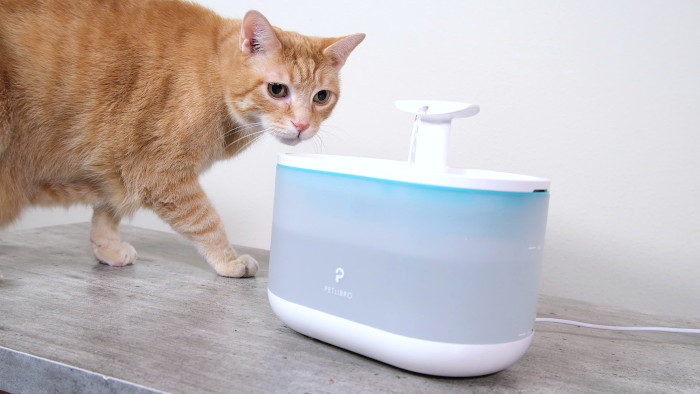
Many cats like drinking from pet fountains because the water is always moving—keeping it interesting, cool, and fresh tasting. Many cats prefer cool water, so you can also try putting a few ice cubes in your cat’s water dish or purchase a cooling pet bowl designed to keep the water cold. Another good way to entice your cat to drink more is to flavor their water by pouring a teaspoon of low-sodium chicken broth or juice from a can of tuna into the water dish.
If your cat eats primarily dry food, gradually switching your cat’s food to canned food can increase their daily water consumption. Read more about the best cat food for constipation below.
2. Try Natural Remedies
Certain home remedies, including fiber supplements like psyllium (Metamucil) or canned pumpkin, can help keep things moving in your cat’s intestinal tract. These natural remedies for cat constipation are safe and easy to give your cat. But it is important to remember that adequate water intake and hydration is important for psylliuim to be effective.
Not all cats need fiber, though, in some cases, excess fiber can cause more harm than good. Ask your veterinarian if your cat would benefit from psyllium or pumpkin and for advice on how much to give. In some cases, your veterinarian may recommend a gentle laxative like Miralax.
Although some people think it’s a good idea to give a cat with constipation olive oil, coconut oil or even butter to relieve cat constipation, this is generally not recommended. The high-fat content of oils and butter can upset your cat’s stomach or even cause a dangerous medical condition called pancreatitis, especially when given in high amounts.
3. Prevent Hairballs
If your cat is prone to hairballs, consider using a hairball remedy. Hairball remedies come in a tasty gel formulation that cats find palatable. There are also special hairball treats designed to help move hair through the digestive tract. Brushing your cat more frequently can also cut down on the amount of hair they ingest during self-grooming.
4. Maintain a Healthy Weight
Overweight cats are more prone to constipation. If your cat is overweight, speak to your veterinarian about steps you can take to help them safely lose weight and be leaner.
5. Increase Exercise
The more your cat moves, the better their bowels will function. Encourage them to get more exercise by adding more play sessions with toys like feather wands and laser lights (careful not to shine them into their eyes).
Cat Food for Constipation
Kirsten McCarthy / Cats.com
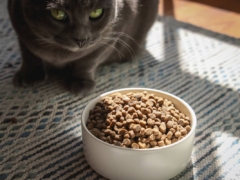
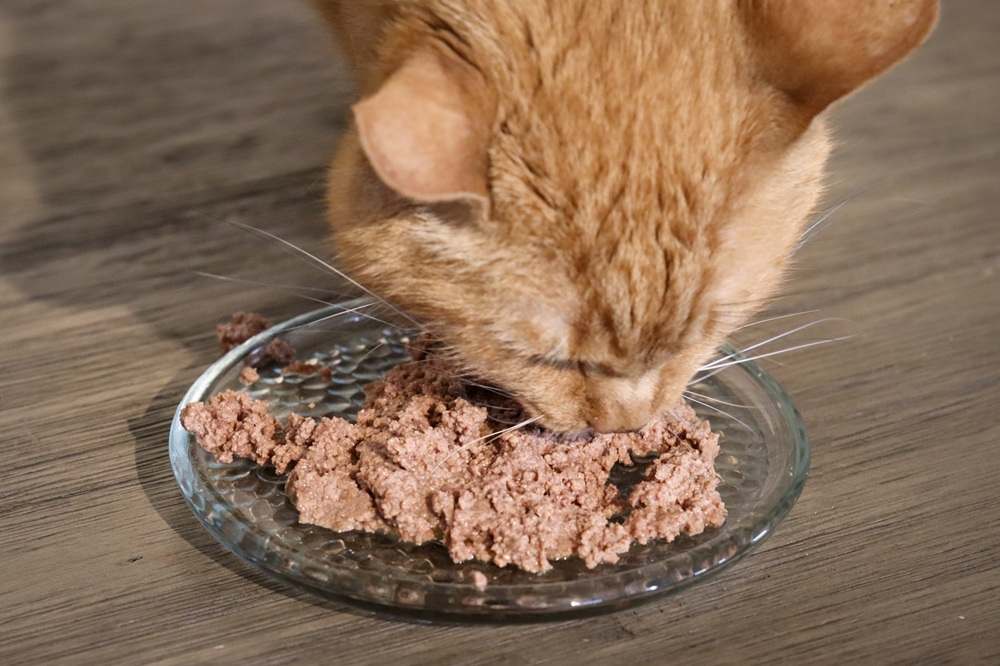
Certain cat foods are designed to help promote colon health to keep things moving. A high-fiber diet or low-residue diet can help cats that experience chronic (recurring) constipation. Ask your veterinarian to recommend a specific brand of cat food for constipation. Some over the counter foods may be appropriate while prescription high fiber diets, with guaranteed percentages of the right kinds of fiber, may be necessary for management for some cats.
Help for Cat Constipation
For some cats, constipation can be a recurring issue. If your cat experiences constipation, stay on top of their hydration and implement any other changes your veterinarian recommends to try to stave off future episodes.