
 Last updated Aug 25, 2026


Pete Wedderburn / Cats.com
Cats don’t exactly get the common cold, but they definitely have their fair share of respiratory diseases, which can be caused by viruses, bacteria, or fungi. Feline viral rhinotracheitis (FVR), also known as feline herpesvirus, is a common feline respiratory disease.
We’re going to explain everything that you need to know about FVR.
Quick Overview: Feline Viral Rhinotracheitis (AKA FHV)
 Other Names: FVR, feline herpesvirus
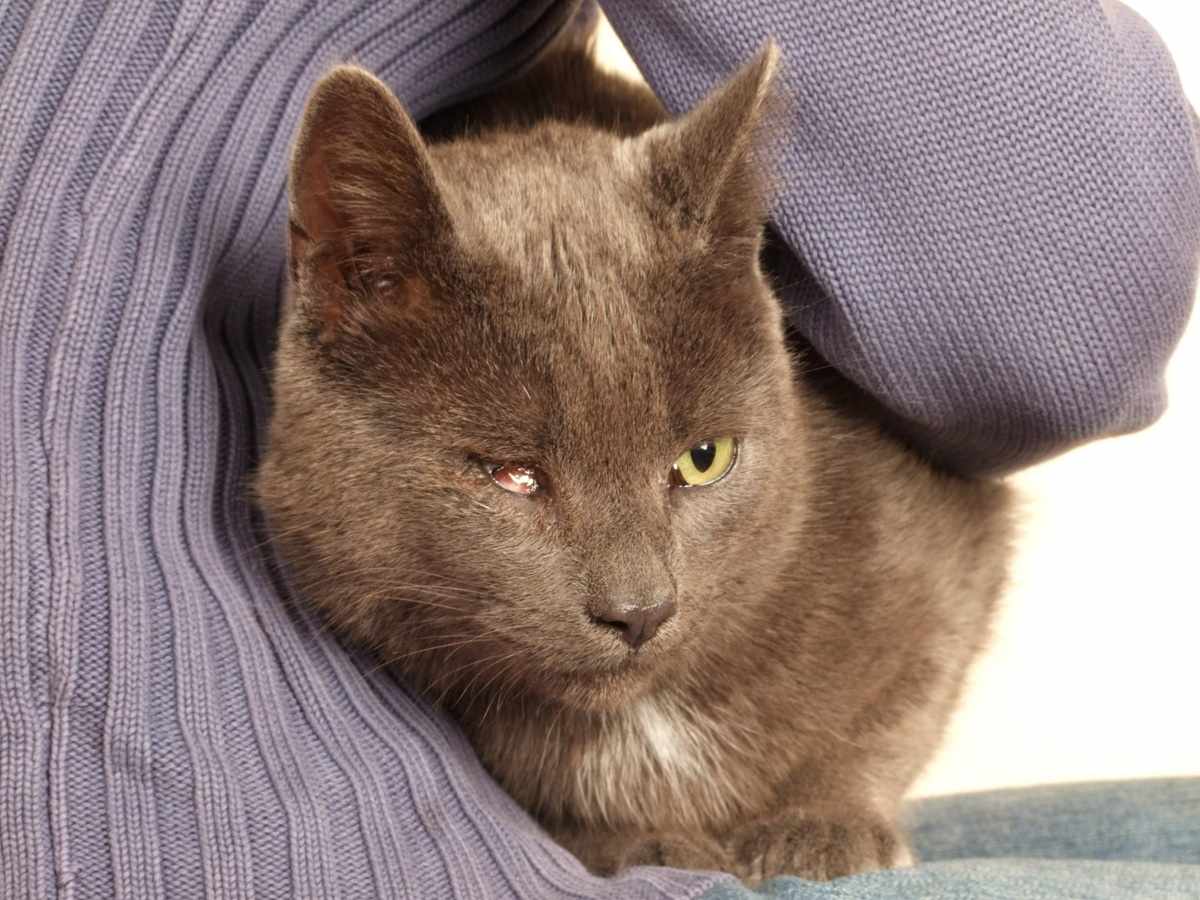
 Common Symptoms: Sneezing, coughing, discharge from the eyes, inflammation and ulcerations on the surface of the eye (cornea), squinting and blinking, inflammation of the tissues under the eyelids (conjunctivitis).
 Diagnosis: FHV is often highly suspected based on history and active symptoms. Viral testing may be performed.
 Requires Ongoing Medication: L-lysine may be recommended as a lifelong supplement to reduce shedding and severity of feline herpesvirus.
 Vaccine Available: feline herpesvirus (FHV)/feline viral rhinotracheitis (FVR) is included in the common combination vaccine with calicivirus and panleukopenia.
 Treatment Options: Largely symptomatic treatment and supportive care, as there is no cure for herpesvirus. Cats remain carriers for life. Reducing stress can reduce flare-ups of upper respiratory symptoms. herpetic ulcers can be treated with certain antiviral eyedrops. Antibiotics may be used only if secondary bacterial infection is suspected.
 Home Remedies: Cold medications, decongestants for people should not be used in cats. Always ask your vet before using any over the counter eyedrops in a cat. Using a humidifier or "steamy" bathroom for 20 minutes twice a day can help to relieve nasal congestion. Warming up food helps to encourage appetite. Reduce any stressors that may be contributing to a herpesvirus flare-up.
How Common Is Feline Viral Rhinotracheitis?
FVR is caused by the virus feline herpesvirus type-1. Nearly all pet cats will be exposed to this virus at some point in their lives. And, about 80% of the exposed cats will develop a lifelong infection (more on the ‘lifelong’ part later).
How Is FVR Transmitted?
Feline herpesvirus is found in saliva and discharge from the eyes and nose. The most common transmission route for the virus is direct contact with these secretions from an infected cat. For example, a cat can be become infected if they come into direct contact with the saliva from an infected cat.
Less commonly, the virus is transmitted through direct contact with an inanimate object (e.g., food bowl, toy) that is contaminated with the virus.
The virus can survive in the environment, but only for as long as the surface it lands on is moist. When that surface dries up, which could take anywhere from 30 minutes to several hours, the virus dies.
Which Cats Are at Risk for FVR?
Nearly all cats, regardless of age, are at risk for FVR. However, some categories of cats have an especially high risk of becoming very ill from the disease.
Young cats, particularly kittens, are very susceptible to FVR because their immune systems are not fully up and running. In their first few weeks of life, kittens receive protective antibodies through their mom’s milk. Once these protective antibodies are gone, though, kittens can become very ill if exposed to the herpesvirus.
If the mom has the feline herpesvirus in her system, she can pass the virus on to her kittens. Older cats with chronic disease and unvaccinated cats are also highly susceptible to FVR. Cats living in close quarters, such as at boarding or breeding facilities, are at risk of FVR.
What Are the Symptoms of FVR?
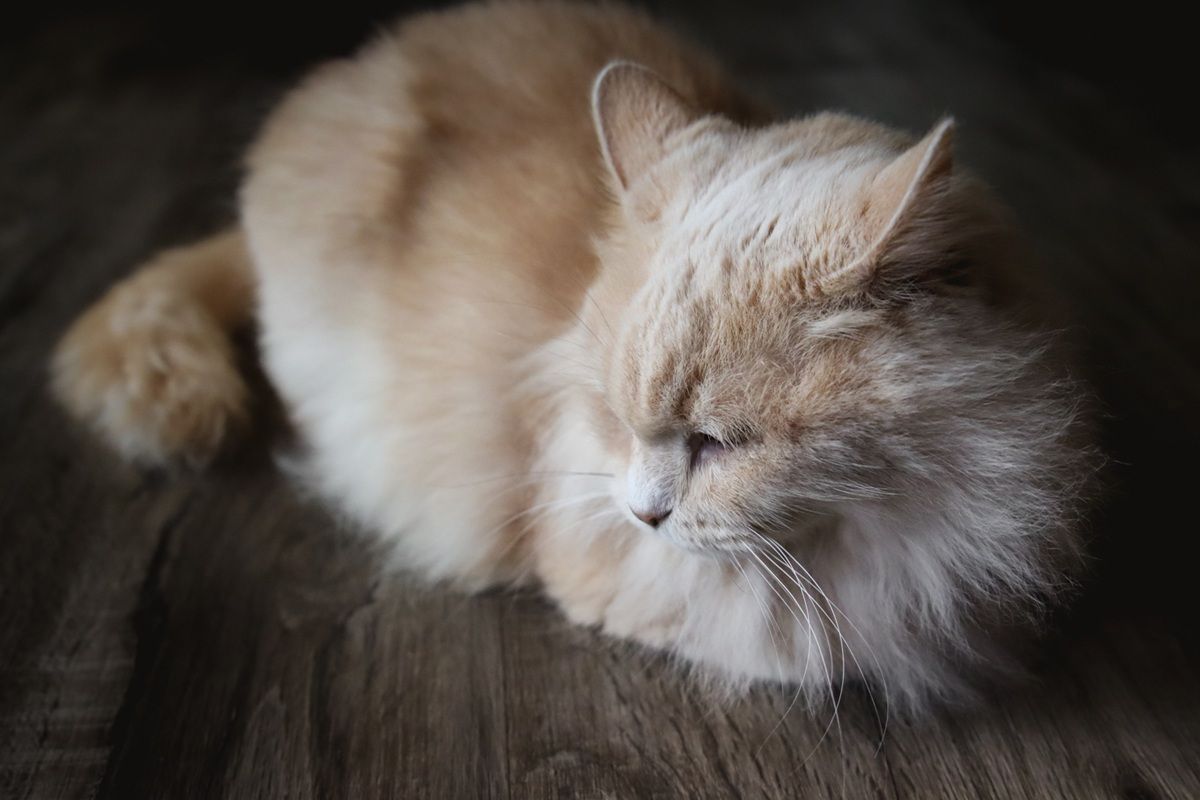
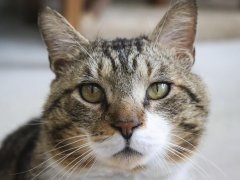
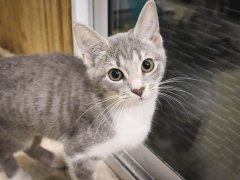
Cats infected with FVR exhibit symptoms related to the upper respiratory system, including eye and nose discharge, sneezing, coughing, and more. Kirsten McCarthy / Cats.com
FVR affects the upper respiratory system, which includes the nose, sinuses, and oral cavity. Symptoms of an FVR infection are listed below:
- Sneezing
- Coughing
- Discharge from the eyes and nose that progresses from clear and watery to thick and pus-like
- Corneal ulcers
- Excessive blinking
- Squinting
- Keratitis (inflammation of the cornea)
- Conjunctivitis (inflammation of the conjunctiva, which lines the inner eyelids and covers the front of the eye)
The symptoms begin about 2 to 5 days after exposure to the virus. In mild cases of FVR, the symptoms last for about 5 to 20 days. In severe cases, the symptoms can last for nearly 6 weeks.
Cats that are seriously ill from FVR have systemic signs of illness, such as fever, depression, appetite and weight loss, and swollen lymph nodes. These cats require hospitalization to get better.
Remember that cats that are exposed to feline herpesvirus develop a lifelong infection. After the symptoms start to wane after the first exposure to the virus, the virus becomes latent, meaning that it stops causing signs of illness and stays quiet in the body.
Healthy cats can harbor the virus with no outward signs of infection. With stress, though, the virus can wake up and reactivate, causing a flare-up of symptoms. This is called recrudescence.
How Is Feline Viral Rhinotracheitis Diagnosed?
Upper respiratory diseases in cats have similar symptoms, so it might not be immediately apparent that a cat has FVR.
A veterinarian will first rely on a cat’s medical history, symptoms, and physical examination findings. Corneal lesions, such as corneal ulcers, raise the suspicion of FVR, especially when present in both eyes and in young or unvaccinated cats that have other upper respiratory symptoms.
In older cats, recurring corneal lesions or conjunctivitis point toward FVR.
To confirm the diagnosis, the veterinarian will collect a sample, such as saliva, and perform a molecular test to identify the virus in the sample.
The veterinarian will also perform some eye tests. One such test is the Schirmer tear test, which measures tear production. Cats with FVR sometimes have reduced tear production, which could be caused by conjunctivitis. Another test is the fluorescein test, which involves placing a green dye on the cornea to look for ulcers.
How Is FVR Treated?
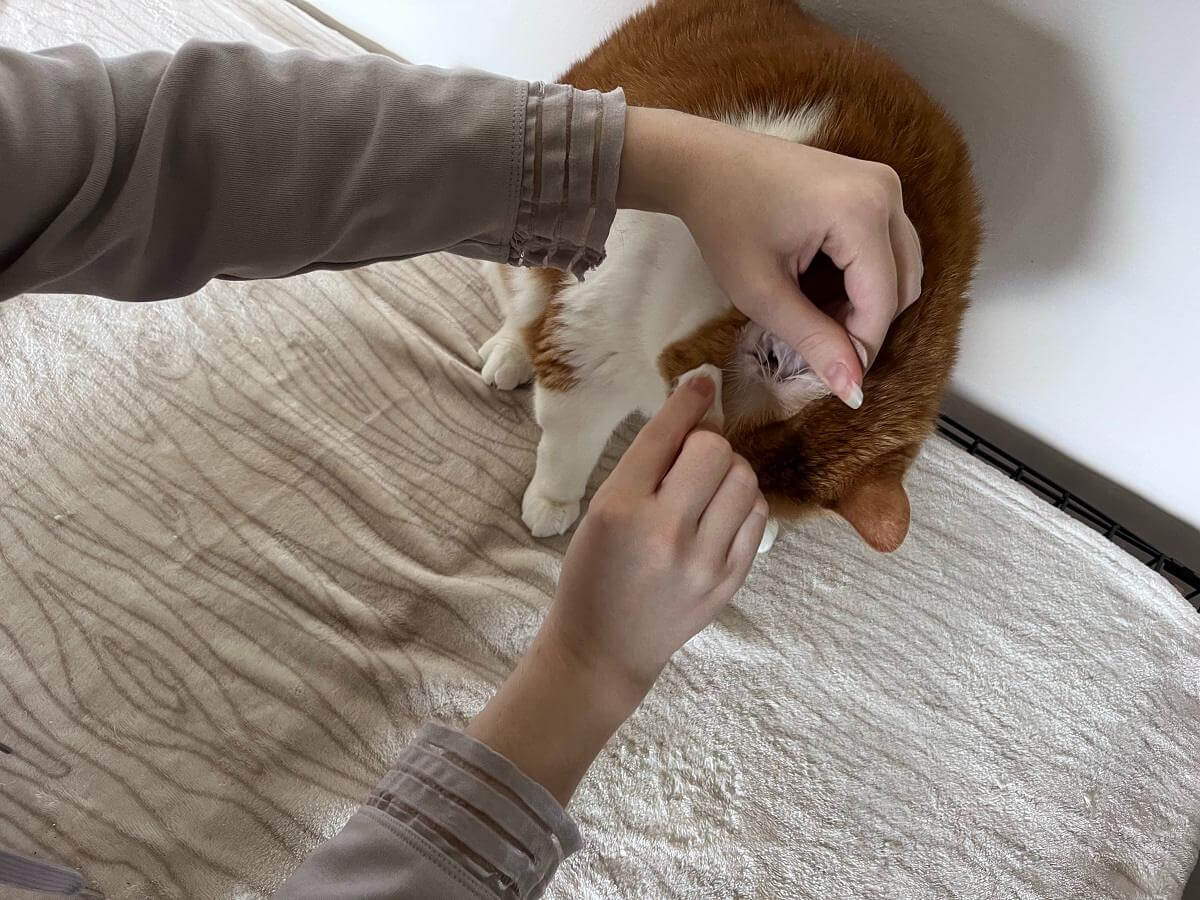
After your cat has been diagnosed with FVR, your veterinarian will recommend a treatment plan that addresses your cat’s symptoms and provides supportive care. Katelynn Sobus / Cats.com
Generally, FVR is treated by treating the symptoms and providing supportive care. If your cat has FVR, your veterinarian will develop a treatment plan according to your cat’s symptoms and overall health.
Corneal ulcers are treated aggressively with antiviral topical eye medications. This is because untreated corneal ulcers can extend deep into the eye and cause permanent damage.
Anti-inflammatory agents, such as corticosteroids, reduce keratitis and conjunctivitis. Systemic antibiotics treat secondary bacterial infections caused by the herpesvirus.
Examples of supportive care measures are listed below:
- Wiping discharge from the eyes and nose
- Humidification (a steamy bathroom) to relieve nasal congestion
- Minimizing stress
- Administering appetite stimulants
Cats that require hospitalization will need additional intensive treatments, such as intravenous fluid therapy.
How Is Feline Viral Rhinotracheitis Prevented?
Vaccination is the best line of defense against FVR. The feline herpesvirus-1 (FHV-1) vaccine, which protects against FVR, is a core (required) vaccination for cats. Although it does not provide 100% protection against the disease, it significantly reduces disease severity and viral shedding.
The FHV-1 vaccine needs to be boostered to provide optimal protection. It is given as a series of shots early in life, starting at about 6 weeks. Cats will then need a regular booster according to a schedule determined by a veterinarian. This is often in the range of every 3-4 weeks until the cat is 16-20 weeks of age.
On the home front, an infected cat that is actively shedding the virus can infect other cats in the household. Therefore, that infected cat must remain isolated. After you pet the infected cat or tend to their needs (e.g., refilling the water bowl), wash your hands thoroughly with soap and water before touching or caring for your other cats.
If you plan to board your cat before a trip, talk to your veterinarian about your cat receiving a booster FHV-1 shot before boarding.
Bringing It Together

Hypersensitivity reactions can occur with any vaccination but tend to be uncommon with the FVRCP vaccine in cats. Kirsten McCarthy / Cats.com
This is a lot of information to take in about FVR. No need to worry! Your veterinarian is available to address any questions or concerns you may have about this disease and how it may affect your cat.
Monitor your cat for any upper respiratory signs and stay up-to-date on their core vaccinations. If your cat has FVR, take good care of them, minimize their stress, and ensure that they do not infect other cats in your home.