 Last updated Jun 11, 2026


Kirsten McCarthy / Cats.com
Have you heard the term a glaring of cats? Ever wondered what it means? Let’s look into some of the possible collective nouns for cats and kittens and where they came from.
A "glaring" is one of the collective nouns for a group of cats. Other widely accepted terms for a group cats include clowder, clutter, and cluster. The collective noun or descriptive term you use might depend on the cats’ personalities and the dynamic between them.Key Takeaways
What Is a Glaring of Cats?
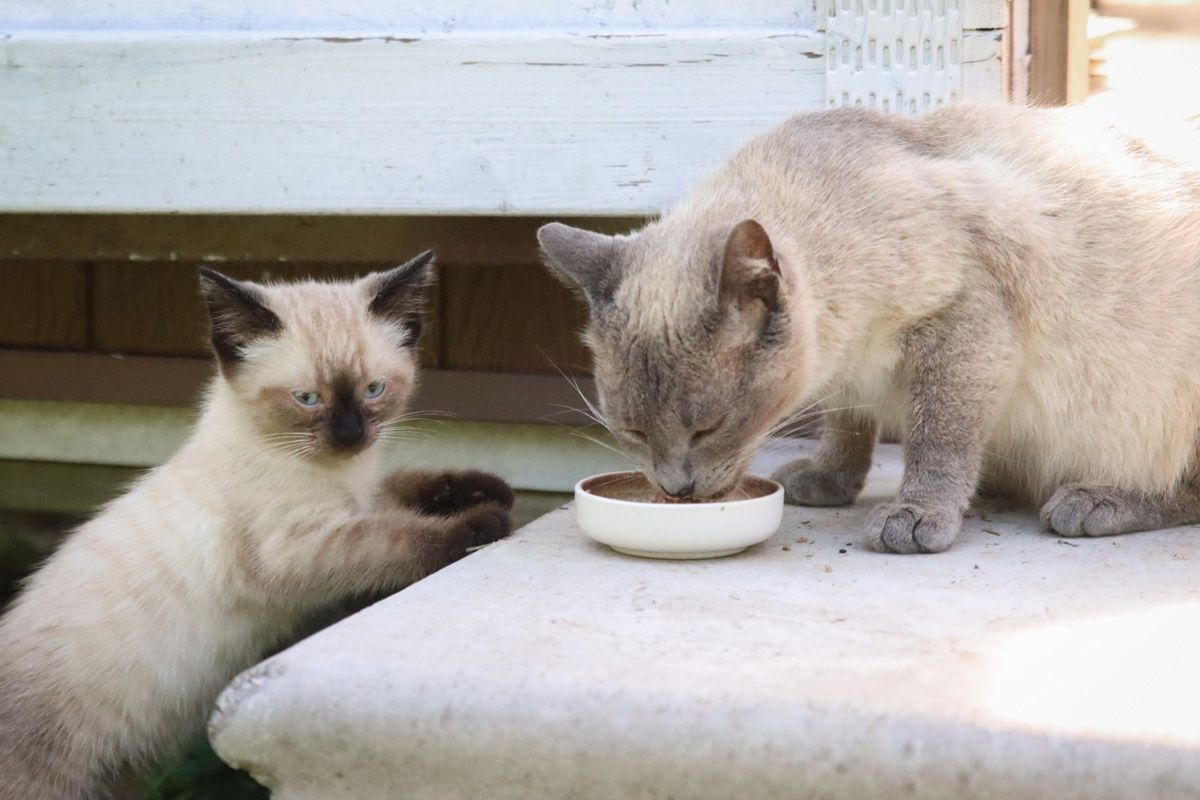
A glaring of cats is a way to refer to a group of three or more cats. The fact that we have nicknames for groups of cats are pretty interesting considering not all cats like each other and get along in groups. Feral cats or stray cats might fight over territory and resources like food sources, water, and shelter.
In fact, you might even find domestic cats that live together getting grumpy with each other over the use of the comfiest bed or to get the tastiest treats. Read our article Do female cats get on? for more information about cat dynamics.
The fact that not all cats get along might explain why the term “glaring” might be used. Cats that are unfamiliar with each other and reluctantly sharing space might glare at each other.
Equally, some pet cats have mastered glaring at their owners when they are unimpressed by their behavior. Perhaps they haven’t put offered them food and it’s a minute or so past dinner time, or perhaps they had to be moved from their comfy snoozing spot on the sofa so that a visiting human could sit down.
In these circumstances, you might be on the receiving end of a glare from your cat!
How Else Can You Describe a Group of Cats?
The English language has several collective nouns for cats. Here are some examples and where they may have originated for inspiration:
1. A Clowder of Cats
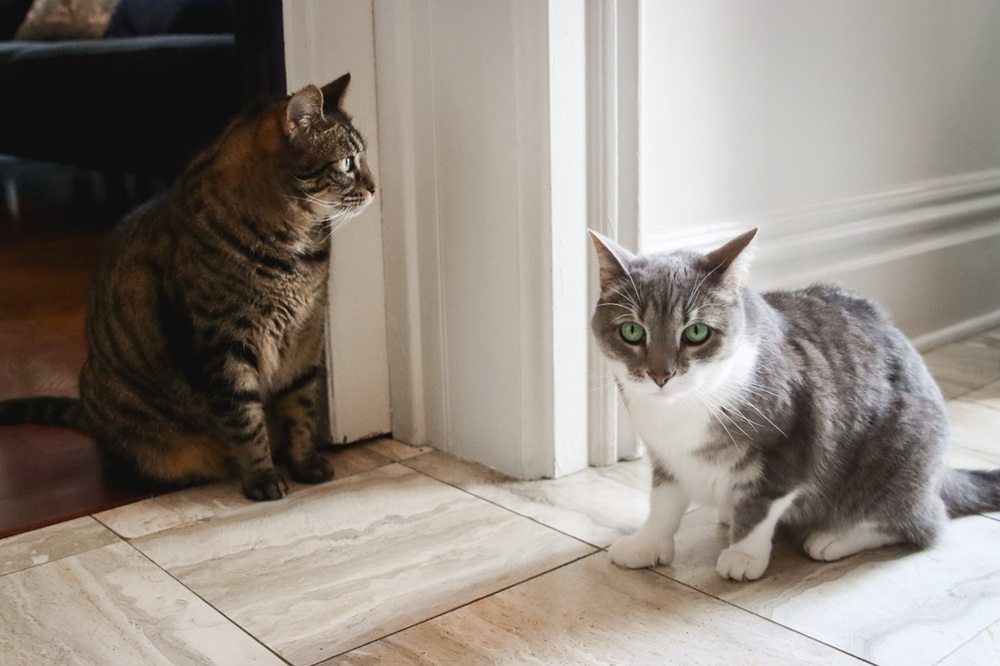
The term a clowder of cats comes from an Old English word for lump. Kirsten McCarthy / Cats.com
The most commonly recognized term for a group of cats is a “clowder.” That’s right, it sounds like a cloud. You might be picturing a group of fluffy white kittens having a cuddle and resembling a cloud, but this isn’t the origin.
The word “clowder” is said to have originated from the Old English word “clott,” meaning lump. This old word from centuries ago gradually evolved into “clot,” then “clutter,” and eventually “clowder.” This brings us to the next nickname for a group of cats …
2. A Clutter of Cats
A clutter is another way to describe a group of cats, and from the evolution of the word clowder, you can see where it came from. However, if you’ve ever had a swarm of hungry cats getting under your feet in the kitchen, you probably have other ideas as to why they might be called a clutter.
3. A Pounce of Cats
This collective noun is self-explanatory, and perfectly describes a group of mischievous kittens or young cats. If you’ve ever observed a litter of kittens playing together, it’s probably no surprise why a pounce of cats is a known term.
4. A Cluster of Cats
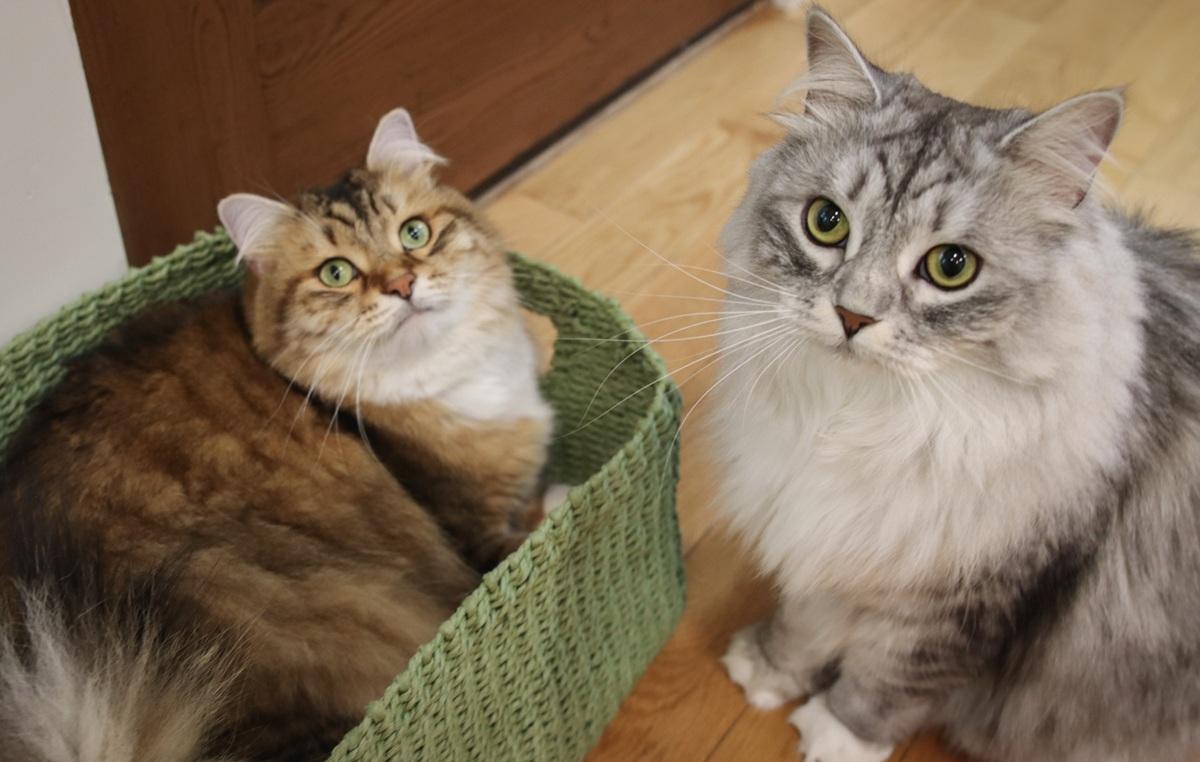
A cluster of cats is probably derived from the same words that gave us clowder and clutter. Kirsten McCarthy / Cats.com
Probably from the same origins as clutter and clowder, a cluster of cats is another option. You might find this description particularly apt if your feline family members like to chill out together on the bed or the couch.
5. A Litter of Kittens
Most cat lovers will be aware that the collective noun for kittens is litter, assuming that they’re siblings of course. Using the term litter in this context has nothing to do with trash or garbage, and is used for many mammals.
6. A Destruction of Cats
This term destruction of cats is reserved solely for a group of wildcats, and if you consider tigers, leopards, jaguars, and other big cats, it’s easy to imagine why. However, if your domestic cats are particularly cheeky, it could actually be a good fit.
7. A Nuisance of Cats
Similar vibes to the destruction of wildcats, but this one usually refers to domesticated cats. Of course, if your cats are little angels, this might not ring true, but if they’re a little bit naughty it might suit them well.
8. A Kindle of Kittens
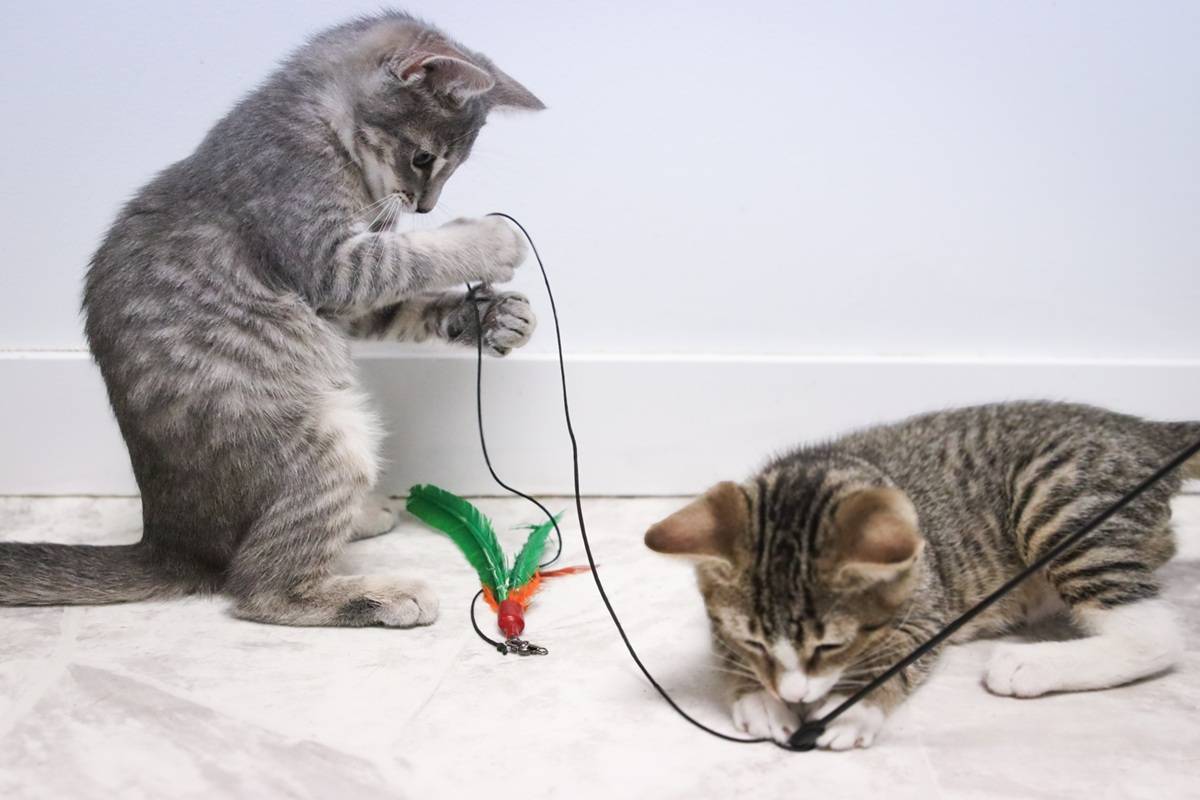
A kindle of kittens need not be siblings, just a group of adorable young cats. Kirsten McCarthy / Cats.com
Unrelated to the Amazon electronic reading device, a kindle is a cute way of describing a group of kittens, whether they’re related or not.
Final Thoughts
There are lots of different collective nouns for groups of cats—a glaring, a clowder, a clutter, or a cluster to name but a few! You can find out even more information about nicknames for groups of cats by reading What is a group of cats called? Whatever you want to call them, cats are pretty cute, so the more the better.
Frequently Asked Questions
What is a group of cats known as?
A group of cats is most commonly known as a clowder, but can also be referred to as a glaring, a clutter, a cluster, a kindle, or a nuisance.
Why is a group of cats called a clowder?
The word clowder is thought to have originated from the old English word "clott," meaning lump or mass. This developed into "clot," then "clutter," and finally a group of cats became known as a "clowder."