
 Last updated Feb 25, 2026


Kirsten McCarthy / Cats.com
Cats get bad press when it comes to their behavior. Many pet owners will have you believe that cats go out of their way to do objectionable things around the house (cue knocking that full glass of water off the kitchen counter). Cats are actually a lot more complicated when it comes to feelings and showing empathy and remorse.
Cats gauge people's reactions to things, and they remember if something they did made us upset or angry. Cats are incapable of feeling guilt or showing remorse, but they do try to get back into our good graces if they do something that we don't like. After doing something naughty, cats might try to alter your response by rubbing against you, purring, bunting with their head, grooming you, or kneading you with their paws.Key Takeaways
They might not say sorry in a traditional or conventional way, but they sure do know how to change our mood. It’s important we as cat owners learn how they do this. Once we can understand and recognize our cat’s body language and what it means, it will make for an even better relationship between us and our cat. Read on to find out just how your cat eats their slice of humble pie at home.
Do Cats Apologize?
It might seem like cats are solitary, independent creatures. Cat lovers are often all too familiar with their antics around the house. It can seem at times like it’s our cat’s way or the highway. They don’t seem to care who they offend or upset as they set about their daily activities.
Interestingly, we have recently learned that cats are actually very much team players and they thrive in a group environment. Social interactions are important to them.
Cats can’t feel guilt, so they aren’t capable of actually apologizing as a human would. What cats can do is pick up on our feelings and emotions. They can gather information on how we are by watching our faces and listening to the tone of our voices.
Cats are capable of forming strong emotional bonds with people, which makes them sensitive to changes in mood. When they detect that we are not happy, they will attempt to change our mood by connecting with us. Your cat might not fully grasp what they did was wrong, but they can’t feel remorse like humans do.
The full emotional event of an apology doesn’t really happen with cats. What they do is various things to restore the normal equilibrium in the house. This means they change their behavior to do things that we will enjoy to lighten the mood.
Do Cats Know if They Have Done Something Wrong?
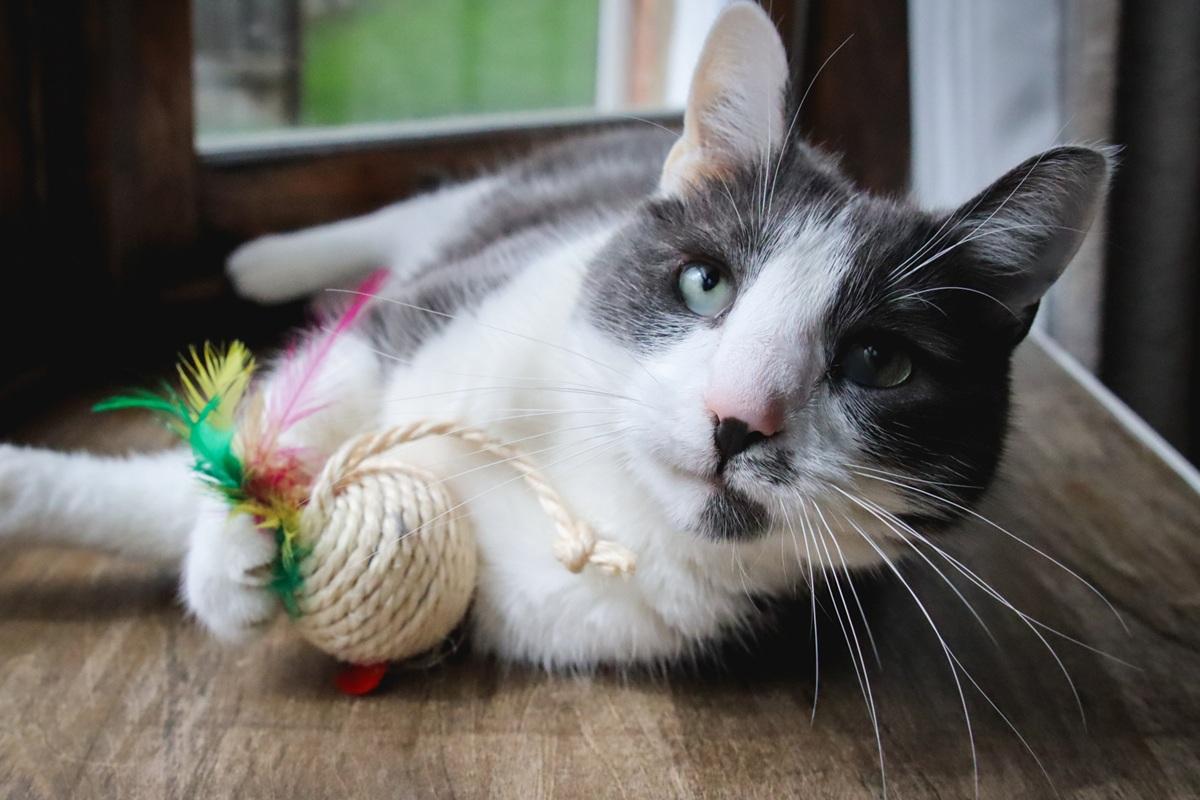
Cats might attempt to rectify an unpleasant situation by moving closer to you and touching you. Kirsten McCarthy / Cats.com
Cats don’t have a sense of right and wrong. They can’t understand why spilling a glass of water, flinging debris out of the litter box, or scratching furniture might be an inconvenience or a bad thing for us. They do, however, gauge our reactions to things and they remember if something they did upset us or made us mad at them.
They will then store this in their long-term memory. Cats react to our tone of voice, the facial expressions we pull, and also our physical actions. They gain experience over time of different things that they do which are good or bad depending on their human’s reaction.
When we bring a cat into our home, without realizing it, we are creating a social group between us and them (and everyone else in the house). Cat behavior would lead us to believe that they view themselves as way more than just a feline companion.
Cats view themselves as a member of our family and this is part of the way they form secure relationships. If we are playing and cuddling our cats they usually feel safe in their social group. If we are angry and shout or curse, they feel threatened and scared.
They want to feel safe again in their social group so they might do something to curry some favor from you. This might appear like an apology to us as we often anthropomorphize our cats. This means that we attribute human behavior and characteristics to them, believing that they have the same meaning when they don’t.
So next time they kick litter all over the carpet, don’t take it personally, they do not do these things out of spite. They are merely acting on impulse and instincts.
How Do Cats Apologize and Make Amends?
There are a few different ways cats will attempt to build bridges with us. If there has been an incident where your cat has done something that displeased you, and you reacted, they will usually run away and hide. You might then catch them peeking out and staring at you.
Lots of owners often think that this is their cat defiantly staring them out, silently saying, “Yes I did that, what are you going to do about it?” You could be forgiven for thinking that as it’s exactly what it looks like they are doing. The truth is they are staring at you to try and guess what sort of mood you are in as they will only relax when you are relaxed.
When you have calmed down, that’s when your cat will then attempt to rectify the situation. They can do this by slowly moving closer to you. This gesture means that they feel safe and secure and that they want you to as well.
They may also start to rub themselves on you or headbutt you, also called bunting. This is a way that they rub their scent onto us. This is usually a territorial scent-marking behavior—your cat rubs their scent glands on you and then you are “marked” with their scent.
This helps them to recognize you as a safe person they can trust. They might initiate playtime by bringing their favorite toy for you. Cats may also purr or meow near us to let us know they want to feel connected again. They might also knead on our laps with their paws. These are signs they feel content.
Another thing cats do is blink slowly while making eye contact. This is thought to be one of the ways that cats let their human know they feel safe. The slow blink is an acceptance gesture and they will do it to show their trust.
Do Cats Forgive Their Owners?
Although cats don’t know right from wrong and can’t really feel guilt, humans certainly can! Have you ever felt bad after leaving your cat alone for too long or accidentally stepping on their tail? Maybe you even tried making it up to them with extra cuddles or a special treat. If you’re wondering how to know if your cat has forgiven you, the good news is cats don’t generally hold grudges.
Cats are driven by survival instincts, so repeated negative experiences will cause them to adapt their behavior to stop themselves from getting hurt or upset. However, a one-off incident where you accidentally stood on their tail wouldn’t make your cat avoid you indefinitely.
Of course, cats can get mad at their owners, just as we get mad with them at times. If your cat is mad with you, usually there are a few clues you can pick up from their behavior:
- Growling
- Hissing
- Running off and hiding
- Hold their ears flattened back
- Biting or scratching
- Twitching their tail
- Peeing where they shouldn’t
If your cat is exhibiting any of these behaviors, the best thing to do is to try to figure out the reason. It might not be that your cat is mad at you at all. They could be frightened, hungry, having problems with another cat in the house, or be experiencing a medical issue. If you are at all concerned about your cat’s health, seek veterinary advice immediately.
Final Thoughts
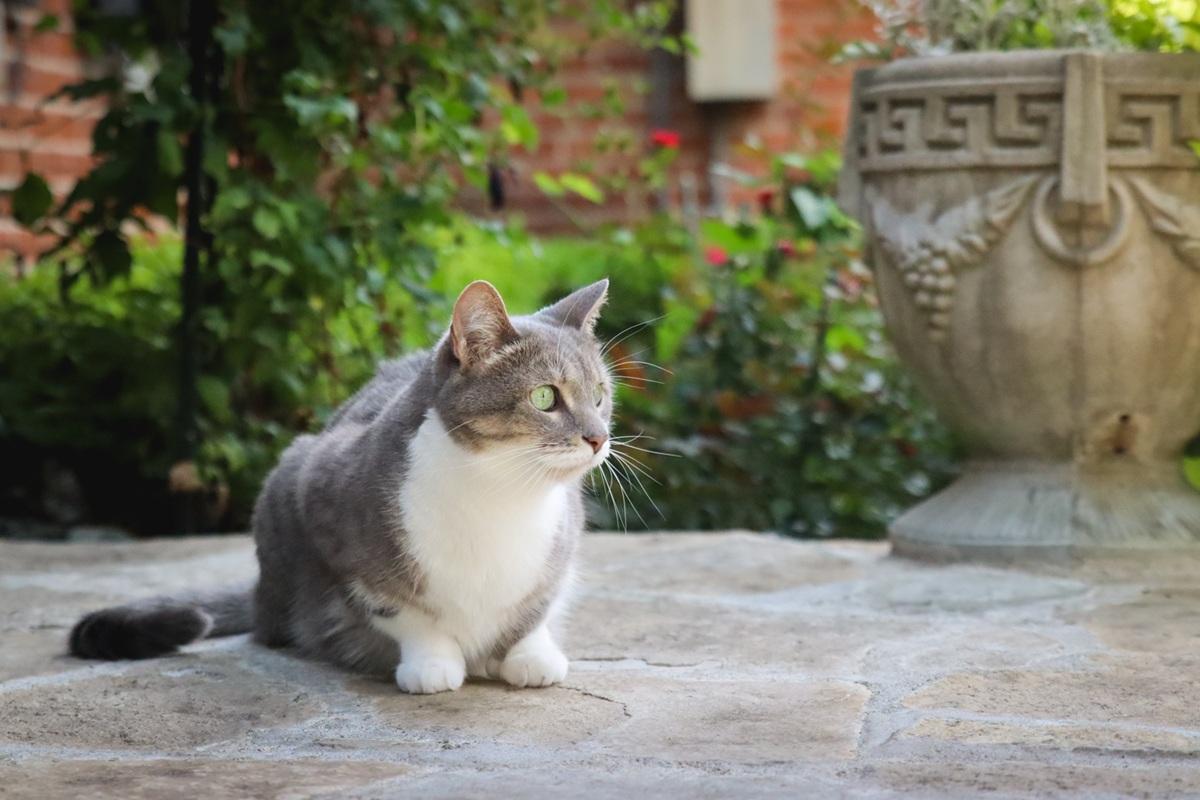
Cats feel connected to us and think of us as part of their social group. Kirsten McCarthy / Cats.com
So now you know, cats don’t actually apologize to their owners. They alter their behavior after doing something that causes a negative reaction in their humans. Cats do not feel guilt, however, we do think that cats feel connected to us and think of us as part of their social group. Cats like to feel safe and secure in their home environment. Any sort of threat to them is a disruption of their peace.
If your cat shows affection toward you after they have done something naughty, they are doing this because they don’t like your reaction and they want to change it. They are incapable of showing remorse—what they do is try to get back on good terms with their cat parent so that there is harmony in their social group.