 Published Sep 5, 2026


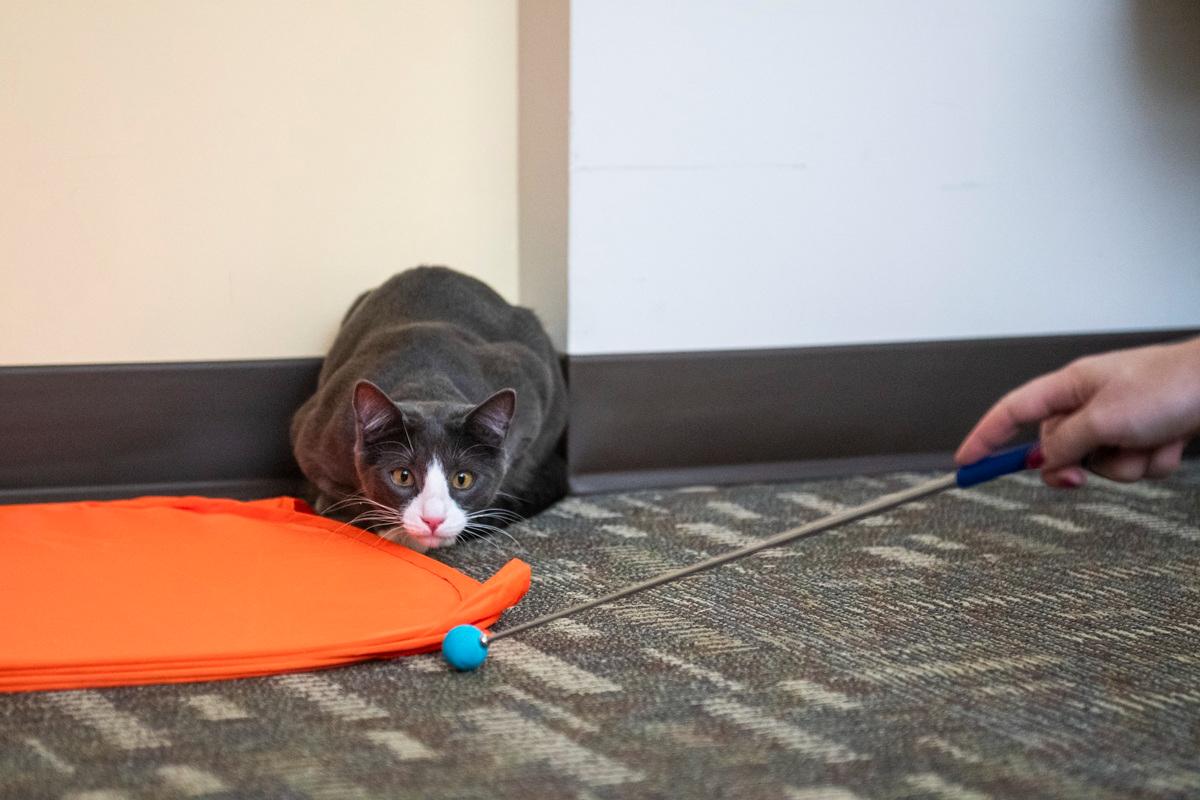
Image Credit: Oregon State University
You don’t often hear about cats being used in animal-assisted therapy, but a new study suggests that our feline friends might have a much bigger role to play than previously recognized. Animal-assisted interventions (AAIs) incorporate interactions with animals into a patient’s therapy program to promote physical, psychological, social, or behavioral benefits and have traditionally focused heavily on dogs and horses.
Researchers at Oregon State University in Corvallis, Oregon, wanted to find out whether cats could play a similar role. To investigate, they developed and evaluated a Cat-Assisted Training (CAT) intervention for children with developmental disabilities using their own family cats.
The study’s co-leader, Monique Udell, a professor at Oregon State University who researches human-animal interactions, said cats are often underestimated when it comes to their ability to participate in human-animal interventions.
“This study shows that cats can be active participants rather than passive companions,” Udell said in an interview with Oregon State University. “When children and their cats work together through training, it can strengthen their bond while supporting positive outcomes for both the child and the cat.”
The study, conducted by Oregon State researchers and published in the journal Animals in July 2026, included 36 children ages 8 to 17 with developmental disabilities and their family cats. The participants were randomly assigned to either a CAT group (18 participants) or a waitlist control group (also 18). The control group did not participate in the training activities during the study period, but they were offered the chance to do so after the study ended.
The CAT group completed six 45-minute training sessions and weekly homework. The children learned about cat body language, appropriate ways to interact with cats, and positive-reinforcement training. Homework included activities such as identifying their cats’ toy and treat preferences and teaching behaviors such as “sit” and “come.”
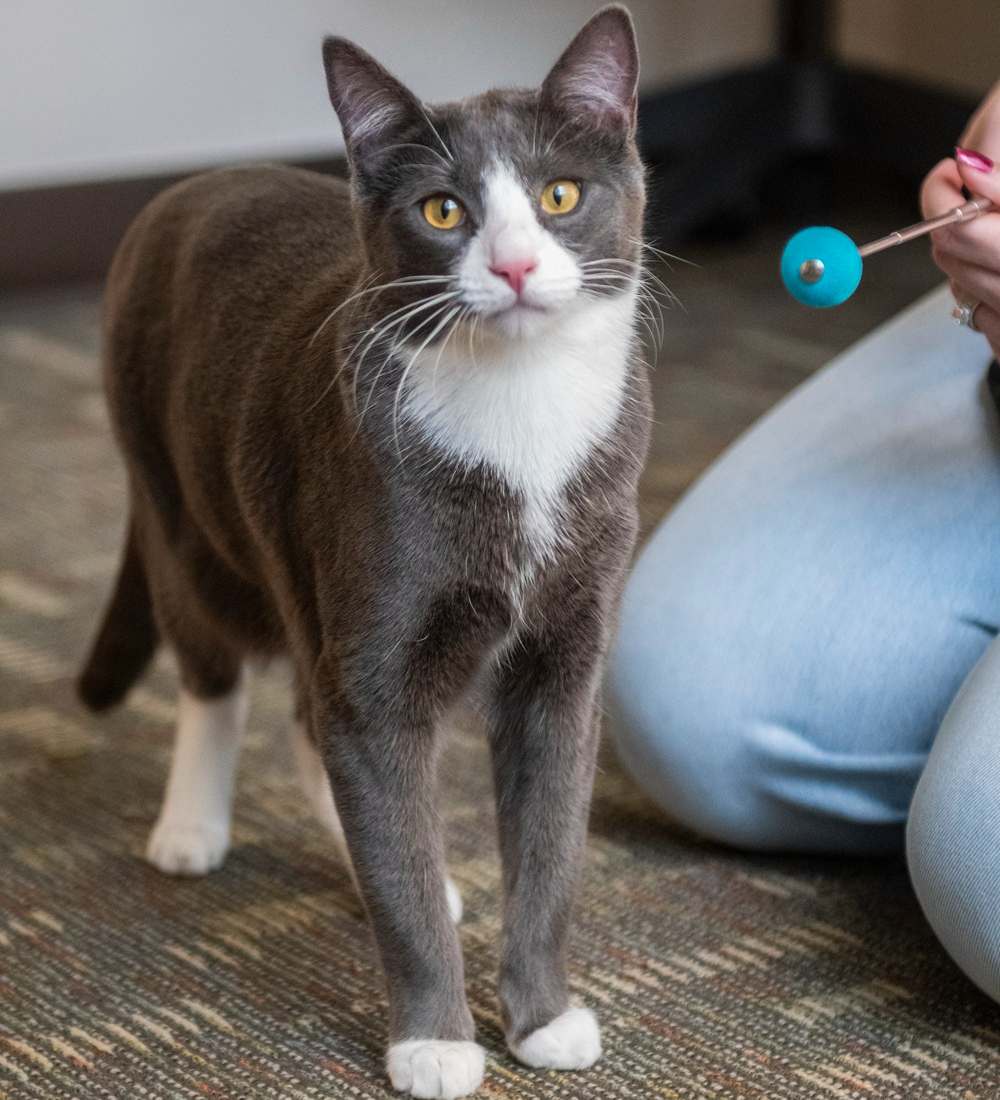
Image Credit: Oregon State University
The program appeared to engage both the children and their cats. All 18 participants attended all six training sessions, and the average homework completion rate was 81%. Among children in the training group, those who reported teaching their cats new things increased from 44% at baseline to 94% at the six-week assessment. The percentage who reported walking their cats increased from 28% to 78%.
The cats also benefited. They showed an immediate increase in sociability toward their children, and by the one-year follow-up, six cats had moved from an insecure to a secure attachment classification.
Although more research is needed, this study suggests cats might be successful, active AAI partners for children with developmental disabilities. And because cats can also benefit from improved bonds with their kids, it’s a win-win concept for everyone.
What Is Animal-Assisted Therapy?
Animal-assisted therapy, or animal-assisted intervention, is a structured treatment that incorporates trained animals into a patient’s therapy regimen. AAT is used with adults and kids to treat a wide range of conditions, including developmental disabilities, mental health disorders, autism, dementia, stroke recovery, and more.
Historically, animal-assisted therapy has primarily been done with horses or dogs. With equine therapy, for example, people with developmental disabilities, brain injuries, PTSD, and other conditions interact with horses, sometimes by petting or grooming them, other times by riding them. With canine AAT, patients might read to dogs, teach them commands, brush them, or interact in other ways that complement their own therapy.
AAT animals are different from typical therapy animals who might visit patients in a hospital or nursing home. With therapy animals, their presence simply serves as an emotional comfort or helps distract patients from pain or discomfort. AAT animals are specially trained and incorporated into each patient’s treatment program to help them achieve specific goals.