
 Last updated Jun 12, 2026


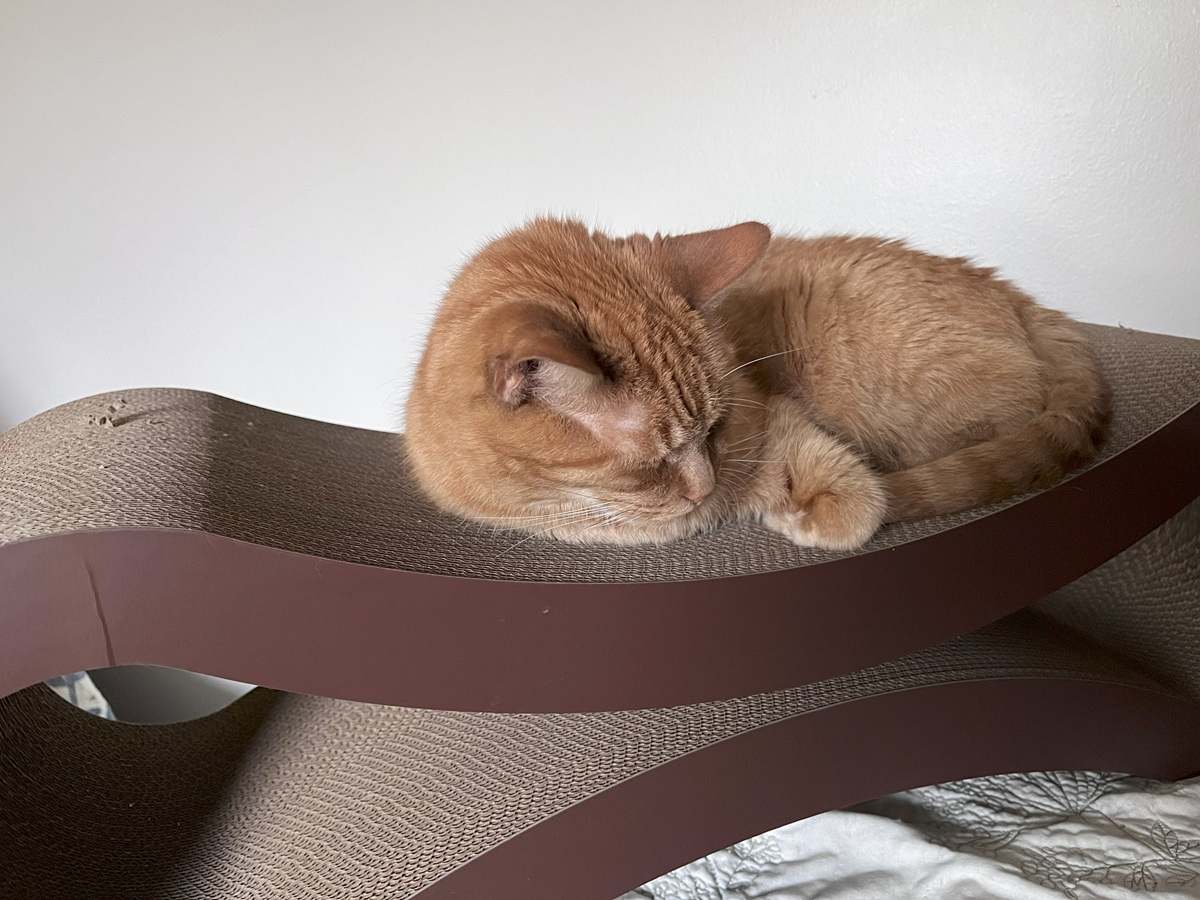
Katelynn Sobus / Cats.com
Bringing pets into your home is a time full of fun, joy, and excitement. If you’re a first-time cat owner, you might have some apprehensions about how to provide your new cat with a happy, healthy life.
We know it can be an anxious time, so we’ve put together some top tips for the new cat owner. The list is split into five handy categories: food and water, health care, litter boxes, interacting with your cat, and enrichment.
Food and Water
1. Cat’s Food

Kitten food is more energy-dense, providing fuel for growing bodies. Kirsten McCarthy / Cats.com
Cats are carnivores, and therefore gain most of their nutritional needs through animal protein. It is important to choose a complete, high-quality food suitable for their age and lifestyle, as nutritional requirements vary throughout life. Kittens require a very different balance of nutrients from an adult cat, for example.
2. Wet vs Dry Food
There are advantages and disadvantages to feeding wet food and dry food. Wet food is excellent for maintaining hydration, but it is bulkier and cannot be left down for grazing throughout the day. Dry food is easier to store and is better for dental hygiene. The exact ingredients, flavors, and type of food are less important than the choice of a nutritionally complete diet suitable for your cat’s age.
3. Changing Diet
If you want to switch your new cat to a different food, remember to transition slowly over the course of a week to prevent a tummy upset.
4. Food and Water Bowls
Cats don’t like their water source being too close to their food (in the wild, this risks contamination), so separate out food and water areas if you can. Bowls should be wide enough that your cat’s whiskers don’t touch the edges, and made of a material that is easily cleanable and doesn’t retain past odors, such as stainless steel.
5. Water Sources
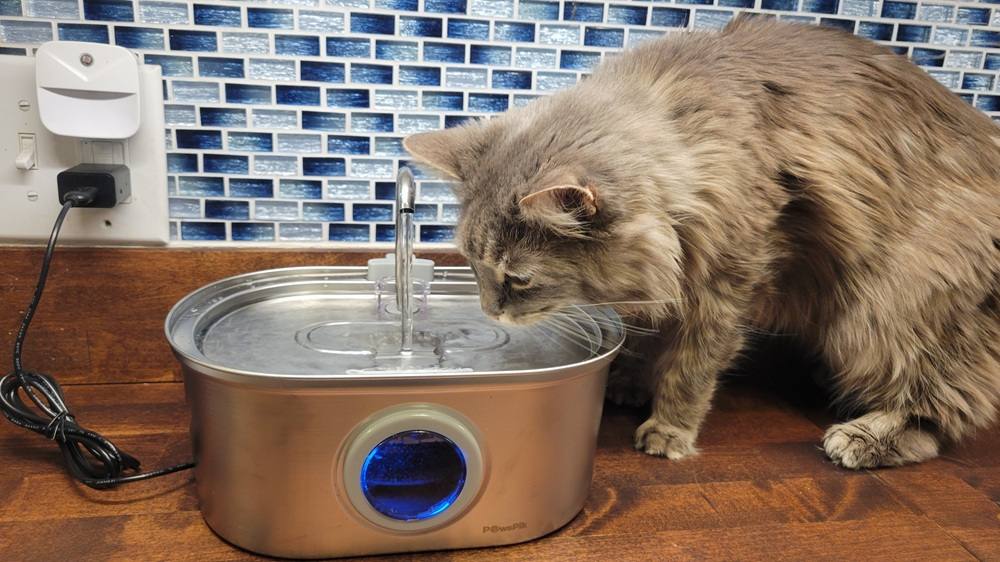
A pet water fountain can encourage cats to drink more water so they stay hydrated. Kate Barrington / Cats.com
Cats are excellent at conserving water, and you might not see your cat drink much, especially if they are on a wet food. Some cats will prefer running water, and water fountains might be more suitable than bowls for these cats.
Health Care
6. Identification
Your cat should be able to be identified easily in case they escape or get lost. A collar and ID tag is one way but can be easily lost. A microchip and a collar is preferable, just in case the collar falls off. Remember to update the details of both ID tags and microchips if you move home or change your contact information.
7. Register with a Veterinarian
Always take any new pet for a checkup with a veterinarian. They can give any appropriate vaccines, advise on preventative medicine, and check for signs of illness.
8. Spaying or Neutering
If you are not wanting to breed from your cat, discuss spaying or neuter with your veterinarian. This will prevent unwanted hormone-related behavior, escape attempts, and unwanted pregnancies.
9. Invest in a Good Cat Carrier
You might not have to use one very often, but having a reliable, sturdy carrier is useful if a sudden dash to a vet is needed, or a trip to a cattery. Cat carriers should be easy to clean and have a large opening to place the cat inside.
10. Pheromones
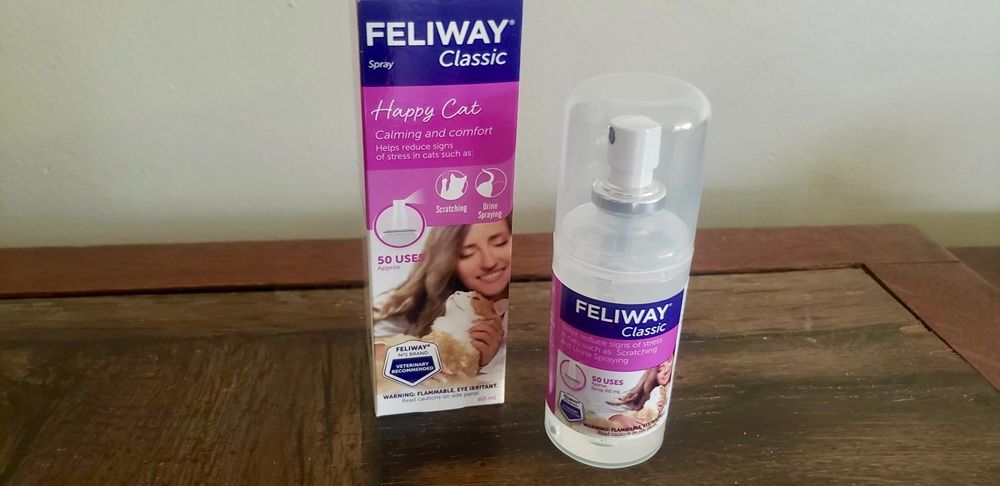
Use pheromone sprays or diffusers to help your new cat feel more relaxed in their new environment. Liz Coleman / Cats.com
Moving to a new home can be a stressful time for a new cat. Pheromone diffusers such as Feliway might help your new pet feel reassured and more relaxed in their new environment.
Litter Boxes and Cat Litter
11. Type of Litter Boxes
Litter boxes are available in many different types, sizes, and shapes. Buy a litter box that is an appropriate size— young kittens might need a smaller box; large breeds might need something super-sized. Some cats prefer covered boxes, but others prefer to be able to keep an eye on their surroundings with an open tray. Some trial and error might be required to find what suits your individual cat best.
12. Number of Litter Boxes
Always have more litter boxes than cats. If you have two cats, get three litter trays, for three cats need four boxes, and so on. Competition for litter box time and space can lead to stress, inappropriate toileting behavior, and inter-cat aggression.
13. Litter Box Location
Place litter boxes well away from food and water, and not in a busy thoroughfare. Cats usually prefer some peace and solitude for toileting, but make sure it’s not so far away from their living area that they can’t make it there in time.
14. Type of Litter
Cats generally prefer fine-textured, sandy litters. Some cat litter types form clumps when in contact with urine, and others don’t. Cats can get very strong preferences for litter type, so figure out what your cat likes and then try to keep things consistent.
15. Clean Litter Boxes Regularly
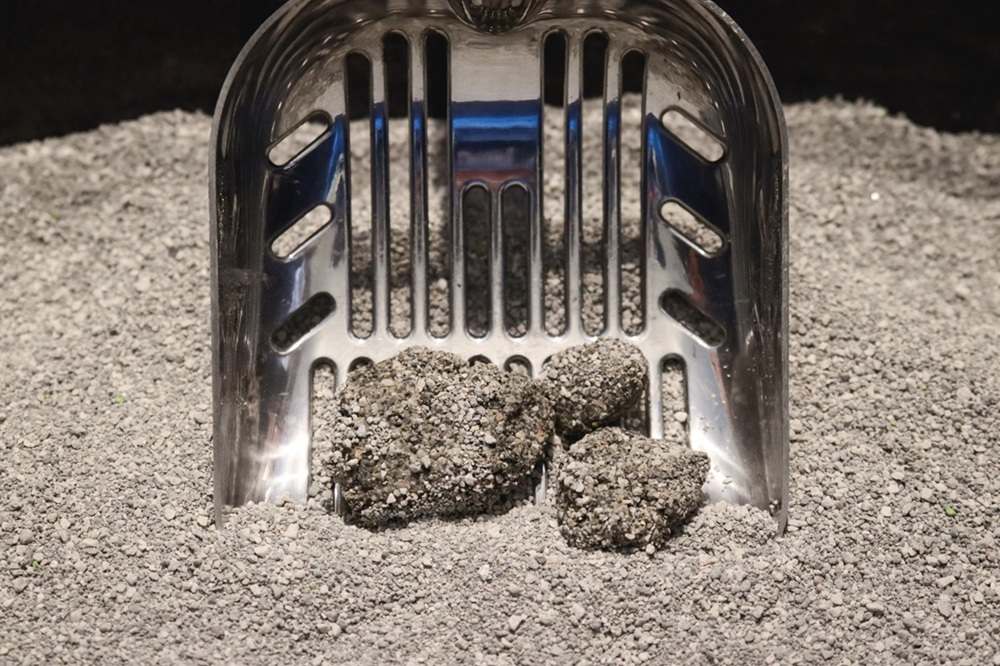
Scoop the box frequently so your cat continues to use it regularly. Kirsten McCarthy / Cats.com
Cleanliness is important for both hygiene and odor control. Remove feces as soon as possible, and remove urine every one to two days. Don’t replace all the litter at once—leave the clean areas alone as they will smell familiar and encourage repeat use of the box rather than other areas of your home. Clean litter boxes weekly using pet-safe products. Bleaches and similar chemicals can be irritating or even toxic to cats.
Bonding
16. Time Together
Spend time with your cat, either engaged in active play or just in quiet companionship to strengthen your bond.
17. Grooming
A grooming regime is excellent both for bonding and your cat’s coat hygiene, and as a chance to give your cat a general check-over. Invest in a suitable cat brush and pencil some grooming time into your schedule. This is especially important for long-haired breeds, which might need daily brushing.
18. Playtime

Most cats love to stalk and pounce on feather wands, which mimic real-life prey. Katelynn Sobus / Cats.com
Invest in some cat toys and indulge your cat with some active play. Playtime is wonderful mental and physical stimulation for cats, as well as an active way to bond.
19. Set Boundaries
Never allow kittens or cats to play with your fingers or toes as this allows biting and scratching human skin, which your don’t want to encourage. If playtime becomes a little overenthusiastic, allow your cat to “win” by capturing a toy and then leave them with their prize to calm down.
20. Petting
Enjoy some physical affection with your cat, such as stroking, cuddling, or even curling up with them for a nap! Some cats tolerate this more than others, so start slowly and gently and see how they respond.
Enrichment
21. Physical Exercise
Cats are athletic and have an instinctual need to fulfill hunting behaviors such as chasing and pouncing. If your cat is an indoor cat, provide an outlet for physical exercise such as chase toys and climbing opportunities such as a cat tree.
22. Mental Stimulation
Cats sometimes get bored and frustrated; keeping them occupied can help them be happy and prevent destructive behaviors. Puzzle feeders, treat balls, and other interactive games are valuable, especially if they are left alone for periods of time. You don’t have to buy lots of fancy accessories—cardboard boxes are often a favorite with cats!
23. Scratching Posts
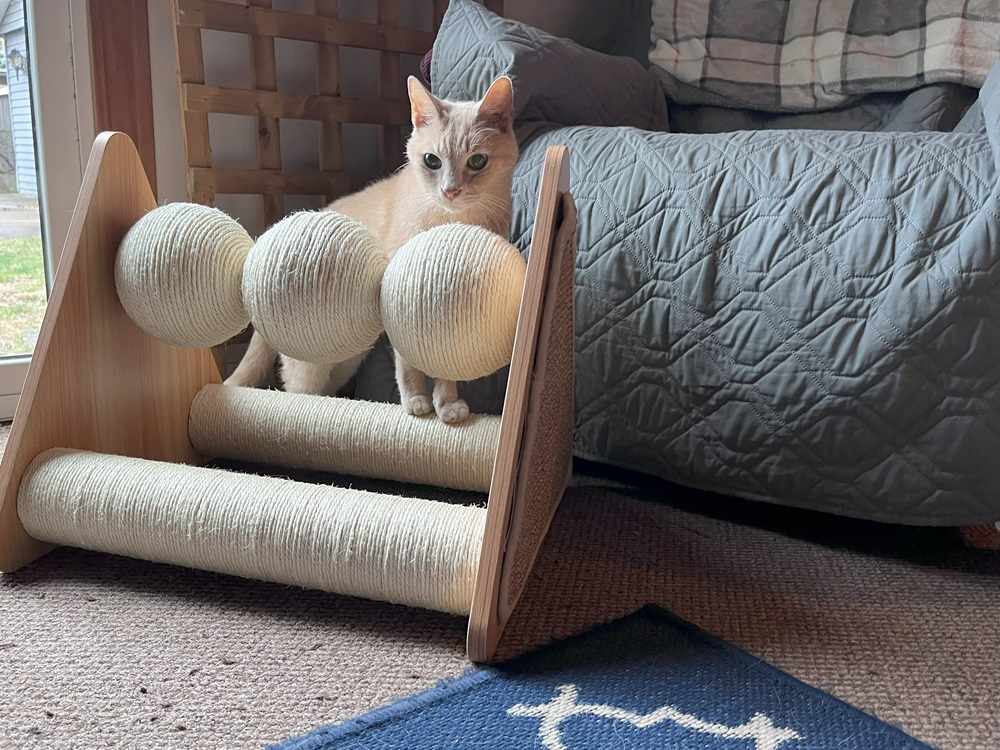
Cats like to scratch vertically and horizontally, so ideally provide both types of scratchers. Katelynn Sobus / Cats.com
Cats have an innate need to scratch. They use this activity both to sharpen their claws but also to communicate via scent glands on their feet. Give your cat a few scratching posts or other scratchers to keep their claws off your furniture and carpet.
24. Catnip
Some cats go mad for catnip, and some loose catnip or catnip mice can keep them happy and entertained for hours. Not all cats react to catnip, but some cats get a euphoric feeling when they sniff it.
25. Training
Cats are intelligent creatures and a fun way to bond with a cat is to try to teach them some basic commands. Use lots of rewards for the correct response. With some patience and repetition, most cats can learn some small tricks.
Frequently Asked Questions
What should a first-time cat owner do?
Be prepared with the basics: food, water, litter box, hiding place, bed, and toys. Set your new cat up in a small room at first, with all their needs provided, until they’ve settled in. Spend time with them, and be patient as they explore their new home.
How long does it take a new cat to get used to a new home?
Follow the rule of three: The first three days your new cat might be overwhelmed and a bit anxious. By three weeks, they should be settling in well. By three months, most cats are very happy in their home environment.
What should I do with my cat on the first night?
Have a room set up for them containing their basic resources: food, water, litter box, hiding place, bed, and toys. Spend some time sitting with them but give them plenty of space to settle in at their own pace.








How do I get my cat to sleep at night? She wants to play all night long!
Hi Chris, we have a video on that here!