
 Last updated Aug 13, 2026


Kirsten McCarthy / Cats.com
As a cat lover, you might have considered how things would be easier if your cat could understand what you are saying. Especially in difficult situations, such as the loss of a pet or even a human companion.
It is difficult to say for certain whether cats understand death but we do know that they can show behavioral changes in response to the loss of a human or animal companion. Signs of grief in a cat include changes in appetite, activity, and sleeping patterns. There are ways to help a cat cope with their grief and minimize their stress as they process the loss and absence of a companion.Key Takeaways
Does your cat understand what death is? Cats are so often misunderstood and viewed as detached, aloof individuals. But we know they have rich emotional lives. So how do they respond to the loss of a family member? Do they grieve as we do for a loved one? And if they do, how can we support grieving pets?
Do Cats Understand Death?
It is difficult to assess for certain how much cats understand the concept of death. Whether they comprehend the finality and permanence of death is something we are unlikely to find out.
However, we do know from many cat owners that some cats will show changes in their behavior in response to the loss of a companion, whether that be a canine or feline friend, or human family member. These behavioral changes indicate that cats seem to experience grief, just as we do.
The absence of a family member or companion cat may cause changes to a cat’s daily routine. As we all know, cats prefer familiarity and predictability so these disruptions can contribute to their stress. Cats are also very good at picking up on our feelings so they can detect the emotions of other grieving family members.
What Are the Signs of a Grieving Cat?
- Reduction in or loss of appetite
- Change in activity and energy levels
- Change in sleeping patterns and habits
- Becoming withdrawn and hiding away
- Seeming restless and unsettled
- Pacing and searching
- Increased vocalization such as meowing
- Seeking extra attention and being ‘clingy’
The grieving process can last from days to weeks to months. How long it takes depends on each individual cat. There is no set timeframe and can’t be rushed. But there are ways to help ease the sorrow and sadness, which we will discuss below.
What Should You Do if Your Cat Is Showing Signs of Grief?
1. Spend Quality Time With Your Cat
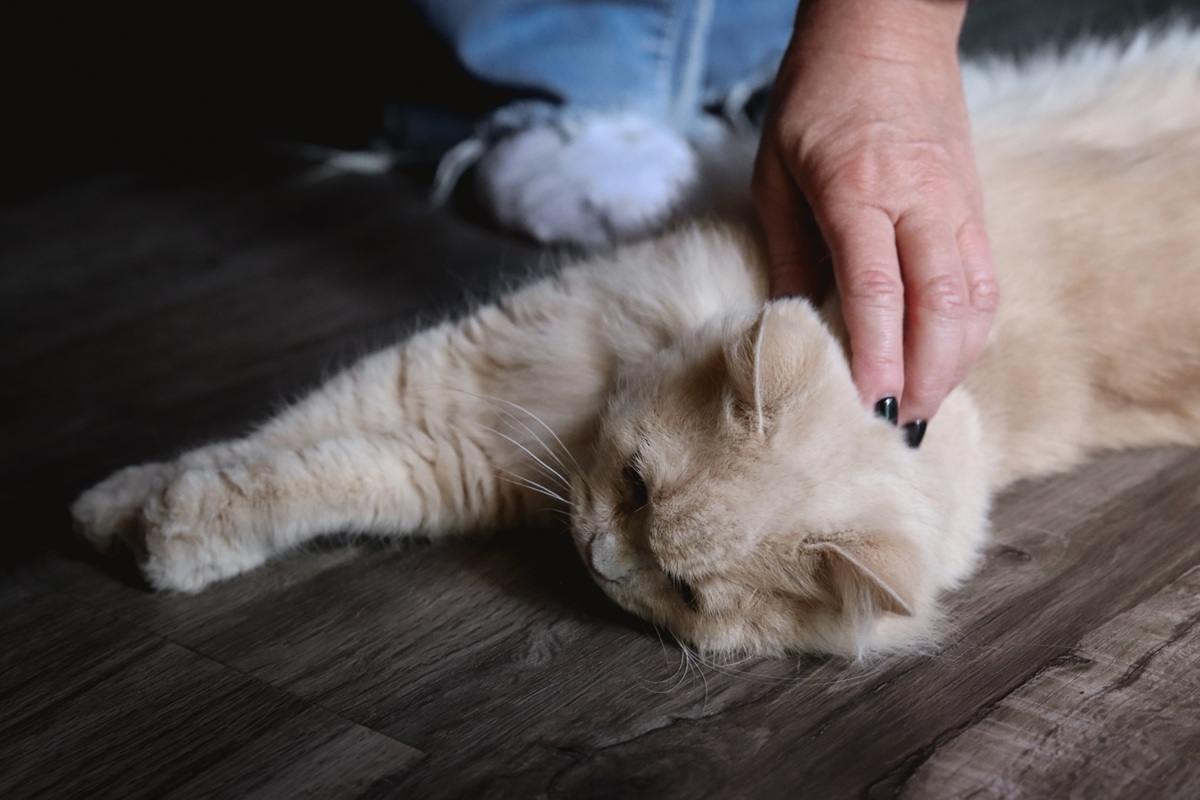
Cats may become clingy after loss, and want more contact and love from their owners. Melina Grin / Cats.com
Spend time strengthening the bond between you and your cat. If your cat is looking for more attention from you, your comfort and affection can help them through this period of emotional upheaval.
Focus on what they usually enjoy. Perhaps they like sitting on your lap for a cuddle and being fussed and stroked, playing with interactive toys, or being groomed. Take time out during the day to do these things.
And while you might think your cat needs you to be by their side all day, remember to respect their space as well. Let them come to you instead of forcing your attention on them!
2. Stick to Your Cat’s Normal Routine
Cats are very sensitive to change and any disruption to their normal routine can result in stress and anxiety. The loss of a human or animal companion will have already altered the dynamics in the household. If you can, try as much as possible to stick to a familiar daily routine for the surviving pets. In this way, you can minimize the stress that your grieving cat is experiencing.
3. Encourage Your Cat to Eat
If your cat seems to have lost their appetite, try and encourage them to eat. You can do this by warming their wet food (and taking care not to overheat) to make the meal more appetizing. Some cats may need to be tempted by hand feeding.
Never force your cat to eat as this can make things worse. If your cat hasn’t eaten at all for more than a couple of days, then it’s time to contact your veterinarian.
4. Provide an Enriched Environment
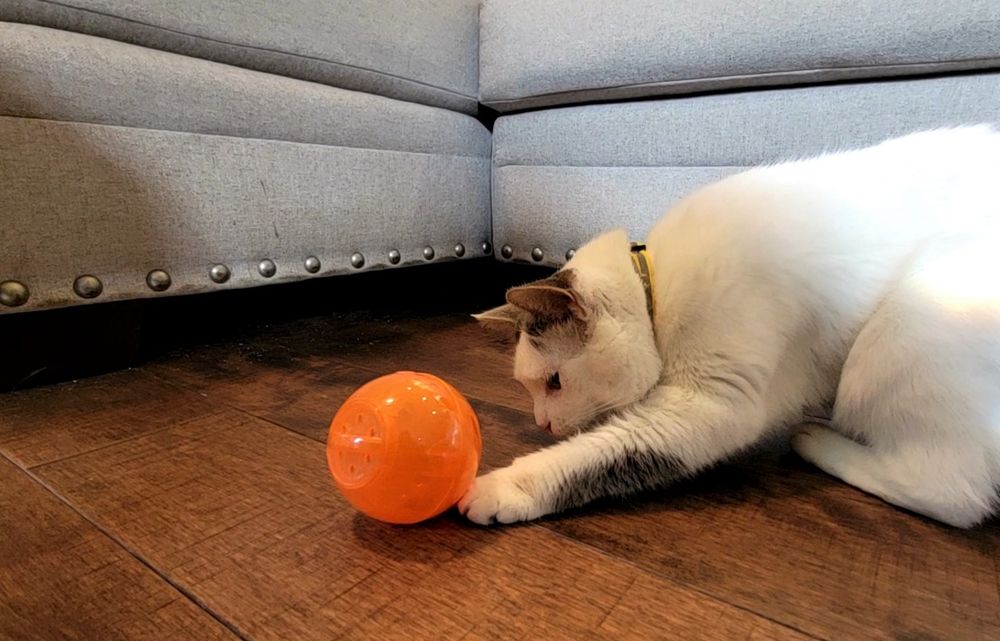
Grieving cats may benefit from some distractions, such as puzzles or toys. Kate Barrington / Cats.com
Keep your cat occupied and entertained by providing plenty of enrichment in the home. You can do this by hiding treats or food in different areas of the house for your cat to find. Consider using puzzle feeders which are great for mental stimulation. Offer toys that your cat can play with by themselves. It’s best to rotate the toys that you are offering so that your cat doesn’t become bored with them.
5. Don’t Introduce a New Companion Straight Away
If your cat has lost a feline companion, you might be tempted to get them a new best friend to keep them company. Don’t rush into making this decision as introducing a new cat too soon can add to the stress and anxiety of your surviving cat. This can then lead to further behavioral issues.
Waiting until things have settled is a better idea so that your cat doesn’t have to adjust to so many changes at once.
6. Use Calming Aids
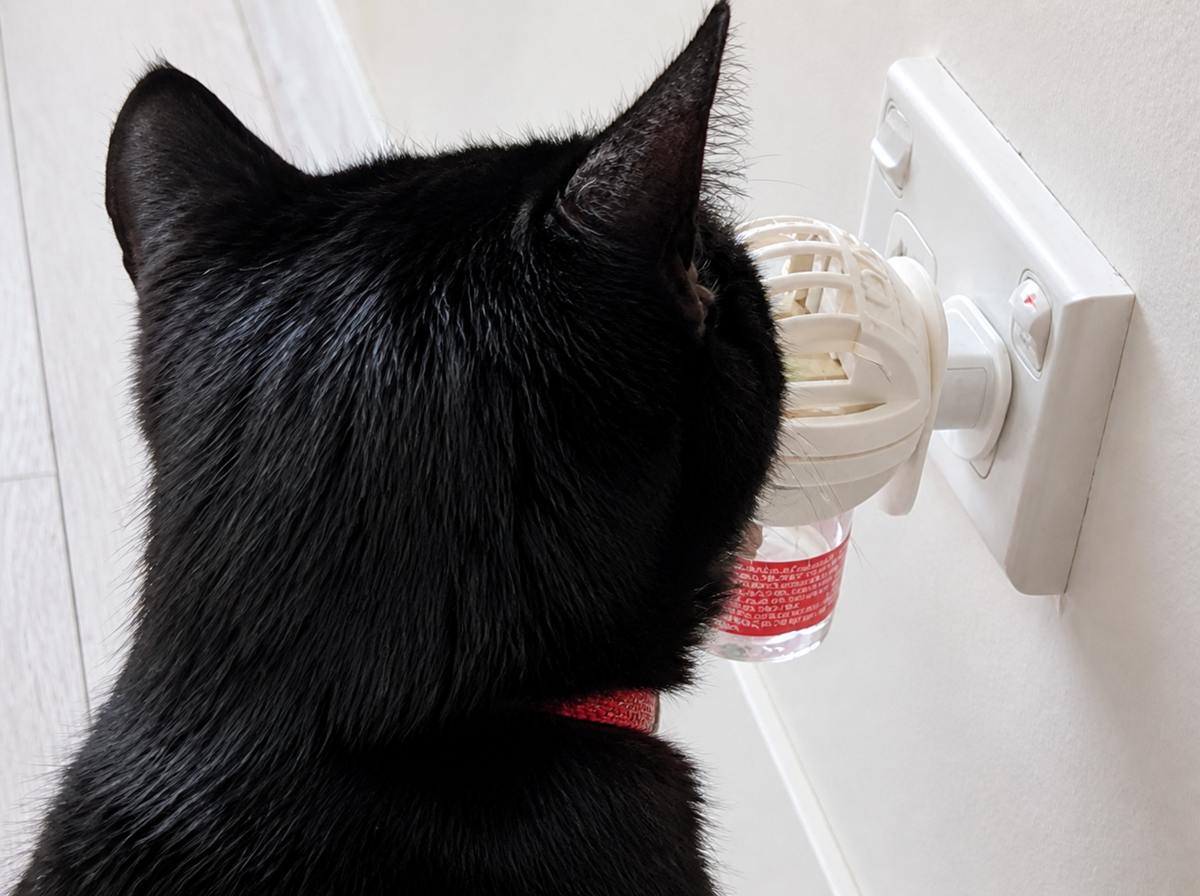
Calming aids can help your cat relax when stressed or anxious. Melina Grin / Cats.com
Consider using pheromone plug-in diffusers and sprays, like Feliway. These send your cat happy and calming messages, easing the stress and anxiety from the loss of their companion. Calming supplements are also available and can be given with food. If you are unsure which product to use, your veterinarian will gladly advise.
7. Consult Your Veterinarian
It is important to bear in mind that the signs of grief can also be signs of illness. If you see these signs or other behavioral changes in your cat, it’s recommended that you get them checked over by your veterinarian to rule out any underlying medical problems. Your veterinarian will be able to refer you on to other professionals such as behaviorists if additional help is needed to support your beloved cat.
Final Thoughts
Unfortunately, there is no way for us to explain to our cats what has happened when a death in the family occurs. However, we can anticipate that they might show behavioral changes in response to the loss and absence. These changes are consistent with signs of grief. By understanding that cats can grieve, just as we do, we can make sure to find ways to support them through these difficult times.
Frequently Asked Questions
Will my cat know that my other cat died?
It is unlikely that your cat understands what death is and the permanent nature of their companion’s loss. However, they will be aware of their absence and will respond to that change.
Do cats understand when you cry?
Cats are very good at picking up on our feelings and detecting changes in our mood. They won’t understand why you’re crying but will be able to sense your sadness and distress.
How long do cats grieve?
There is no set timeframe for how long a cat grieves. The grieving process will vary for each cat, just as it does for people. Some may show signs of grief for a few days or weeks, others may continue to do so for months.
It is also important to remember that the signs of grief can also be signs of illness. Getting your cat checked over by your veterinarian is recommended to rule out any underlying medical problems.
-
Atkinson, T. (2018). Practical feline behaviour. CABI.
-
Vetlexicon. (n.d.). Grief in cats. VIN.