
 Published Jun 8, 2026


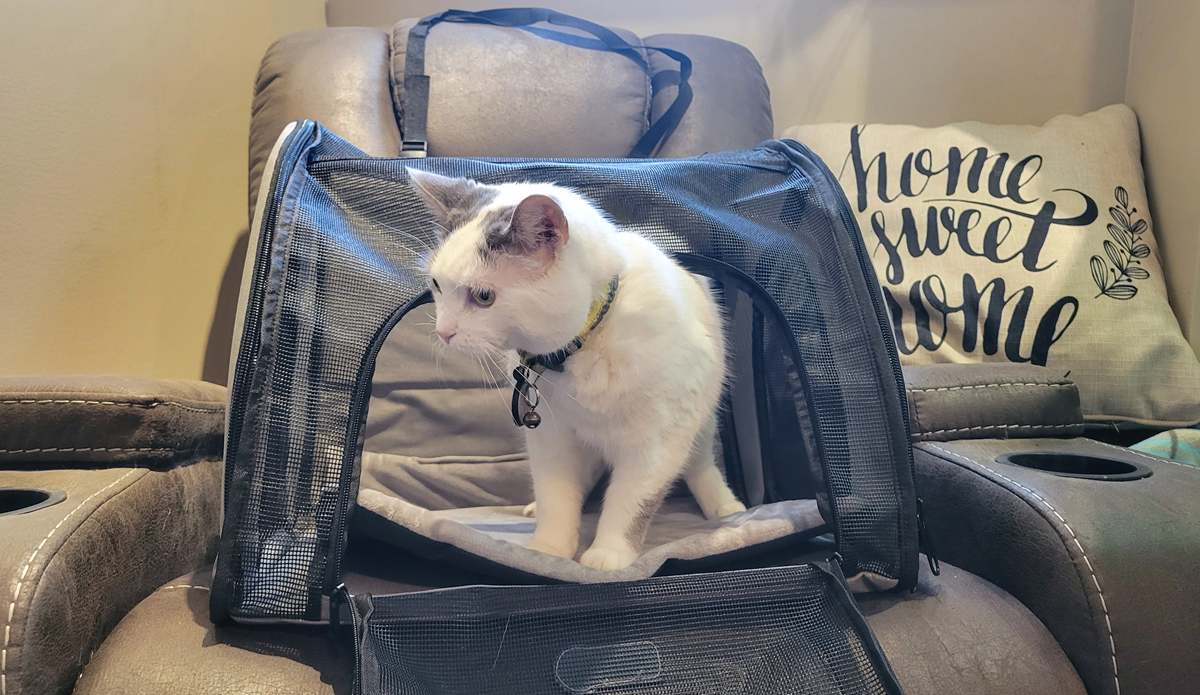
Kate Barrington / Cats.com
Pregabalin is an FDA-approved medication intended to help make veterinary visits and other stressful events easier for cats. In this article, you’ll learn what it is, how it works, dosing information, and potential side effects.
Pregabalin for Cats

About Pregabalin for Cats
Bonqat is the trade name for the FDA-approved form of the medication pregabalin for cats, manufactured by Zoetis and Orion Pharma. Per its label, it is intended for reducing stress and anxiety associated with travel and veterinary visits.
Pregabalin is very similar to gabapentin, which has been used for many years as a “pre-med” or sedative prior to stressful events for cats. Doses prior to car travel or stressful events like veterinary exams can greatly help reduce fear and reactivity and facilitate veterinary exams, vaccine administration, blood sampling, nail trims, and some other minor procedures.
Bonqat was approved in 2023 by the FDA for use in cats for similar purposes and is the only medication of this type that carries approval for use in cats. While gabapentin is still widely used off-label, there is no form of gabapentin approved specifically for use in cats.
Similar to gabapentin, pregabalin is structurally similar to the neurotransmitter gamma-aminobutyric acid (GABA). GABA is an inhibitory neurotransmitter, which is responsible for reducing anxiety, excitement and overstimulation, promotes relaxation and improves sleep.
Pregabalin’s action leads to decreasing calcium influx into cells, inhibiting the release of excitatory neurotransmitters like glutamate and norepinephrine. This is also what allows this class of medications to have some (typically mild) impact on seizure conditions.
Pregabalin, like gabapentin, provides some pain relief through impacting what is called neuropathic pain. Compared to gabapentin, pregabalin is about 5 times more potent. However, pregabalin is not labeled as a pain medication for cats, and the risk of side effects may be greater using pregabalin for extended periods when compared to gabapentin. Dosing is also very different and the two should not be considered interchangeable.
Dosing Information for Bonqat for Cats
The FDA approved dose of Bonqat is 5mg/kg (0.1ml/kg) about 1.5 hours prior to travel/transportation or a veterinary visit.
The medication is labeled to be given on 2 consecutive days if needed, but is not indicated for continuous use.
There are additional off-label dosing protocols for pain or for use for seizure disorders, which are considerably lower, but have not been supported yet with sufficient clinical studies. Dosing for these conditions should be determined carefully by an attending veterinarian and in close communication with the cat patient’s owner.
Based on the FDA labeled dosing, below is a dosing chart. This chart is intended to be used only as a guide. As Bonqat is a liquid medication, dosing should be catered very specifically to a patient’s weight in order to maximize desired effect and minimize adverse effects.
| 5 lb | 0.2 ml |
| 7.5 lb | 0.3 ml |
| 10 lb | 0.45 ml |
| 12.5 lb | 0.55 ml |
| 15 lb | 0.7 ml |
| 17.5 lb | 0.8 ml |
| 20.0 lb | 1.0 ml |
For any cats exceeding 20 lb, more than one dose will be needed, as the syringe provided with Bonqat has a maximum volume of 1.0ml.
Based on clinical trial and safety studies, the medication appears to begin wearing off after about 4-6 hours. However, it’s important to note that the manufacturer does not approve more than one dose in a 24 hour period, and not for more than 2 days in a row.
It’s important to remember that the goal in using Bonqat is to achieve a level of sedation that is acceptable for travel and/or a vet visit where a cat is less anxious and reactive to being touched or handled. Assessing the appropriate dosing for a cat should be based on how they handle travel or the stressful event/vet visit, not how they appear in a calm environment at home. After dosing, it’s important that your cat appears more tired or sedate at home, as under stimulation from travel or the vet visit, the sedation will be less profound.
Along a similar vein, some cat owners may feel better about initially trying out a dose less than the labeled dose from a safety or sensibility perspective. However it’s important to remember that this may not be sufficient for some very stressed cats once they are placed into a stressful or overstimulating environment, requiring an additional stressful experience if an exam or other needed procedures cannot be completed.
Your veterinarian or other veterinary team member can be very helpful in advising you on any dosing changes that may be appropriate based on your cat’s behavior during travel or at the veterinary clinic.
How to Administer Bonqat to Cats
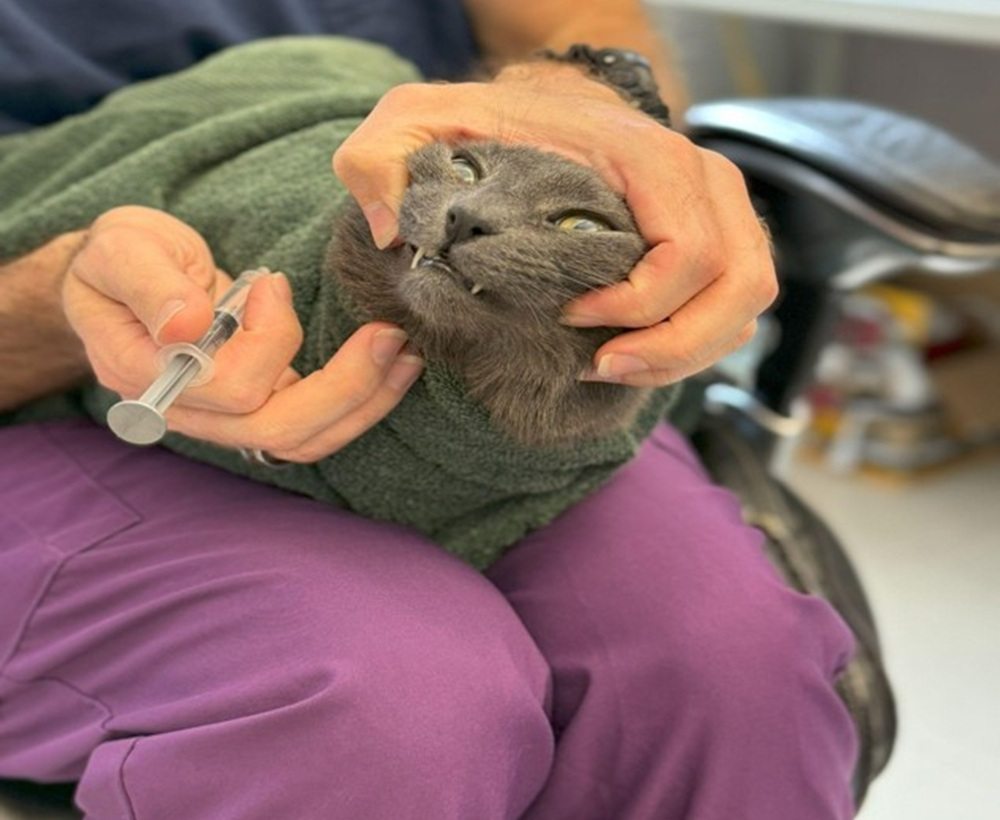
Bonqat is an oral solution, given by mouth. Chris Vanderhoof / Cats.com
Bonqat is a liquid medication that comes in a glass bottle with an accompanying syringe. Only the syringe it comes with is intended to be used.
In clinical studies, owners found the liquid medication to be user-friendly (especially compared to human/generic commercial forms of the medication) and accepted well by a majority of cats.
The product information sheet that comes in the box with the medication has a step by step picture diagram for how to draw up and administer Bonqat to your cat. Following are the main steps.
To administer a dose:
- The syringe (with the plunger fully pushed in) is inserted into the bottle after removing the cap. With the syringe in place, the bottle is turned upside down.
- The plunger is pulled back until the correct dosage in ml is reached.
- Insert the tip of the syringe into the commissure, or hinge of your cat’s mouth. This will prompt your cat to open their mouth.
- Inject the contents of the syringe into the mouth, aiming for the back of the tongue.
For tips on giving a liquid medication to cats, see our article How to Give Cats Liquid Medicine.
If administration in this way is not possible, the manufacturer indicates that Bonqat may be mixed with a small amount of your cat’s favorite food (or something liquidy like a Churu treat).
It should not be given with additional food or mixed with a regular meal, as larger amounts of food can delay the onset of medication absorption.
Side Effects of Bonqat for Cats
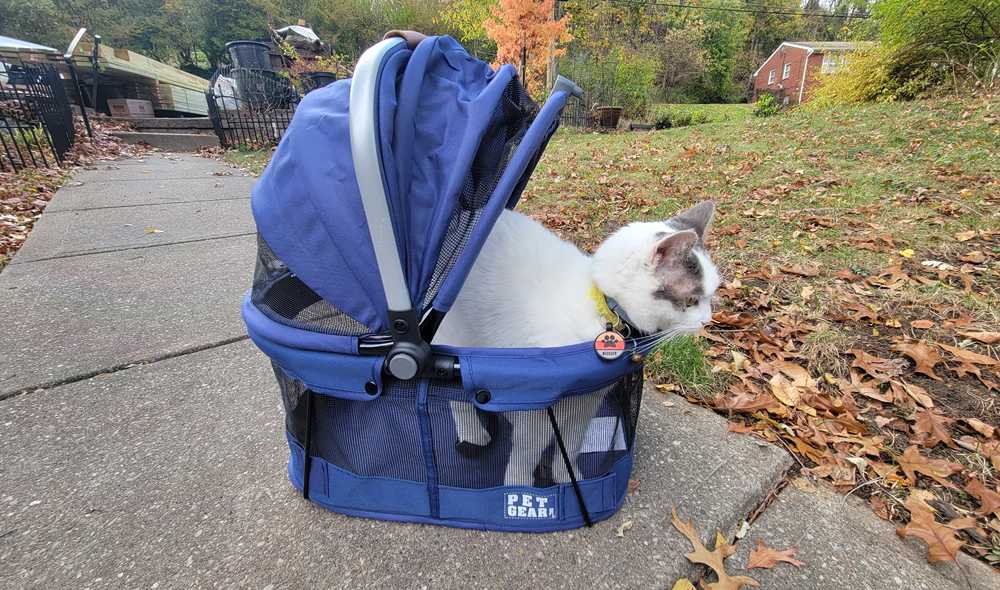
The most common side effect of pregabalin is sedation, which to some degree is desired to help with travel and stress. Kate Barrington / Cats.com
The most common side effects of pregabalin in cats are lethargy and ataxia, or imbalance when walking. In most cases, these effects are acceptable or desired, as the medication is intended for sedation.
In clinical studies, when used at the labeled 5mg/kg dose, all cats exhibited:
- Drowsiness
- Lying on their side
- Slight to moderate ataxia/uncoordinated movement behavior
- Low temperature
In the clinical trials with over 100 owned cats with ages varying from as young as 5 months to as old as 15 years, the percentages of side effects seen included:
- Ataxia (4.6%)
- Lethargy (2.8%)
- Vomiting (1.9%)
The following adverse effects were seen at less than 1%:
- Abnormal limb placement
- Muscle tremors
- Anorexia
- Weight loss
With higher doses in safety studies (15 and 25mg/kg), cats had more pronounced effects of ataxia/uncoordinated movements and sedation, though effects still wore off within 6-8 hours.
Some other side effects noted more at higher doses include:
- Low heart rate
- Some cats with low heart rate showed a reflexive spike in blood pressure
- Lower body temperature
- Increased salivation/drooling
- Closed eyes
- Vomiting
The manufacturer notes that cats may have individual differences in sensitivity to pregabalin (which can be the case with any medication). The liquid form of the medication makes adjusting the dose fairly simple if a future dose reduction is needed.
It’s important to note regarding salivation, that many cats may salivate following medication administration, especially some liquid medications. This may be more of a “bad taste” response rather than a true adverse reaction. Providing a small amount of wet food, treat, or tuna juice to counter the taste can be tried.
The goal of using Bonqat is to achieve a mild to moderately sedated appearance. And it’s important to remember that your cat may appear more sedate or lethargic at home than they will once they reach the vet’s office. If you see concerns with using Bonqat for sedation being too heavy, make sure to see how your cat does with travel and/or the vet visit first, then discuss any concerns directly with your vet based on how the visit went.
Overdose and Emergencies
If an overdose of pregabalin is suspected to have occurred, it’s best to contact one of the following, even before contacting your own veterinarian:
- ASPCA Animal Poison Control Center (1-888-426-4435)
- Pet Poison Helpline (1-855-764-7661)
Fortunately, in safety studies, the effects of Bonqat began to wear off within 8 hours. However, cats in the safety study were otherwise young and healthy.
Overdoses may be of more concern in older patients or those with other concurrent illnesses, like heart disease or hypertension.
Because sedation is an intended effect, it may be difficult to determine if your cat is responding acceptably as intended to the medication or if the dose and resulting sedation is heavier than needed. However, your cat should be very calm and relaxed, but not heavily sedated or unable to walk.
Some signs you can look for that sedation may be excessive were seen in safety studies at higher doses, including:
- Closed eyes
- Moderate to severe inability to make coordinated movements or use the back legs
- Body temperature (rectal temperature) lower than 99.0°F
Basic steps to take if you are concerned your cat received too high a dose of Bonqat include keeping your cat warm, withholding food or water until medication effects wear off, and keeping your cat in a small, safe place (such as a closet or bathroom). It’s best to stay with your cat until the effects wear off after a few hours. If you cannot, avoid keeping your cat in places where falls are a risk (bed, stairs, etc.)
Potential Drug Interactions With Pregabalin
The following are some medications that may interact with pregabalin. Unless specifically indicated, use of these medications together is not necessarily prohibited, but should be used carefully and under veterinary advice.
As Bonqat is often used prior to veterinary visits and may be used for new patients, always make sure to let your veterinary team know about any other medications your cat is taking if Bonqat is being prescribed (or for a new visit where you will be dosing Bonqat prior).
- Angiotensin-converting enzyme (ACE) inhibitors (benazepril, enalapril): in humans, administration together may increase risk for edema (fluid swelling) and hives.
- Benzodiazepines (midazolam): use together may cause added CNS and respiratory depressive effects
- Central Nervous System (CNS) Depressants (dexmedetomidine, phenobarbital): use together may cause added CNS and respiratory depression
- Opioids (buprenorphine, methadone): may cause added CNS and respiratory depressant effects
How to Store Bonqat
The manufacturer recommends storing the bottle in its box with the syringe and product information sheet.
After opening, the manufacturer recommends storing Bonqat in the refrigerator at a temperature of 36°F-46°F (2°C-4°F)
Bonqat should be used within 6 months of opening.
The manufacturer indicates that the bottle may be stored at room temperature (below 77°F or 25°C) for up to one month. That does mean that if the medication is left out by accident overnight or even for a couple days (under room temperature conditions), that it can still be used.
As this is a schedule V controlled substance and has some potential for human substance abuse, make sure to keep the bottle in a safe, secure place. Make sure to keep the medication especially out of reach of children.
When filling the syringe with medication, do not leave the filled syringe out/unattended where it may be confused with a child’s liquid medication and accidentally ingested.
-
A Budde, J., & A McCluskey, D. (2023). Pregabalin [Professional app]. In Plumb’s Veterinary Drug Handbook (10th ed.). Wiley Blackwell.
-
Cleveland Clinic. (2022, April 25). Gaba Aminobutyric Acid (GABA).
-
Zoetis & Orion Pharma. (n.d.). Bonqat (pregabalin oral solution) package insert. Zoetis.
-
Miranda-Cortés, A. E., Prado-Ochoa, M. G., Díaz-Torres, R., Pérez-Sánchez, A. P., Del Río-García, J. C., Mota-Rojas, D., & Hernández-Avalos, I. (2025). Comparison of the anxiolytic and analgesic effects of gabapentin and pregabalin in cats: a systematic review. Animals, 15(16), 2346. https://doi.org/10.3390/ani15162346
-
Lamminen, T., Korpivaara, M., Aspegrén, J., Palestrini, C., & Overall, K. L. (2023). Pregabalin Alleviates Anxiety and Fear in Cats during Transportation and Veterinary Visits—A Clinical Field Study. Animals, 13(3), 371. https://doi.org/10.3390/ani13030371
-
Lamminen, T., Korpivaara, M., Suokko, M., Aspegrén, J., Palestrini, C., & Overall, K. (2021). Efficacy of a single dose of Pregabalin on signs of anxiety in Cats during Transportation—A Pilot study. Frontiers in Veterinary Science, 8, 711816. https://doi.org/10.3389/fvets.2021.711816