
 Published Jul 17, 2026


Chris Vanderhoof / Cats.com
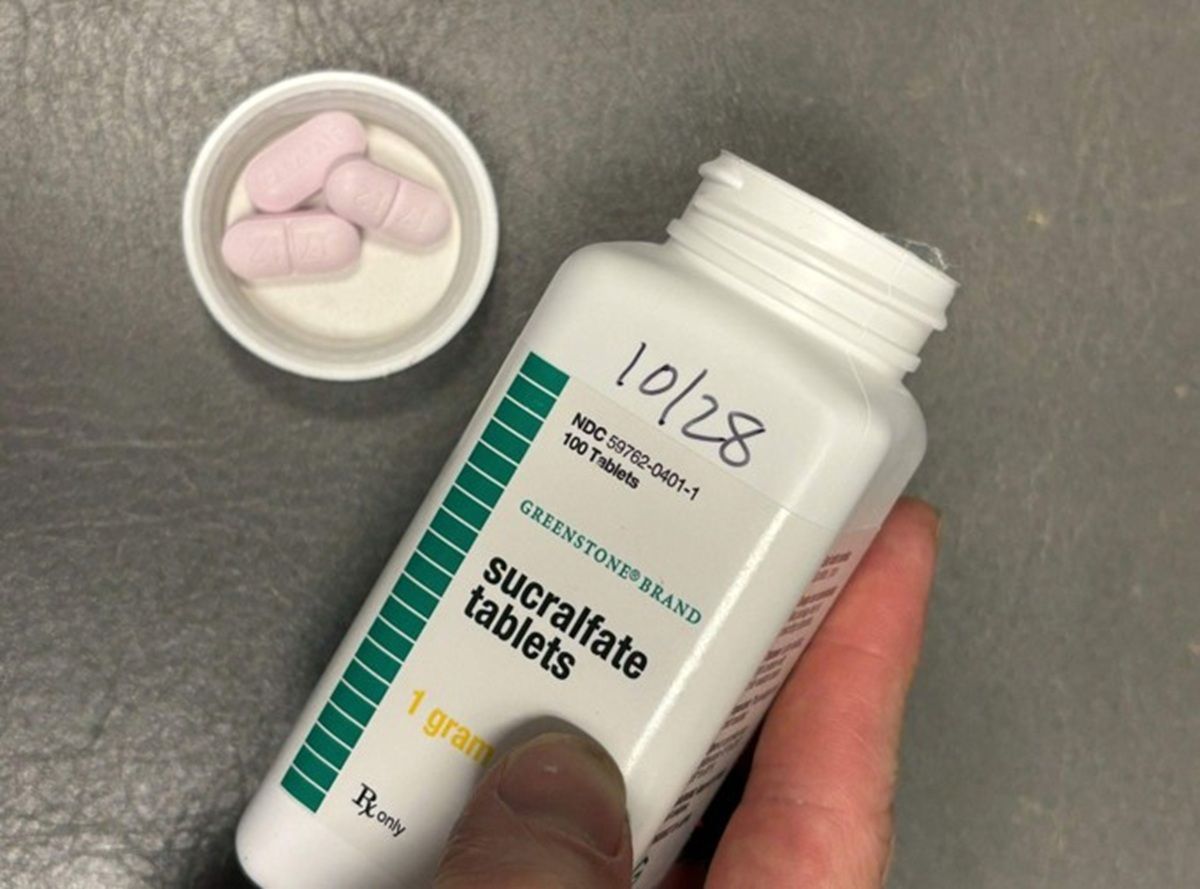
Sucralfate is a medication that may be used to directly coat and protect the GI tract if irritation or ulceration are present. This medication is not commonly used in cats, but it’s important to understand how it works if your veterinarian prescribes it for your kitty.
Quick Overview: Sucralfate for Cats

About Sucralfate for Cats
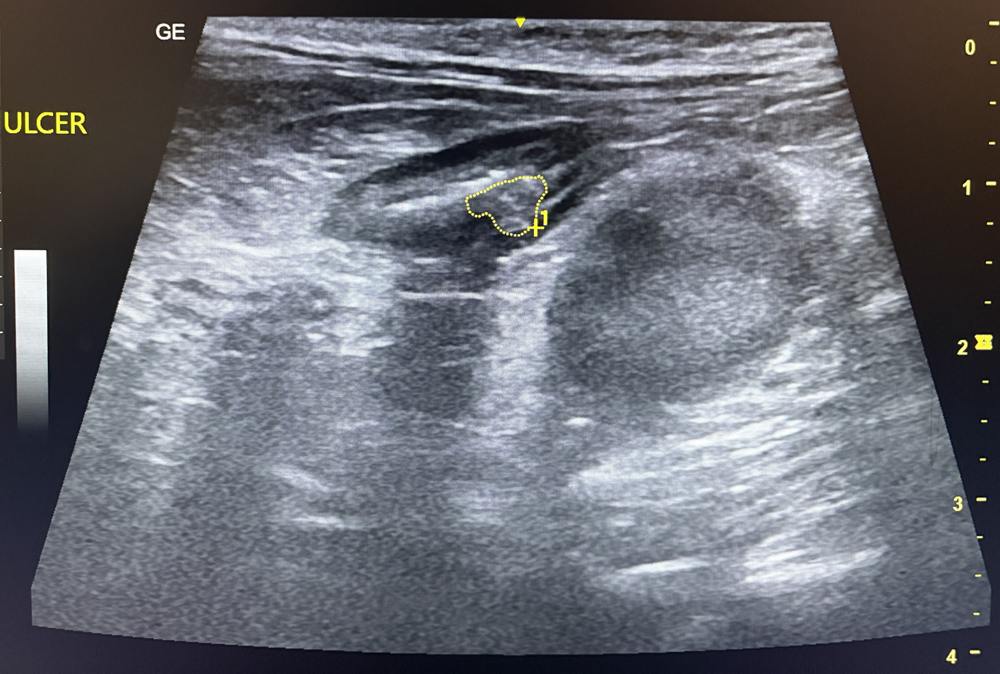
Sucralfate is used to coat stomach and small intestinal ulcers, which can sometimes be diagnosed using ultrasound, like this one in the duodenum. The grey area penetrating into the otherwise black intestinal wall and highlighted in yellow is the ulcer. Chris Vanderhoof / Cats.com
Sucralfate is an aluminum- and sucrose-based salt compound with properties that allow for coating ulcerated tissue in the early digestive tract and protection of cells against ulceration.
Unlike many medications, very little of sucralfate is actually absorbed by the body. Instead, its effects take place locally. When given by mouth, it can have an effect in the esophagus, stomach, and very early small intestine (duodenum).
Ulcerations can occur in the digestive tract for a variety of reasons. An ulcer in the GI tract is essentially a defect that occurs in the protective tissue lining. When this occurs, exposure to stomach acid and bile salts causes further damage to underlying tissue layers.
There can be multiple causes for GI ulcers in cats, including advanced kidney disease, severe stress, secondary to NSAID medications (like aspirin), and tumors (lymphoma, adenocarcinoma, and mast cell tumors).
When sucralfate is given, it reacts with hydrochloric acid in the stomach to form a paste-like consistency that binds to protein material, like fibrin, that is found at the site of an ulcer. The idea is that sucralfate can form a kind of barrier at the ulcer site, protecting it from further damage. Sucralfate can also bind bile acids that are secreted into the small intestine, some of which can be very damaging to diseased tissue.
Sucralfate has been a token medication used for GI ulceration for many years. However, in 2018, the American College of Veterinary Internal Medicine (ACVIM) released a consensus statement regarding administering gastrointestinal protectants to dogs and cats which found limited evidence that it provides a substantial benefit over use of acid reducing medications like proton pump inhibitors (omeprazole) and H2 receptor antagonists (famotidine) for gastroduodenal ulceration and erosion (GUE) in cats (or dogs). No evidence of benefits was found for use for esophagitis in cats.
Sucralfate was also not found to be superior to misoprostol if trying to prevent gastrointestinal ulceration in the event of a risk event (like a recent NSAID overdose or human NSAID ingestion).
Veterinarians with extensive experience using sucralfate may still use it in treatment for suspected ulcers or erosions of the esophagus, stomach, and intestine, as long as no significant adverse effects are expected.
Dosing Information for Cats
Sucralfate is not an FDA approved medication for cats, and is always used off-label. This is common in veterinary medicine for many medications.
It’s important to always follow your veterinarian’s advice for dosing sucralfate based on your cat’s individual situation and response to the medication.
Sucralfate comes as a 1 gram tablet. The tablet itself cannot be given directly, especially to a cat, as it is too large and bitter tasting. The doses for dogs and cats range widely from ¼ tablet to a whole tablet, though no more than ¼ tablet should likely be used for cats.
Sucralfate is typically given every 6–8 hours.
How to Administer Sucralfate to Cats
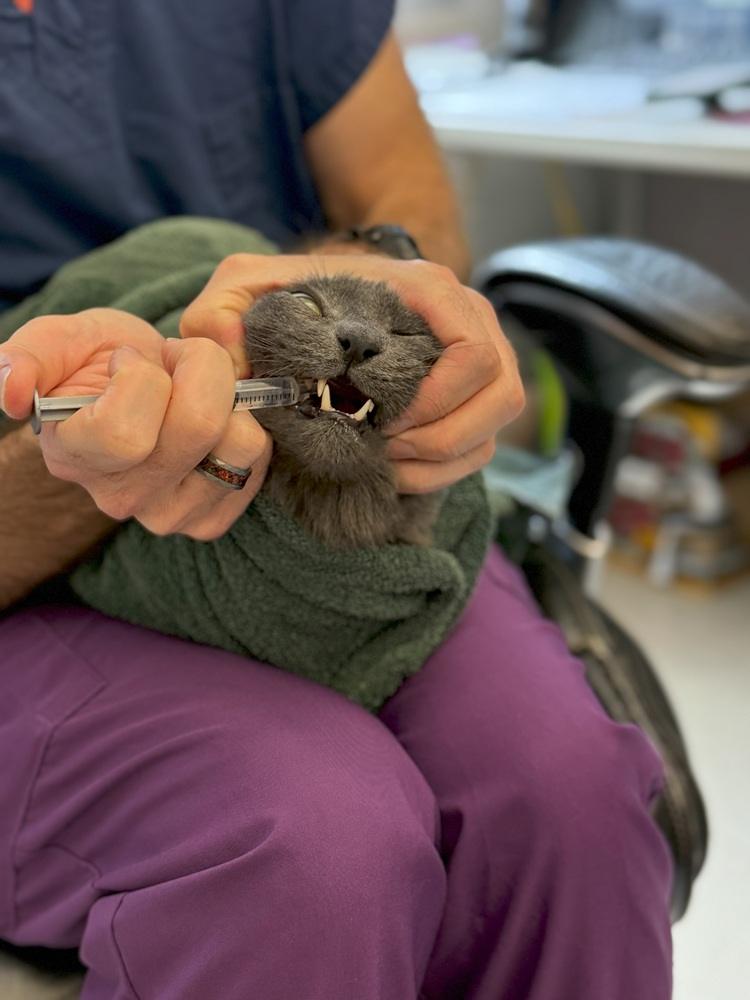
Sucralfate is given either as a liquid suspension or by dissolving the tablets in water to make a slurry and given by mouth with a syringe. Chris Vanderhoof / Cats.com
As mentioned, sucralfate comes commercially as a large, bitter-tasting tablet. Administering it in its tablet form is much less likely to exert any of its protective effects. Therefore it is common to dissolve the tablet with a small amount of water and administer this by mouth.
The tablet (or tablet piece) may be crushed in a bowl, and a small amount (1–2 mL) of water added. After mixing, the mixture can then be drawn into the syringe being used. This is probably the easiest method.
Alternatively, the syringe itself may be used by removing the plunger, inserting the tablet and a small amount of water while covering the syringe tip with one finger (to keep the water from leaking as it is added), then carefully insert the plunger, invert the syringe to allow air to rise to the tip, and carefully push the plunger in the rest of the way. The tablet can then dissolve directly in the water inside the syringe. This method requires some skill and practice.
Either way, the mixture must be given directly by mouth. This can be a palatability problem for many cats as the tablet is very bitter.
One option is to add a small amount of tuna juice to the water to mask the bitter flavor of the tablet and make it more palatable.
Trying to crush the tablet and mix it with food is very unlikely to provide any benefit. In fact, sucralfate should be given on an empty stomach so that the mixture can actually reach the GI mucosal tissue. Giving it with food will defeat the purpose of sucralfate’s intended use.
The commercial liquid suspension form may also be given, though with a concentration of 1 gram per 10ml that it comes in, you would have to give 2.5ml to provide the same amount as ¼ of a 250mg tablet.
Side Effects of Sucralfate for Cats
In otherwise systemically healthy cats, sucralfate is unlikely to cause adverse effects given that very little of it is absorbed by the body.
However, locally in the GI tract it can contribute to constipation.
In cats (as opposed to dogs), vomiting is reported more often, coupled with reduced appetite.
For this reason, many veterinarians may prefer to only use a proton pump inhibitor like omeprazole if treating gastrointestinal erosion or ulceration.
Because it may contribute to constipation, sucralfate should be used cautiously in situations where reduced GI transit time would be a risk (such as with a toxin ingestion where evacuating GI contents as soon as possible to reduce toxin absorption is necessary).
It is considered contraindicated in patients with kidney failure, as small amounts of aluminum may be absorbed and not excreted properly by poorly functioning kidneys.
Administration in cats with CKD has also been associated with more severe GI side effects (vomiting, poor appetite, constipation, and worsening kidney values).
Overdose and Emergencies
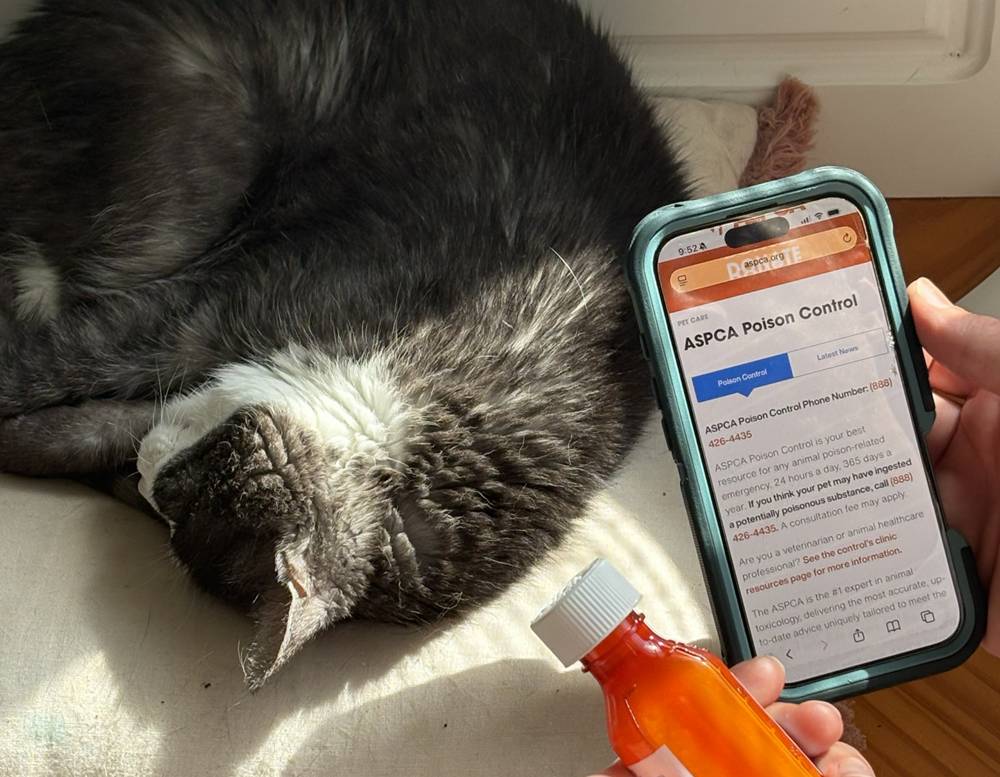
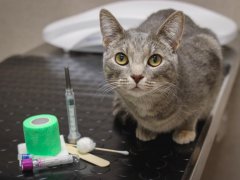
If you are ever unsure if you have given too much of a medication, given it correctly, or are concerned about medication interactions, contact your vet, ASPCA Poison Control, or the Pet Poison Helpline. Chris Vanderhoof and Annie / Cats.com
As it mostly acts only locally on the GI tract, giving too much sucralfate is likely to only exacerbate side effects of constipation, vomiting, and reduced appetite. Any systemic toxicity has not been reported.
If you feel your cat has received too much sucralfate or are concerned about related side effects, it’s best to immediately contact one or more of the following for advice:
- Your veterinarian
- ASPCA Animal Poison Control Center (1-888-426-4435)
- Pet Poison Helpline (1-855-764-7661)
Potential Drug Interactions With Sucralfate
Because sucralfate coats the GI mucosal tissue, it can prevent absorption of some medications. If your cat is taking other medications as well, make sure to give them at least 2 hours prior to giving sucralfate to give them time to absorb.
Because sucralfate acts much more locally and very little is absorbed, interactions with other medications are largely related to sucralfate interfering with their absorption. Unless specifically indicated, using these medications together is not necessarily contraindicated but should either be used cautiously, or make sure to separate their administration from sucralfate by 2 hours or more.
- Alendronate: reduced absorption
- Aluminum-containing antacids (Maalox, Mylanta): additive aluminum absorption may occur, especially in patients with kidney disease. These antacids will also decrease sucralfate’s efficacy if given together.
- Calcium and magnesium-containing antacids: may decrease sucralfate’s efficacy
- Ciprofloxacin (antibiotic): absorption affected
- Digoxin (heart medication): absorption affected
- Enteral feeding: in cats with a feeding tube receiving oral nutrition, separate administration by at least an hour or more.
- Ferrous sulfate (iron deficiency supplement): absorption affected
- Furosemide (Lasix): absorption affected
- Ketoconazole (antifungal): absorption affected
- Lanthanum (oral phosphate binder): absorption affected
- Levothyroxine (hypothyroid medication, rare use in cats): absorption affected
- Macrolide antibiotics (azithromycin, erythromycin): absorption affected
- Penicillamine (chelating agent for copper or lead toxicity): absorption affected
- Tetracyclines (doxycycline): absorption affected
- Theophylline (bronchodilating agent): absorption affected
- Fat soluble vitamins (vitamin K, vitamin E): absorption affected
How to Store Sucralfate?
Sucralfate should not be stored in a crushed form mixed with water any longer than the time it takes to dissolve it before giving.
The tablets should be stored at room temperature with allowance for mild excursions (59 degrees F – 86 degrees F). The liquid suspension requires a tighter room temperature range (68 degrees F – 77 degrees F).
-
A Budde, J., & A McCluskey, D. (2023). Sucralfate [Professional app]. In Plumb’s Veterinary Drug Handbook (10th ed.). Wiley Blackwell.
-
Marks, S. L., Kook, P. H., Papich, M. G., Tolbert, M. K., & Willard, M. D. (2018). ACVIM consensus statement: Support for rational administration of gastrointestinal protectants to dogs and cats. Journal of Veterinary Internal Medicine, 32(6), 1823–1840. https://doi.org/10.1111/jvim.15337
-
Forsythe, L., & Gollakner, R. (n.d.). Sucralfate. VCA Animal Hospitals.
-
PubChem. (n.d.). Sucralfate. PubChem.
-
Liptak, J., Hunt, G., Barrs, V., Foster, S., Tisdall, P., O’Brien, C., & Malik, R. (2002). Gastroduodenal ulceration in cats: Eight cases and a review of the literature. Journal of Feline Medicine and Surgery, 4(1), 27–42. https://doi.org/10.1053/jfms.2001.0148