
 Last updated Mar 9, 2023


Kirsten McCarthy / Cats.com
Should cats eat chicken bones? They do love chicken, after all. With a cat’s excellent sense of smell, even the faintest scent of chicken will typically bring them running in the hope of tasting some of this delicacy. If your cat is partial to this tasty treat, has a streak of mischief in them, and has managed to eat chicken bones, you are probably wondering if you should worry.
Both raw and cooked chicken bones do pose certain threats to cat health, including damage to the gastrointestinal tract, blockage, choking, and infection. If your kitty has gotten their paws on a chicken bone and has eaten it, then read on to find out what to do next.
Why Shouldn’t Cats Eat Chicken Bones?
Cats are obligate carnivores, and wild cats hunt and feed on birds and other small animals, including their bones and raw meat. However, the usual prey for these feral cats is much smaller than a chicken. Smaller bones (such as small wing bones) are more likely to get crunched up and pass through the cat’s digestive tract.
Problems can still occur, however; parasites, worms, and digestive tract disorders can all be life-threatening in these populations.
Here are some of the common risks of cats eating chicken bones.
1. Damage to the Digestive System
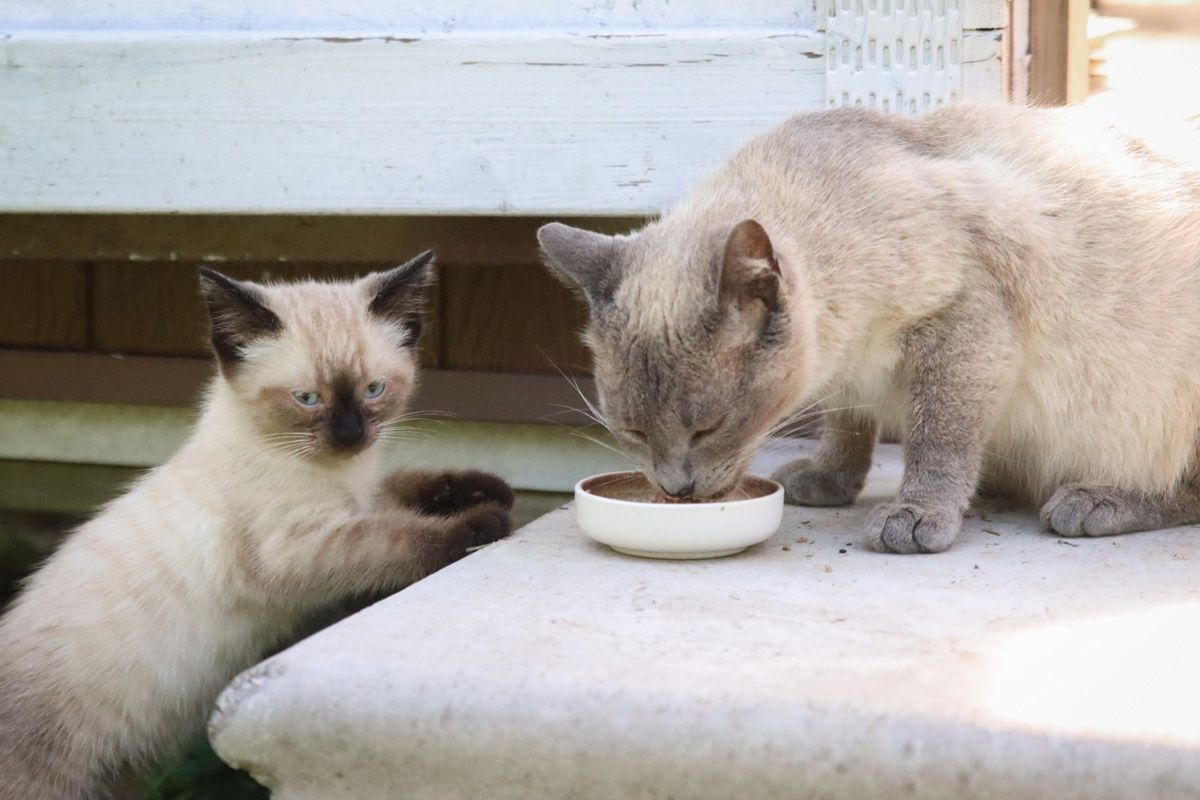
Chicken bones can do unseen damage to your cat’s GI tract. Kirsten McCarthy / Cats.com
The internal workings of cats are delicate. Hard, brittle bones have the potential to do unseen damage. Bones take a long time to digest, even after the cat chews them, and can form a hard, solid gastrointestinal blockage that requires major surgery to resolve.
Cooked chicken bones can be even more dangerous, as they tend to be more brittle and splinter easily. These small shards can then puncture and tear the cat’s stomach, esophagus, intestines, and even other internal organs. Raw bones are less likely to splinter, but still cause blockages and tears.
Symptoms of gastrointestinal damage or blockage include vomiting, diarrhea, not passing any poop, lethargy, not wanting to eat, and fever. The vomit may include blood if tearing has occurred.
2. Infection
Raw food carries health risks for cat owners as well as their pets. Bacteria such as Salmonella and Campylobacter can be carried on raw meat, and cause illnesses such as severe vomiting and diarrhea. These microorganisms can then multiply and pass from your cat’s saliva and poop onto people, causing symptoms of food poisoning.
Vulnerable humans such as children, the elderly, and the immunosuppressed are more likely to contract an infection in this way but these infections can cause disease in anyone.
Symptoms of infection include vomiting, diarrhea, lethargy, fever, and collapse.
3. Choking
Eating a hard object such as a bone always carries a choking hazard. Bones can get lodged across the top of your cat’s mouth or in your cat’s throat, causing irritation and even tearing to the sensitive tissue. Bones that are accidentally inhaled become lodged in the trachea (windpipe), causing breathing difficulties that could be fatal.
The size of the bone is crucial here – it is a common myth that smaller bones such as a chicken wing are less dangerous, as these smaller pieces can still easily block an airway or food pipe.
Symptoms of chocking include gagging, retching, drooling, pawing at the mouth, struggling to breathe, and collapsing.
When to Worry and What to Do
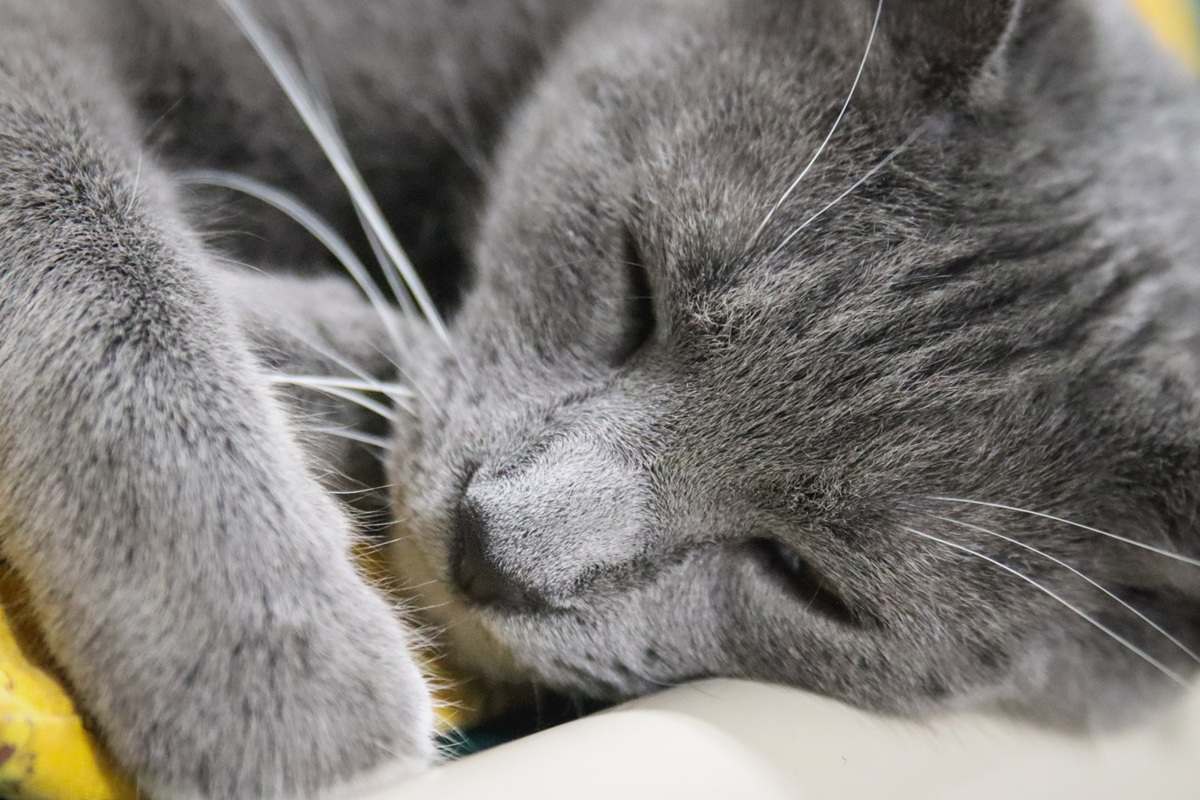
Monitor your cat closely after they have ingested a chicken bone. Kirsten McCarthy / Cats.com
If your cat has eaten raw chicken or a chicken bone, don’t panic. In some cases, the bone may be digested and pass through without any problems. Your cat may just experience mild gastrointestinal symptoms, such as diarrhea.
Here are some immediate actions you can take:
- Check your cat immediately for any signs of distress, including difficulties in breathing, gagging, pawing at the mouth, or choking.
- Keep your cat indoors, or somewhere safe to keep a close eye on them.
- Make sure that any other bones or meat are safely put away.
- Call your veterinarian, and follow their advice.
- Feed your cat a soft, bland diet for a few days to help cushion any bone fragments and calm any potential irritation to the intestines.
- Monitor your cat closely.
Pay attention to your cat’s appetite, stool, and general well-being for the next few days. If they seem at all unwell, take them to a veterinarian. Bones are usually easy to find on x-rays, and your vet can check that everything looks okay internally. If bones cause a tear or an obstruction, major surgery may be required, which is not without substantial risk to your cat at a steep cost.
Aren’t Chicken Bones Good for Cats?
Some enthusiasts tout the health benefits of bones for cats and believe that cats should eat chicken bones. It is true that bones are a source of minerals such as calcium, magnesium, potassium, and phosphorus. However, high-quality, balanced cat food (either wet or kibble) will also contain all of these micronutrients and more. These cat foods are available without the safety hazards associated with feeding bones.
If you really want to include bones in your cat’s diet, try adding some bone broth to your cat’s usual food. Nutrition is vitally important for so many functions in life, so making sure that your cat’s diet is both safe and nutritionally correct for their age and lifestyle is a part of responsible pet ownership.
Cats and Chicken Bones: Final Thoughts
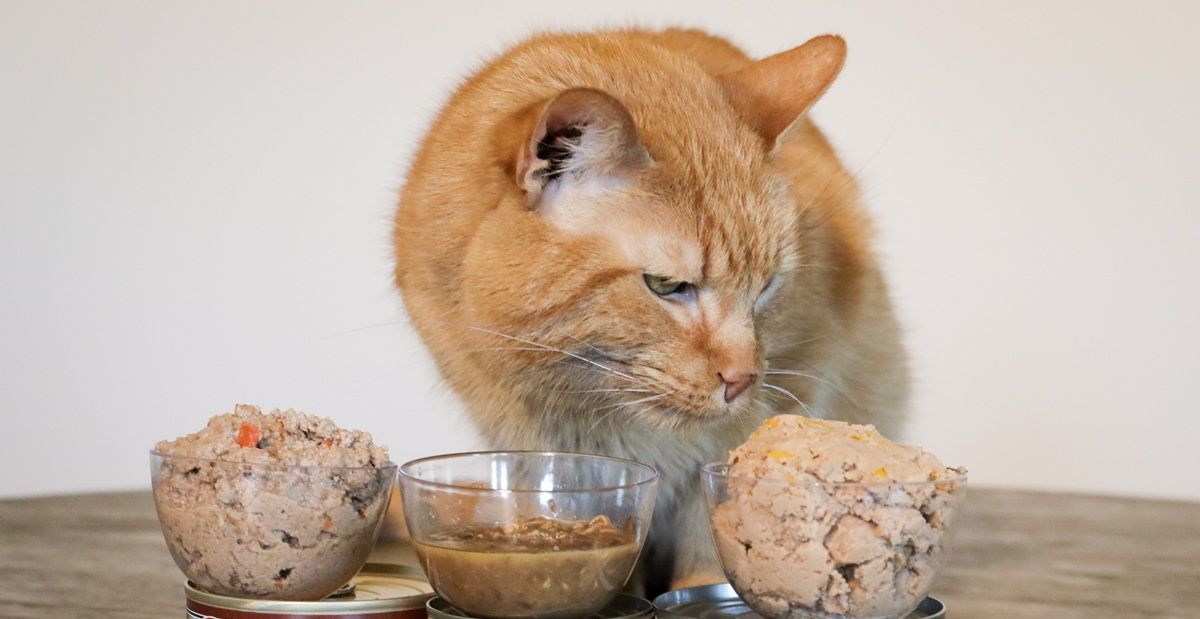
Quality cat food and a balanced diet are key to a healthy cat. Kirsten McCarthy / Cats.com
Bones can cause multiple problems for cats if eaten, including choking, obstruction or tearing in the digestive tract, and infection. Cooked chicken bones are the riskiest as they are more likely to splinter and cause damage. That being said, raw bones should also be avoided. There is little debate on if cats should eat chicken bones, especially if they can be fed bone broth instead. The bottom line is if your cat has eaten chicken bones, speak with your veterinarian.
Frequently Asked Questions
Can a cat digest a chicken bone?
Bones take a long time to digest, and bones will often pass straight through the digestive tract. They can cause damage whilst in transit, including tearing, obstruction and infections. If your cat has eaten a chicken bone, seek veterinary advice.
How long does it take a cat to pass a chicken bone?
Bones usually take 12-24 hours to pass through the digestive tract. They are very hard and can splinter easily, and can cause damage, obstruction or infection as they pass through. Veterinary advice should be sought if a chicken bone is eaten by a cat.
Can bones be digested by cats?
Small bones can be digested but take long to do so. They can cause problems in the digestive tract such as damage, obstruction and infection. Cooked bones are particularly dangerous as they can easily splinter.