Published Oct 16, 2026


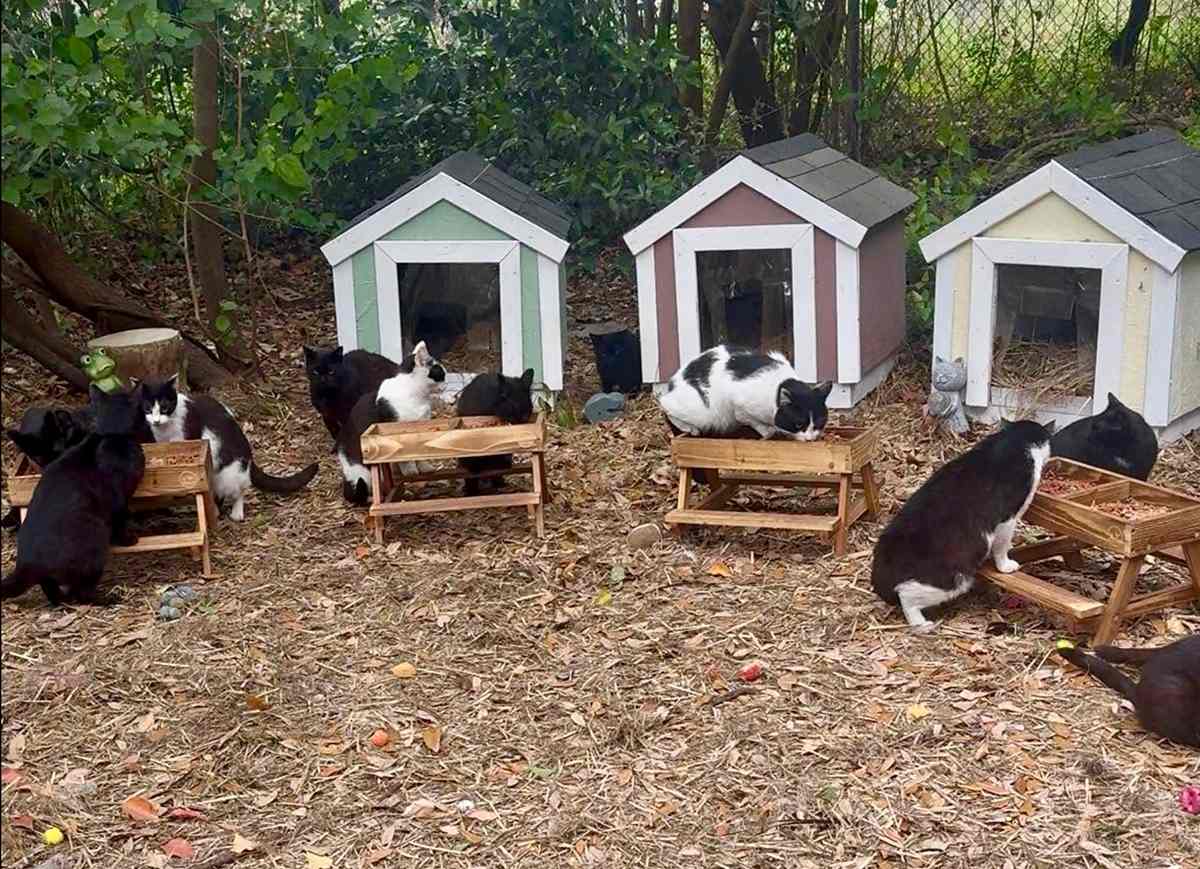
Courtesy of Heather Perez / Whiskerwood Village
The biggest undertakings often start out small. When Heather Perez started feeding a group of stray cats living in a parking-lot area, she probably never could have imagined that she’d one day be raising money to purchase land where the cats could have a safe, permanent home.
“My husband actually noticed the cats first and showed me,” Perez said. “When I went out there, a bunch of cats started jumping out of the bushes. I realized pretty quickly that this wasn’t just a couple of stray cats—there was an entire colony living there.”
Now, Perez and her husband, Alex, hope to purchase about an acre of land in or around Charleston, South Carolina, where they can create a sanctuary for the colony. Their vision includes secure outdoor areas and shelters to protect the cats from the elements. They launched a GoFundMe on August 15, 2026, with a fundraising goal of $100,000 to help purchase land and establish what they’re calling Whiskerwood Sanctuary. As of October 2, Perez’s campaign had raised more than $36,000.
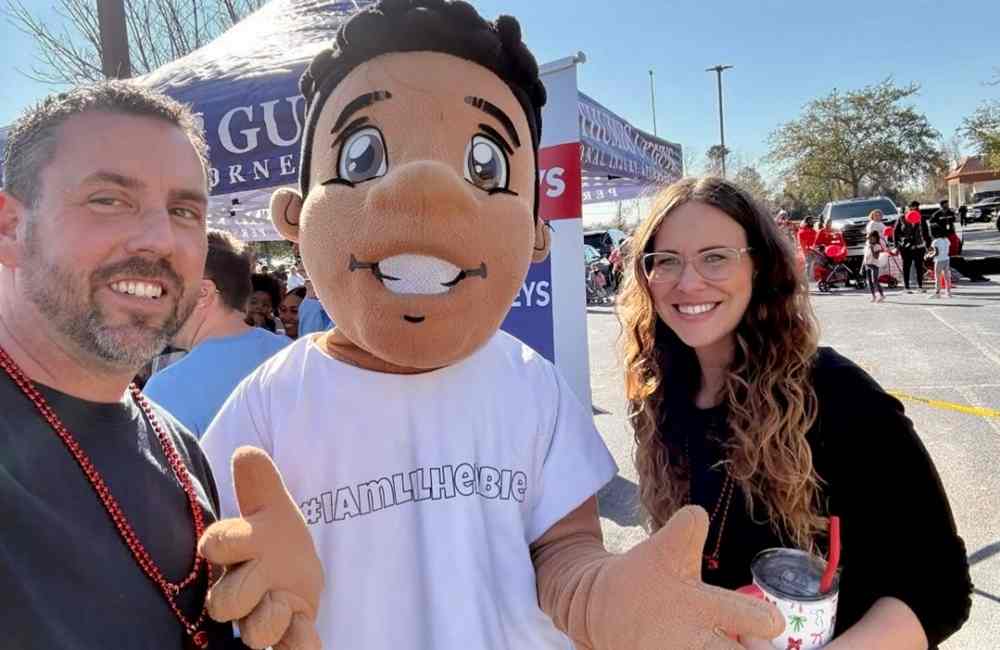
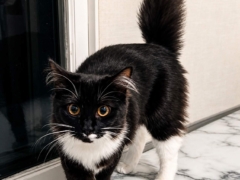
Heather and Alex Perez hope to create Whiskerwood Sanctuary on about an acre of land near Charleston, South Carolina. Courtesy of Heather Perez / Whiskerwood Village
Perez started bringing the cats food and water. She eventually got to know them better, giving them names and learning their personalities. Over the last two years, she’s organized TNR (trap-neuter-return) efforts to get the cats spayed or neutered, arranged veterinary care, and found homes for friendlier cats who could thrive in a home setting.
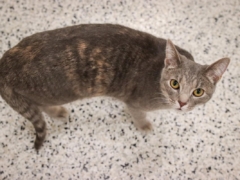
She and her husband also built shelters for an estimated 50 to 70 community cats. She started calling the space Whiskerwood Village and created social media pages on Instagram, Facebook, and TikTok so other cat lovers could follow the cats’ progress.

Courtesy of Heather Perez / Whiskerwood Village

Courtesy of Heather Perez / Whiskerwood Village

Courtesy of Heather Perez / Whiskerwood Village
According to Perez, what began as a small act of kindness has grown into a community of people rooting for the cats. “They started recognizing me and waiting for me, and I started realizing how much they depended on that routine,” she said. “Watching cats that were terrified of me slowly learn to trust me has probably been one of the most rewarding things. And seeing other people fall in love with them through Whiskerwood has been incredible.”
Over time, Perez came to realize that the cats’ current home wasn’t guaranteed to remain available to them. “The hardest part is knowing that I can’t control everything around them,” she said. “I can feed them, get them fixed, give them shelters and medical care, but at the end of the day they’re still living on property that isn’t mine. That’s probably what pushed me toward wanting a permanent place for them more than anything.”
Perez hopes the new property will give the cats a secure place to live without the uncertainty of being asked to leave.
“I picture secure outdoor areas, shelters, trees, places to climb and explore, and a climate-controlled container building where they can get out of the heat, cold, or bad weather,” she said. “During relocation, the cats would stay in secure enclosures in their groups while they acclimate to the new property. After that, I want it to feel like their own little village.”
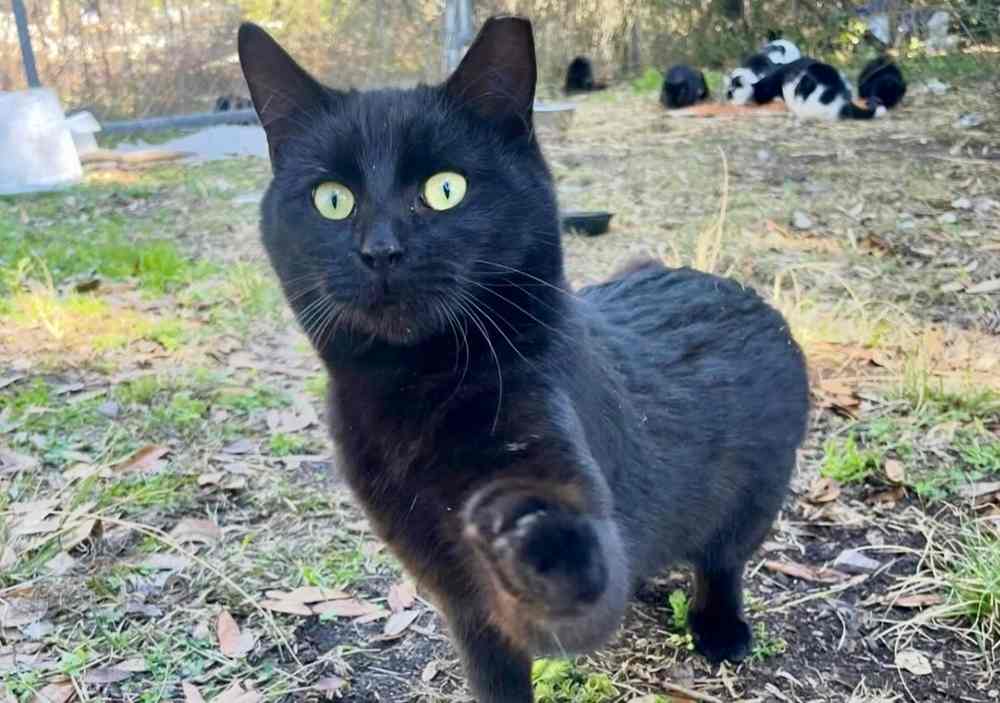
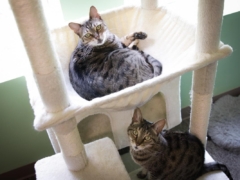
The Whiskerwood cats have built an online following, helping Perez share their story and raise awareness for the sanctuary effort. Courtesy of Heather Perez / Whiskerwood Village
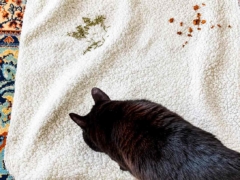
Online, the cats have become more than a colony Perez cares for. With their individual personalities on display, they’ve developed quite the following as people check in to watch their antics and keep up with Perez’s plans to create Whiskerwood Sanctuary. That growing audience also gives her a way to share the colony’s story and raise awareness of the effort to secure land for the cats. Some individual cats are especially popular, including a black cat named Carl, whose outgoing personality has made him a Whiskerwood fan favorite.
“That’s what I love about sharing the colony,” Perez said. “People start realizing these aren’t just ‘feral cats.’ They’re individuals. They have friendships, routines, favorite places to sleep, and their own little personalities.”