

 Last updated Feb 28, 2023


Kirsten McCarthy / Cats.com
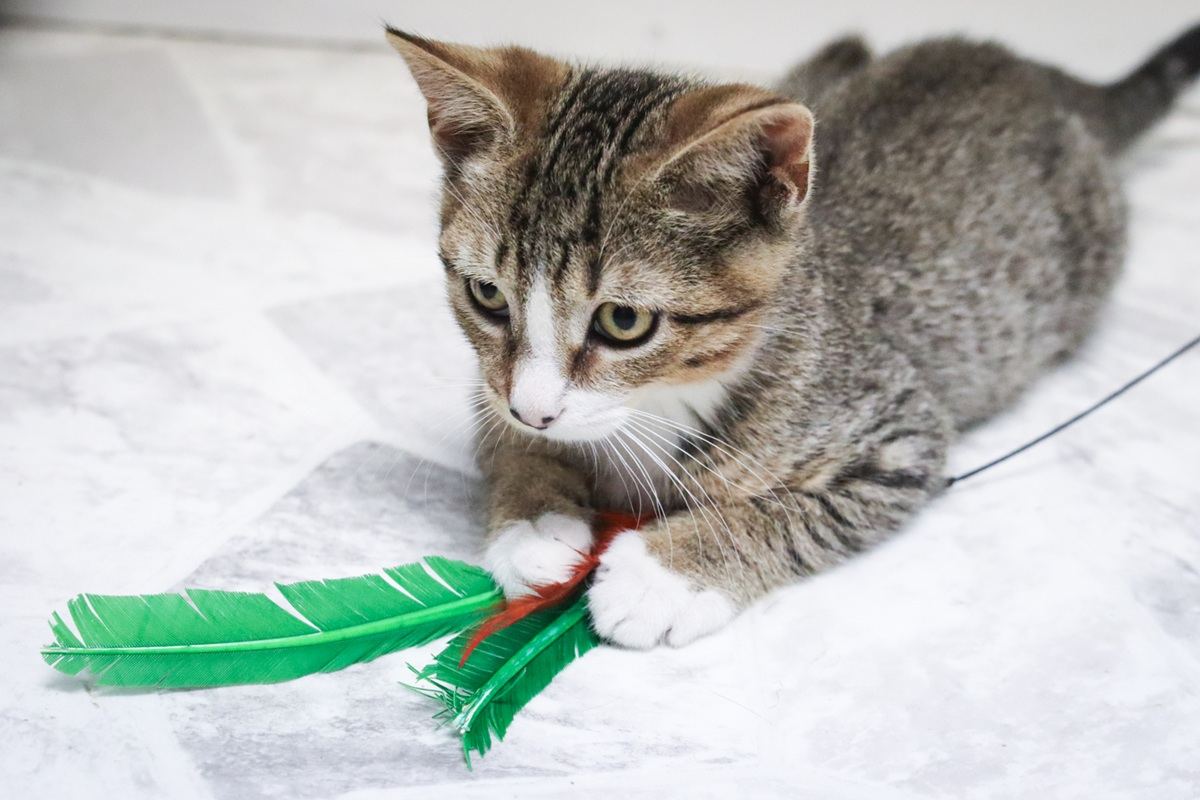
Are you thinking about taking on a new cat? This is an exciting prospect, and a new pet can bring much joy and companionship to our lives. However, taking on a new pet, whether through cat adoption from a shelter or buying a kitten, is a big responsibility.
Planning ahead can make your new cat or kitten's transition into the family seamless. Gather everything you need before bringing your new cat home and pet proof the house to make sure they don't get into something dangerous. When you first bring your cat home, set them up in a safe, enclosed room with food, water, litter tray, scratching post, toys, bed, and hiding places.Key Takeaways
Your new family member might be with you for well over a decade! Bringing a new cat home can be very fulfilling, fun, and wonderful for both cat and owner, but being well prepared is key for a harmonious relationship and a happy, healthy pet.
Take a look at our checklist to make sure you’re ready for your next adventure!
1. Choosing a Cat
My own two cats both fell into my life slightly by accident—one was dumped on the doorstep of the veterinary practice I was working at, and I took her home “for the weekend” (more than eight years ago!). The other was an urgent rehome due to a child’s allergies.
Sometimes fate plays a role in these things, but most people take on a net cat through slightly more conventional means. There are advantages and disadvantages to everything, so how you find your new pet will be in a way that is right for you and your individual circumstances.
Here are some common ways to find a new cat:
- Breeders: If you’re looking for a pedigreed kitten, finding a responsible and knowledgeable breeder is really important. Use reputable resources such as The Cat Fanciers’ Association or The International Cat Association to help you.
- Adoption: A huge number of shelters and rescue groups are caring for cats that are looking for their forever homes. Shelters and rescues will likely have kittens, adult cats, and older cats suitable for adopters of all circumstances. The group should try and match you with a cat that will suit your lifestyle.
- From a pet home: Often, friends and neighbors might be wanting to home a cat or kitten, perhaps from a litter or even through a change in circumstances.
- Pet shop: Purchasing a kitten through a pet shop is becoming less common and is not recommended. Kittens in this environment cannot be seen with their mothers, are more prone to the spread of infectious diseases, and are often kept in crowded conditions.
- Advertisements and dealers: There are unscrupulous people about, hoping to gain financially through their animals, so all sources should be carefully vetted before acquiring a pet this way.
2. Preparation

Ideally, you should have everything you need before bringing your new cat home. Katelynn Sobus / Cats.com
Before you introduce your cat to their new surroundings, it is really important to be well prepared. A smooth transition to their new home will help a cat settle more quickly, be less stressed and form a strong bond with you.
Let’s go through some home essentials to acquire before you bring your cat home.
3. Make Your Home Cat Safe
Cats are inquisitive creatures, and kittens can be especially mischievous. Take a walk around your home, looking carefully for any potential hazards. Furniture such as bookcases should be secured so that they won’t fall if a cat jumps onto them, small holes and chimneys should be blocked up and electrical wires should be tied away out of reach.
Some household plants such as lilies can be very toxic to cats, as can chemical products such as laundry liquid or bleach.
You should also make sure your cat is safe by providing them with the correct identification. An ID tag on a collar is one option, or use a microchip that cannot accidentally fall off or be removed.
4. Provide Key Resources
All cats have some basic needs, and some thoughtful extras will help your new kitty settle in happily. Let’s go through the list.
Cat Food and Fresh Water
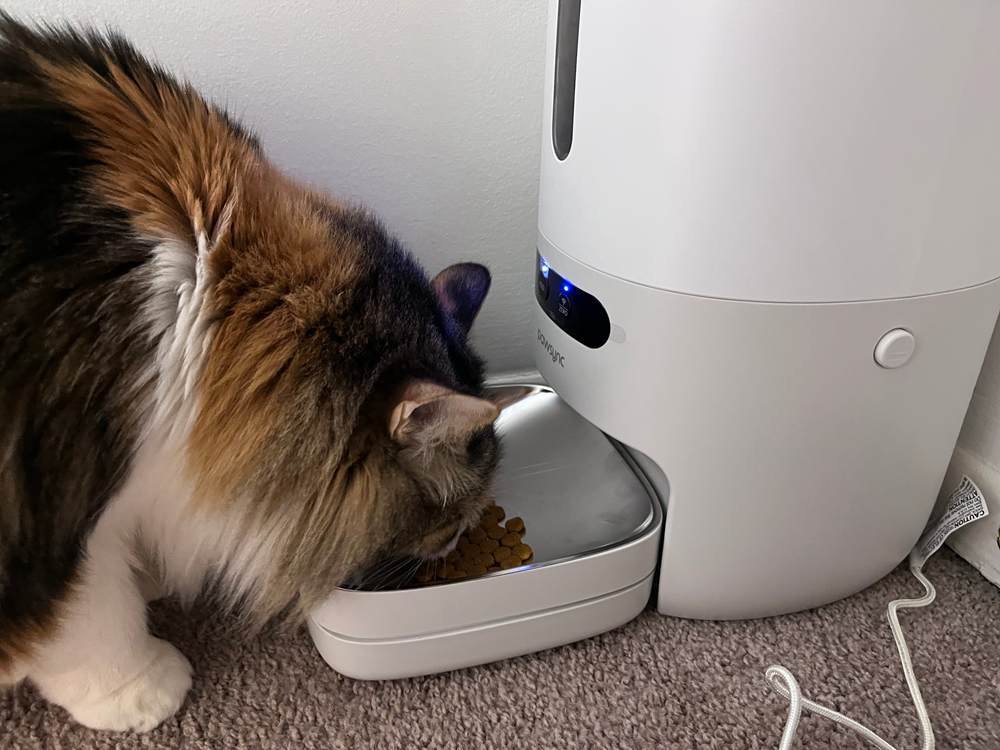
Automatic feeding bowls can be programed to open and close at fixed times. Katelynn Sobus / Cats.com
Your cat or kitten needs a diet that is nutritionally complete, and balanced for their age and lifestyle. This can be a dry food or wet food, or a combination, as long as the correct amount is fed for their weight.
Choose bowls that are made from a material that is easily cleaned, such as stainless steel, and are wide enough that the cat can eat without their whiskers touching the sides. Don’t place the food bowl too close to any water dishes, and keep it far away from the litter box.
Some cats prefer a water fountain to a water bowl. Have some cat treats handy for use in bonding, rewarding good behaviors, and if you need to tempt a nervous cat to eat.
Cat Litter
Provide a cat litter box of suitable size (about 1.5 times the length of your cat), in a quiet and private area. You should ideally have more litter boxes than cats, in various places around the home. Some cats prefer covered boxes, others like open trays.
Cats mostly prefer fine, sandy types of cat litter, and the clumping kind is easier to scoop. Keep trays clean for good hygiene, as bad odors can be off-putting for cats, leading to inappropriate toileting behavior.
Beds and Hiding Places
Cats love a snooze, and a cozy bed and blankets will be much appreciated. When your cat first arrives, they may want to hide away somewhere secure to observe their new surroundings. Felines love to be up high, so some accessible shelves or perches are recommended.
Cat Carrier
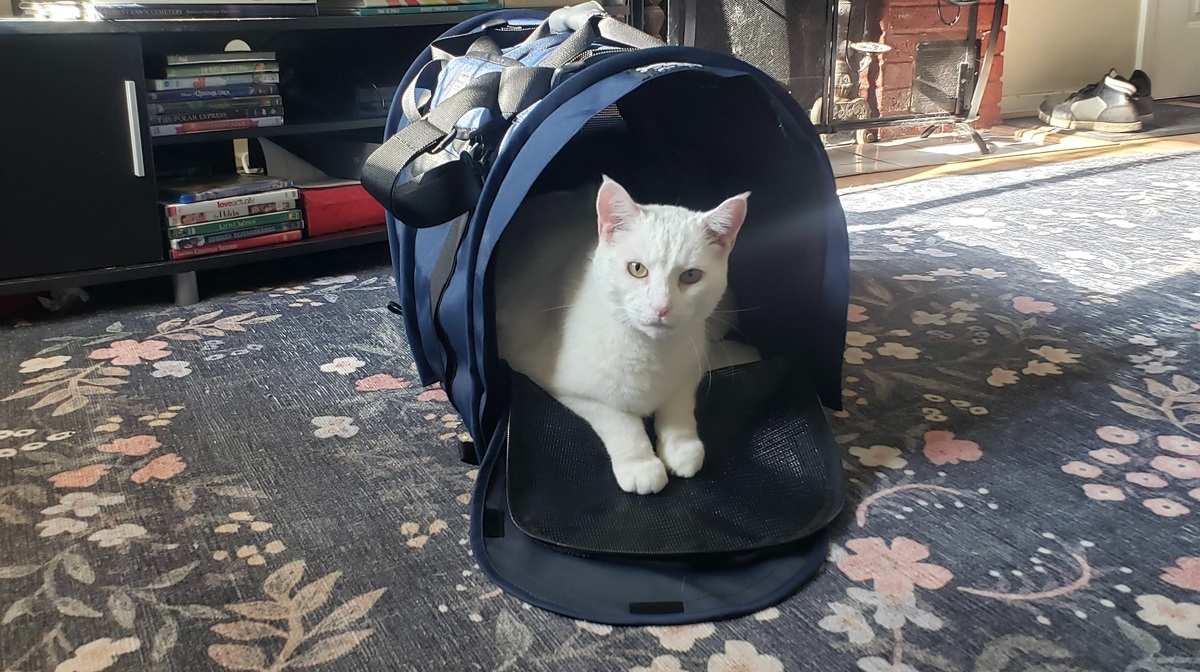
Have a separate carrier for each cat in your household. Liz Coleman / Cats.com
Carriers are necessary for the safe transport of your cat, for example to the veterinarian or a boarding facility. Choose one that is secure, easily cleaned, and has a large entrance for easy access.
Scratching Post
Scratching is an important behavior for cats, as it functions both to sharpen claws and also as a form of territorial communication via scent glands on their paws. Your cat will have an innate need to scratch, so providing a post or cat scratchers will hopefully save destruction to your floors and furniture.
Cat Toys
Cats, especially kittens, love to play! Using cat toys is an excellent way to provide both physical and mental enrichment, and also to bond with your new pet. Provide a variety of toys, such as chasing and pouncing games, catnip toys, and quieter activities such as puzzle toys.
Don’t worry if you can’t buy a whole selection of toys—cats can be well entertained with safe household items such as paper bags and cardboard boxes.
5. Schedule a Vet Checkup

One of the first things you should do for your new cat is schedule a health exam with a veterinarian. Kirsten McCarthy / Cats.com
It’s always a good idea to have your veterinarian’s phone number handy. Register your new pet and take them in for a general checkup. Your vet will be able to provide a thorough health check, give any vaccines that are appropriate, and advise on preventative care such as treatment against fleas and ticks.
Bringing Your Cat Home
The day has come! Bringing a new pet home is such an exciting time, and with all the careful preparation done, it should go smoothly and calmly.
1. The First Few Days
Initially, keep your cat contained in a small room with all their resources near to them, just until they have settled into their new environment, and you have started to form a bond with them. Spend time with them, but respect their need to hide away if they want to.
2. Find Your Rhythm
Gradually, you will settle into a routine, and this familiarity will be reassuring to your cat. Slowly introduce them to other family members, other pets, and any potentially frightening things in the household, such as a noisy household appliance or a window overlooking a busy street.
3. Consider Daily Care

Gentle daily brushing is an excellent bonding activity and is good for your cat’s coat. Katelynn Sobus / Cats.com
Many cats will need some form of care, especially as they get older, so getting your cat used to equipment such as brushes, a nail clipper, and a toothbrush is an excellent habit to get into early.
Basic care can include cutting your cat’s nails carefully, brushing their teeth with cat-specific toothpaste, and brushing out any coat tangles or mats. Some breeds are more high maintenance than others. For example, longhaired breeds need more regular brushing.
4. Enjoy!
Having a new cat or kitten is such a special time. Relax, enjoy, and take the time to build that special bond with your feline companion.
Introducing a pet into your life can mean big changes, but it can also be the most rewarding experience. Make sure you are prepared well by following our checklist for everything that you need to do before, during, and after the new arrival appears for a happy and harmonious household.
Frequently Asked Questions
What do I need as a new cat owner?
Make your home safe and prepared before your new pet arrives. Provide an enclosed, safe room with your cat’s basic needs: food, water, litter tray, scratching post, toys, bed, and hiding places. After a few days, let them gradually explore the rest of the house.
How long does it take a cat to adjust to a new owner?
Cats generally follow the rule of three: unsettled for the first three days, more relaxed after three weeks, and fully settled in within three months. This is a guideline, and all cats are individuals so some will settle sooner, and some will take a bit longer.
What should I do with my cat on the first night?
Have a safe, enclosed room set up with your cat’s basic needs: food, water, litter tray, scratching post, toys, bed, and hiding places. Spend time with them when they first arrive, but respect their need for quiet and privacy if they want to hide away. After a few days, let them explore the rest of the house.