

 Last updated Feb 25, 2026


Melina Grin / Cats.com
Breast cancer in cats is the third most common type of cancer in cats, with an incidence of around 17% of tumors in female cats. But while lymphoma and skin tumors are much more common, what’s scary about feline breast cancer is how serious it is. Most of these tumors are malignant, and the prognosis is poor, while treatment can have more favorable outcomes for many types of lymphoma and skin cancer.
Early detection of feline breast tumors is essential, so we’re going to tell you what to look out for!
Quick Overview: Breast Cancer In Cats
 Other Names: Mammary Gland Tumor
 Common Symptoms: Firm swelling or nodule over a breast or mammary gland, more common in females but can occur in males too. Discharge from nipple(s), ulcerated or bleeding area over a mammary gland, difficulty breathing, poor appetite.
 Diagnosis: Most veterinarians can diagnose a mammary gland tumor during exam. Fine needle aspirate for cytology may provide diagnosis. Otherwise, biopsy is required. Due to the need to act quickly for these often malignant tumors, biopsy may occur after surgical removal.
 Requires Ongoing Medication: No
 Vaccine Available: No
 Treatment Options: Surgical removal. Due to their often highly malignant nature, surgical removal of the entire associated mammary chain is a common approach to try to avoid tumor spread (metastasis). A double mastectomy where both full mammary chains are removed may also be done but is more painful and poses more immediate challenges for healing and recovery.
 Home Remedies: None
What Is Breast Cancer in Cats?
Cats have around four pairs of teats in each mammary chain, or eight mammary glands, although this can vary. Feline mammary tumors, aka cat breast cancer, are tumors of one or more of the mammary glands.
It is more common to have the tumors in the first pair of glands (the cranial glands) or the last pair (the caudal glands). They are more common in females than males and are also more common in un-spayed (entire/intact) cats. Some sources claim they’re the third most common feline tumor, after lymphoma and skin cancer.
Cats are more likely to get breast cancer if they’re intact/entire, female, and 10+ years old, although cases in cats as young as 4 years have been recorded.
Siamese cats have twice the risk of tumors as mixed-breed cats, and other oriental breeds also get breast cancer more commonly. Whilst it is possible for male cats to get mammary gland tumors, it is less common than for females.
Types of Breast Cancer in Cats
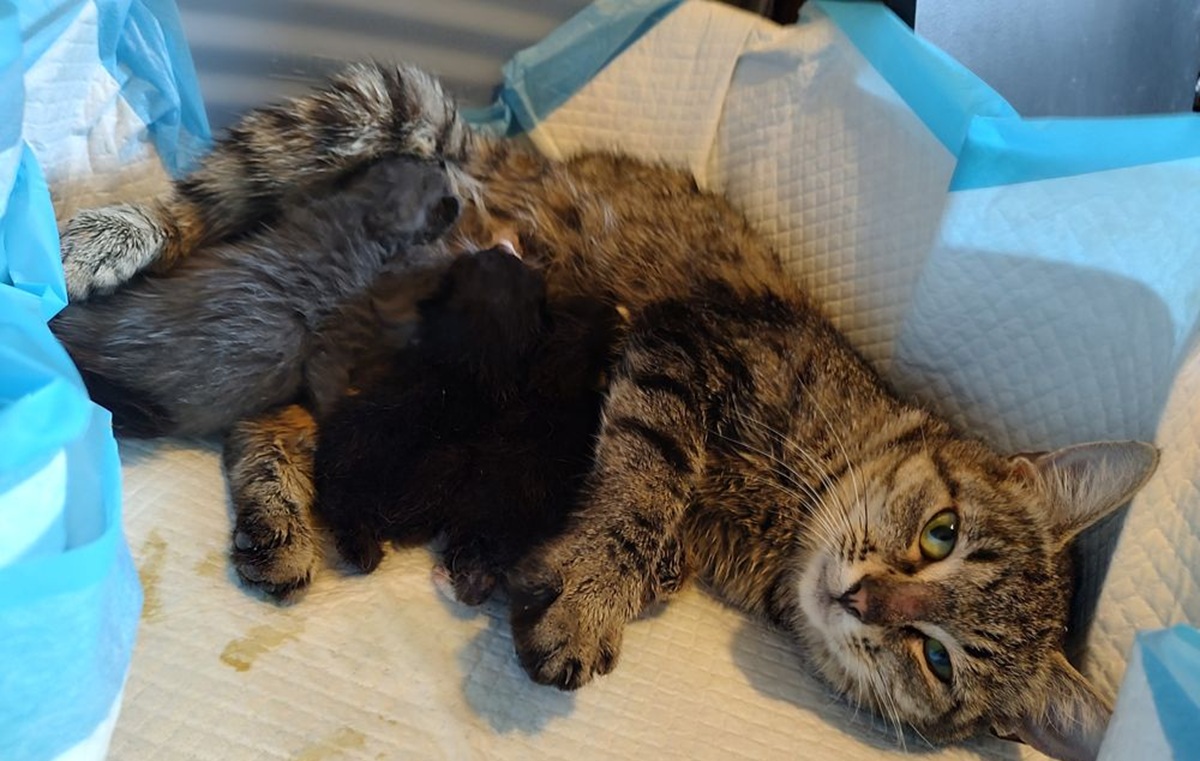
Breast cancer in cats comes in several different forms, with mammary adenocarcinoma being the most common. Kellie Gormly / Cats.com
There are lots of different types of mammary tumors in cats. Feline mammary adenoma is rare, and benign. Sarcomas are similarly rare, although often serious.
But carcinoma (mammary adenocarcinoma) is the most common. This type of tumor is locally invasive and spreads rapidly. Overall, it’s thought that most (86%) mammary tumors in cats are malignant- they metastasize through the lymphatic system and blood vessels to the lymph nodes, chest, and liver.
‘Fibroepithelial hyperplasia’ or ‘mammary hypertrophy’ is not a breast tumor, but a hard swelling of the breast tissue of cats. It occurs a couple of weeks after an intact female is in heat and will resolve completely after spaying.
Causes of Breast Cancer in Cats
Breast cancer is a multifactorial disease, meaning it has many causes- and many of them are not fully understood. Studies have shown that hormones (particularly estrogen and progesterone) are partially to blame. As with dogs, spaying/neutering at a young age rather than allowing heat cycles massively reduces the risk of mammary neoplasia in cats.
Some medications that mimic or include hormones (progestins) have the same effect on breast tissue as natural hormones do. These medications are rarely used in modern medicine but may have had an effect in the past.
Retroviruses have also been isolated from tumors, but it’s not been proven that infection with these viruses causes a tumor to occur.
Lastly, genetics definitely play a role, as evidenced by the higher risk in certain breeds like the Siamese.
Symptoms of Mammary Cancer
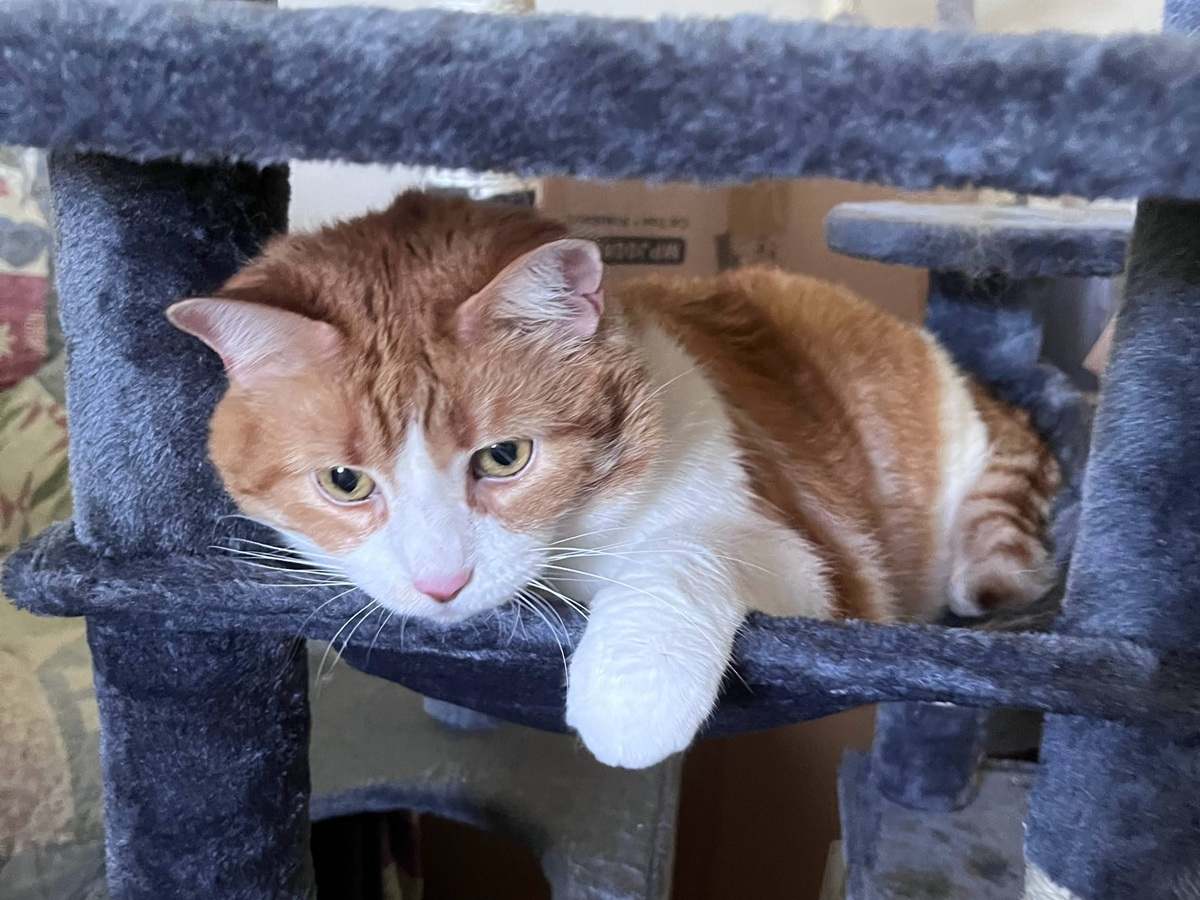
Breast cancer in cats is usually first characterized by lumps or nodules in the breast tissue. After the cancer has progressed more, you may notice additional symptoms. Katelynn Sobus / Cats.com
The first sign of mammary cancer in cats is lumps or nodules in the breast tissue. You might be stroking your cat or watching them roll around on the floor, and notice a lump on their underside.
Often these lumps feel like peas or marbles under the skin, but they aren’t always as neat as this and can be varying shapes and textures. The lump may ulcerate, leading to blood, wounds or discharge from the surrounding skin. The nipples may also swell and discharge.
Depending on how far the breast cancer has progressed you may notice pain, fever, and inappetence. If the tumor has spread to the chest, you may notice a cough or increase in breathing effort.
Other symptoms of breast cancer in cats include:
- Swelling of the breast tissue
- Lumps and masses in the breast tissue
- Discharge from one or more nipples
- Repetitive licking of the mammary glands
- Ulceration (bursting) of the mammary gland
- Bleeding or infection in the breast area
- Pain in the breast area
- Fever
- Inappetence
- Coughing
- Rapid breathing
- Increased effort when breathing
- Reduced appetite (due to spread of cancer to the chest, abdomen, etc.)
If you notice any of these symptoms of breast cancer in your cat, it’s a good idea to take them to a vet to be checked out. The earlier feline mammary tumors are diagnosed, the better the prognosis.
Tumors that are less than 2cm in size are much more likely to be cured, so don’t wait if you spot a lump in your cat’s breasts.
It’s hard to tell whether breast cancer is painful for cats, especially early on. Ulcerated lumps are definitely painful, and advanced tumors are probably also painful. Like in women, early tumors are likely not to be painful, which can make them harder to spot.
Breast Cancer in Cats Diagnosis
If your vet diagnoses your cat with a mammary carcinoma or other type of breast cancer, you’ll want to start treatment straight away. Most mammary tumors in cats are malignant, and the sooner they’re treated, the better your cat’s prognosis.
Your vet may recommend blood work and a fine needle aspirate (FNA) to biopsy the mass. They hope to harvest some cancer cells to send to a laboratory, where they can get a better idea for what type of tumor it is and whether it is cancerous. This can help to guide treatment. Your vet will likely recommend x-rays (radiographs) as well, as this can help to establish how far along the cancer is, and whether metastases have spread to the chest.
Treatment of Breast Cancer in Cats
The first stage of treatment requires surgical removal. While it’s theoretically possible to remove just the lump, if it’s small, the malignancy of breast cancer in cats means that vets normally recommend a mastectomy–removal of the breasts–and often more than just the one affected.
This can be removal of a single breast with the lump in it, removal of all of the breasts on one side (a ‘strip’, ‘chain’, or ‘unilateral’ mastectomy) or removal of all the mammary tissue (‘full’, ‘radical’ or ‘bilateral’ mastectomy). A strip or chain mastectomy is the most common route, balancing the difficulty of the surgery and recovery time with the biggest benefits for the cat.
Removing both mammary chains (radical mastectomy) at once is a much more aggressive approach but can be more successful in removing breast cancer before it spreads–if it’s caught early enough. However, removing both chains at the same time is very painful and difficult from a surgical technique perspective because there is far less skin available to close the incision and a lot of tension on the skin (which is also uncomfortable for the cat).
Many vets will opt to remove only the affected chain or more ideally, also remove the second one (even if no new tumors are found) as soon as skin healing from the first surgery allows. A radical mastectomy can be discussed with a good regimen for pain management and an owner being willing to provide very attentive nursing care at home.
While many cat owners may wish to only remove the “lump” or a single breast as is common in dogs, this rarely has a good outcome in cats. In dogs, breast tumors tend to be far less malignant.
Unfortunately, even with all the breast tissue and associated lymph nodes removed, the cancer is usually still present. Microscopic cancer cells are often already in the lymphatic system or blood vessels, and it’s impossible to remove them all. Therefore, chemotherapy or radiation therapy may also be required.
Your veterinarian will likely consult with a veterinary oncologist to find the best option for your cat. The type of chemotherapy depends on the tumor and the patient, but doxorubicin is a common chemotherapeutic drug choice for mammary cancer in cats. The sooner this chemotherapy is started, the better the prognosis.
Untreated breast cancer in cats is usually fatal within a year, often less. How long cats survive depend on how far progressed the cancer is when it is found, and cats often need to be euthanized to protect their quality of life.
Prognosis for Breast Cancer in Cats

Cats usually survive for about 12 months with breast cancer, but the survival time depends on the treatment and the time of diagnosis. Kirsten McCarthy / Cats.com
Unfortunately, breast cancer in cats carries a poor prognosis. This is likely because by the time the disease is noticed, it’s often very well established and has started to spread.
The average survival time of cats with breast cancer is 12 months. Cats tend to survive longer (possibly up to 18 months) if surgery and chemotherapy are undertaken, and if the lump is smaller at time of diagnosis.
While very rare, around 1 in 10 cats with breast cancer will have a benign tumor, in which case removing it surgically will cure them.
Unfortunately, some malignant breast tumors may have already spread by the time they are noticed and surgery is being discussed. Getting x-rays and an ultrasound to check the lungs and abdominal organs for signs of cancer spread is crucial before pursuing surgery and further treatments.
Once breast cancer spreads to the lungs, cats tend to succumb within days to weeks at most as their breathing and comfort are affected.
Preventing Breast Cancer in Cats
It is possible to hugely reduce the risk of breast cancer in cats. Female cats spayed before 2 years of age have a lower risk of mammary cancer.
And the earlier they are spayed, the lower their risk. Cats spayed before 6 months of age (i.e before their first heat) are 91% less likely to get malignant mammary adenocarcinoma than intact (un-spayed) cats.


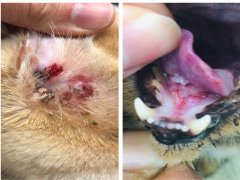



My female cat breast cancer has returned after 6 months please could you tell me if she has another operation will this cure her or will it return again and if so what is her prognosis
Darryl, that’s a question for a veterinarian who is able to take a good look at your cat and evaluate both her cancer and her history. I’m afraid I can’t answer that here. Wishing you and your cat all the best.