
 Published May 15, 2026


Melina Grin / Cats.com
Air chewing (sometimes called air chomping, fake chewing, or fly biting) is a perplexing cat behavior in which cats nibble or bite at nothing, as if chewing on an invisible snack. This behavior can be both entertaining and worrisome for cat owners, raising questions about what is happening in their cat’s body and mind.
In this article, we’ll explore the reasons behind air chewing and offer practical strategies and treatments based on its underlying causes. By understanding the nature of our intriguing and complex feline companions, we can get to know their emotional and physical health, and even strengthen our bond with them.
Understanding Why Cats Chew the Air
Cats can engage in air chewing for several reasons. Here are the main causes:
Oral Pain or Dental Issues
The most common medical reason that cats chew the air is because of oral pain. Conditions such as fractured teeth, feline resorptive lesions, gum disease, excessive drooling or oral pain can cause a cat to exhibit this behavior. Additionally, if a foreign object, such as a piece of food, a stick, or a toy string, is stuck in a cat’s mouth or throat, it may chew on air to ease discomfort and dislodge it.
Feline Orofacial Pain Syndrome (FOPS)
FOPS is a painful condition in cats, characterised by oral discomfort, excessive chewing, and tongue mutilation. A study conducted in a feline medical journal examined 113 cats, primarily Burmese, and identified an inherited neuropathic pain disorder linked to sensory processing in the trigeminal system.
FOPS is marked by episodic, one-sided discomfort often triggered by mouth movements, with 12% of severe cases leading to euthanasia. Many affected cats had a history of oral lesions, and 20% experienced FOPS in connection with anxiety-provoking situations.
Gastrointestinal Issues or Nausea
Air chugging can sometimes indicate nausea in cats. When cats experience an upset stomach, acid reflux, or other gastrointestinal issues, they may chomp on air as a reflex to alleviate pain.
Feline Hyperesthesia Syndrome
Feline hyperesthesia syndrome, often referred to as “rolling skin disease” or “twitchy cat disease,” is a complex disorder that causes a cat to exhibit muscle rippling, sudden running accompanied by loud howling, and frantic self-grooming.
Affected cats may also bite at the air when touched in sensitive areas, such as the lower back and sacral region. This condition can be associated with dermatological, neurological, musculoskeletal or psychological issues.
Respiratory Distress
Airway obstructions, severe upper respiratory infections, or mouth breathing can cause a cat to exhibit air chewing or unusual mouth movements. These often occur as a cat attempts to clear its airway or manage discomposure. If your cat is exhibiting signs of air chomping, including gagging, wheezing, and open-mouth breathing, seek immediate veterinary attention.
Neurological Disorders
For cats with neurological disorders, air biting and “fly biting seizures” occur when a cat snaps at the air as if attempting to catch flies, often accompanied by intense jaw chomping. These episodes often start suddenly while the cat is resting. Some cats may casually snap at the air, while others become frenzied or aggressive.
Psychogenic Air Chewing in Cats
Psychological air munching in cats occurs when a cat appears to chew at the air without any clear physical cause or medical condition.
Abnormal repetitive behaviors in cats can occur independently of specific contexts and may happen more frequently or for longer durations than necessary for their intended purpose. Such habits, including chewing, licking, or sucking air or objects, can be exacerbated by chronic anxiety, stress, or boredom and are often triggered by changes in relationships with people or other cats.
Furthermore, an owner’s reactions—whether they reinforce or punish the behavior—can unintentionally exacerbate these actions, increasing conflict and anxiety for the cat. In some instances, this recurring conduct may act as a self-soothing mechanism for fearful or anxious cats, similar to thumb-sucking or nail-biting in humans.
Psychogenic air biting in cats is a compulsive disorder likely influenced by genetics and triggered by environmental stress. Cats are sensitive, and even minor changes can lead to unusual practices.
Attention Seeking Behavior
Occasionally, ‘fake chewing’ is an attention-seeking action in which a pet learns that the sound of air-chomping leads to petting or receiving food from the owner.
Simply Out of Habit
Certain cats may air chew and purr purely out of habit. This means that even in the absence of pain, stress, or any prey nearby, occasional air chomping can be considered normal behavior if it doesn’t happen too often or last too long. If a cat has developed a habit of chewing air due to pain or stress, it may be challenging to eliminate this conduct, even after addressing the underlying issues.
Tackling Air Chewing: Understanding and Managing Your Cat’s Quirky Behavior
Kirsten McCarthy / Cats.com
Air chewing can be a challenging mannerism for both the individual and those around them. It’s important to approach this issue with compassion, as it may arise from various underlying reasons. Knowing the causes is key to effectively dealing with air chewing.
Here are some helpful strategies:
Observation and Understanding
Observe your cat’s air chewing closely, noting the contexts in which it occurs, how often it happens, and any accompanying symptoms. Keeping a detailed diary and recording videos of this unusual behavior will help determine whether you need to consult a veterinarian.
Veterinary Consultation
If your cat often chews on air or shows other worrying symptoms, it’s essential to see a veterinarian to rule out any underlying health problems. In serious cases of uncontrollable behavior, your vet might prescribe medication to help manage it.
Monitor and Eliminate Stressors
Make a list of all potential stressors that could be causing anxiety. This includes unfamiliar people, fostering or adopting pets, loud noises, and external animals. To prevent the repetition of air crunching behavior, it can be helpful to avoid situations or remove access to stimuli that trigger this behavior.
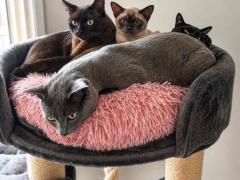
Pay attention to conflict in multi-cat households, as this is a key trigger, especially when you have cats of different ages, energy levels, and personality traits. Managing these stressors can help reduce air-chomping behavior.
Create a Calm and Supportive Environment for Your Cat
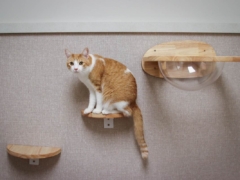
Cats that exhibit abnormal repetitive behaviors often benefit from gradual changes made to their environment. Enhancements that provide greater control, predictability, and enrichment can lead to significant improvements in invisible air chewing.
By creating a calm environment, we can help relax their nervous systems instead of keeping them in a constant state of fight-or-flight. Research shows a strong connection between inconsistent routines and illness behaviors in cats, often linked to stress-related inflammation.
Regular playtime, puzzle feeders, consistent routine, positive social interaction, cozy hiding spots, and soothing music will foster a calm atmosphere in which individuals can feel secure and express themselves without interruption.
Behavior Modification
Melina Grin / Cats.com
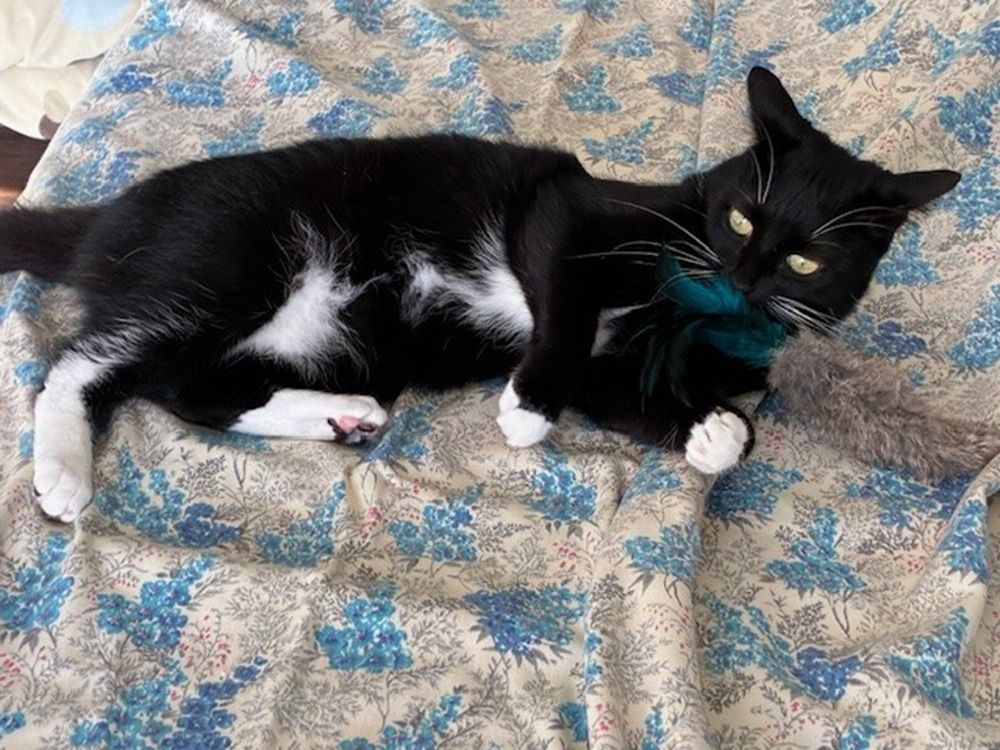
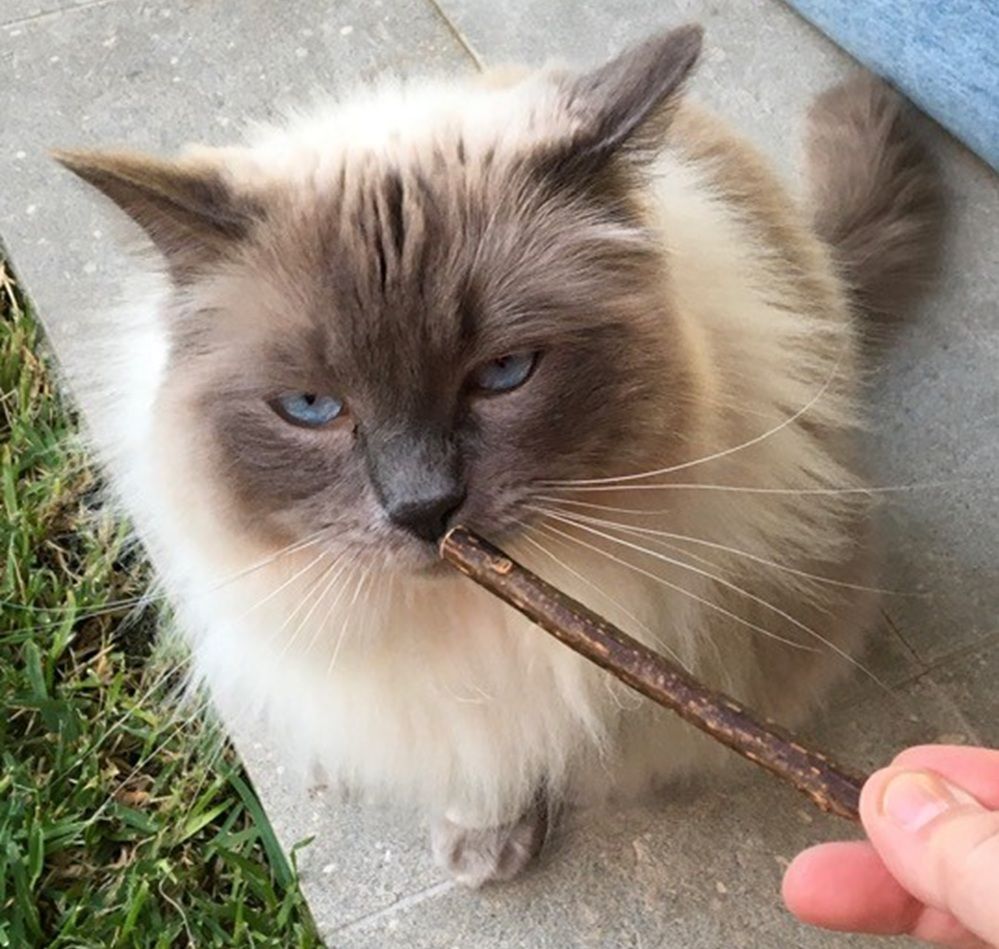
To address repetitive air chomping in a cat, it’s important to establish and reinforce alternative behaviors to compete with these habits. Introduce healthier coping mechanisms, such as chewing on dental toys or silvervine sticks, playing with interactive toys like the Da Fur Thing, or engaging in calming activities.
When you notice your cat engaging in repetitive air chewing, gently interrupt them with a soft touch, toss a toy, or redirect their attention to another activity. Be careful not to startle or frighten your cat.
Positive Reinforcement Training
Positive training can effectively prevent cats from air-chewing repeatedly. Teach your cat cues such as “stay” or “wait.” Additionally, engaging in pattern games provides cats with the structure and confidence they need to thrive in our unpredictable world. Remember to celebrate small victories and progress slowly when your cat chooses more productive activities.
Adjust Your Diet to Support the Gut-Brain Connection
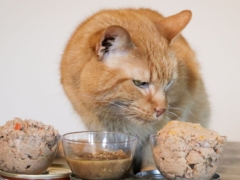
For certain repetitive oral behaviors associated with issues such as oral pain, stress, or gastrointestinal discomfort, dietary modifications can be helpful. This might involve adopting a calming or fibre-rich diet.
Research shows that probiotics and prebiotics can help manage behavioral issues in cats by supporting a healthy gut-brain axis, as most serotonin is produced in the digestive system. Certain probiotic strains have been shown to reduce irritability and stress in cats, leading to calmer pets when gut flora is balanced.
Seek Professional Guidance
If your cat exhibits excessive air chewing or major behavioral changes, seek advice from a feline behavior specialist for tailored strategies.
-
Stella J, Croney C, Buffington T. Effects of stressors on the behavior and physiology of domestic cats. Appl Anim Behav Sci. 2013 Jan 31;143(2-4):157-163. doi: 10.1016/j.applanim.2012.10.014. PMID: 25210211; PMCID: PMC4157662.
-
Rusbridge, C., Heath, S., Gunn-Moore, D. A., Knowler, S. P., Johnston, N., & McFadyen, A. K. (2010). Feline orofacial pain syndrome (FOPS): A retrospective study of 113 cases. Journal of Feline Medicine and Surgery, 12(6), 498–508. https://doi.org/10.1016/j.jfms.2010.03.005
-
Amat, M., Camps, T., & Manteca, X. (2015). Stress in owned cats: behavioural changes and welfare implications. Journal of Feline Medicine and Surgery, 18(8), 577–586. https://doi.org/10.1177/1098612x15590867
-
Sivamaruthi, B. S., Kesika, P., Chaiyasut, C., Fukngoen, P., & Sisubalan, N. (2025). A review of Probiotic Supplementation and its Impact on the Health and Well-Being of Domestic Cats. Veterinary Sciences, 12(8), 703. https://doi.org/10.3390/vetsci12080703
-
Behavior problems of cats - behavior. MSD Veterinary Manual. (n.d.).
-
Banik, M., Bashyal, S., Ahmed, K. A., Banik, K., Dua, K., Choi, J. P., Paudel, K. R., & Majumder, R. (2026). The gut microbiome of Australian cats and dogs: Dietary influences, health impacts, and emerging research. The Veterinary Journal, 315, 106566. https://doi.org/10.1016/j.tvjl.2026.106566