

 Last updated Mar 9, 2023


Pete Wedderburn / Cats.com
Cooking with homegrown herbs can be a fantastic way to add flavor to your food and save money at the same time. Cats are curious, and will often try to taste things in their environment. It is important to be aware that some herbs are toxic to our cats, and some are perfectly safe.
Many herbs are perfectly harmless to cats and even have health benefits, however, some are toxic to pets. It is important to know which herbs are toxic as contact or ingestion with some can lead to devastating consequences. Avoid growing toxic herbs indoors or in your garden to prevent accidental exposure.Key Takeaways
This list is in no way definitive and there are many more herbs that could be added to both lists. Here we have the most common ones. It is important to remember that you must not supplement your cat’s diet with any herb or plant products without first consulting your veterinarian. This is because even the “safe” herbs can sometimes still cause issues if cats consume them in excess.
If at any time, you are concerned that your cat might have been exposed to something toxic, it’s very important to seek veterinary attention immediately. Toxicity in cats manifests in many different ways. Below is a list of the possible signs:
- Vomiting and diarrhea
- Hypersalivation (drooling)
- Lesions on the skin
- Seizures/convulsions
- Respiratory distress
- Unable to stand/collapse
- Loss of consciousness
The degree of toxicity varies greatly with different substances. You might see a mild reaction such as drooling or tummy upset. Some cats might start with these things and then progress into worse, such as collapse, weakness, convulsions, twitching/tremors, respiratory distress, organ failure, coma, and death.
What To Do if You Think Your Cat Has Been Poisoned
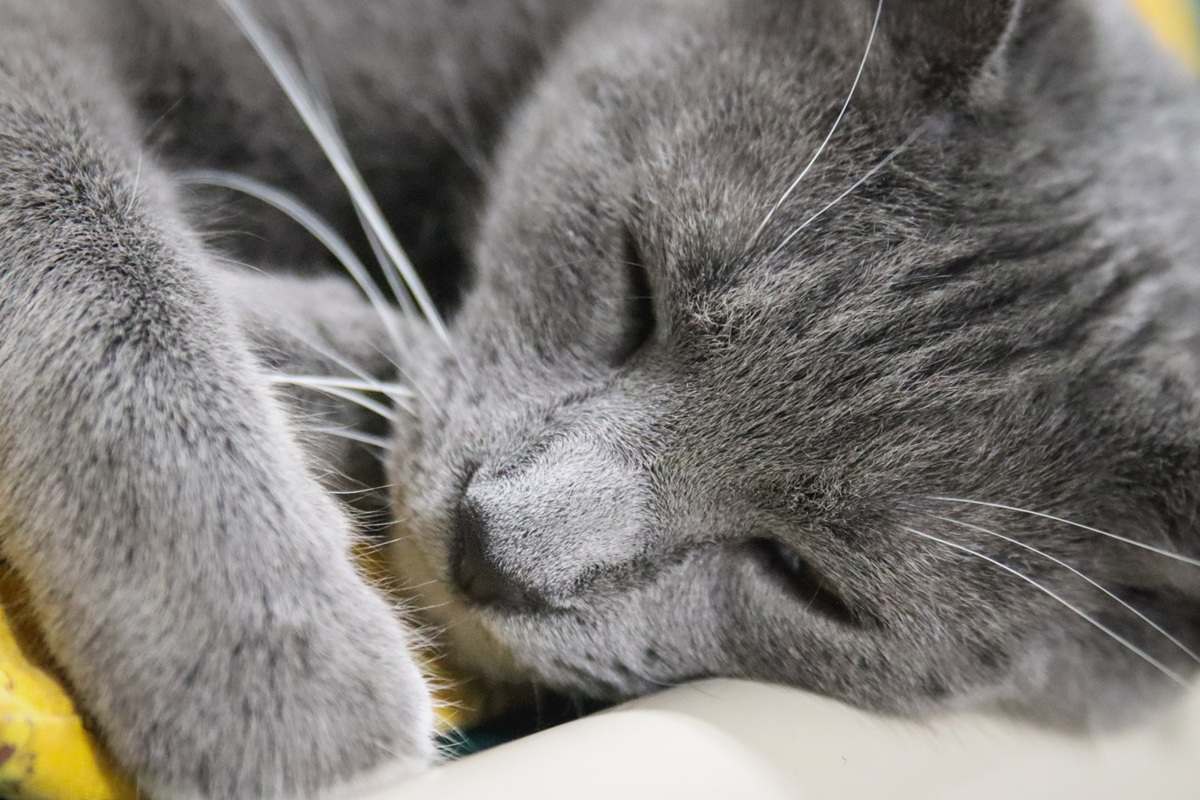
In cases of potential toxicity contact your veterinarian or a poison control hotline as quickly as you can. Kirsten McCarthy / Cats.com
It is very important to act fast if you have any suspicion that your cat has been in contact with or ingested something poisonous. Call your veterinarian immediately. They will be able to advise you over the phone initially and arrange for you to have an appointment as soon as possible.
Rapid veterinary attention can mean the difference between life and death, so if in doubt, call them. You can also seek advice from a veterinary poison hotline, either the ASPCA Animal Poison Control Center or Pet Poison Helpline.
- The number for ASPCA Animal Poison Control Center is: 888-426-4435
- The number for Pet Poison Helpline is 855-764-7661
There is usually a charge for using these services.
How To Keep My Cat Safe From Toxic Herbs in My Home
After reading this guide you will have a good idea of which common herbs to avoid. Keep these out of your house, or at least out of your cat’s reach. (This is easier said than done as cats are so inquisitive and curious!)
The safest option is to eliminate any herbs from your house (and your garden if you have an outdoor cat) to make sure they will never be exposed to them. If you must have herbs in the house that are toxic to your cat, lock them away and do not let your cat in the same room, ever.
10 Herbs That Are Toxic to Cats
The following herbs are not safe for cats:
1. Garlic
Garlic and all of the allium family (which include onions, scallions, shallots, and leeks) are to be avoided at all costs as they cause a reaction in your cat’s blood cells that can be fatal.
2. Chamomile
A bit of a tricky one, as only some types are toxic to cats, but it’s not worth the risk as ingestion can cause your cat to vomit and have diarrhea, and can also cause nasty skin lesions if it comes into direct contact.
3. Marijuana (Cannabis Sativa)
This herb, which can be used as a recreational drug is very toxic to cats. Ingestion of any form of marijuana can cause a variety of symptoms including vomiting, drowsiness, hyperactivity, low blood pressure, incoordination, reduced blood pressure, seizures, and even death.
4. St. John’s Wort
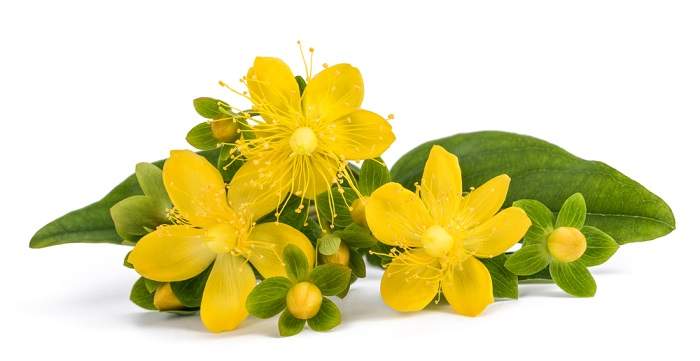
Avoid growing St. John’s Wort as this can cause great harm to cats. Shutterstock.com
This herb can cause nasty skin lesions as if enough is ingested then it can trigger a photosensitization reaction that causes ulcerative dermatitis. Ouch!
5. Oregano
This herb is toxic to cats and dogs. Oregano can irritate the lining of the gastrointestinal tract.
6. Eucalyptus
Some species of this herb are poisonous to cats and dogs. It can cause tummy upset and excessive drooling.
7. Lovage
This is another herb that is toxic to cats and dogs as it contains volatile oils. It is also a strong diuretic.
8. Sorrel
This herb is toxic to cats, dogs, and horses as it contains oxalates, which can cause substantial organ damage.
9. Tarragon
The oils from this herb are considered toxic to cats. Ingestion may cause tummy upset.
10. Yucca
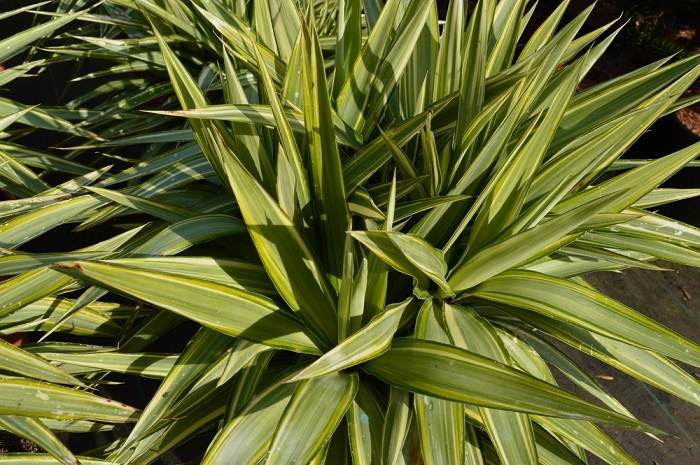
Yucca is used in some human homeopathic medicines, but cats should not be exposed to it. Shutterstock.com
This herb contains saponins, which cause tummy upset in cats.
As well as herbs, there are also many poisonous plants to avoid, including some houseplants, so it is worth taking note of these. You can read it in more detail here. Here are some common plants and flowers that are toxic to cats:
- Easter lilies can cause kidney failure if ingested by your cat.
- The bulbs of tulips, daffodils (narcissus), and hyacinths bulbs can cause convulsions, increased heart rate, and death.
- Azaleas ( rhododendron species) are known to be deadly to cats.
- Sago palms are poisonous, especially their roots.
- Castor bean plants are toxic.
- Aloe succulent, but only the outside of the plant (it can cause tremors and vomiting if ingested); the gel of the aloe plant is safe.
- Oleander causes serious illness if ingested (all parts of the plant are toxic).
- Chrysanthemum can cause tummy upset and excess salivation.
- Autumn crocus is very toxic and can be fatal.
- Poinsettia is mildly toxic and can cause vomiting.
- Dieffenbachia can cause irritation in the mouth, vomiting, and trouble swallowing when ingested.
- Foxglove is extremely toxic, it can cause disruption to the rhythm of the heart and cardiac arrest.
7 Herbs That Are Safe for Cats
Now let’s explore the herbs that are safe for your cat, and even beneficial.
1. Catnip
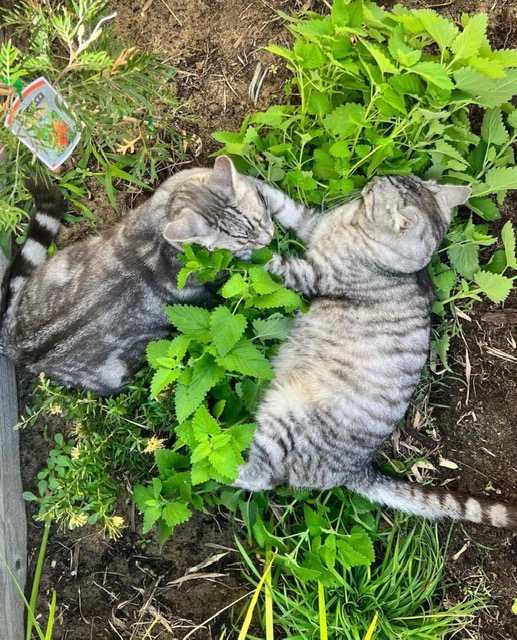
Catnip (*Nepeta cataria*), a member of the mint family, contains nepetalactone, a compound that can trigger playful and excited behavior in many cats. Melina Grin / Cats.com
Starting with the obvious, as you can bet your bottom dollar most houses have toys stuffed with this! Catnip (Nepeta cataria), and more specifically the essential oil nepetalactone, has the ability to send cats crazy in all the best ways. Nepeta cataria belongs to the mint family.
The leaves have a special strong scent which most cats are very attracted to. Just be warned, if cats consume a large amount of the leaves, they will usually experience vomiting and diarrhea so don’t let them eat it nonstop.
2. Echinacea
This herb supports your cat’s immune system. It can help to rid the body of infections. It is thought to be especially helpful with chronic upper respiratory tract infections.
3. Valerian
This herb can act as a stimulant for cats, in a similar way to catnip. It can be useful for indoor cats to increase the amount of exercise they are getting as it encourages them to move around more.
4. Calendula
This herb is thought to have anti-inflammatory properties. It is thought to aid in the acceleration of wound healing.
5. Licorice Root
This is thought to soothe inflamed mucous membranes. It may be helpful for itchy cats or cats with gut problems or respiratory issues.
6. Goldenseal
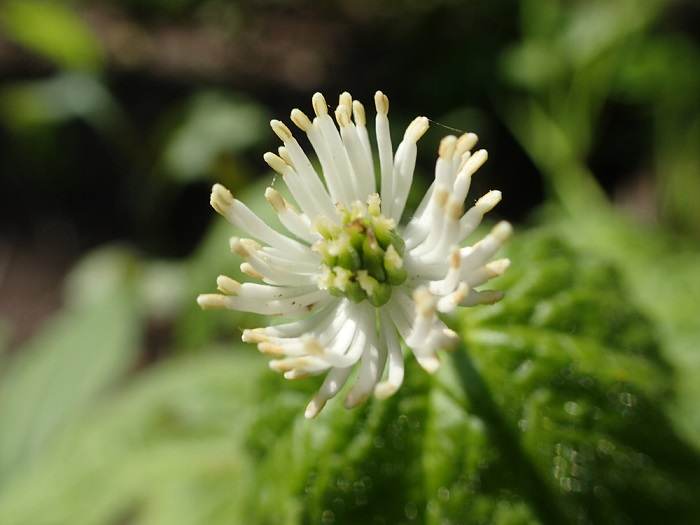
Cats can use goldenseal in conjunction with prescribed veterinary treatments to help them recover from infections. Shutterstock.com
This herb is thought to be a natural disinfectant as it might have antibacterial properties.
7. Cat’s Claw
This is a popular herbal substance taken from a tropical vine that is thought to boost your cat’s immune system.
Basil, rosemary, thyme, and parsley are all also safe for your cat in moderation.
Herbs for Cats: Final Thoughts
Over centuries herbs have been used for a vast variety of different things. They are commonly used in cooking and a lot also have medicinal properties. It’s a bit of a minefield navigating through what is healthy, beneficial, and safe, and what is not!
For a fully comprehensive list of herbs and plants that are poisonous to cats, seek advice from the Pet Poison Helpline or the ASPCA Animal Poison Control Center.
Frequently Asked Questions
What herbs are unsafe for cats?
The most common herbs that are unsafe for cats include:
What is deathly toxic to cats?
Unfortunately, there are a few substances that are deathly toxic to cats, these include:
What is the most toxic herb?
Anything from the allium family (including garlic, chives, onions, and leeks) are severely toxic to cats. It only takes ingestion of a very small amount to cause fatal damage to red blood cells in your cat's circulatory system, leading to severe anemia and often death.


Back in the early 80s when my boyfriend would visit and be cleaning his pot my cat would be very interested. He gave her little branches from what he was cleaning and she would chew on them. She enjoyed it and it never seemed to affect her in any untoward way. She lived until old age.
I’m seeing on this site and multiple other sites that Licorice Root is safe for their cats, but at the same time, I’m seeing them as being listed as poisonous. Is there any other vet-backed information regarding why its considered safe versus toxic?
Hey there Roderick, that’s an excellent question. It seems like the sap and constituent glycyrrhizin from the licorice root is a bit risky for both people and cats, though the research on cats seems to be very limited or perhaps nonexistent. I’m going to reach out to the author to see if they can back this up.
That’d be awesome, thank you!
As an update, I talked with the vet who manages the other vet who wrote this piece, and she said that “as with all things (even water), the dose makes the poison. In humans, we know liquorice is safe except at high doses. No such data is available for cats.” So it seems that it’s an area of uncertainty. We’ve also passed this along to the original author with a request to add some clarification.