
 Published Sep 1, 2026


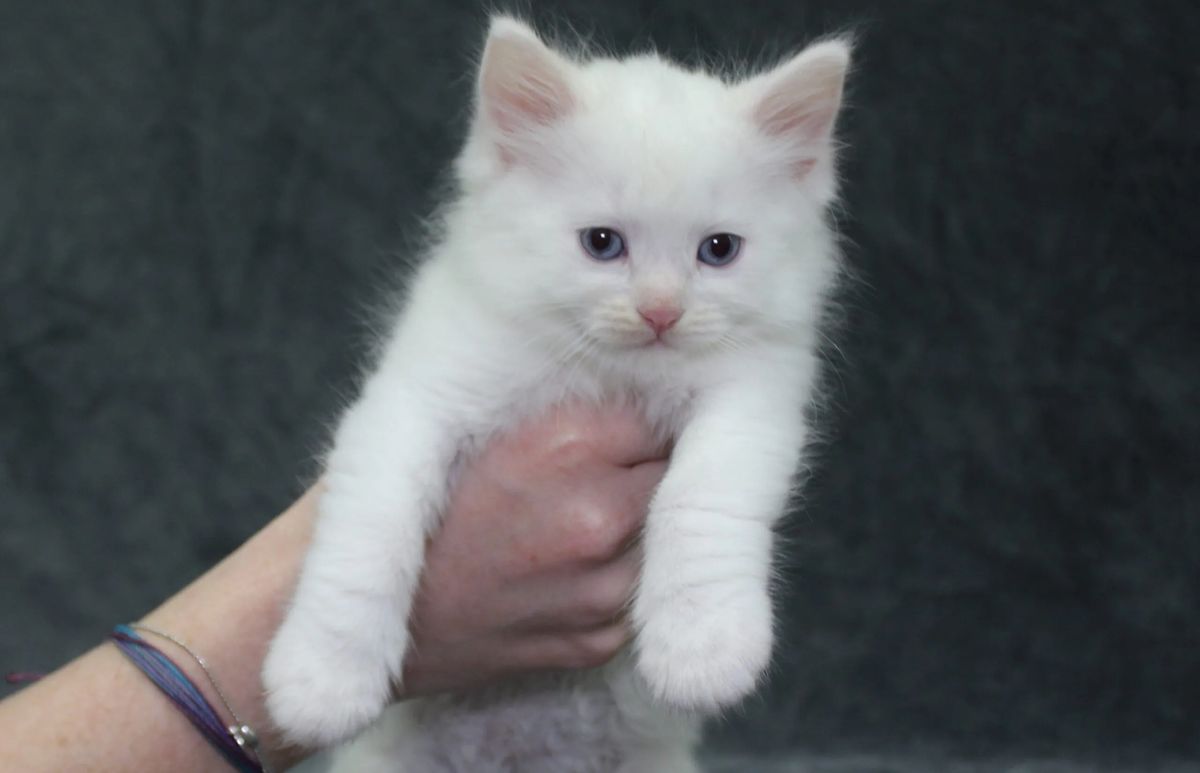
Belle the Clone Kitty / Clonekitty.com
Belle the Ragdoll is not Chai the Ragdoll resurrected, and the cats’ mom, Kelly Anderson, knows that. The two cats look very similar, but they’re not exactly the same.
Still, Belle – who was cloned from Chai’s DNA after the beloved older cat died – literally carries a big piece of Chai, with whom she felt a soulmate-like connection, Anderson says. And getting this genetically identical twin of Chai was worth every penny of the $25,000 she invested.
“For me, it was definitely worth it,” says Anderson, 37, of Austin, Texas. “It wasn’t money I came by easily; I took out a personal loan for it. … It was one of the best decisions I’ve ever made.”
Anderson, who tells her story at the website Belle the Clone Kitty – didn’t think she was basically bringing Chai, who died in 2017, back to life.
“I went into this knowing that it wouldn’t be the same cat – not a resurrection, but more like an identical twin born at a later date,” she says. “This is not bringing Chai back from the dead. This is carrying on a piece of her and honoring her that way.”
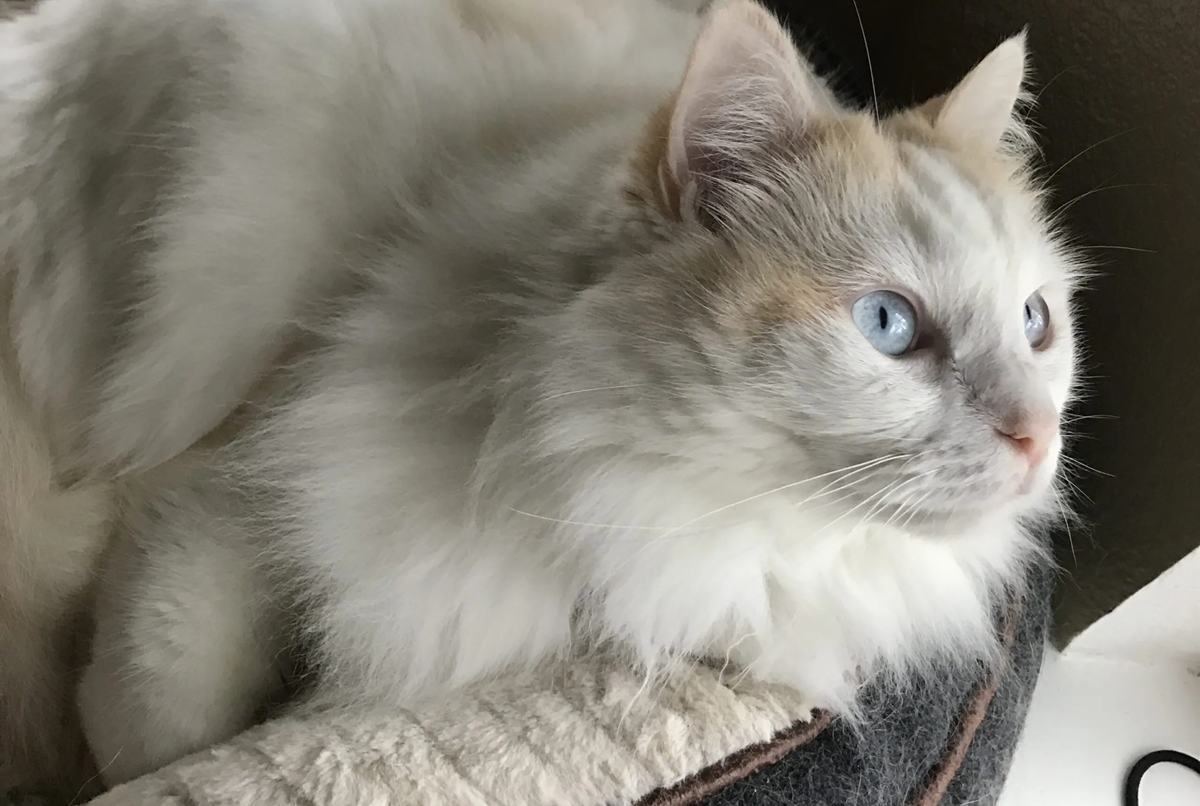
Chai was Anderson’s beloved cat who died before Belle was cloned from her DNA. Belle the Clone Kitty / Clonekitty.com
Anderson’s journey started nine years ago when Chai underwent a successful surgery to remove a foreign object she had ingested. But the poor cat was later found unresponsive in her carrier at the clinic due to anesthesia complications. Anderson was distraught.
“It was definitely very traumatic,” says Anderson, who worked for a dog-training company at the time and now does marketing for a plastic surgeon. “I’ve never cried like that in my entire life.”
In her grief, Anderson recalled a conversation she’d had with a friend just about three weeks earlier. They had discussed pet cloning, and at the time, it did not occur to Anderson that she would do it herself; she didn’t even know the practice existed. But remembering the conversation – and learning about ViaGen Pets, a biotechnology company located near her in Texas – made Anderson feel that perhaps this path was meant for her.
ViaGen Pets workers extracted DNA from the skin of Chai’s body, and later removed the nucleus from a donor cat’s egg and injected Chai’s DNA into the egg. In the cloning process, when the embryo begins to grow in the lab, it is transferred to a healthy surrogate female cat, where the embryo develops in her womb through a normal gestation period. But, since Chai’s body had been frozen, only about 6 million cells were extracted instead of the usual 10 million. It was a long process that took a few years before a viable embryo was harvested.
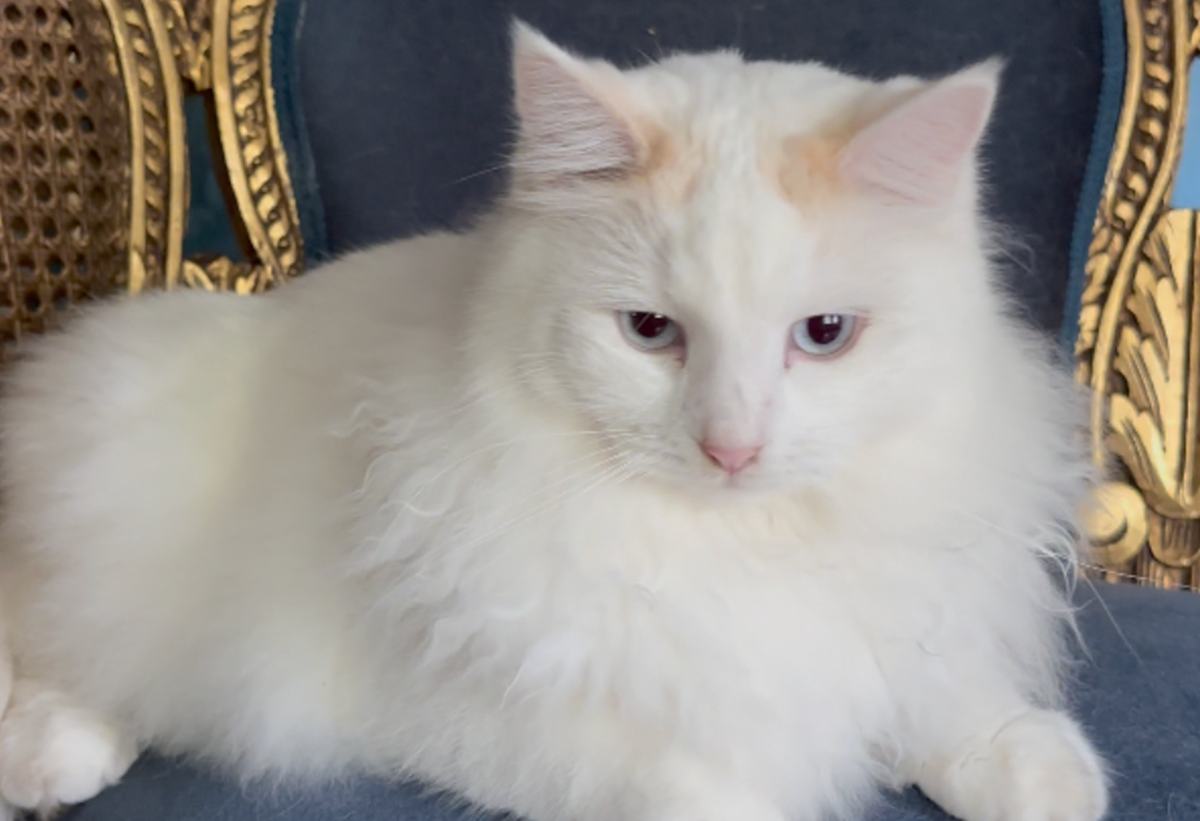
Belle carries Chai’s genetic legacy, making the cloned cat a meaningful continuation of the special bond Anderson shared with her beloved companion. Belle the Clone Kitty / Clonekitty.com
Finally, in August 2021, Belle the kitten was born, and Anderson was overjoyed.
“I just love Belle to pieces,” she says. Anderson also has a domestic shorthair cat named Spiffy, and two dogs named Ghost and Nym.
“She is the light of my life and I wouldn’t trade her for anything,” Anderson, who has no human kids, says about Belle.
People may not understand Anderson’s decision to clone Chai, instead of just getting another Ragdoll who looks like her and has a similar personality. But she just knew that creating Belle was meant to be.
“Everyone has their own way of grieving and dealing with things and for me, this just made the most sense,” Anderson says. “Getting another Ragdoll felt more like replacement than cloning.
“There’s no rationality in grief,” Anderson continues. “I think it’s a process everyone handles differently. I didn’t want to just get another cat; I wanted to carry on that piece of her.”
And, Anderson says, she wanted Belle to grow into her own cat and not live in the shadow of Chai. Indeed, though the cats may be genetic clones, they have some differences in their appearance and personalities. Chai had health issues, but Belle didn’t inherit them because the conditions were not genetic. Chai was shy and standoffish around people (except for her mom, whom she wanted to be near all the time), but Belle is more outgoing.
The two cats have the same inborn temperament, in that they are “bold and sassy ice queen cats that rule the house,” Anderson says. But their environmentally shaped personalities are different. Belle is more independent, adventurous and curious than Chai. Anderson takes Belle out with her on a harness to bars, and the cat loves the adventure and socialization.
The two cats have the same facial features, but Chai, a bicolor cream Ragdoll, had more color on her face. Belle got white spotting in utero, so she appears more white.
“They can be genetically identical but still look different,” Anderson says. Still, “I look at Belle and see glimmers of Chai every day.”
Cloning has a complicated, decades-long history. Aside from scientists cloning mouse embryos since the 1970s, Dolly the sheep became the first successfully cloned adult animal in 1996. This was the catalyst for cloning livestock and eventually, pets. Five years later, in 2001, scientists created the first cat clone, which they named CC for “Copy Cat.”
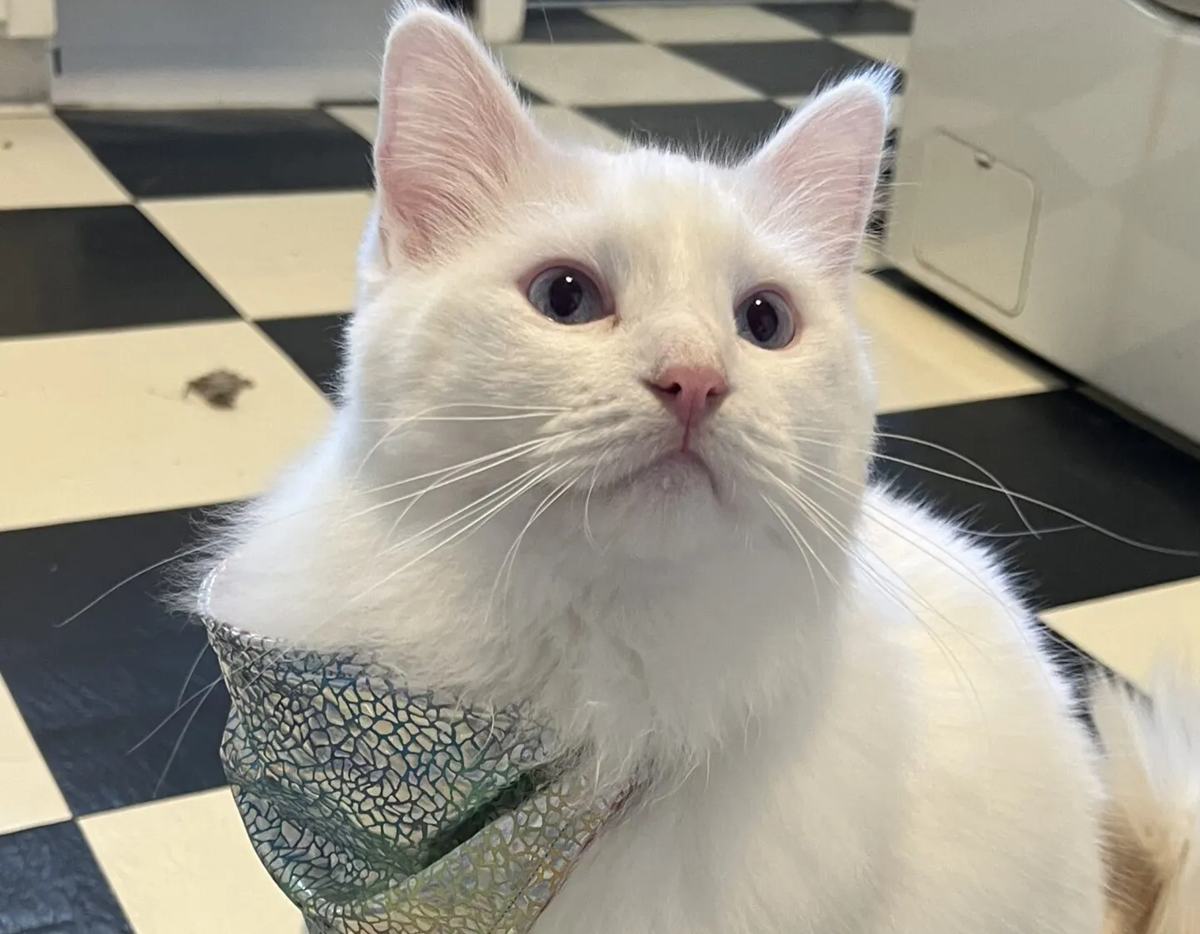
Pet cloning offers potential benefits, but it also raises ethical concerns, including the welfare of surrogate cats, genetic risks, and the possibility of cloned pets being prioritized over animals in shelters and rescues. Belle the Clone Kitty / Clonekitty.com
The practice of cloning any animals, including beloved pet cats, brings both exciting possibilities and ethical controversies. On the positive side, cloning can help preserve endangered species, give bereaved pet parents a piece of their lost pet in a new life, and provide other benefits. But cloning comes with many negatives and dilemmas, including the quality of life of surrogate cats used in laboratories., inbreeding and genetic mutations in the gene pool if the practice becomes widespread, and living animals in shelters and rescues being overlooked to produce a clone.
To learn more about cloning cats, read our veterinarian-authored article.
As for Belle and Chai, while Anderson is very happy with the results, she cautions that cloning a cat is not for everyone. If anything, the steep price tag – now $50,000 through ViaGen—double what she paid – makes it out of reach for most people. And expecting to get the exact same cat is not fair to either the new cat or the person.
“I’d definitely caution people to really think about it before they jump into an emotional investment,” Anderson says. “You miss your pet so much and you just want to see them again, and that’s really not what this is for.”
Otherwise, if your motives are pure, your expectations are realistic, and you can afford it, Anderson says, “absolutely go for it.”
“It can be one of the most amazing experiences of your life,” she says. “But separating your grief from your actual intentions is really important.”
You can follow Belle and Anderson on social media: TikTok at @clonekitty, Instagram at @clonekitty, YouTube at @clonekitty, and X at @realclonekitty
I remember cloning from decades ago. I thought it was stopped due primarily to life-threatening genetic disorders. I hope her new ragdoll doesn’t suffer pain or genetic setbacks.