 Last updated Aug 3, 2026


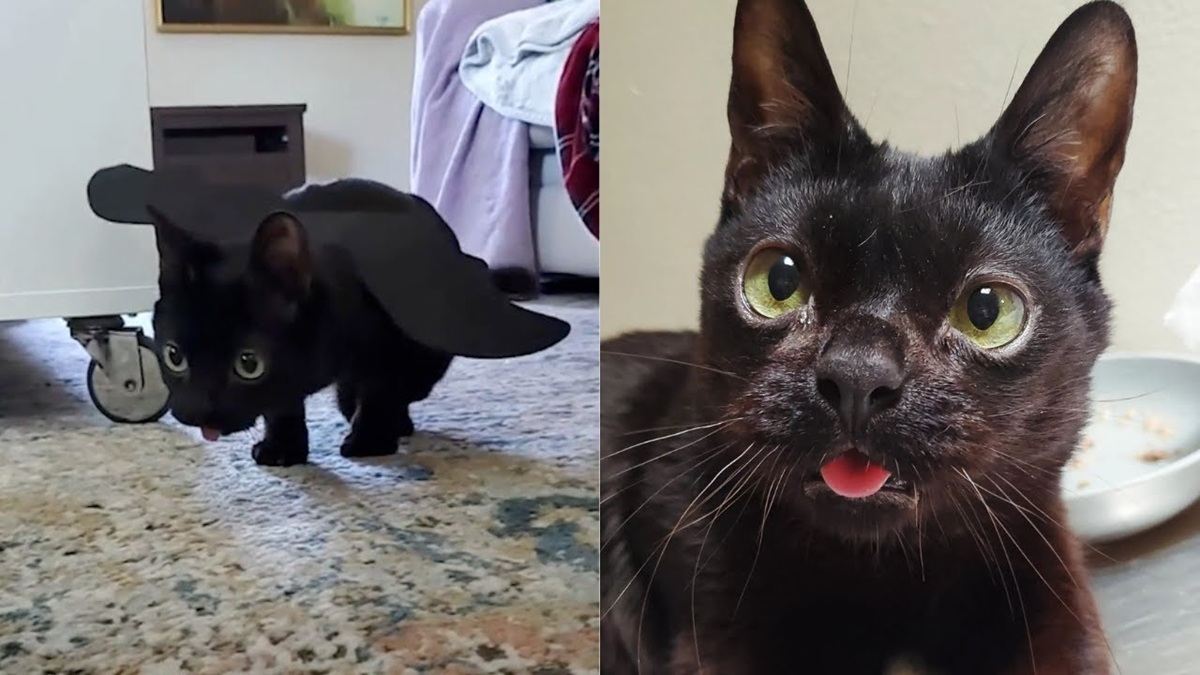
Image Credit: The Cat Chronicles
Adopting a disabled cat can be a lot of work, but many cat parents say that their caretaking brings them closer to their cat than they ever imagined. This is certainly true for wobbly cat Skippy and his mom, who are attached at the hip!
Below, we’ll talk more about Skippy and all there is to know about dwarfism in cats.
Abandoned in a Field
Skippy and his mom first met at the animal hospital where she works. Her coworker’s sister heard a cat in a field for a couple days, but couldn’t see him anywhere! It took her time to find him, but once she did, she brought him in.
Poor Skippy wasn’t walking, and no one was sure what had happened to him. Had someone abandoned him in the field? Was he hurt?
His mom decided to foster him temporarily while they nursed him back to health, but very quickly fell in love. “Now he’s mine!” she says.
Not a Simple Recovery
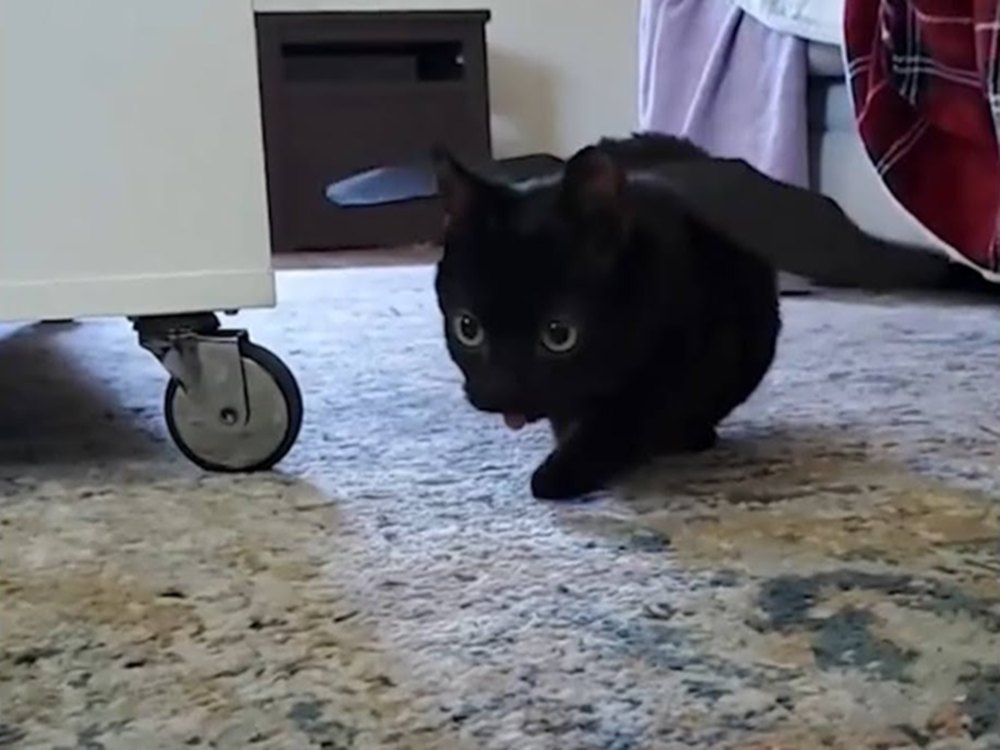
Image Credit: The Cat Chronicles
Unfortunately, Skippy’s condition wasn’t something he could heal from entirely. While some dwarf cats can run and jump, Skippy’s mom says, his mobility is very limited. He typically sits wherever she puts him.
He can get around enough to go in and out of the litter box, but requires constant care, and can’t be left at home while his mom works like most cats. Luckily, she’s able to bring him with her!
Her coworkers and clients love fawning over him, too. He gets plenty of affection and treats, and he loves being a lap cat. Overall, he has a good life.
“I feel like he was put here for me,” his mom says. She loves him to death! At home, they snuggle and the two of them simply enjoy each other’s company.
More About Dwarfism in Cats
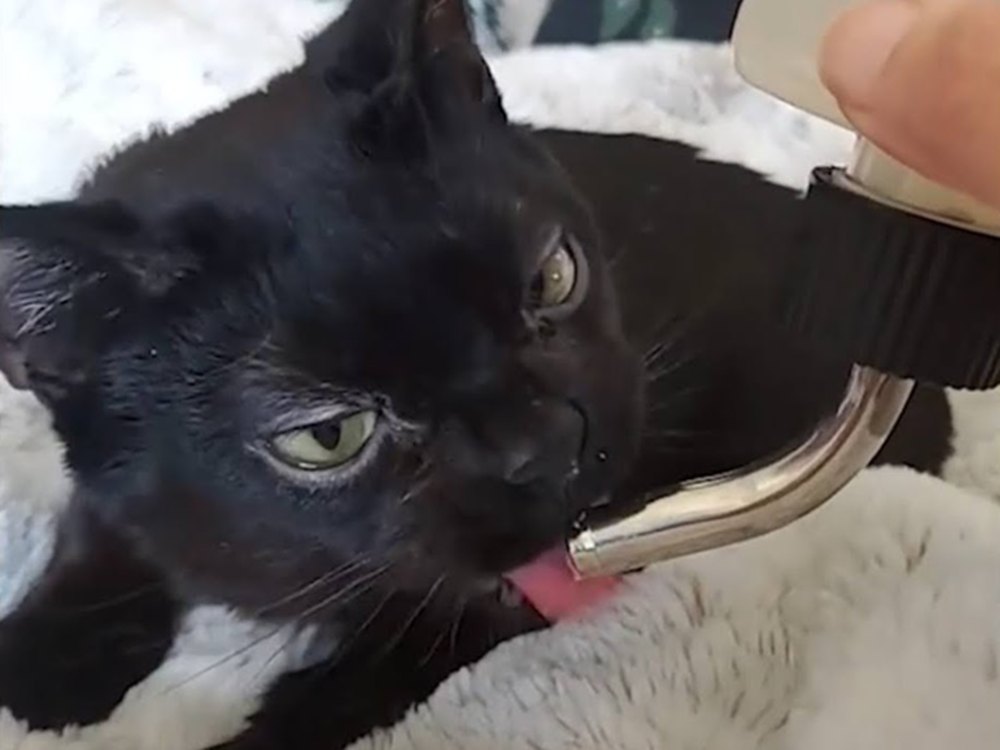
Image Credit: The Cat Chronicles
Dwarfism in cats has several causes, including issues with the pituitary gland, congenital hypothyroidism (when a cat is born with a thyroid that doesn’t produce enough hormones), and osteochondrodysplasia (abnormal bone growth).
Dwarf cats typically have normal sized bodies with short, stumpy legs. While this is adorable, it often comes with some severe downsides.
Some people breed dwarf cats on purpose, but it’s not recommended by the breeding community at large because of the health problems it can cause. Cats with dwarfism often face lifelong challenges, including a much higher risk of developing mobility problems like Skippy.
They may need daily medications to regulate their hormones, or surgery due to abnormal growth. They may have chronic pain or neurological problems.
If you’d like to adopt a cat with dwarfism, it’s important to know the health challenges that may lie ahead. Of course, we only recommend rescuing these sweet cats–never purchasing one from a breeder!