
 Last updated May 24, 2026


Katelynn Sobus / Cats.com
There are a lot of reasons for cat eyes watering. A small amount of discharge or ‘crust’ is normal at the corner of a cat’s eyes, but if you start to notice constant weeping discharge or a sticky, yellow goop, these may be cause for concern.
Watery eyes are also known as epiphora and can occur due to a range of factors, from the overproduction of tears or allergies to infections or something stuck in your pet’s eye.
Quick Overview: Cat Eyes Watering
 Urgency: Moderate
 Requires Vet Visit: Yes
 Seen in Cats: Frequently
 May be Linked to: Upper respiratory infection, tear duct disorder, allergies, scratch or ulcer on the cornea, conjunctivitis, foreign material in the eye, dry eye (keratoconjunctivitis sicca), structural disorders of the eyelid.
 Treatment Options: Eye drops of one kind or another are often employed which may include an antibiotic, a steroid, antihistamine, or other drugs. Structural concerns of the eyelid may be addressed with surgery. Clogged tear ducts can be flushed, typically under sedation or general anesthesia.
What Does It Mean if a Cat’s Eyes Are Watering?
There are a lot of reasons your kitty’s eyes may be weeping, and while some reasons are harmless, it’s always important to find out why this is happening to your pet’s eyes in case there is a more sinister underlying cause.
A cat’s eyes should be bright and clear. You should be able to clearly see their pupil (black) and iris (colored) parts.
If you notice the occasional clear-colored, watery discharge from your pet’s eye it may not be anything to worry about. But if it recurs regularly, persists, or if the discharge becomes yellow or sticky then there may be a cause for concern. Other signs that your cat’s eyes may be bothering them include cloudiness to their eye, pawing at their face, or excessively blinking or squinting.
Causes of Watery Eyes in Cats
Some of the common causes of watery eyes in our feline friends include:
Upper Respiratory Infections
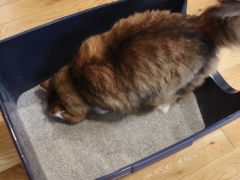
Cat flu can cause a runny nose, watery eyes, and lethargy, and may lead to pneumonia if left untreated. Kirsten McCarthy / Cats.com
Upper respiratory infections in cats including cat flu cause snotty noses and weepy eyes alongside general feelings of lethargy and malaise in pets. Infections tend to be viral but can also be bacterial which can lead to life-threatening pneumonia if untreated.
Corneal Injuries
These include scratches or ulcers on the surface of a kitty’s eye. These are incredibly painful and need treatment immediately to prevent further damage to the eye that may require surgery.
Blocked Tear Ducts
There are many things that could cause your kitty’s tear ducts to become blocked but the simplest causes may be dust or mucus. Tear ducts may also become inflamed or scarred down with chronic infection. Rarely in some cats, a tear duct may not form properly from birth. Tears can’t drain properly from your pet’s eyes when these ducts are blocked and lead to what appear to be weepy, wet eyes and face.
Foreign Bodies
The most common foreign body in eyes tend to be grass seeds, particularly in late summer and fall. These tend to get trapped underneath the third eyelid causing irritation which leads to increased tear production. Entropion (turned-in eyelashes) can also act as foreign bodies and irritate a pet’s eyes.
Conjunctivitis (Bacterial or Viral)
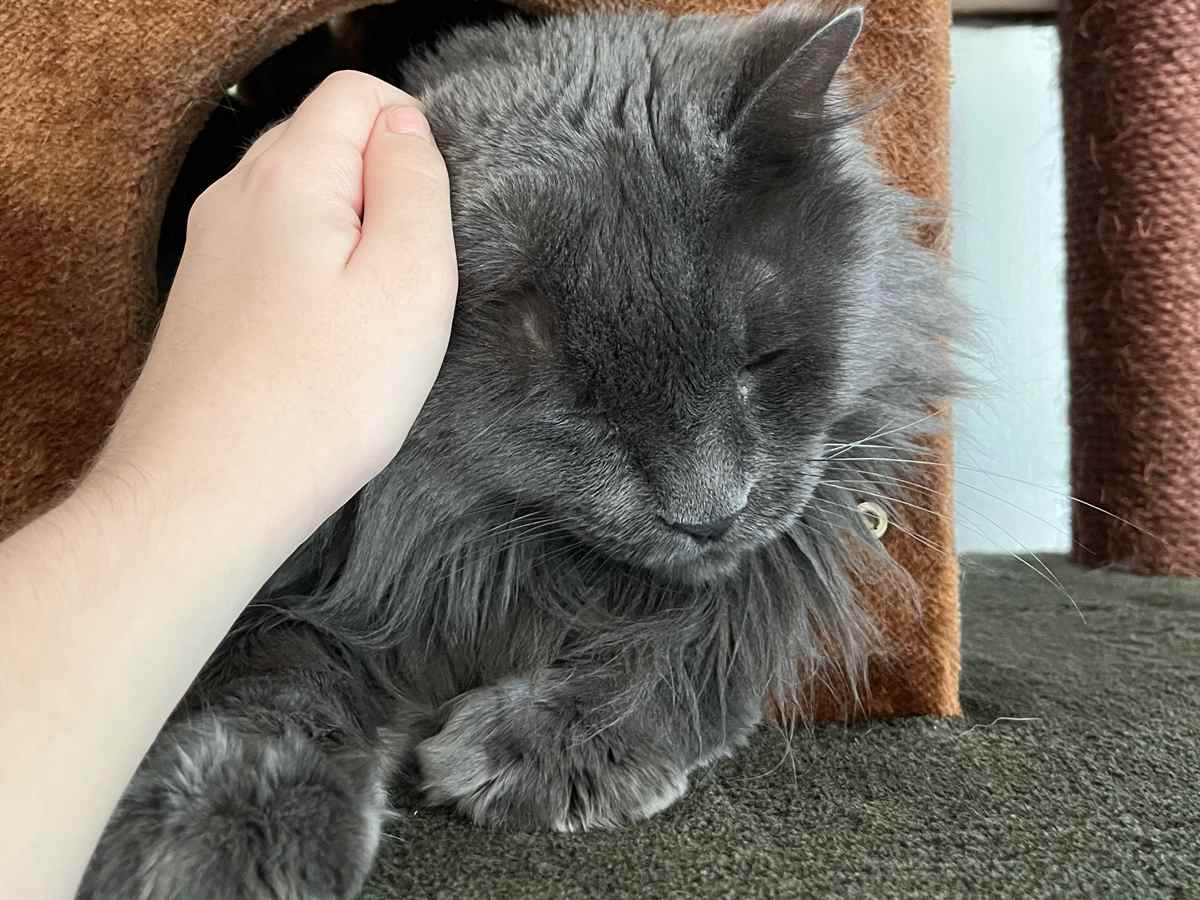
Conjunctivitis is inflammation of the tissues around the eye, causing redness, swelling, and watery or yellow discharge. Katelynn Sobus / Cats.com
Conjunctivitis is inflammation of the pink mucosa surrounding a cat’s eyes and tends to make the eyes appear swollen and reddened. The discharge associated with this can be clear and watery or thick and yellow if there is a bacterial infection.
Allergies
As with humans, pet cats can be allergic to a range of things including dust and pollens. Weepy eyes may be a sign of such an allergy. Some felines with these allergies may also appear itchy or groom excessively.
Keratoconjunctivitis sicca
Commonly described as “dry eye”, this condition is associated with underproduction of the natural tear film on the eyes. This means your cat’s eyes aren’t being lubricated appropriately and dust isn’t being “washed” away in tears. If untreated, dry eye can lead to blindness and pets suffering from this condition tend to blink excessively and have a thick, yellow discharge from their eyes.
Breed-Related Disorders
Some breeds of cat are predisposed to eye problems with brachycephalic (flat-faced) breeds being some of the most affected. Persians and British Shorthair cats commonly have weepy eyes and tear-stained faces due in part to their skull shape and bulbous appearance to their eyes. These conformation differences can affect their tear duct structure and drainage of tears from the eye, leading to tears spilling onto the face.
What To Do if Your Cat’s Eyes Are Watering?
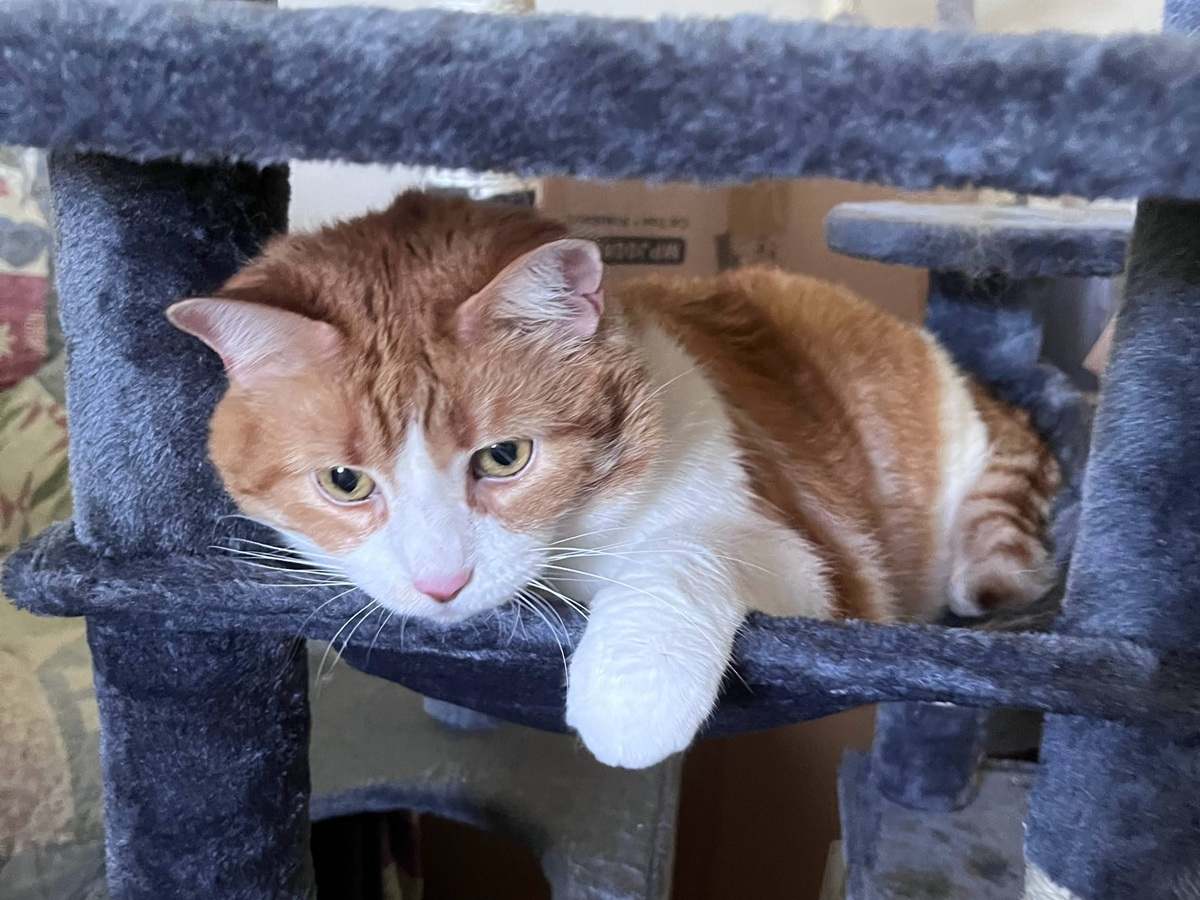
If your cat’s eyes are looking weepy, take a closer look at their behavior and appearance. If your cat is exhibiting other signs of illness, contact a vet immediately. Katelynn Sobus / Cats.com
So you’ve just noticed your kitty’s eyes are looking a little weepy. The next thing to do is look for signs of pain (squinting or pawing their face), redness or cloudiness to the eye and its surrounding tissues.
If you think there is any bulging or swelling to your pet’s eye or if there are other symptoms including sneezing or fever then you should contact your veterinarian immediately.
If your pet is acting completely normally and has only a mild discharge that has just started, you can monitor them for a few hours. You can also gently wipe away the tears with a cotton pad to determine if the discharge persists as some pets can develop weepy eyes if they have gotten a speck of dirt in their eye that is washed away and are fine within a short time.
Treatment for Watery Eyes in Cats
Treatment for ocular discharge in kitties will depend on the underlying cause of the weepy eye. If your kitty is in pain and has a bacterial infection then your veterinarian will prescribe antibiotic eye medications and some pain relief. If your cat is also ill with a fever or respiratory infection then fluid therapy and other medications may also be required.
Conjunctivitis may be treated with ointment or drops that contain steroids to reduce inflammation. However, if your pet has a corneal ulcer then these ointments can actually make their eye worse so your veterinarian will always examine your pet’s eye first before prescribing any medications. They may apply a green stain called fluorescein that fluoresces under a UV light that can help show if an ulcer is present. In some corneal injuries, your pet may actually need surgery to remove dead tissue, though thankfully this is uncommon.
Blocked tear ducts tend to be treated under sedation or a general anaesthetic as your veterinarian will need to insert a catheter into the duct and flush sterile saline through to remove the blockage. Other problems such as dry eye or allergies may require daily, long term therapy with artificial tears, steroid or immune-suppressing medications.
Cat Care Tips
If your cat has a watery eye, keep the area clean and avoid touching it if it appears painful. If your cat is in discomfort or resists handling, schedule a veterinary visit. Kirsten McCarthy / Cats.com
If your cat has a watery eye, there are some simple care steps you may take at home. Precautions include if your cat reacts painfully to any of your attempts to touch or inspect the eye(s). If something either appears really painful or you may get injured in attempts to provide care at home, it’s best just to schedule a veterinary appointment.
But for more simple cases, these basic homecare tips may provide some relief.
- Warm Compress: a warm compress can help with swelling of the lids and conunctival tissues. The safest warm compress to use is a warm, damp washcloth. This also allows gentle removal of eye debris that has collected.
- Artificial Tears: artificial tears may be used to flush the eye(s) of debris like dirt or dust and in the case of dry eye, will help provide some lubrication relief. Common brands safe to use in cats include GenTeal Tears and Refresh Tears.
Never use any human eye medications you have at home. It’s best not to use any medication in the eye without advice from your veterinarian.
Conclusion
The key information is that eyes are incredibly delicate, easily damaged and if left without treatment, some causes of watery eyes may eventually lead to blindness or requiring surgical removal of the affected eye (enucleation). If you’re ever concerned about your pet’s eye, contact your veterinarian for advice to prevent further damage to their eye.