

 Last updated May 27, 2026


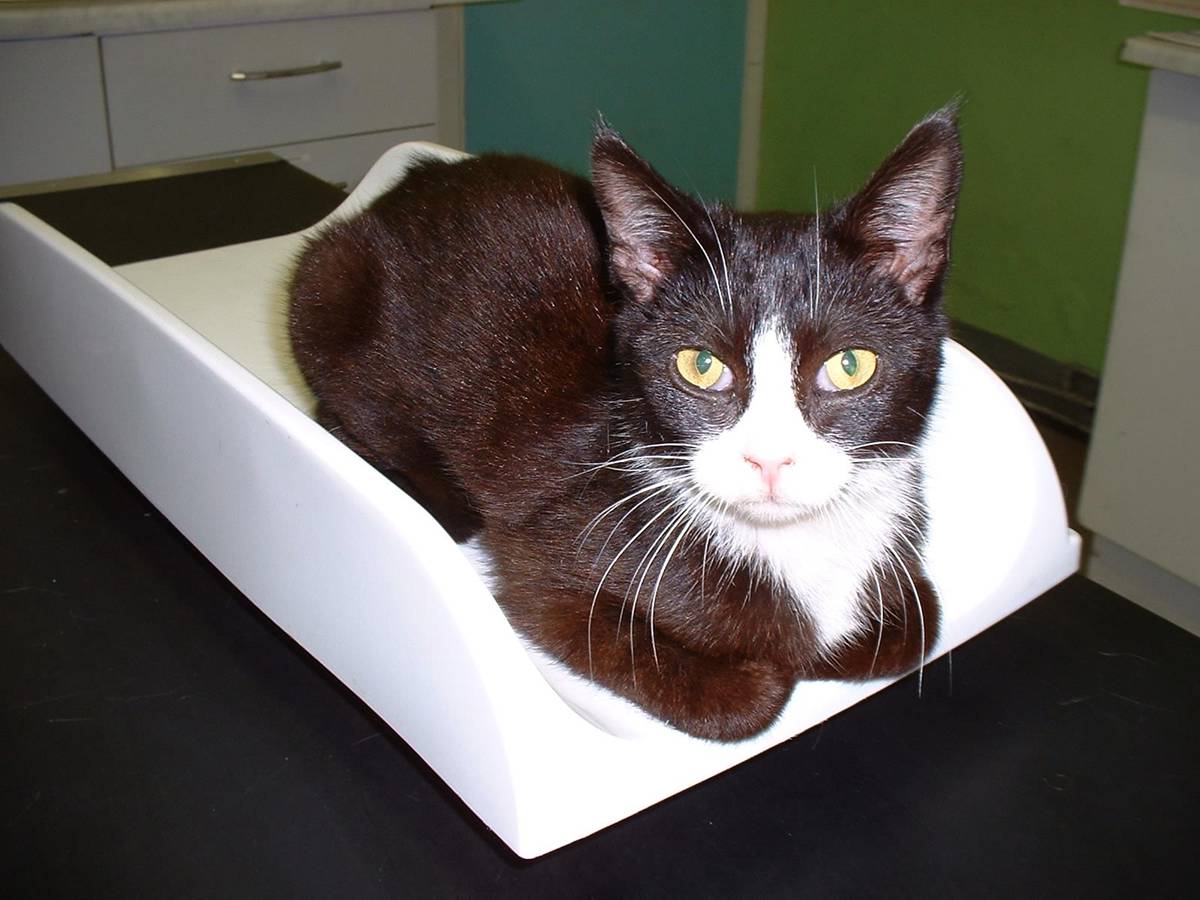
Pete Wedderburn / Cats.com
Diaphragmatic rupture or hernia is a common and serious condition in cats. Diaphragmatic rupture is a relatively common injury in cats following traumatic episodes such as road traffic accidents. Congenital diaphragmatic hernias are rare but are more common in some pedigree breeds of cats such as Himalayan and Maine Coon cats.
Quick Overview: Abnormal Diaphragm Opening (Diaphragmatic Hernia) In Cats
 Other Names: Diaphragmatic hernia, diaphragmatic rupture
 Common Symptoms: Irregular or muffled heartbeat, labored breathing, shock (from trauma), intermittent digestive disturbance (chronic)
 Diagnosis: X-rays, ultrasound, history of past trauma, findings consistent with the disease on physical exam
 Requires Ongoing Medication: No
 Treatment Options: Surgical repair of the tear or hole in the diaphragm
 Home Remedies: No
The diaphragm is the thin sheet of muscle and ligament that separates the abdomen from the thorax, keeping the abdominal contents (liver, stomach, intestines, etc.) separated from the thoracic contents (lungs, heart, etc.).
When a cat suffers a diaphragmatic rupture or herniation, a hole develops in the diaphragm, allowing abdominal contents to pass from the abdomen into the chest, so that the small intestines and other structures are in direct contact with the lungs, adversely impacting normal function.
Causes of Diaphragmatic Rupture or Hernia

A diaphragmatic hernia in cats is a serious condition that occurs when abdominal organs move into the chest cavity through a tear in the diaphragm. Chest x-ray of a kitten with a congenital diaphragmatic hernia, showing loss of a normal diaphragmatic line, organ displacement and abdominal organs migrating and compressing the chest. Melina Grin / Cats.com

A diaphragmatic hernia in cats is a serious condition that occurs when abdominal organs move into the chest cavity through a tear in the diaphragm. Chest x-ray of a kitten with a congenital diaphragmatic hernia, showing loss of a normal diaphragmatic line, organ displacement and abdominal organs migrating and compressing the chest. Melina Grin / Cats.com

A diaphragmatic hernia in cats is a serious condition that occurs when abdominal organs move into the chest cavity through a tear in the diaphragm. Chest x-ray of a kitten with a congenital diaphragmatic hernia, showing loss of a normal diaphragmatic line, organ displacement and abdominal organs migrating and compressing the chest. Melina Grin / Cats.com
There are two types of diaphragmatic hernias. Congenital diaphragmatic hernias are anatomical defects that are present at birth. These hernias can be complex, involving the pericardial sac (the bag around the heart) as well as a defect in the diaphragm (a peritoneopericardial hernia, technically called a peritoneal-pericardial diaphragmatic hernia or PPDH).
Acquired diaphragmatic hernias (also known as diaphragmatic ruptures) are caused by blunt trauma, such as road traffic accidents, falling from a height, or an attack by another animal. If blunt trauma causes sudden increased pressure on the abdominal cavity while the glottis (larynx) is closed so that the animal cannot expel air, the abdominal contents are forced under high pressure against the diaphragm, and the diaphragm muscle tears, creating a hole. Abdominal organs can then pass into the chest cavity.
If the hole is small, there might only be a small movement of organs (e.g., part of the liver might enter the chest cavity). If the hole is large, multiple organs might move (e.g., liver, stomach, intestines, and the omentum—the sheet of fibrous and fatty tissue created by an infolding of the peritoneum that normally floats around the abdomen).
The term diaphragmatic hernia is often used to describe a diaphragmatic rupture, so the terminology is not strictly adhered to in practice.
Symptoms of Diaphragmatic Hernia in Cats
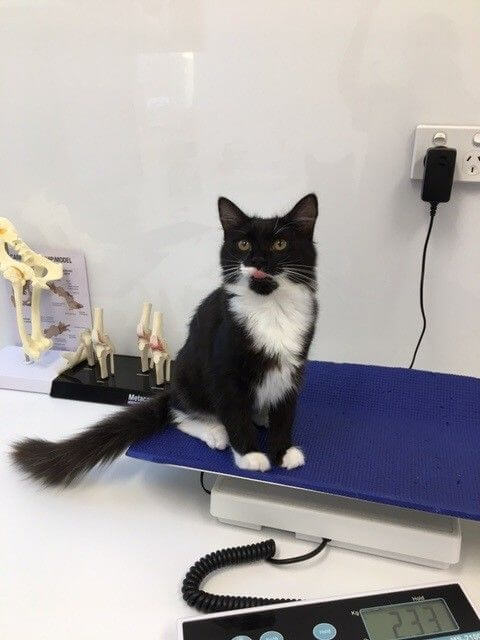
Cats with a diaphragmatic hernia may show breathing difficulties, reduced activity, weight loss, poor appetite, and a tucked-up abdomen due to abdominal organs shifting into the chest. Melina Grin / Cats.com
Clinical signs of diaphragmatic hernia in cats include difficulty breathing (dyspnea), rapid breathing (tachypnea), reluctance to exercise, dullness, weight loss, anorexia or inappetence, vomiting and/or diarrhea, and a tucked-up, empty-looking abdomen.
Diagnosis of Diaphragmatic Hernia
If your veterinarian suspects that your cat may have a diaphragmatic hernia, they will discuss every aspect of your cat’s background and overall health care. For example, indoor-only cats are highly unlikely to develop traumatic diaphragmatic rupture.
It should be noted that cats can carry an undiagnosed traumatic diaphragmatic rupture for many years, with very few signs of being unwell. Sometimes the condition is found incidentally (e.g., if a cat is x-rayed for another reason), or sometimes signs develop at a later stage in life for various reasons. The causative accident might sometimes have happened many years previously, which is why a detailed history is so important.
Physical Examination
Your veterinarian will check your cat over carefully, checking for the signs of diaphragmatic hernia. The main physical sign is often irregular or pronounced breathing, along with an empty-feeling abdomen. Other signs of the traumatic event may be present, such as fractured limbs or bruising.
If the hind legs of the cat are elevated, this sometimes makes the breathing even worse, because the abdominal contents move further into the chest cavity (this must be done with great care in case of a serious aggravation).
Other signs may include pale gums or sometimes blue-tinged (cyanotic) gums. Your vet will listen to your cat’s chest; the heart sounds and lung sounds might be obscured because the misplaced abdominal contents might be lying over them, blocking the sound.
Heart irregularities might sometimes be heard. Sometimes, intestinal gas sounds (borborygmi) might be heard when listening to the chest (in a normal cat, these can only be heard when the stethoscope head is placed on the abdomen).
Routine Blood Tests
It’s very likely that your veterinarian might carry out the usual blood work, including a standard panel of diagnostic tests, such as hematology (blood count) and biochemistry profiles. These results might be normal, or there might be some changes such as elevated liver enzymes if the liver has become trapped in the hernia.
Diagnostic Imaging
Radiography (x-rays) often clearly show the abnormality, with disruption of the normal distinct line of the diaphragm, separating the abdomen from the thorax and allowing the protrusion of abdominal contents into the chest area.
Abdominal viscera might be seen overlying the lungs and heart in the chest. Sometimes pleural and peritoneal fluid accumulation has gathered around the displaced organs, causing a so-called pleural effusion. This can obscure the diaphragmatic tear and can make diagnosis more complicated.
Ultrasound can be a sensitive way of detecting the presence of abdominal organs in the thorax and this is effective even in the presence of copious pleural fluid, so it can be a useful backup to radiography in making a definitive diagnosis.
The precise location and size of the tear need to be analyzed carefully. A ventral location of the diaphragmatic defect (lower down on the diaphragm, closer to the abdominal wall) might need a different approach to a dorsal tear (closer to the spine). The right side of the diaphragm is significantly bigger than the left side, but either side might tear.
Treatment for Diaphragmatic Hernia
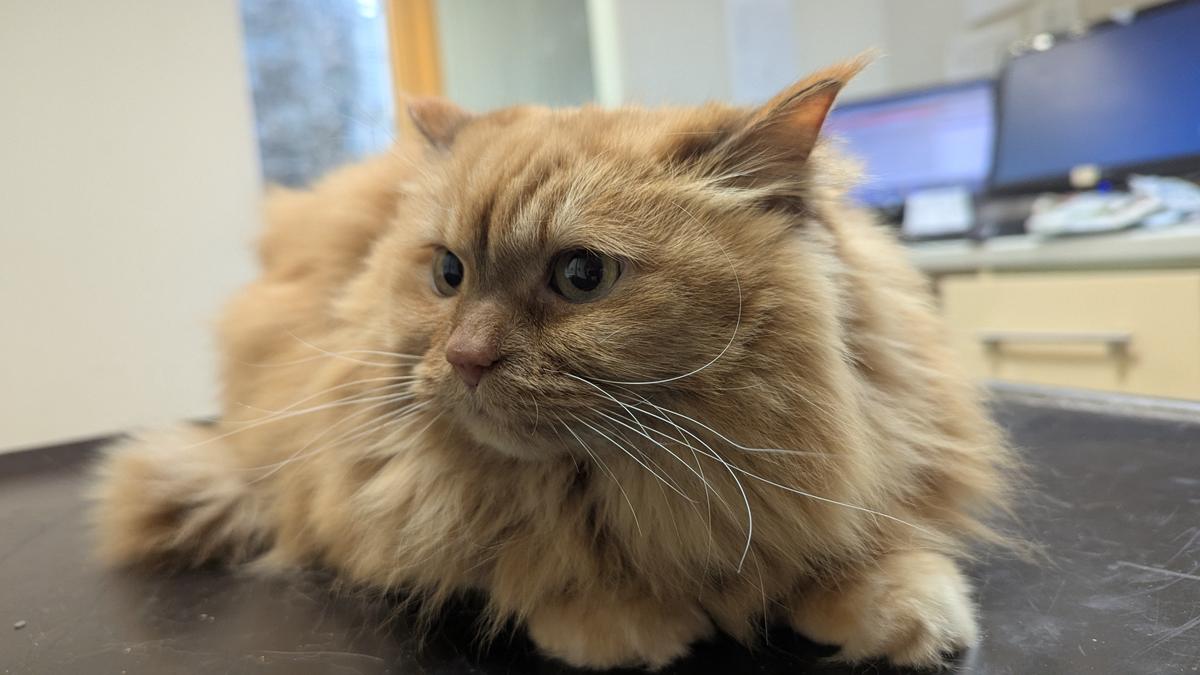
Surgical repair is the only viable treatment for diaphragmatic hernia, but the procedure is complicated. Pete Wedderburn / Cats.com
Surgical correction of the hole in the diaphragm is the only successful form of treatment, but this needs to be planned carefully. There is a greater anesthetic risk than in many surgeries due to the nature of the problem.
The immediate priority is to stabilize an affected cat as they have suffered major general trauma. It is important that they are fully stabilized before commencing the surgery to repair the tear in the diaphragm. This might mean that the surgery might need to be delayed for 24 hours or more.
However, the operation to repair the diaphragmatic hernia should not be delayed for too long; it should be carried out as soon as the patient is fully stabilized. The repair is usually conducted through a midline incision in the abdomen. Rarely, an additional incision in the thoracic wall might be needed, to improve visibility and access.
It’s important to note that the surgery involves high risks: an anesthetic assistant (a veterinarian or a veterinary technician) needs to use a ventilator to inflate the cat’s lungs during the procedure, as they may be unable to breathe for themselves due to the damage to the diaphragm.
The lungs might be collapsed after the accident, and care must be taken not to forcibly reinflate the lungs too rapidly or harshly, as this might damage the lungs and potentially cause a complication called re-expansion pulmonary edema.
Complications during the surgery can include adhesions between the displaced abdominal organs and the contents of the chest cavity. These need to be carefully broken down as the various structures are separated and placed in their correct locations.
After the diaphragmatic hernia is closed, air needs to be drawn out of the thoracic cavity to recreate the vacuum that allows the lungs to expand in normal breathing. The final suture needs to be placed with care, with the lungs inflated to optimize that vacuum and to minimize the risk of pneumothorax (air being present around the lungs). A chest tube might be left in place to allow repeated drawing out of the air, as well as fluid, in the immediate post-operative period.
It’s difficult to estimate the cost of treating a diaphragmatic hernia, as there are so many possible factors going on in the background of individual cases. The surgery needed to remedy the problem depends on the precise size, shape and location of the tear in the diaphragm. Ask your veterinarian for a detailed estimate before agreeing to proceed with treatment.
Monitoring and Prognosis
Cats are likely to be in intensive care for some time post-operatively, with oxygen therapy and close monitoring. As well as frequent physical rechecks, repeated X-ray checks might be taken to monitor the cat postoperatively.
The prognosis is variable, with between 50% to 90% of cats making a full recovery from surgery to repair a diaphragmatic hernia. The outcome depends on the type of diaphragmatic hernia and the overall underlying health of the patient. For example, even if a traumatic diaphragmatic hernia is treatable, other injuries sustained during the trauma may affect recovery and success.
Post-Surgical Care After Repair of Diaphragmatic Hernia
The good news is that following surgery to repair a diaphragmatic hernia, in most cases cats are soon able to return to their normal active lives, with no specific restrictions. The surgery is very major, so there are risks during the procedure, and it’s very important to rest them strictly for up to a month after the surgery, to allow full healing to take place.
You should strictly follow the advice of your own veterinarian during this crucial period. But once a month has passed, in most cases the tissues that had been damaged will have fully recovered. The surgery usually returns the cat’s internal anatomy to normal, so longer-term complications tend to be minimal. There are, of course, exceptions to this general rule, but your own veterinarian will advise you if this is the case.
Final Thoughts
Diaphragmatic rupture is a serious condition with a profound impact on affected cats. Treatment, involving surgical repair, is possible, with a good chance of a full recovery.
I recently took a rescue in for her spay. X-rays revealed she doesn’t have a diaphragm of any kind How is she breathing? She is active and appears normal
Are you sure that the cat doesn’t have a diaphragm? In very rare cases, a kitten might be born without a diaphragm. This is a very severe case and would be life-threatening, as it allows abdominal organs to spill into the area of the heart and lungs, restricting the function of these organs. I would talk with your vet about what’s going on.