
 Last updated Mar 8, 2023


Kirsten McCarthy / Cats.com
Mild headaches are pretty commonplace for us humans and don’t often give us any cause for concern. But do our cats get headaches as well? Although it’s impossible to prove that they get the same fleeting headaches as us, there are actually plenty of reasons for your cat’s head to hurt! Read on to find out what might be causing their headaches and how they might tell you about it.
No one can say for sure if cats get typical "harmless" headaches (called primary headaches) like humans do. Secondary headaches, which are caused by a more severe underlying disease, have been proven to cause significant pain in cats. Cats are good at hiding their pain, but some common pain symptoms in cats include excessive vocalization, aggressive behavior, body tension, and withdrawal.Key Takeaways
Do Cats Get Harmless Headaches Like Us?
Primary headaches are considered the benign, “harmless” headaches that humans might get, which with a few painkillers will resolve swiftly. Secondary headaches are caused by a more severe underlying disease that might cause more severe or recurring headaches.
It is very difficult to prove that cats get benign primary headaches and there have been very few studies to look at this, so it is impossible to say how often they occur. There are many possible causes of secondary headaches, however, and they certainly have been proven to cause significant pain.
Like humans, when cats experience headaches, they might also experience cluster headaches or tension headaches. This area of the literature in cat health is lacking, but there are definitely causes of headaches that vets do know occur in cats and how we can treat them best.
How To Recognize Your Cat Is in Pain
It can be very difficult to determine if your cat is in pain sometimes because cats are very good at masking pain. Not only that, but cats struggle to communicate their pain to us in a way we’d understand. Therefore, it is useful to know some behavior changes that might indicate your cat is in pain. These can include (according to the Glasgow Composite Measure Pain Scale):
- Excessive vocalization (frequent meows, crying, growling, or groaning)
- Restlessness (they might be fidgeting more)
- Licking lips
- Tense or crouching (they might look hunched or rigid)
- Ears angled down and outward
- Not responding to stroking or vocal greetings as they normally would
- Aggressive behavior when you attempt to pick them up or touch them (biting, hissing, or scratching)
- Inappetence
- Lethargy or overall dullness; lacking motivation to move or interact with you
- Open mouth breathing (panting), or shallower, faster breaths
Possible Causes of Headaches in Cats
1. Head Trauma
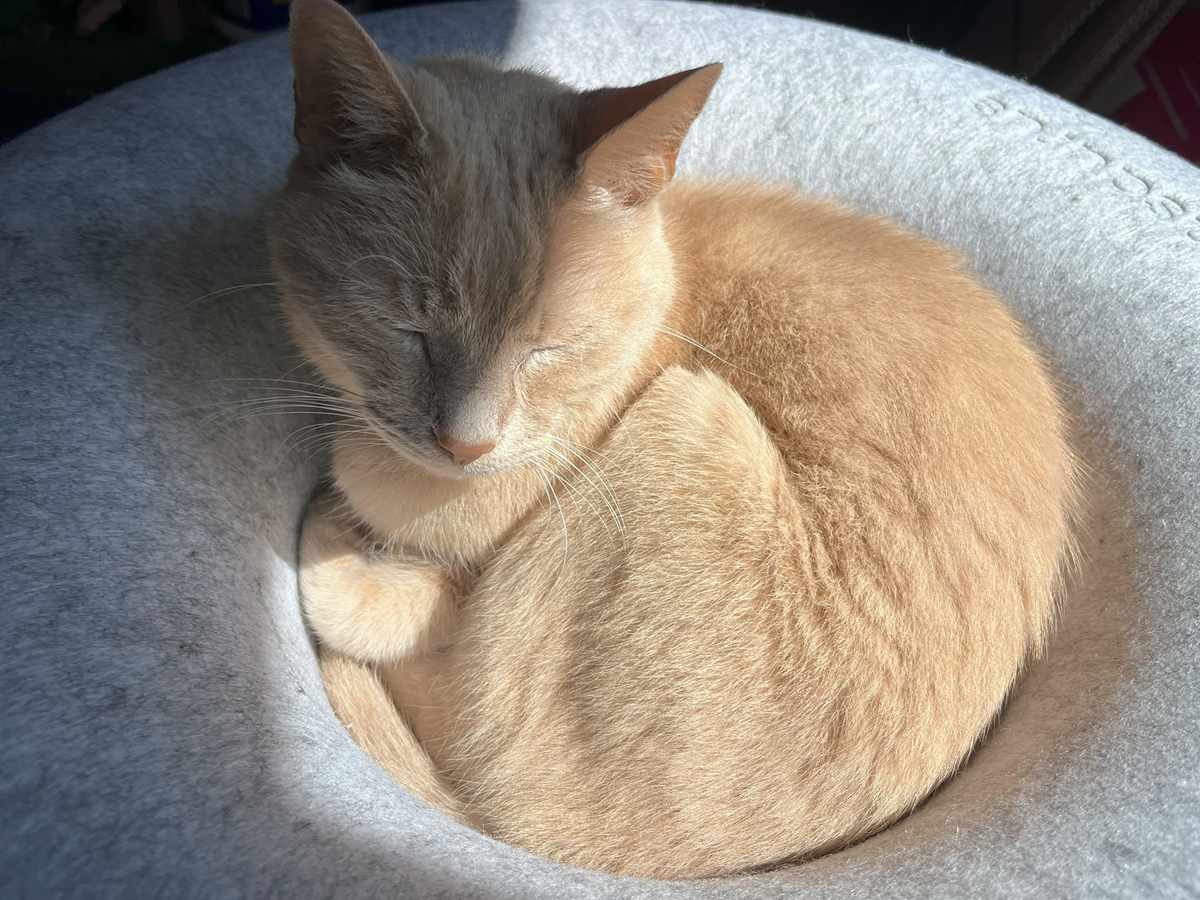
Even if there is no sign of a head wound, head trauma may cause unusual behavioral signs, such as unusual eye movement, abnormal balance, varying consciousness, or seizures. Katelynn Sobus / Cats.com
Head trauma can vary in severity according to the degree of impact, and where the impact occurred. Cats can sustain head trauma from fighting, accidentally running into glass walls, road traffic accidents, or by being hit or fallen on by an object.
Often a wound on the head will clearly indicate your cat has had trauma to the head. However, if there are no obvious external signs, you might notice more unusual behavioral signs such as unusual eye movement, abnormal balance, varying consciousness, or seizures.
Some head trauma can be extremely dangerous. If you suspect your cat is showing signs of head trauma or if you saw the incident causing head trauma yourself, you should contact your veterinarian right away.
2. Dehydration
Dehydration can cause headaches so it’s really important to make sure your cat has plenty of access to water around the house. Sometimes cats won’t drink water if the water dish is too small, not kept fresh, or too close to their food bowl.
Cat owners also often find that their pet prefers to drink from running water so try checking out cat water fountain and making sure they’re filled with fresh water if you don’t think your cat is drinking enough.
You could also try feeding them wet food if they’re fussy about drinking
Dehydration can also be caused by overheating. On very hot days, be mindful that cats can suffer from heat exhaustion, so keep them cool to avoid this.
3. Tumors
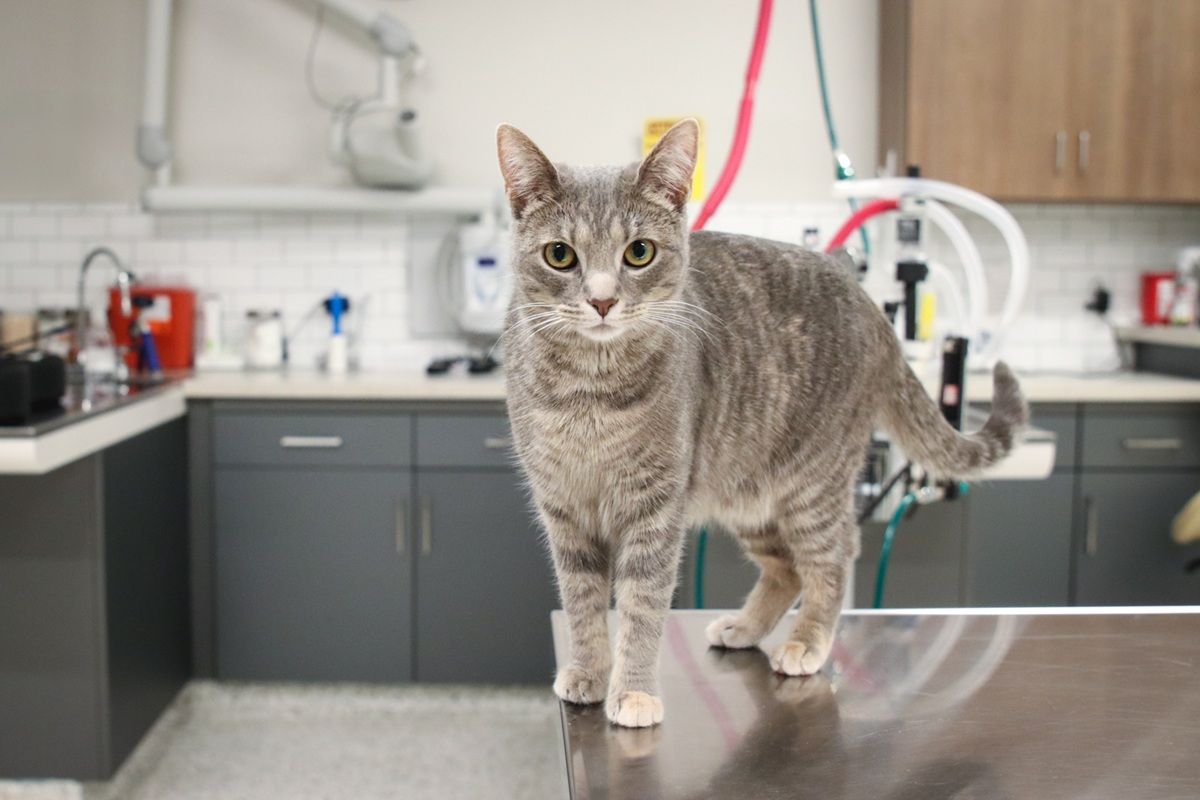
X-rays might be recommended if your veterinarian is suspicious of tumors in the head or brain. Kirsten McCarthy / Cats.com
Although something every cat owner hopes they never have to deal with, brain tumors can occur in cats and cause headaches. Tumors in the head or brain in cats might also cause some abnormal behavior such as seizures, imbalance, blindness, or head tilting. If you think your cat might have persistent head pain and/or any of these other clinical symptoms, contact your veterinary clinic for an examination.
4. Dental Pain
Dental pain is a common cause of severe headaches in cats although they are very good at hiding their dental pain symptoms. Many cat owners expect their cats to stop eating or drop their food while eating if they have dental problems, but cats will often carry on eating as normal despite having serious tooth pain.
Your vet should check your cat’s teeth at your annual wellness checkup, but if you’re concerned, we advise you to book a checkup sooner.
5. Sinusitis
Just like you and I, upper respiratory infections like the common cold can occur in cats as well and the inflammation of the sinuses can be very painful. Nasal congestion causing pressure within the sinuses might also cause your cat to sneeze.
Sinusitis can also be caused by allergies in cats. Allergens could be anything from dust to new air fresheners.
What To Do if You Think Your Cat Is in Pain
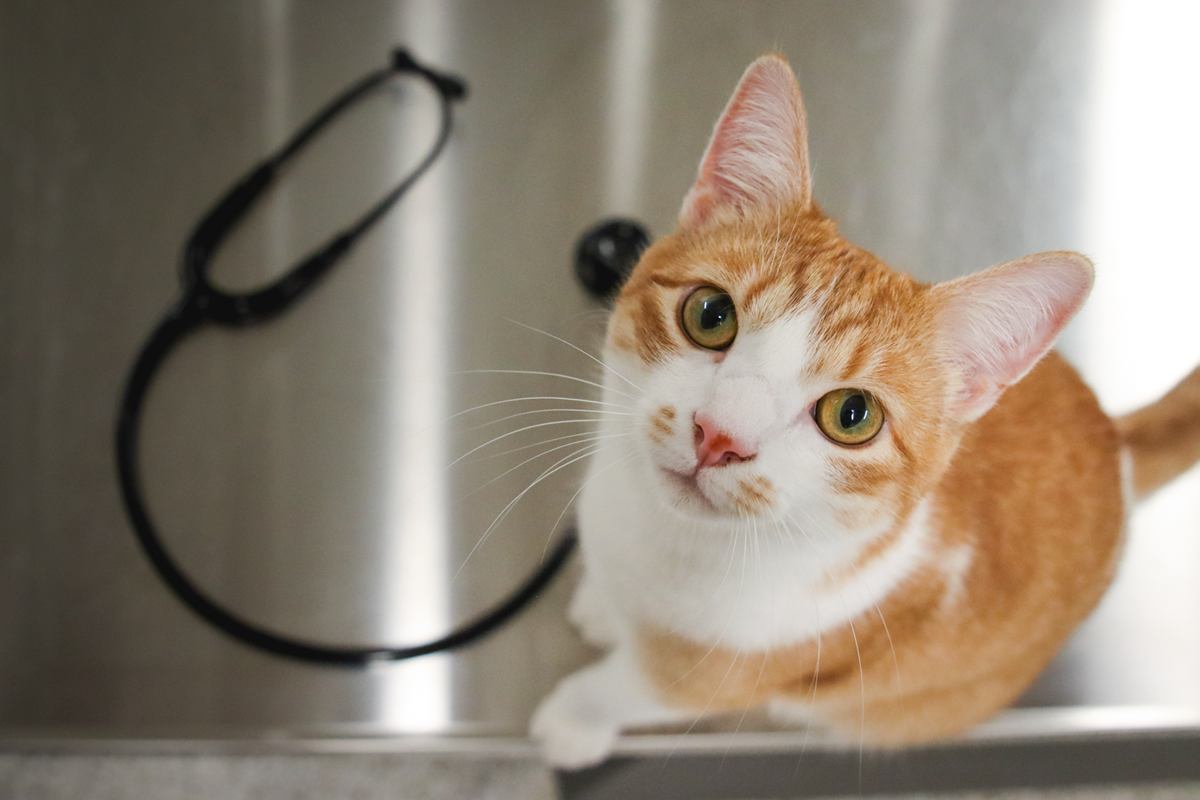
You cat can’t speak up for themself, so if you’re worried about headaches, talk to your vet. Kirsten McCarthy / Cats.com
If you’re worried your cat might be experiencing a headache or repeated headaches, talk to your vet. They might be able to advise you over the phone, depending on the symptoms you describe, or they might suggest you bring your cat to their clinic for examination and any diagnostics they deem necessary to diagnose their cause of pain.
In Summary
There are plenty of issues that could be causing your cat’s headaches. However, recognizing the signs of pain in the first place is very difficult. By being responsible pet owners, and learning what sort of symptoms to look out for is a great first step to noticing when your cat might have a headache and then getting them checked out by a veterinarian as soon as possible. This should lead to head diseases getting diagnosed earlier and hopefully easier to treat.
Frequently Asked Questions
Can you tell if a cat is in pain?
Cat owners might know their cats well but cats are often good at hiding their pain. Common pain symptoms include excessive vocalization, aggressive behavior, body tension, and withdrawal.
Do animals suffer from headaches?
Animals do suffer from headaches, although different animals can suffer from different diseases that cause head pain. If you’re worried your pet might have a headache, talk to your vet and discuss their symptoms.
Why do cats press their head against the wall?
Cats might press their head against the wall if they’re suffering from a neurological disease. There are a number of possible reasons to cause this neurological deficit and brain damage.
-
University of Glasgow, & Edinburgh Napier University. (2015). Glasgow Composite Measure Pain Scale—Feline (CMPS-Feline). Animal Pain Management Research & Veterinary Teaching.