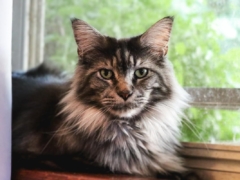

 Published Oct 4, 2026


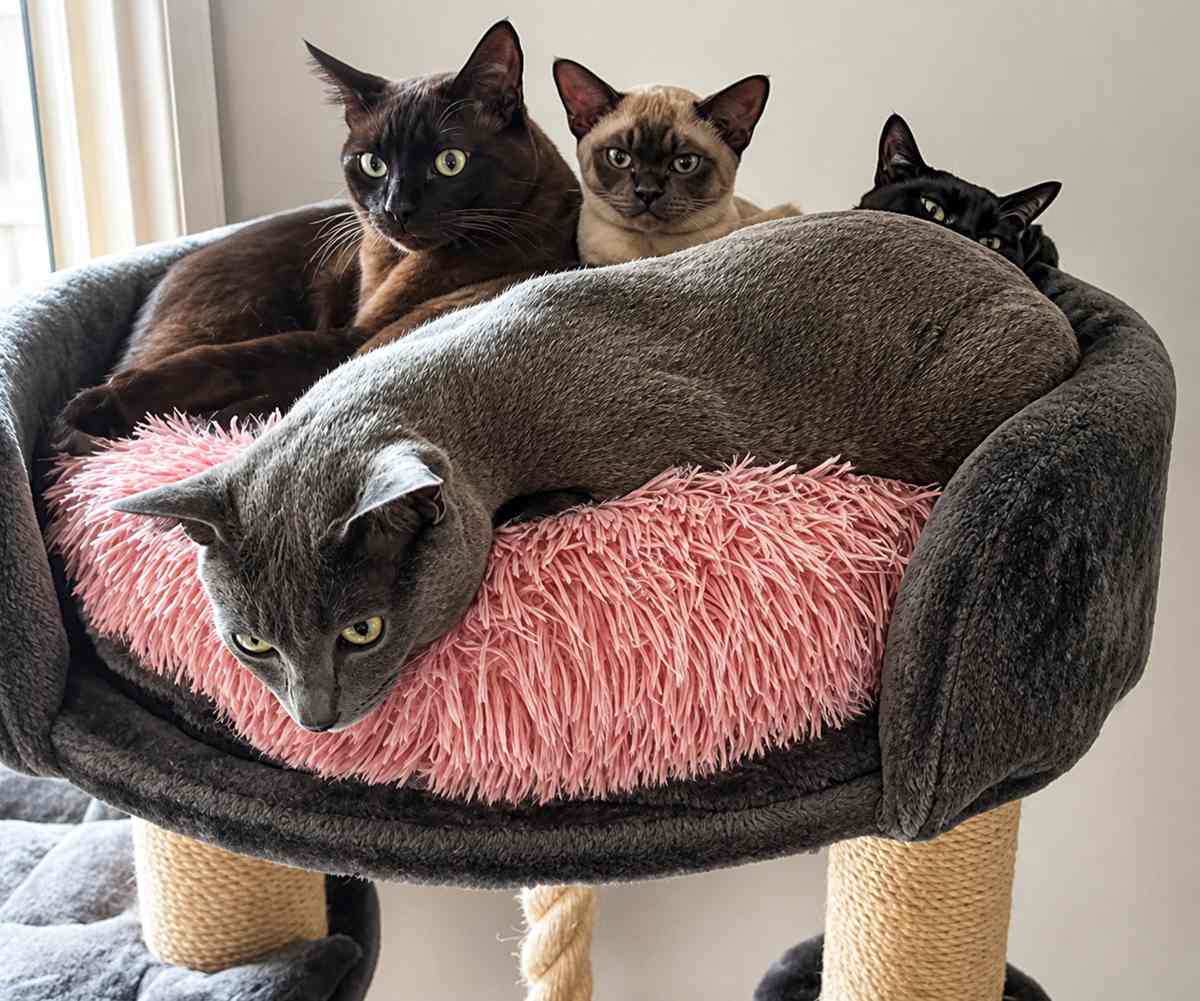
Melina Grin / Cats.com
Finding out your cat swallowed a pair of socks and part of your underwear is a pet owner’s worst nightmare.
If your cat exhibits a peculiar obsession with eating jumpers, socks, or other fabrics, you’re certainly not alone. Some cats develop a habit of consuming soft toys and clothing, which can be perplexing and deeply concerning for veterinarians and owners alike.
Let’s explore why your cat might be targeting your wardrobe and how you can help stop this alarming behavior.
Why Does My Cat Eat Socks and Underwear?
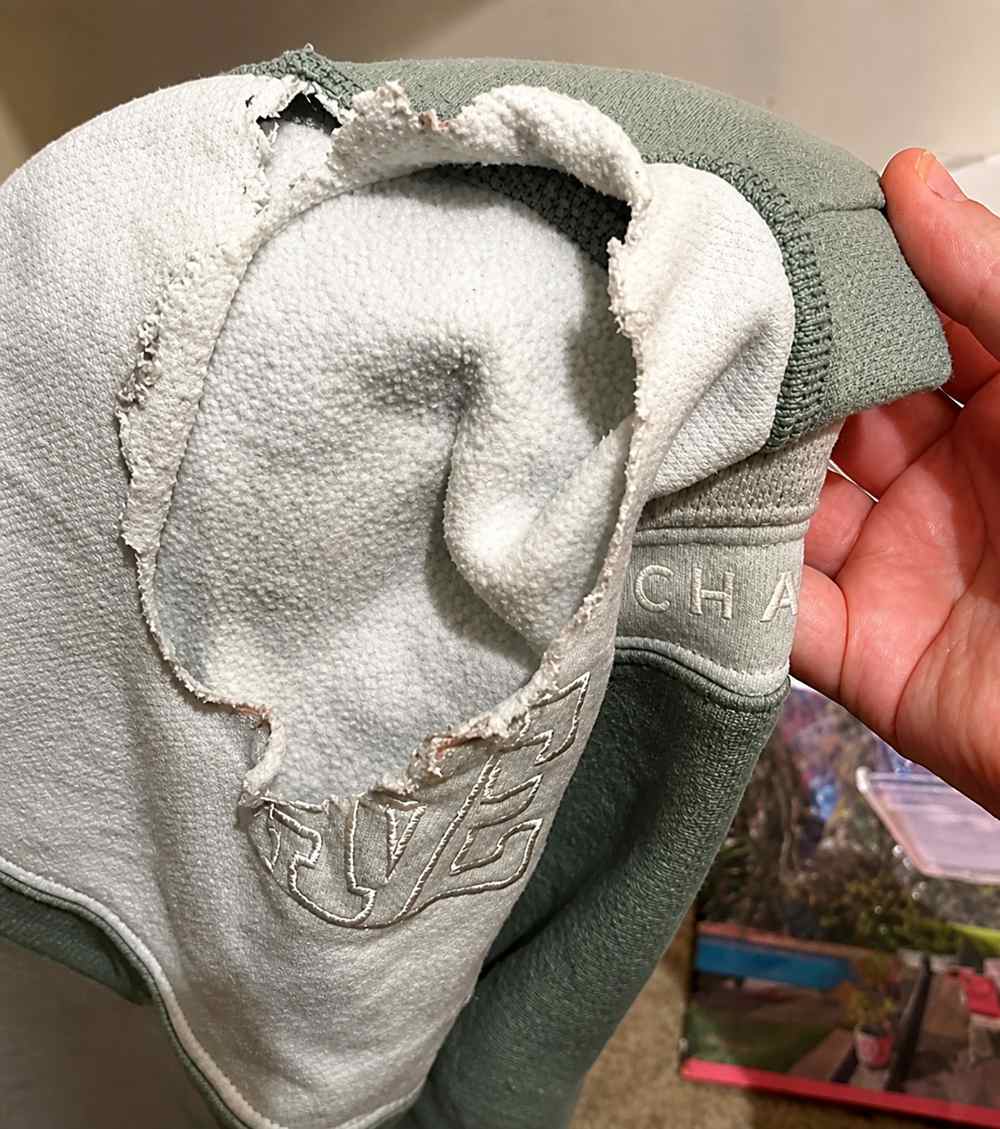
If a cat ingests fabric, contact a veterinarian or an emergency animal hospital immediately, as this is a life-threatening emergency. Melina Grin / Cats.com
It’s crucial to know the difference between chewing and swallowing. While some cats merely suckle or chomp on fabric for comfort, ingesting these items can cause life-threatening intestinal blockages. Understanding why your cat craves fabric is the first step towards correcting this peculiar habit.
1. Medical Causes
Several underlying health conditions, such as gastrointestinal disorders (including inflammatory bowel disease), anemia, feline infectious peritonitis, dental or oral pain, and metabolic diseases such as diabetes mellitus and hyperthyroidism, can trigger strange dietary cravings.
2. Signs Point to Pica
Pica is an eating disorder in which a pet chews, sucks, or eats non-food items. A postal survey of 152 cat owners, mainly of oriental breeds, found that pica most frequently targeted wool (93% of cases), followed by cotton, synthetic fabrics, rubber, plastic, and cardboard (8%). Pica can start around 3 months of age or within 2 months of rehoming. Most cases start between 6 and 18 months of age, potentially coinciding with sexual maturity and territoriality. Experts note there is no single definitive cause; pica can stem from an underlying medical condition, environmental factors, or compulsive behavioral traits.
3. Dietary and Nutritional Deficiencies
Inadequate dietary fibre in commercial diets can drive your cat to seek alternative textures to satisfy a biological or behavioral drive. Additionally, micronutrient depletion in essential minerals – specifically iron, zinc, calcium, magnesium or phosphorus – can induce munching on non-nutrient items. This is frequently observed in cats fed unbalanced homemade formulations or low-quality raw food diets, though feline-specific data remain limited.
4. The Impact of Early Weaning
Kittens separated from the queen too early can develop unusual habits like nursing and grinding on soft blankets, sweaters, and even human skin. Over time, this comfort-seeking behavior can progress into chewing and consuming the material.
A case-control study of 204 Siamese and Birman cats found that early weaning and smaller litter size were associated with wool-sucking in Birman cats, while a medical condition was associated with the behavior in Siamese cats.
5. Genetics Can Also Influence Fabric Ingestion in Cats
Fabric ingestion in cats can also be tied to genetics. Kevin Camilleri, the co-founder and Chief Executive Officer of EasyDNA, points out that “Although wool-sucking and fabric chewing are reported more frequently in Siamese, Birman and other Oriental-type cats, researchers have not yet identified a causative gene or developed a DNA test for feline pica”.
For owners curious about their cat’s genetic heritage, the EasyDNA KnowYourCat Genetic and Breed Test offers a comprehensive look into their genetic history. This test analyzes a cat’s background across more than 39 distinct breeds, including Siamese, Birman, and Oriental cats. The advanced version screens for over 58 inherited health conditions and 45 physical traits. While the test can’t determine whether your cat will chew on material, it can identify ancestry from breeds known for “wool-sucking” behaviors and give owners a comprehensive picture of their pet’s health.
6. It Could Be a Self-Soothing Behavior Tied to Owner Attachment
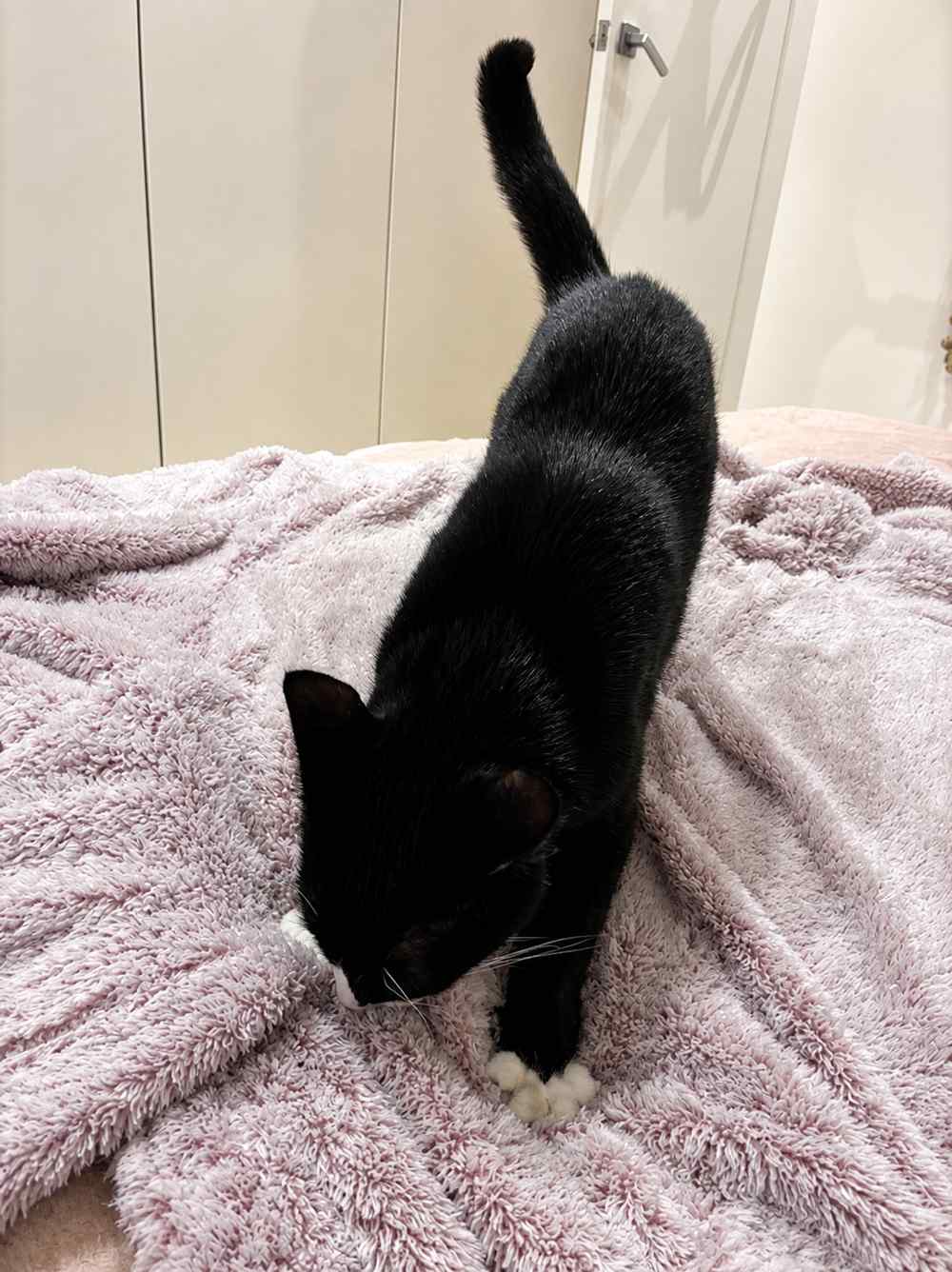
Distinguish sucking and chewing from swallowing. Melina Grin / Cats.com
Kneading, suckling, and chewing on soft fabrics mirror the soothing behaviors ingrained in a cat’s kittenhood instincts. While many outgrow this, some cats continue sucking and chewing into adulthood. This is particularly common in cats with a strong attachment to their owners. They may use these behaviors to calm and reassure themselves during long separations, such as when their owner is away on holidays.
7. Stress and Anxiety-Induced Chewing
Cats are highly sensitive to changes in their environment. Moving to a new home, introducing a new pet, having frequent visitors or changing your daily routine can trigger anxiety and unusual habits like gnawing on fabric.
Keep a diary to track when your cat targets your socks or underwear. For instance, does it happen when they are left alone for long periods, after guests visit, or at night? Identifying a pattern will help you determine whether stress may be contributing to the behavior.
8. Your Scent and Soft Fabrics Offer a Sense of Security
A simple yet surprising explanation is that your cat targets your clothes since they smell like you. Your socks and underwear carry a highly concentrated amount of your natural body odor. This familiar scent provides your cat with a deep sense of security, making unwashed laundry more appealing than clean clothes. However, this comfort behavior of sucking on underwear can sometimes escalate into chewing or swallowing chunks of clothing, which can pose a serious health risk to your pet.
9. Boredom and Frustration-Induced Chewing
Indoor cats need physical and mental stimulation to keep them happy and fulfilled. If you work long hours and your feline doesn’t get enough opportunities to scratch, climb, explore, hunt, or go outside, they may seek their own entertainment. Chewing clothing gives them something to do and can be rewarding, especially if the fabric has a stimulating texture.
Is It Dangerous for Cats to Eat Clothing?
Yes, swallowing fabric can be dangerous!
While small pieces of material may pass through a cat’s digestive system, larger fragments can lodge in the stomach or potentially cause an intestinal obstruction. This is especially risky for underwear, socks, wool, and fabrics that can unravel into long strands. If your cat has gulped clothing before without becoming sick, don’t assume they will be safe the next time. Ingesting fabric can cause choking or a serious abdominal emergency that often requires emergency surgery.
What Should You Do If Your Cat Swallowed Underwear?
If you suspect your cat has swallowed fabric, contact your veterinarian immediately. If you see a yarn or string protruding from your cat’s mouth or anus, never pull it, as it can become lodged and cause irreversible gastric damage. Also, don’t attempt to induce vomiting at home.
Seek urgent veterinary attention if your cat develops the following signs:
- Vomiting
- Continual retching
- Loss of appetite and food refusal
- Excessive drooling
- Straining in the litter box
- Abdominal discomfort or pain on palpation of the tummy
- Abnormal behavior and withdrawal
How to Stop Your Cat from Chewing and Eating Clothes
Use these strategies to protect your wardrobe and keep your feline companion safe.
1. Prevent Access to Temptation
- Prevent access to irresistible fabrics: keep socks, bras, underwear, jumpers, and other tempting clothes in a locked laundry basket or wardrobe rather than leaving them on the ground.
- Childproof the floor: Encourage kids to put clothes away rather than dropping them on the floor by installing wall hooks and creating hamper drop zones.
2. Enhance Your Cat’s Diet
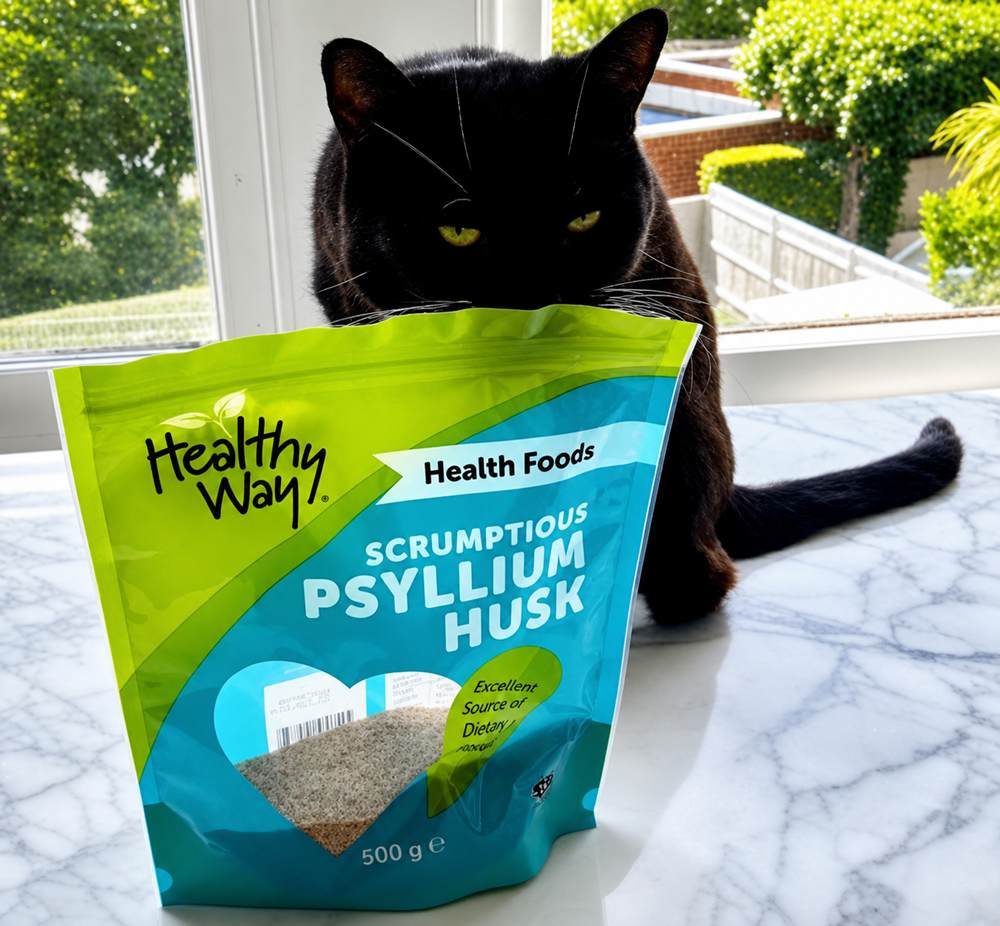
Incorporating dietary fiber sources, such as psyllium husk, may assist in mitigating pica symptoms in felines. Melina Grin / Cats.com
- See a veterinarian: Schedule a veterinary checkup to rule out medical problems or nutritional gaps.
- Boost dietary fiber: Introduce dietary fiber such as cat grass, psyllium husk or a small amount of soaked chia seeds to their meals.
- Add probiotics: Consult your vet about introducing a high-quality, species-appropriate probiotic to support your cat’s gut health.
3. Better Enrichment and Mental Stimulation
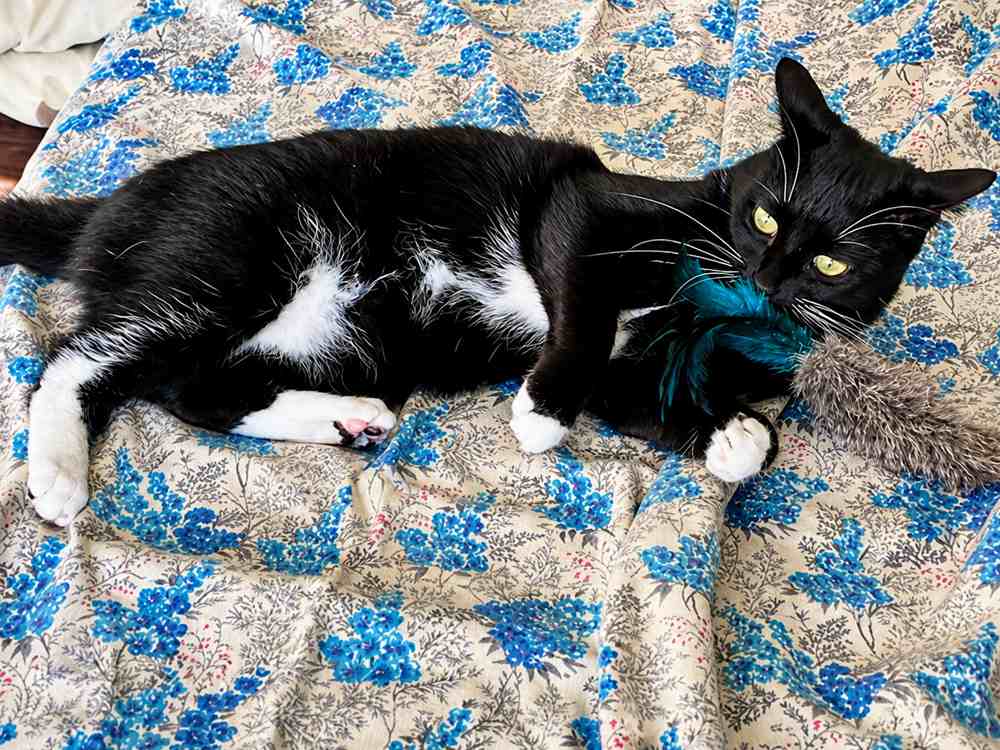
Redirect chewing instincts toward dedicated cat toys like Da Fur Thing. Melina Grin / Cats.com
- Offer alternative feeding methods: Replace food bowls with food puzzles. This slows eating, promotes fullness, mimics natural hunting behavior and provides mental stimulation.
- Substitute fabric chewing with durable items: Redirect their mastication instincts toward silvervine sticks, rubber toys scented with fish or catnip oil or dedicated cat toys like “Da Fur Thing”.
- Enrich their environment: Offer daily play sessions, regularly rotate toys to prevent boredom and introduce clicker training to keep your cat’s brain active.
4. Reduce Stress
- Create a routine: Keep stress low by maintaining a predictable schedule for feeding, play and social interaction.
- Maintain stability: Avoid moving furniture, changing the home layout frequently, or having regular visitors.
- Provide safe zones: Ensure there are plenty of hiding spaces in quiet corners, such as cat caves or cardboard boxes and vertical climbing opportunities to decompress.
5. Offer Safe Exploration
- Explore the outdoors with a harness and leash: For confident cats, offer supervised outdoor time using an escape-proof vest harness.
- Pet pram or backpack: Take your cat for a walk in a secure mesh stroller or backpack so your cat can discover the great outdoors without the risk of escapes.
- Catio or enclosure: Purchase a foldable Catio or build an outdoor enclosure attached to a window or door so your cat can safely enjoy watching birds and the sounds of nature.
When Should You Be Concerned About a Cat Ingesting Clothes?
Swallowing clothing can cause bowel obstruction in cats. Occasional chewing or suckling on soft fabric is often harmless, but repeated clothing ingestion requires immediate veterinary attention.
Ultimately, this behavior is multifaceted—a complex mix of genetic susceptibility, early-life experiences, stress, and underlying medical conditions causes repetitive material consumption. If you have made environmental and dietary changes and the behavior continues, don’t wait for an emergency. Ask your veterinarian for a referral to a cat behaviorist to keep your cat safe and healthy.