Published Nov 19, 2026



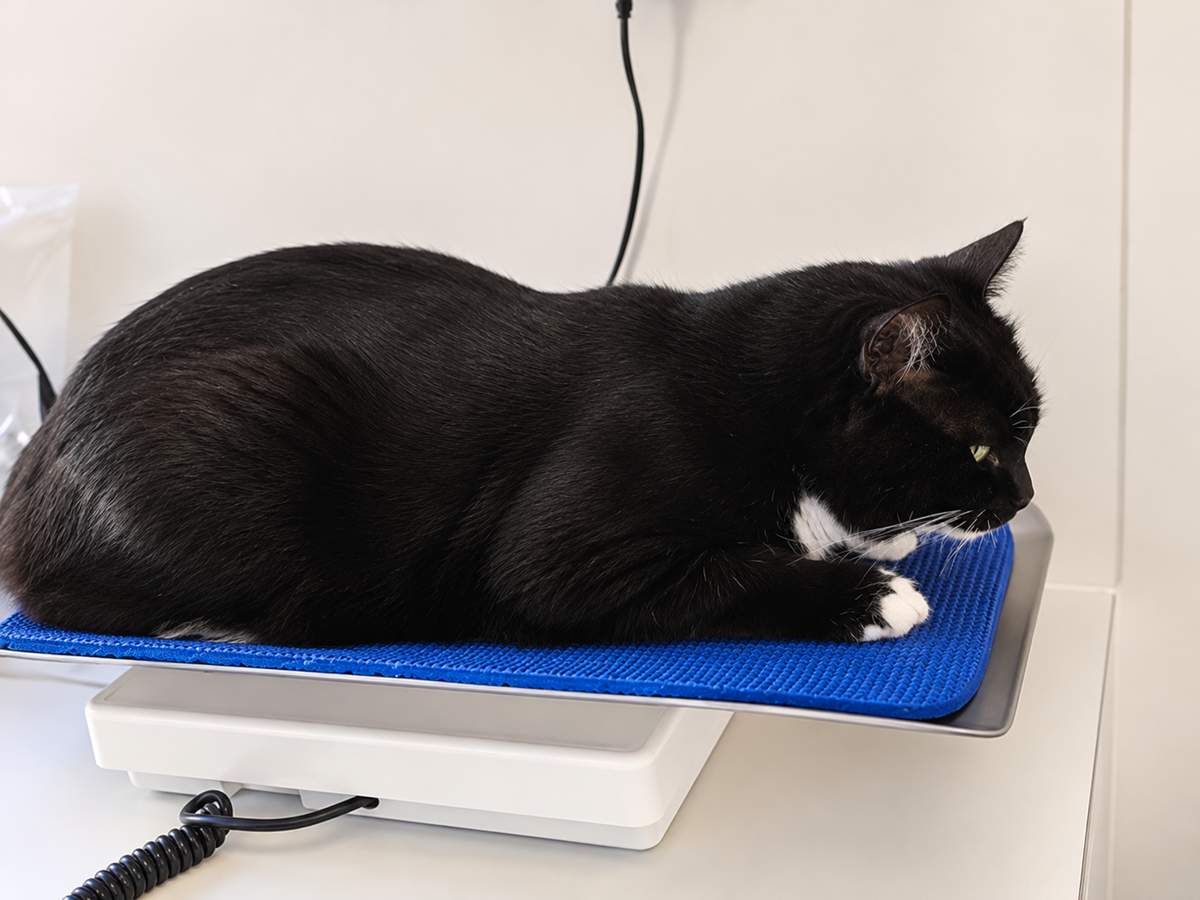
Melina Grin / Cats.com
As a feline behaviorist and pet parent of four cats, I am not surprised by feline peculiarities. Yet, watching one of my beloved cats bite her tail aggressively was very distressing. Feline tail-biting isn’t simply a bad habit; it can stem from a complex mix of medical conditions, psychological factors, or deep-rooted environmental triggers.
When a cat turns on its own body, it’s signaling that something isn’t right in its world. Finding the root cause is the first step toward restoring your cat’s physical health, emotional stability, and overall wellbeing.
Let’s decode what might cause a beloved feline companion to turn on its own tail suddenly.
Distinguishing Between Normal Grooming and Compulsive Tail Biting
Cats are naturally meticulous groomers. It’s normal for them to use their teeth to untangle knots or clear dirt from their tail as part of their daily routine. While a quick groom after a meal is no cause for concern, you should pay close attention if you notice:
- Frantic or repeated tail chasing and biting
- Hair loss, thinning fur, or scabs on the tail
- Rippling skin along the back or sudden attacks on her own tail
- Aggressive chewing that leaves bald patches and raw skin
Is Tail Biting a Medical or a Behavioral Issue?
To solve this mystery, we must identify whether it’s a physical disorder causing pain or a psychogenic response to your cat’s environment.
Medical Causes
Tail-biting in felines can be triggered by various underlying medical conditions, such as:
Parasites and Skin Conditions
Many cats suffer from Flea Allergy Dermatitis (FAD), an acute sensitivity to flea saliva. If a cat is hypersensitive to flea saliva, one or two bites can cause an unbearable itch at the base of the tail or lower back. Mites and ringworm can also cause a similar, strong irritation. When the itch is overwhelming, a cat may lash out at its own tail in the hope of immediate relief.
Allergies
Like humans, cats can develop environmental allergies to dust, mold, or pollen, as well as food sensitivities to proteins like chicken, beef, or fish. When an allergy triggers Atopic Dermatitis, you will typically notice your cat scratching constantly around its head, neck, and hindquarters, and even the tail out of frustration.
Pain, Injury, or Joint Issues
One of my cats has been diagnosed with hip dysplasia and osteoarthritis; she often licks or chews at her lower back and sometimes her tail to soothe the discomfort. Similar pain can occur in a cat with acute injuries like a fracture, minor dislocation, or an old abscess wound.
Moreover, conditions like Intervertebral Disc Disease (IVDD) are very painful; radiating pain can cause a cat to gnaw at the area to make it stop.
Anal Gland Issues and Stud Tail
Cats have two small scent glands located on either side of the anus. If these become blocked or infected, they can cause intense pain and pressure. Since they can’t reach the source of the discomfort, they will often scoot their bum across the floor, lick the anal area or chew the tail tip. “Stud tail” is another localized problem caused by overactive oil glands at the base of the tail. Excess wax can block follicles, causing painful, acne-like infections that leave the tail tender and aggravated.
Neurological Issues
Feline Hyperesthesia Syndrome (FHS) is a complex condition where a cat’s nervous system goes into overdrive. FHS episodes typically occur at dawn or dusk but can also occur at any time. Common symptoms include skin rippling along the back, followed by sudden hissing, vocalizations, frantic running, or tail-twitching. FHS may cause ghost-like sensations—almost like an electric shock—that lead the cat to attack its lower back and tail. Localized nerve damage along the spine can also cause similar, radiating nerve pain.
Behavioral and Psychological Causes
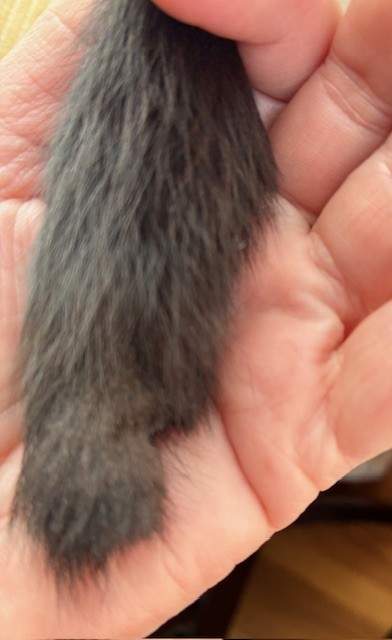
Tail-biting isn’t simply a bad habit—it can stem from medical, psychological, or environmental causes. Melina Grin / Cats.com
Psychogenic triggers that can cause your cat to start tail chasing or biting, or lead to self-mutilation include the following categories:
Environmental Insecurity and Confinement
Cats are creatures of habit who need to feel in control of their territory. Sudden disruptions or a noisy environment can impact their emotional well-being. Major environmental dislocations, like a house move, loud home renovations, an owner’s long-term absence, or prolonged confinement in a veterinary hospital or cattery, can destroy their confidence. When a cat feels trapped or anxious and can’t change their surroundings, they may turn that stress inward, resulting in compulsive tail biting.
Boredom and Lack of Stimulation
When highly intelligent, active breeds such as Bengals, Savannahs, Abyssinians, and Siamese lack mental and physical stimulation, their high predatory drive can turn destructive. If the home lacks vertical space or simulated hunting games, a frustrated cat of any breed might start targeting their own tail.
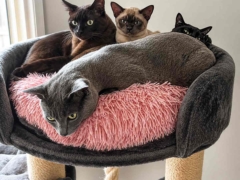
Bullying in Multi-Cat Homes
Conflict in multi-cat households can be usually a silent “war” in which an assertive cat quietly bullies the others by hogging the food bowls, blocking doorways, or staring down housemates until they back off. This leaves the submissive cat on high alert. Unable to confront the bully or escape the tension, the frightened cat experiences severe displacement anxiety. To cope, they redirect this defensive energy onto their own body, attacking and biting their own tail as a coping mechanism.
Territorial Threats
Since cats are territorial, solitary hunters, changes to their domain can trigger intense anguish. When a resident cat encounters territorial defensiveness—such as during a tense introduction to a new dog, they may redirect that volatility onto their own tail.
Likewise, because high-energy kittens often lack social boundaries, their persistent need to play can spike an older cat’s cortisol levels. This displacement behavior isn’t limited to indoor stimuli; seeing a stray cat through a window can induce severe territorial frustration. Unable to chase the invader away, the indoor cat might lash out at the owner or their tail.
Feline Compulsive Disorders
When a cat is trapped in a state of chronic conflict, their coping mechanisms can easily warp into an OCD behavior. We saw this firsthand in our home. One of our resident cats desperately wanted to defend her territory from our new kitten but was physically separated from doing so. Denied the ability to act on her instincts, her intense frustration had nowhere to go. She began repetitively biting her tail to self-soothe.
Unfortunately, what starts as a temporary coping mechanism can quickly rewire a cat’s brain. Over time, the behavior becomes an involuntary habit—an ingrained compulsive disorder that they can no longer switch off without a combination of behavioral therapy and veterinary medical support.
How to Troubleshoot Tail Biting
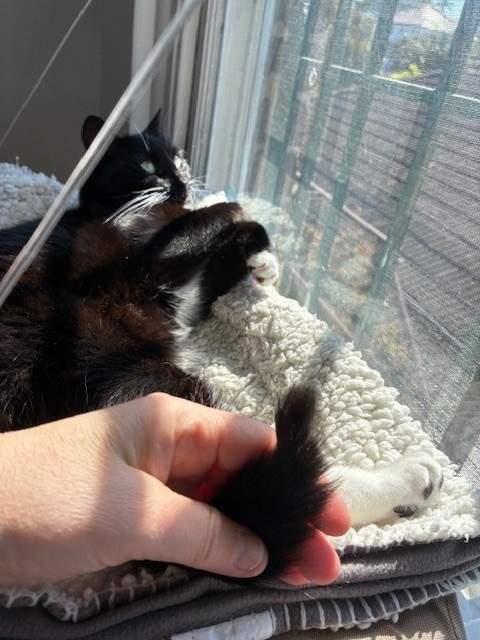
Changes in routine, caregiver availability, or the home environment can contribute to stress-related self-soothing behaviors. Melina Grin / Cats.com
If your cat suddenly starts attacking or biting her tail, don’t dismiss it as a quirk. Follow this systematic practice to uncover the reasons for this behavior:
- Rule Out Medical Triggers – Don’t assume the issue is psychological; it’s best to ask your vet to perform a comprehensive examination to rule out a medical condition.
- Evaluate Recent Environmental Stress – Cats are creatures of habit, and significant environmental disruptions can trigger compulsive, self-soothing behaviors like tail-chewing. Assess whether recent changes have occurred, such as a modification in your work schedule, a new baby, a caregiver’s acute medical episode, or a relationship breakdown. Because cats mirror our emotions, a sudden shift in their primary caregiver’s presence or health can cause severe distress.
- Observe Inter-pet disputes – Observe your pet’s interactions to see if there’s resource guarding, subtle bullying or friction causing your sensitive feline to take her anxiety out on her tail.
- Track the Timing of Tail Biting – Keep a daily log of when tail biting occurs, including videos of the behaviour to pinpoint the exact time or specific triggers, which can provide valuable clues for you and your veterinarian.
When to See the Veterinarian
If your cat persists in tail biting—or if the behavior escalates to self-mutilation resulting in tissue damage and open wounds—it crosses the line from a stressful displacement behavior to a physical injury.
Once a cat reaches the stage of self harm, behavioral training alone won’t suffice; immediate veterinary intervention is needed. A veterinarian will need to perform tail and lower back X-rays to check for underlying nerve or bone damage and will likely prescribe pharmaceuticals to disrupt the urge to self-injure.
Environmental and Behavioral Solutions for Cat Tail Biting
Once medical causes are ruled out, stopping a cat from barbering or biting its tail requires environmental and behavioral modification. Focus on transforming your home from a source of stress into a secure, predictable haven, while building your cat’s confidence and redirecting their repressed energy into positive outlets.
- Add Physical Barriers: Use a soft donut cone to protect your pet. This will temporarily block access to the tail and allow any existing skin wounds to heal.
- Secure Sanctuary: Create a calm, dedicated retreat filled with safe zones and hidey-holes to lower your cat’s baseline anxiety. Install multiple window perches and high vantage spots so they can survey their territory for perceived threats.
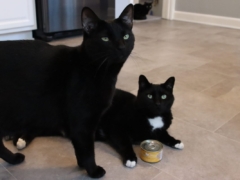
- Enhance Resources: To minimize tail biting and territorial stress in multi-cat homes, distribute vital resources (food, water, beds and litter boxes) in separate rooms to lessen friction and territory competition.
- Install a Microchip-Activated Pet Door: For severe tail biters, set up a microchip-activated cat flap leading into a quiet, designated room. This gives your cat an exclusive space to decompress entirely free from other pets or human disruption.

For severe tail biting, a microchip-activated cat flap can give your cat access to a quiet room away from other pets. Melina Grin / Cats.com
- Introduce Puzzle Feeders: Replace your cat’s daily meals with puzzle feeders, treat balls and tumblers, or scavenging toys. Encouraging them to “hunt” for their food directs their predatory instincts constructively and reduces compulsive tail chewing behaviors.
- Structured Playtime: Dedicate at least 15 minutes twice daily for high-intensity, interactive play using wand or feather toys. This can help your cat expel pent-up energy instead of taking it out on their tail.
- Early Redirection: The moment you see early warning symptoms —such as skin twitching, heavy tail swishing, or intense tail preoccupation- immediately interrupt the behavior. Break the cycle by forming a visual barrier, tossing a toy, or dropping a treat across the room. You can also try a very gentle touch, but be careful not to startle or scare them.
- Pheromones: Plug in a Feliway diffuser in the rooms where your cat spends the most time. These comforting pheromone scents signal to a nervous cat that their environment is safe.
- Clicker Training: Train your cat to perform an alternative behavior on cue, such as sitting, running to a specific mat, or targeting their nose. Often, the distinct sound of a clicker is enough to break their fixation on their tail.
- Avoid Punishment: Never yell at, scold, or physically punish a cat displaying obsessive-compulsive behaviors. Punishment will only increase their anxiety and inadvertently worsen the tail-biting cycles.