

 Last updated Feb 28, 2023


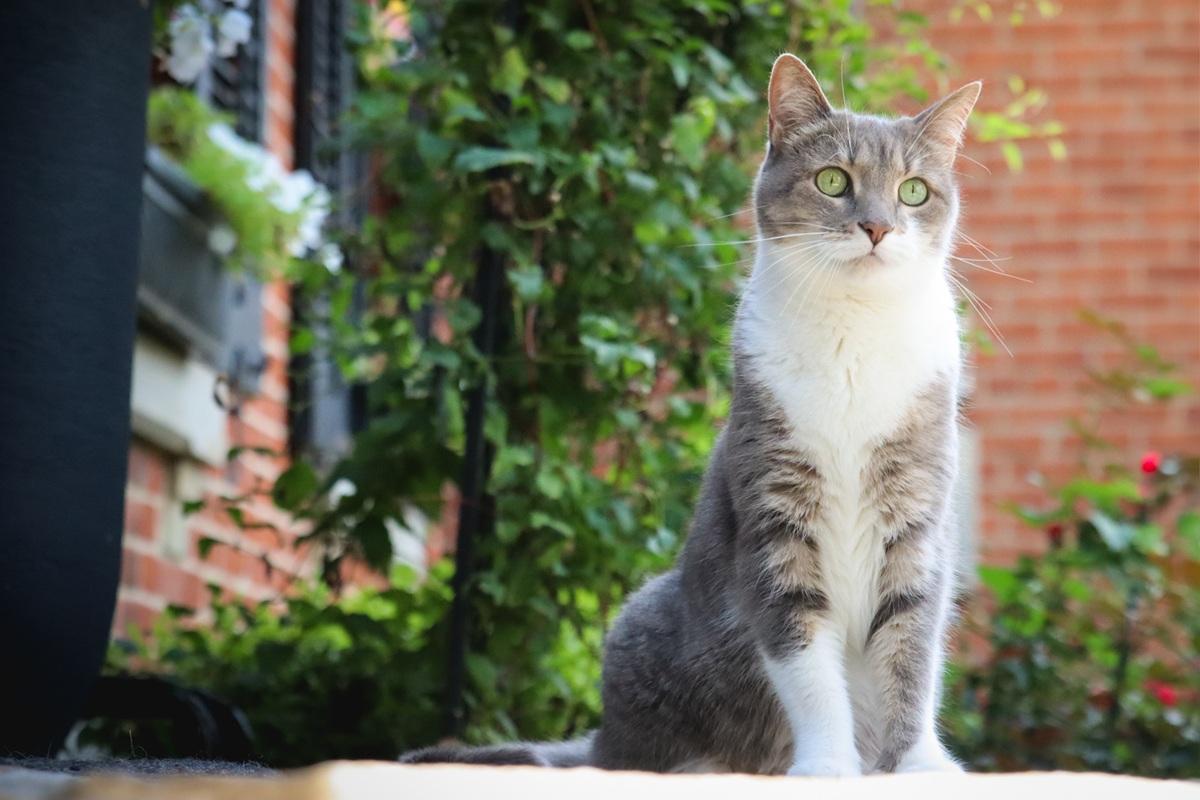
Kirsten McCarthy / Cats.com
If you have a feline family member, you’ll know that it can be a real worry when they’re unwell. But sometimes, it’s hard to tell whether a cat is showing symptoms of being sick or if it’s just normal cat behavior. Let’s find out what could cause your cat to shiver or shake, what’s normal, and when you should be worried.
Shaking could be a sign of many things including poisoning, protozoal infections, ear disease, hypothermia, hypoglycemia, or a brain tumor. If your cat is shaking and there’s no obvious cause, you should contact your veterinarian right away. Some non-medical causes for shaking or shivering in cats include fear, stress, and dreaming.Key Takeaways
What’s the Difference Between Shaking,Trembling and Shivering?
If you think about it, there’s not much difference between shaking and shivering, but the reasons behind them are quite different. Both involve the cat’s body twitching or vibrating quite quickly. Since they’re such similar movements, it might be hard to tell the difference without knowing the underlying cause.
Here are some of the possible reasons:
1. They’re Frightened
Sometimes when cats are scared, they tremble. If your cat is shaking or feels like they’re vibrating and something scary is going on, it might be that they’re frightened. It could be that a noisy dog, a thunderstorm, or fireworks are causing their anxiety, so if you notice a possible source of stress, that could be the reason behind your cat’s shaking.
2. They’re Dreaming
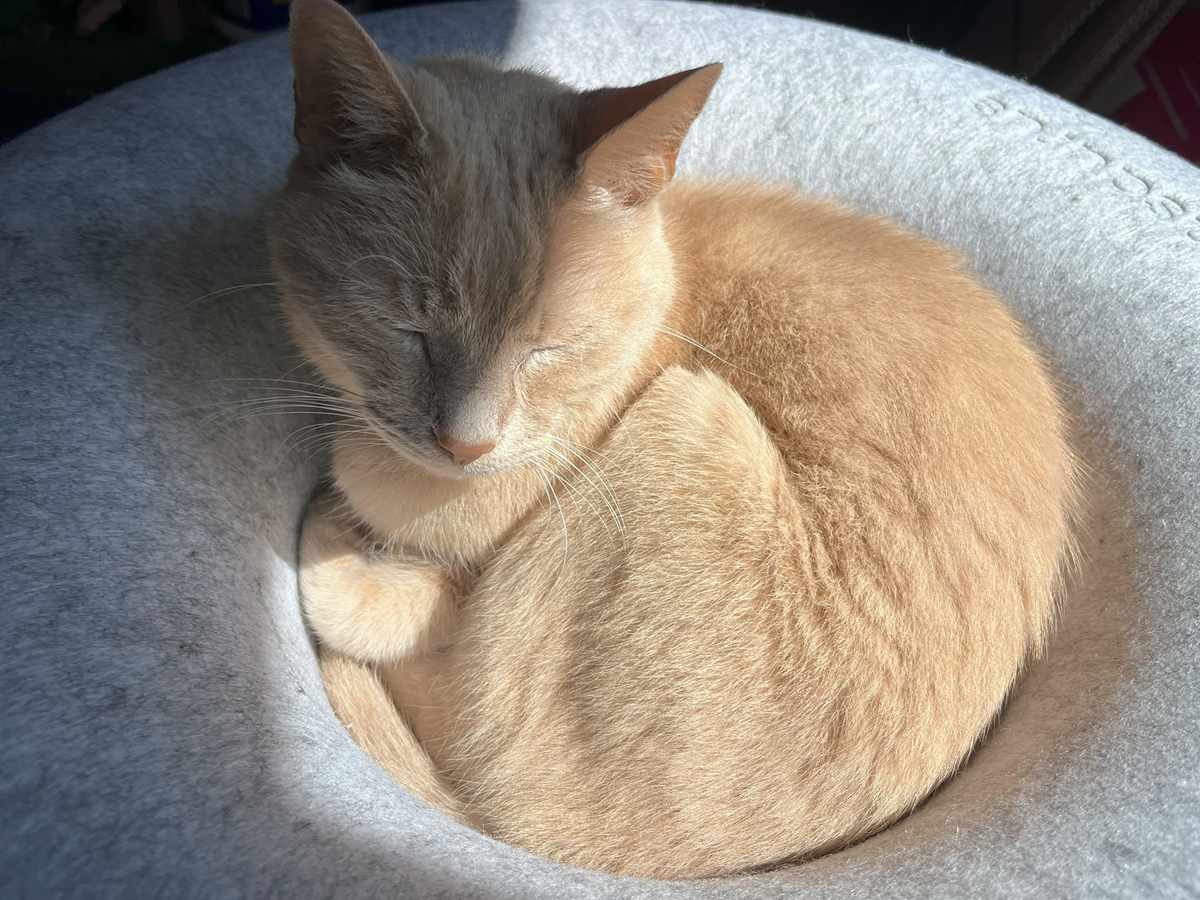
Short moments of twitching during sleep can be a sign that the cat is having a dream. Katelynn Sobus / Cats.com
If your cat is twitching or shaking while they sleep, they might just be dreaming. When a cat sleeps, their brain dissociates from their muscles, to stop them from acting out their dreams. The same thing happens in humans.
However, if they’re in a light sleep and they’re slightly aware of noises or their environment, this could lead to them twitching their paws, tail, nose, ears, or mouth.
3. They’re Having a Seizure
Seizures are a horrible thing to see, and it’s easy to panic in the moment. When a grand mal seizure occurs, your cat might do a paddling motion with their legs and their body might twitch or shake. You might also notice that they pass urine or feces and open and close their mouth.
It’s best not to approach your cat while they’re having a seizure, as they might bite, scratch, or cause other injuries without realizing it. During a partial seizure, your cat might not lose consciousness, but they might shake or perform another repeated movement of their leg, head, or another body part.
Before and after a seizure your cat might act a bit strangely, and it might be an hour or two before they’re back to normal. Causes of seizures include epilepsy, toxins, head trauma, low blood sugar (hypoglycemia), hyperthermia, and brain tumors.
4. They’ve Had Contact With a Toxin
Toxins can sometimes lead to tremors, so if your cat could have had contact with a potentially poisonous substance, speak to a veterinarian immediately. Certain flea treatments aren’t safe if ingested.
5. They Have an Ear Problem
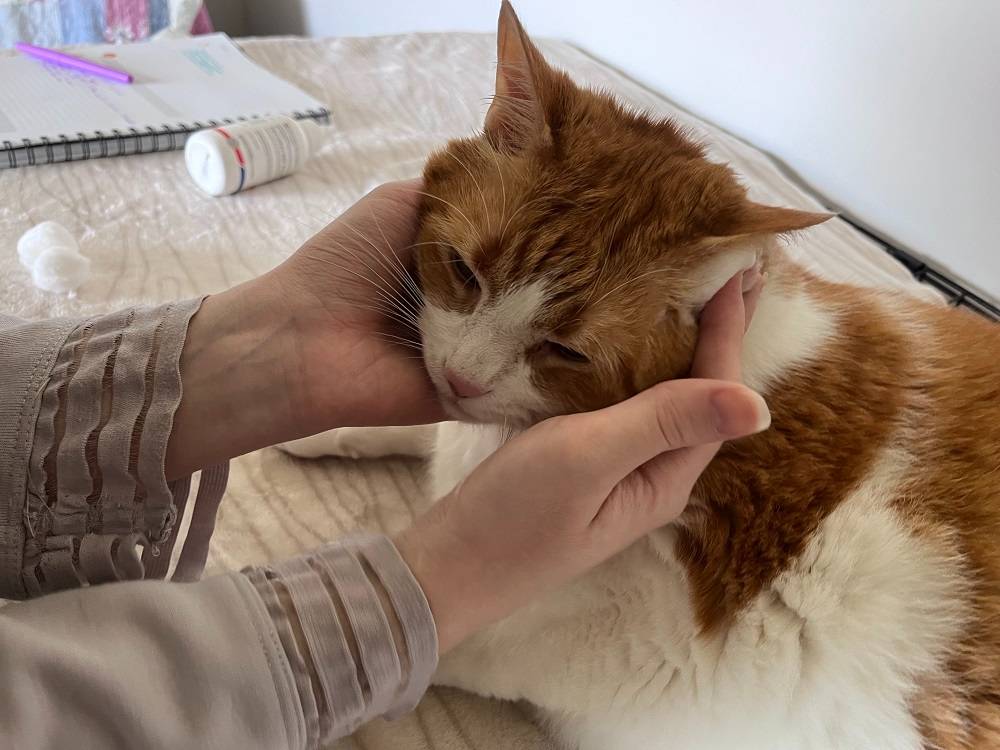
Ear issues can affect balance, which make cause unsteadiness or trembling. Katelynn Sobus / Cats.com
Ear conditions like polyps and inner and middle ear infections can disrupt a cat’s balance leading to a head tilt and sometimes tremors and wobbliness. If your cat has been scratching their ear, their ear is red, smelly, or dirty, or they’re moving as if they’re a bit drunk, it’s time to see a vet.
6. They Have Another Neurological Condition
Other conditions that affect the brain can lead to tremors, including vestibular disease, brain tumors, liver disease, and some protozoal infections. Keep an eye out for other symptoms like a head tilt, seizures, vomiting, reduced appetite, and incoordination.
Why Do Cats Shiver?
When cats shiver, it usually means they’re cold. Check the dial on the thermostat and see if they might be getting a bit chilly! Jokes aside, it’s unusual for cats to shiver, because their fur keeps them warm and insulated.
So, if your cat seems to be shivering and feels cold to the touch you should take them to a veterinarian right away, as it’s likely that their body temperature has dropped and they might have hypothermia.
On the other hand, cats sometimes shiver if they have a fever. Just like when humans have the flu they may feel feverish and get shivers, the same is true of cats. If you think your cat’s temperature could be too high or too low, you can try to take it using a well-lubricated rectal thermometer, if you have someone to help restrain your cat. Otherwise, it might be worth waiting until you get to the veterinary clinic.
How Do You Know if Your Cat’s Shaking Is Something to Be Concerned About?
If your cat’s behavior changes suddenly, or if they develop new symptoms, it’s always worth booking a health check with a veterinarian. So, if your cat has suddenly started shaking, or if they’ve had a few bouts of shaking recently, it’s time to speak to a vet. Even if they seem well, if their shaking is something you haven’t seen before, there could be an underlying medical reason.
How Can You Help Your Cat Who’s Shaking?
If your cat has started shaking but seems well and is eating, drinking, toileting, and moving around normally, you can try the following tips to see if you can help resolve the problem. However, if they seem unwell or have other symptoms aside from shaking, it’s best to get them checked by a vet urgently.
1. Make Sure They Don’t Have Low Blood Sugar
You can quickly treat hypoglycemia (low blood sugar) by rubbing honey on your cat’s gums. This won’t harm your pet, so even if you’re not sure whether low blood glucose is the cause, it’s safe to try. Always follow up with a call to your vet.
2. Make Sure They’re Warm Enough
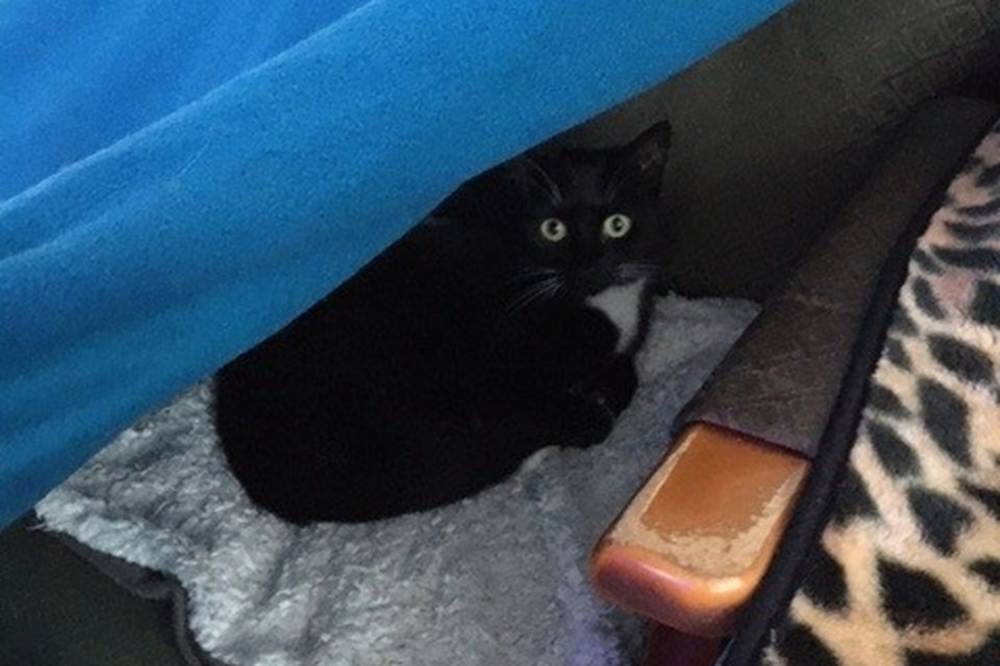
If your cat is cold or shivering, keep them warm with blankets and a safe heat source, and contact your veterinarian if symptoms persist or you suspect hypothermia. Melina Grin / Cats.com
If your cat has been stuck outside in wet weather or when it’s really cold, they could become hypothermic. This can also happen if they’ve recently had sedation or an anesthetic at the veterinary clinic. If your cat feels cold and is shivering, try turning the heating up and provide them with extra blankets and pet-safe hot water bottles or wheat bags.
3. Look For Stress Triggers
If you think your cat might be shaking through fear or stress, try to identify the possible causes. If your cat is an indoor cat then consider any recent human or animal visitors, as well as any storms, bad weather, or fireworks. If the stress trigger is identified, you may be able to prevent or control future exposure or help your cat feel calmer.
4. Help Them Feel Safe
Using calming sprays and pheromone diffusers can help your cat feel more at ease. You might also want to make a safe space or den where they can hide away from noisy fireworks, flashing lightning, or boisterous guests.
5. Take Them to a Vet
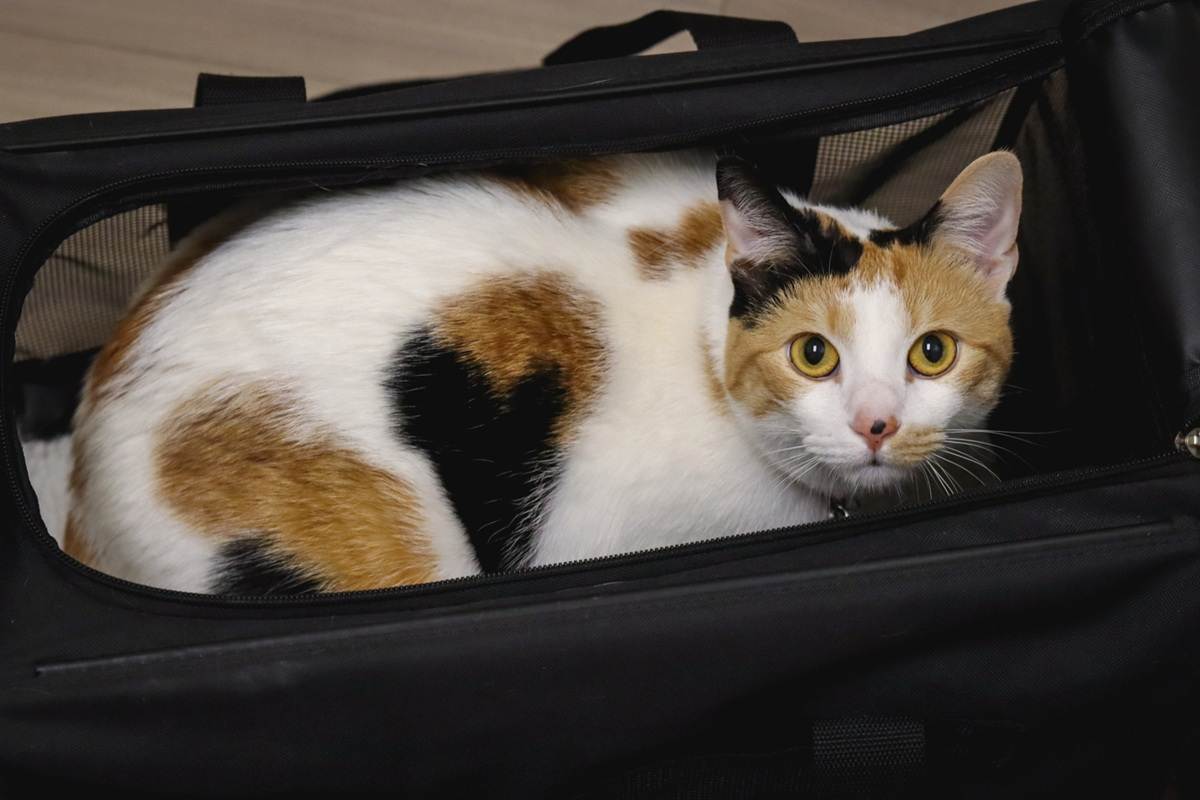
It’s best to get your cat checked out by your vet to rule out any medical causes for shaking or trembling. Kirsten McCarthy / Cats.com
If none of the above tips are helping and your cat is still shaking or tremoring, call your veterinary clinic for an appointment. Your veterinarian will be able to check your cat’s ears, test their nerve function, and do blood tests to assess their overall health in order to get to the bottom of their symptoms.
If necessary, they might prescribe treatment including ear drops, antibiotics, or anti-seizure medication, and if they suspect toxicity, they might suggest your cat is hospitalized on a fluid drip.
Shivering or shaking might not seem very serious, but if your cat is tremoring or twitching it could be a sign of a health problem. If you’re worried that your cat is acting unusually or their behavior has suddenly changed, make sure you get them checked by a veterinarian as soon as possible, just in case.
Frequently Asked Questions
What should I do if my cat is shaking?
If your cat is shaking and there’s no obvious cause, you should contact your veterinarian right away. Shaking could be a sign of many things including poisoning, protozoal infections, ear disease, or a brain tumor.
Why is my cat shaking and acting weird?
If your cat is shaking and acting weird, it’s worth considering whether there could be a toxic cause. Think about whether you have applied any spot-on parasite treatments recently, or whether your cat has access to any chemicals around the home, garden, or garage.
How do I know when my cat is ill?
There are lots of different symptoms that a cat might show if they are unwell. If their heart, lungs, or upper airways are affected, they might cough, sneeze, collapse, or pant. If their guts or stomach are affected, they might have vomiting or diarrhea. The list of possible symptoms of illness is so long, it’s always worth getting your cat checked if anything changes.



You should also mention hyperthyroidism.
Thank you!