 Published Jul 12, 2026


Melina Grin / Cats.com
Cats have a reputation for being independent, peculiar, and emotionally distant. Yet many cat owners insist that their feline companions seem to recognise when they are anxious, frustrated, angry, or happy. I know that when I am feeling sad, some of my cats sense it and shower me with extra affection.
New evidence and daily observations suggest that felines are far more emotionally discerning than once believed. While cats may not mirror emotions precisely like humans do, they can respond to their owners’ moods through body language, behavior and environmental cues.
Let’s explore whether cats truly mirror their owners’ emotions or if humans are merely projecting their feelings onto their pets.
How Cats Perceive Human Emotions
Cats are highly observant and sensitive to the emotional and behavioral cues of their human families. Although they have not been domesticated as long as dogs, they have adapted well to living with people.
A 2020 study published in PubMed Central found that cats integrate visual and auditory cues to recognise human emotions. Cats were able to distinguish between various emotional cues, such as happiness and anger. They also seemed to adjust their behavior based on whether these emotions were perceived as positive or negative.
Over time, cats learn to interpret human facial expressions, vocal tones, body language, and scent cues. They can even absorb and mirror their guardians’ emotional patterns.
Cats closely monitor their owners’ emotional states by:
- The tone of voice: They notice a softer tone when an owner is sad, and a louder one when an owner is angry.
- Physiological changes: Cats also sense changes in our bodies, such as a faster heart rate, variations to breathing patterns, and elevated blood pressure, as well as a stiff posture when stressed.
- Mood: Cats can often detect whether we’re relaxed or feeling anxious.
- Facial expressions: Felines can distinguish between a smile and a frown.
- Pheromones: Cats have an exceptional sense of smell and a sensory organ (the VNO) that detects chemical signals. Cat can sense our anxiety, stress, or fear due to the hormones like cortisol and adrenaline released in our sweat and breath.
The Emotional Depth of Cats: Why Some Are More Attuned to Their Humans
Melina Grin / Cats.com
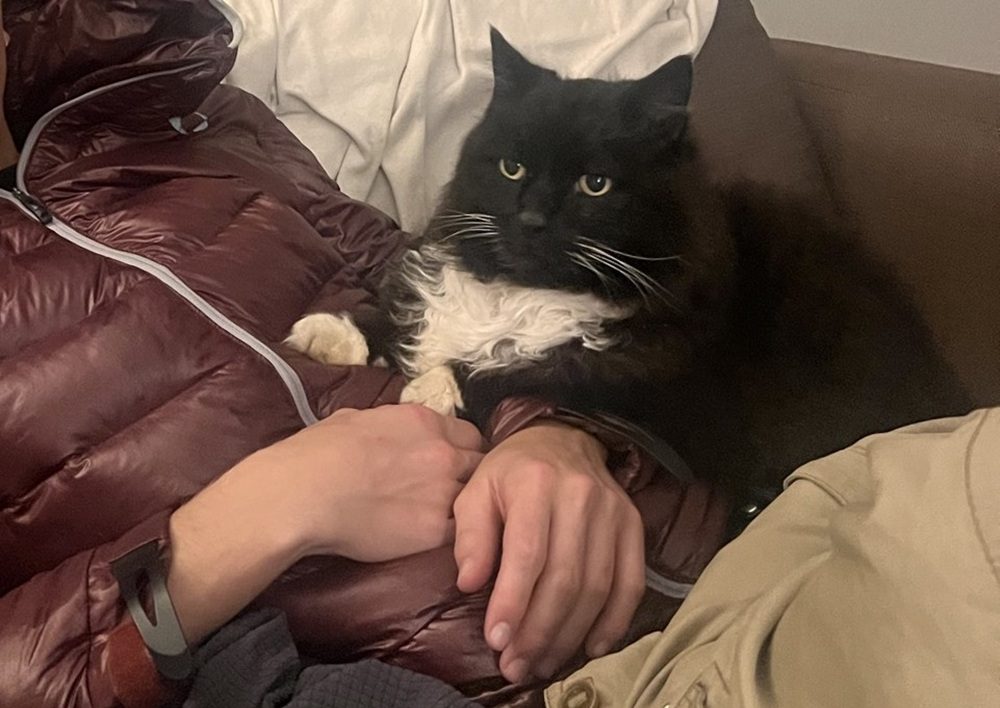
Each cat reacts differently to human emotions. The following factors influence the emotional responsiveness of a cat:
1. Personality
Some cats are social and affectionate, while others can be cautious or shy. A social cat is more likely to seek physical contact when their owner is feeling distressed. Some are naturally more intuitive and responsive to their owner’s moods, while others tend to be more solitary.
2. Early Socialization
Felines exposed to positive human interactions with a variety of people during the early socialization period between 2 and 7 weeks tend to grow into confident cats who form stronger emotional bonds with people later in life.
3. Breed Predispositions
Certain breeds, such as Burmese, Siamese, Ragdoll, and Sphynx, are more people-pleasers and highly receptive to their owners’ emotional states.
4. The Close Bond Between Cats and Their People
The bond between a cat and its owner can also grow stronger through shared experiences such as playtime and cuddling, which deepen their mutual understanding. Many cats follow human cues, such as pointing, and recognize their owners by sight and sound.
5. Learned Behavior Association
Cats quickly learn behaviors that lead to positive consequences, such as receiving attention or affection. When you consistently respond positively to your cat’s need for comfort, they begin associating your attention and affection with positive experiences.
6. Environmental Influences
Environmental factors play a significant role in a cat’s emotional well-being. A calm, loving home gives cats a sense of security, helping them connect more genuinely with their owners. In contrast, a chaotic lifestyle or a high-stress household can cause the cat distress and uncertainty.
Ultimately, the combination of genetics, upbringing, and environment shapes how emotionally attuned a cat can be, highlighting these creatures’ perceptiveness.
Understanding Emotional Contagion in Animals and Mirroring in Cats: A Fascinating Insight
Melina Grin / Cats.com
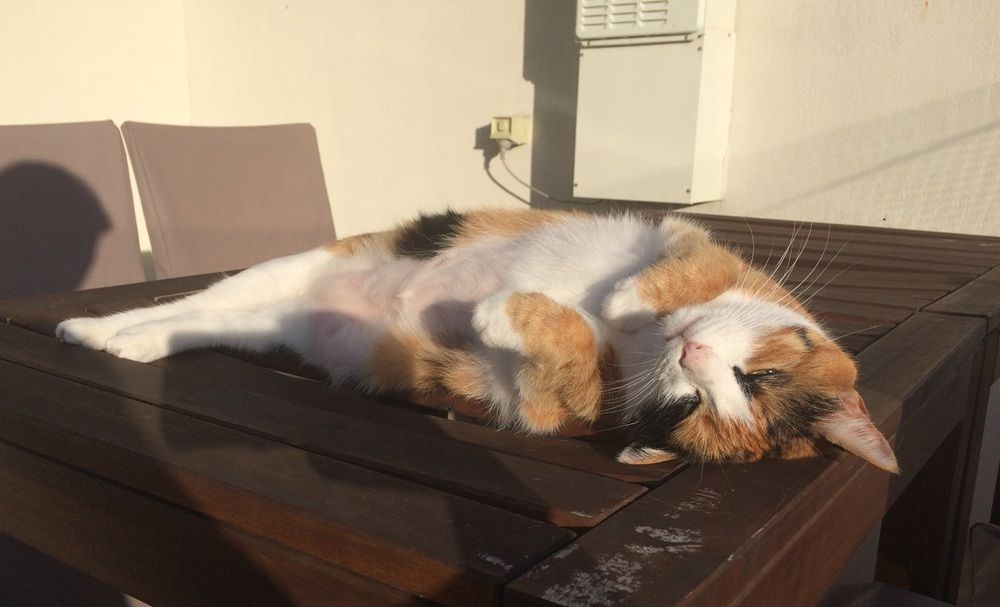
Scientists use the term “emotional contagion” to describe how one individual’s emotional state can influence another’s emotional state. This phenomenon has been observed in various animals, including goats, dogs, crows, horses, and primates. Recent research is also uncovering evidence of emotional contagion in cats as scientists explore their cognitive abilities and emotional connections.
Emotional mirroring in cats is a fascinating phenomenon in which felines respond to or reflect their owners’ emotions, highlighting the innate bond between them. This behavior can be observed through vocalizations, body language, or activities that closely align with their owners’ feelings.
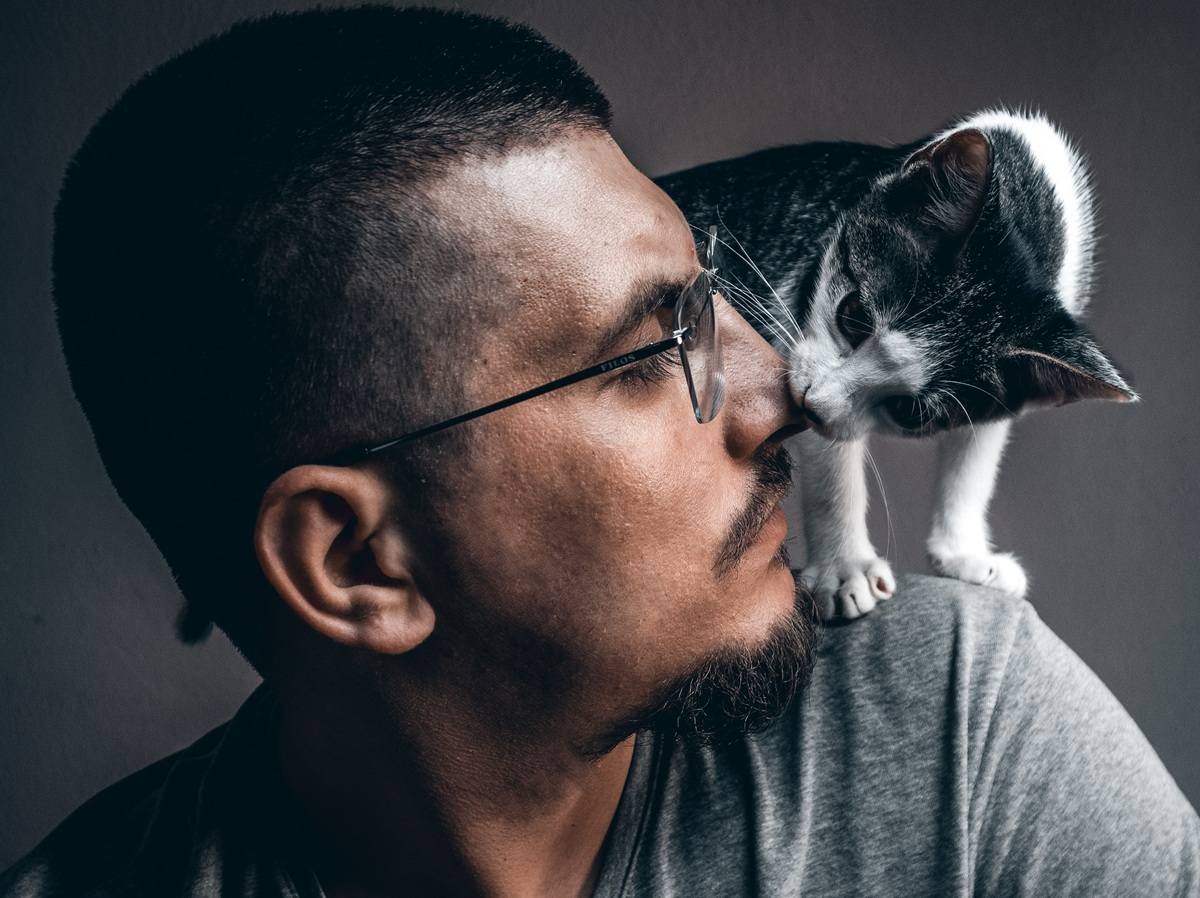
For instance, have you ever noticed your cat sitting beside you, purring loudly, kneading or rubbing against you when you’re feeling sad or upset? This is because your feline companion senses your emotional state and is offering comfort. Similarly, if you’re feeling stressed, your cat might hide in a quiet space to shield themselves from the tense energy or withdraw entirely. On the other hand, if you’re feeling happy or playful, your cat may approach you with a lively, energetic attitude.
Typically, when an owner’s emotional state changes, their cat will adjust their behavior to reflect or cope with what’s happening in the environment. By recognizing emotional mirroring, cat owners can more effectively meet their feline friend’s needs and foster a pleasing environment.
Negative Effects of Mirroring: Can Cats Experience Stress, Health and Behavioral Issues from Human Emotions?
As we learned, cats form profound bonds with their humans, and this interspecies mirroring can unconsciously transmit your anxiety, stress or trauma since cats are ‘emotional sponges’. When a cat consistently responds to a stressed owner, it may experience long-term physiological tension, behavioral changes and health issues. Over time, that emotional load may negatively affect their health and suppress the immune system.
The detrimental mirroring effect between cats and their owners can lead to:
- Heightened attachment – A pet can become overly dependent on their human, unable to function independently.
- Medical condition – Feline Lower Urinary Tract Disease, particularly Feline Idiopathic Cystitis, is one of the most common consequences of emotional contagion, which can cause bladder inflammation and urinary blockages, especially in male cats.
- Compulsive disorders – Highly stressed cats can develop abnormal, repetitive behaviors such as psychogenic alopecia, tail chasing, pica, Feline Hyperesthesia and hallucinatory actions.
- Withdrawal – Unpredictable owners can cause a cat’s nervous system to become overly frightened or defensive. As a result, cats may avoid interacting with their owners and spend a lot of time hiding.
- Fear or Aggression – A cat may develop dread or hostility by mirroring their owner’s panicky or aggressive tendencies.
- Stress-related illnesses – If an owner experiences neuroticism, chronic anxiety, depression, or PTSD, their cat may mirror these emotions, harming their health by raising the cat’s cortisol levels and potentially leading to stress-related illnesses. The tension the cat experiences may manifest as changes in appetite, altered litter box habits, and disrupted sleep patterns.
- Behavioral problems – Cats tend to absorb their owner’s negative emotions, which can result in excessive vocalization, destructive scratching, and urine spraying, as well as eliminating outside the litter tray. This house-soiling behavior can create a frustrating cycle, making both the pet owner and the cat more stressed.
Strategies to Support Your Cat’s Emotional Balance and Wellness
Focusing on your cat’s emotional health is just as important as meeting their physical needs. By nurturing a meaningful connection and focusing on their happiness, you can create a harmonious environment for both of you.
Consider the following approaches:
- Create a tranquil atmosphere at home – by playing classical music, using soft lighting, and establishing consistent routines to help ease anxiety.
- Incorporate calming scents – use pheromone diffusers and dried herbs such as Valerian to encourage relaxation.
- Practice being present – spend quiet moments together with your cat, allowing them to come to you at their own pace. Sit beside your cat without expectations or distractions.
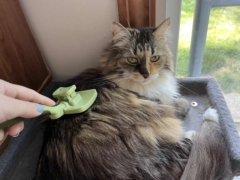
- Engage in gentle activities – set aside time each day for play with toys, supervised outdoor access and brushing to provide a positive outlet for your cat’s energy.
- Begin inner work – place a hand on your heart, notice your breathing before interacting with your feline, and journal how you felt during the still moment with your cat.
- Manage your own stress – prioritize your mental well-being to support your cat’s emotional safety.
Final Thoughts
Cats might not show emotions in the same way humans do, but they are very much attuned to our feelings. They carefully watch our actions, pick up on shifts in our moods and daily habits, and often respond with remarkable empathy. Although the connection may not always be obvious right away, it’s a real and meaningful bond for countless cat owners and their furry friends.
-
Quaranta, A., d'Ingeo, S., Amoruso, R., & Siniscalchi, M. (2020). Emotion recognition in cats. Animals, 10(7), 1107. https://doi.org/10.3390/ani10071107
-
Pérez-Manrique, A., & Gomila, A. (2022). Emotional contagion in nonhuman animals: A review. Wiley Interdisciplinary Reviews: Cognitive Science, 13(1), e1560. https://doi.org/10.1002/wcs.1560
-
Finka, L. R., Ward, J., Farnworth, M. J., & Mills, D. S. (2019). Owner personality and the wellbeing of their cats share parallels with the parent-child relationship. PLoS ONE, 14(2), e0211862. https://doi.org/10.1371/journal.pone.0211862
-
Amat, M., Camps, T., & Manteca, X. (2016). Stress in owned cats: Behavioural changes and welfare implications. Journal of Feline Medicine and Surgery, 18(8), 577–586. https://doi.org/10.1177/1098612X15590867