
 Published Sep 25, 2026


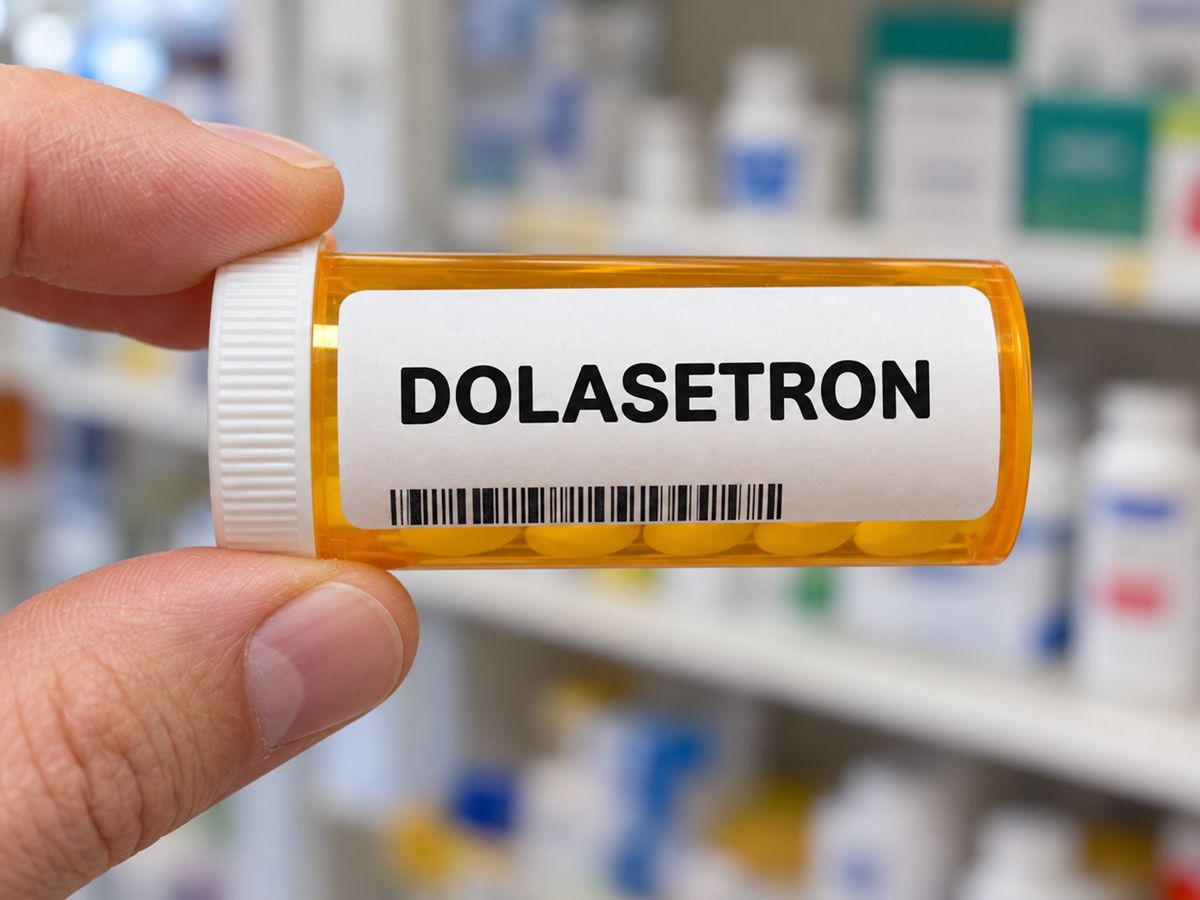
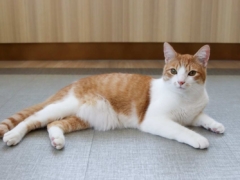
Dolasetron is a medication historically used for vomiting and nausea in human and animal patients. It is discontinued in the US but may still be available in other countries. Photo Nature Travel / Shutterstock.com
Dolasetron is a less common but potential option for treating nausea and vomiting in cats. Although currently discontinued in the United States, it may still be available outside the US, though it also has dose-related limitations for cats. In this article, you’ll learn how it works, when it may be useful for cats, and more information about its limitations.
Dolasetron for Cats

About Dolasetron for Cats
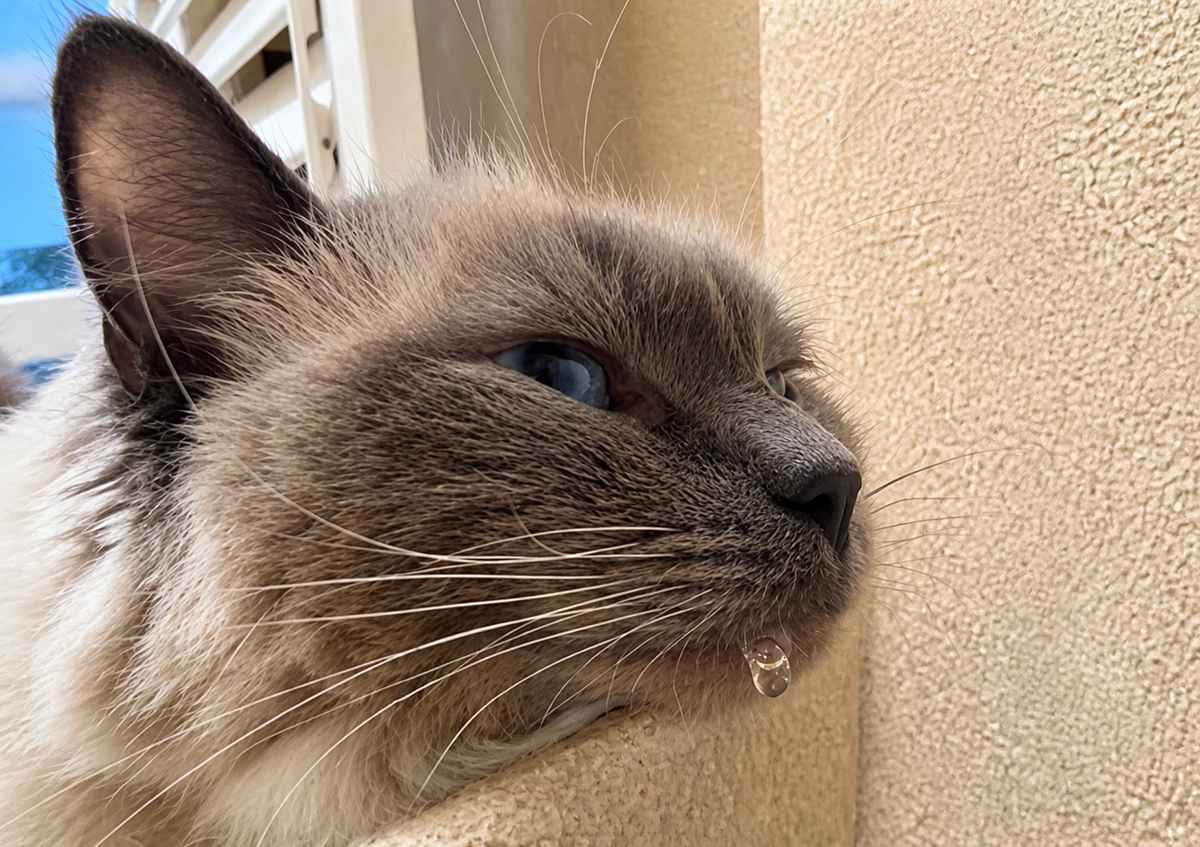
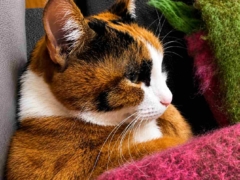
Dolasetron has historically been used to help treat nausea and vomiting. Melina Grin / Cats.com
Dolasetron is a 5-HT3 receptor antagonist. 5-HT3 is a specific form of serotonin. 5-HT3 receptors are found largely in the gastrointestinal tract and the vomiting center of the brain. By preventing serotonin from binding to the receptor, dolasetron can help reduce vomiting and nausea both centrally in the brain and via receptors in the GI tract.
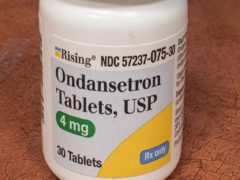
Dolasetron is very similar to ondansetron (Zofran). One main difference is the dosing interval. Dolasetron could be used once every 24 hours while ondansetron is dosed every 12 hours.
Historically dolasetron was preferred over ondansetron in some cases where the need for less frequent dosing was helpful for veterinary patients.
Both medications have been used successfully to reduce nausea associated with chemotherapy medications. This is believed to be in part due to the release of serotonin from cells in the small intestine that contributes to vomiting caused by chemotherapy medications.
Dosing Information for Cats

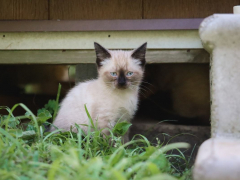
Dolasetron’s large tablet size makes dosing with the commercial form impractical for cats. Getting medications compounded into smaller tablet sizes or other forms can help with proper dosing. Doctorj_CM / Shutterstock.com
If dolasetron is available where you live, you will need to discuss with your veterinarian the most appropriate dose and form of the medication to use. Historically, it has been dosed at about 0.5-1mg/kg. For an average 10lb cat, this is about 2.5-5mg. With the smallest commercial tablet size being 50 mg, even breaking the tablet into quarters would not provide a small enough dose.
Compounding this medication into a liquid or smaller tablet form may be the only way to appropriately dose it, which your vet would need to help you with.
How to Administer Dolasetron to Cats
As mentioned, the tablet form is very impractical, even when split into smaller pieces, due to the large size of the commercially available tablets.
Many medications can be compounded into flavored chewable tablets, treats, or liquid formulations. When discussing compounding options with your vet, you can discuss which dosing option would work best for your cat.
Side Effects of Dolasetron for Cats
Dolasetron has appeared to be a well-tolerated medication in pets.
In humans, certain heart rhythm abnormalities have been associated with widening of the QRS complex and prolongation of the PR and QT intervals. The injectable form specifically was found to contribute to these changes and a potentially fatal arrhythmia called torsades de pointes. These cardiac risks were a major reason the FDA phased out dolasetron by 2016.
Other side effects seen in humans included headaches, dizziness, and increased appetite.
The side effects observed in humans were not specifically noted to be a concern in pets, though there are far fewer studies and much less clinical experience with dolasetron in pets compared with its close relative, ondansetron.
Overdose and Emergencies
While dolasetron has no significant adverse reported effects in cats, adverse effects in humans appear to be dose-dependent. There is also very limited study data for pets.
If you suspect your cat received an overdose of dolasetron, it’s best to immediately contact one or more of the following for advice:
- Your veterinarian
- ASPCA Animal Poison Control Center (1-888-426-4435)
- Pet Poison Helpline (1-855-764-7661)
Potential Drug Interactions With Dolasetron
The following list represents potential drug interactions with dolasetron. Unless specifically noted, using these medications together is not necessarily contraindicated, but concurrent use should be considered carefully with veterinary guidance.
Where serotonin syndrome is mentioned, this is a condition where high levels of serotonin accumulate in the body and cause a variety of clinical signs. These may include digestive upset, muscle tremors, agitation, altered mentation, and seizures. Serotonin syndrome most often occurs due to the cumulative effects of medications that can alter serotonin levels in the body. This is an important reason to always inform your veterinarian of medications your pet is taking and to not dose your cat with human medications from home without consulting with a vet first.
- Amiodarone: use together may increase risk for further prolonging the QT interval.
- Apomorphine: use together may lead to low blood pressure and loss of consciousness and is contraindicated in people. Apomorphine is used in dogs to induce vomiting but is not typically used in cats, as it is ineffective.
- Atenolol: may reduce the clearance and increase blood levels of hydrodolasetron (dolasetron’s active metabolite form).
- Azole antifungals (intraconazole): may inhibit ondansetron metabolism and prolong the QT interval
- Buprenorphine: use together may increase risk of serotonin syndrome.
- Cisapride: use together may increase risk for prolonging the QT interval.
- Fluoroquinolone antibiotics (marbofloxacin, pradofloxacin): use together may increase risk for prolonging the QT interval.
- Macrolide antibiotics (erythromycin): use together may increase the risk for cardiotoxicity.
- Metronidazole: use together may increase risk for prolonging the QT interval.
- Phenobarbital: can reduce hydrodolasetron (active metabolite form of dolasetron) blood levels.
- Phenothiazines (acepromazine): use together may increase the risk for cardiotoxicity.
- Quinidine: use together may increase the risk for prolonging the QT interval.
- Sotalol: use together may increase the risk for prolonging the QT interval.
How to Store Dolasetron
The commercially available tablets should be stored at room temperature (68-77 degrees F) and protected from light.
If dolasetron is compounded into a different oral formulation, the compounding pharmacy should be contacted for any questions about storage or shelf life.
-
A Budde, J., & A McCluskey, D. (2023). Dolasetron [Professional app]. In Plumb’s Veterinary Drug Handbook (10th ed.). Wiley Blackwell.
-
Trepanier, L. (2010b). Acute vomiting in cats. Journal of Feline Medicine and Surgery, 12(3), 225–230. https://doi.org/10.1016/j.jfms.2010.01.005
-
Hamilton, A. (n.d.). Dolasetron. VCA Animal Hospitals.
-
Herndon, A. K., Quimby, J. M., Sieberg, L. G., Davis, L., Caress, A. L., Ligas, S., Hansen, R. J., Wittenburg, L. A., & Gustafson, D. L. (2017). Preliminary pharmacokinetics of intravenous and subcutaneous dolasetron and pharmacodynamics of subcutaneous dolasetron in healthy cats. Journal of Feline Medicine and Surgery, 20(8), 721–727. https://doi.org/10.1177/1098612x17729310
-
NIH National Library of Medicine. (2026, January 15). Dolasetron. Medline Plus.
-
Generic Anzement Availability. (2026, July 9). Drugs.com.
-
Hitt, E. (2010, December 17). FDA Warns Against Injection Dolasetron Due to Risk for Heart Arrhythmias. Medscape.