
 Published Aug 4, 2026


Chris Vanderhoof / Cats.com
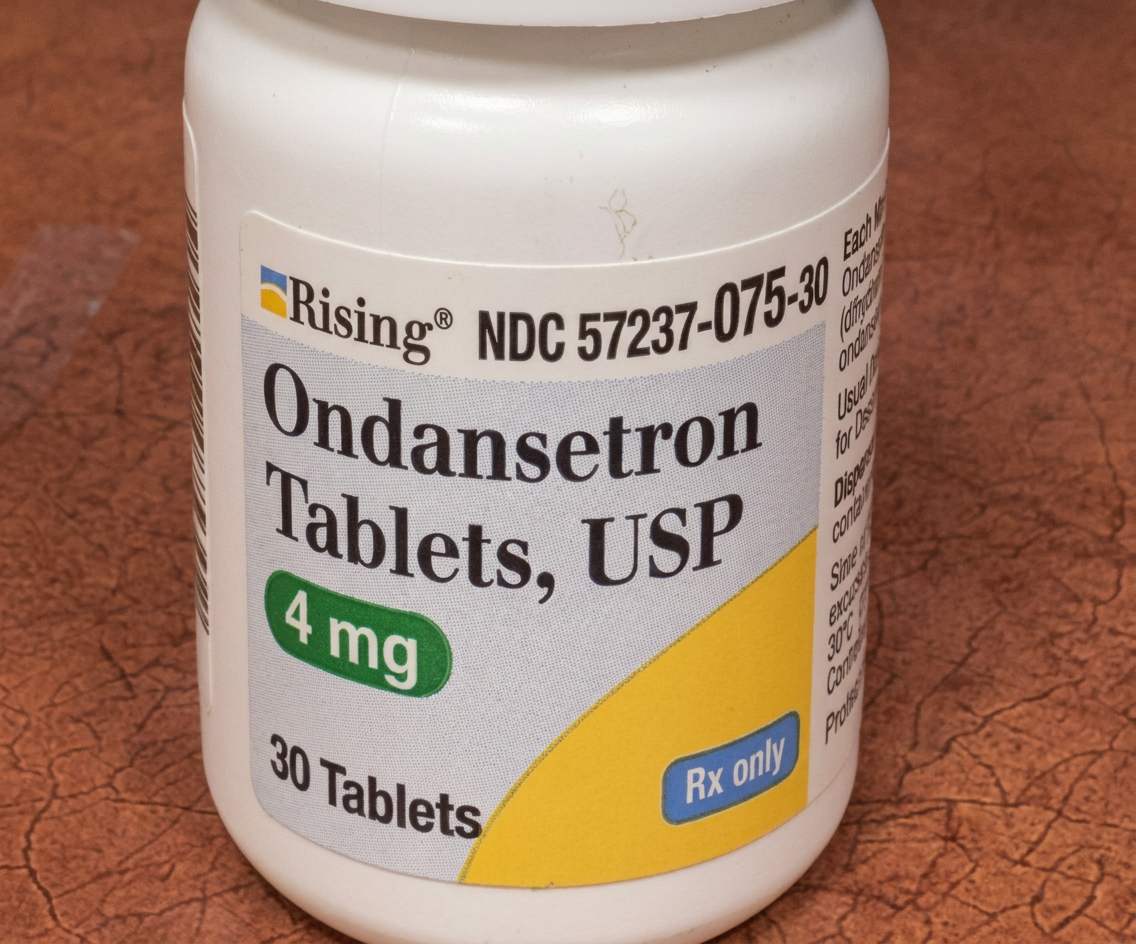
Ondansetron is a medication that may be used for nausea and vomiting in cats. This medication may be used in the hospital as an injection or sent home as a prescription oral medication. Read on to learn more about this medication, how it is used in cats, and things to look for if your kitty is prescribed this medication.
Quick Overview: Ondansetron for Cats

About Ondansetron for Cats
There can be many underlying reasons for vomiting in cats. Ondansetron may be one part of a therapy approach. Chris Vanderhoof / Cats.com
Ondansetron is a 5-HT3 receptor antagonist. 5-HT3 is a specific form of serotonin. 5-HT3 receptors are found largely in the gastrointestinal tract and the vomiting center of the brain. By preventing serotonin from binding to the receptor, ondansetron can help reduce vomiting and nausea both centrally in the brain and via receptors in the GI tract.
Ondansetron may be used as a sole medication for vomiting and nausea though it is often used alongside other medications like Cerenia.
One study found Cerenia and ondansetron to be comparable in terms of addressing nausea and vomiting in cats when the injectable forms were used. However, in practice, Cerenia is considered by many veterinary clinicians to be superior at stopping vomiting, with ondansetron viewed as more effective at addressing nausea.
Ondansetron may be used most often when another medication is given that is expected to lead to nausea or vomiting. One example is when dexmedetomidine is used as a sedative in cats. At higher doses, dexmedetomidine can cause nausea and vomiting. One study found that when ondansetron was given at the same time as dexmedetomidine, signs of nausea and vomiting were reduced.
Another example where ondansetron may be helpful is when given alongside certain chemotherapy medications that may cause digestive upset.
There does appear to be a clear difference between the effectiveness of the oral form of ondansetron compared to when the injectable is used. One study found that the oral form was only about 30% bioavailable in cats, compared to 75% bioavailability when it was injected subcutaneously under the skin.
This does mean that it may be more common in many veterinary practices for the injectable form to be carried and used in-hospital compared to prescribing the oral tablet form for at-home use.
Dosing Information for Cats
Ondansetron is not an FDA approved medication for cats and is used off-label, which is common in veterinary medicine. This does mean that dosing is based on the limited clinical studies available, years of conventional use and personal clinical experience.
Your veterinarian will need to determine the best dosing amount and frequency, as both may change depending on the purpose of use, other medications being used, and the health condition of your cat.
An average 10lb cat dose may range from 2.5-4mg. Dosing frequency can also vary, ranging from doses every 8-12 hours or as often as every 6 hours.
Ondansetron is a medication commonly prescribed for people and as such it may be found in home pharmacy cabinets. Never give your cat medication without first consulting with your vet on whether it is appropriate and if so, what dose and frequency would be best for your cat.
How to Administer Ondansetron to Cats?
If prescribed for your cat, ondansetron comes in the form of a pill. Ondansetron comes in a traditional pill form that must be swallowed, but there is also a disintegrating tablet form that may work better for some cats.
The oral tablets can be hidden in a treat, mixed with food, or given directly by mouth. For tips on giving your cat a pill directly by mouth, see our article on How to Give Your Cat a Pill.
If you have trouble administering medication to your cat and pilling is stressful and difficult, the disintegrating tablets may be an option to ask your vet about. These are designed to be placed on the tongue where they dissolve on their own. The whole tablet thus does not need to be swallowed. If a pill can at least be placed in a cat’s mouth, this might be an option.
The disintegrating tablets cannot be affected by moisture prior to administration and so cannot be mixed with food and must be handled with dry hands.
The oral solution may be given to cats, but the dosing may be problematic, especially in a cat who is already experiencing nausea. With the 0.8mg/ml solution, a 2.5mg dose (considered the low end for a 10lb cat) would require 3ml. The volume would only increase from there for larger cats or for those requiring a higher dosage.
An oral liquid option may be prescribed through a special formulation with a compounding pharmacy. If you have trouble with oral options for your cat, reach out to your vet to see if a compounding option may help.
Ondansetron has shown to be more bioavailable as a subcutaneous injection given under the skin. Some cat owners may be comfortable giving subcutaneous injections, not unlike insulin injections or subcutaneous fluids. If an oral tablet appears to be ineffective or oral administration is difficult but injections are something you are comfortable with doing for your cat, this may be an option to discuss with your vet.
Interestingly (and perhaps unfortunately), one study did look at a transdermal form of ondansetron in cats. Unfortunately, the study did not find that this route provided meaningful concentrations in the blood stream and would not be an effective route by which to give this medication.
Side Effects of Ondansetron for Cats
Ondansetron appears to be a very well tolerated medication in cats. GI side effects like constipation and diarrhea may rarely occur.
While sedation may not be expected, 5-HT3 is a form of serotonin, making sedation possible.
Involuntary muscle movements like head shaking are not common, but serotonin may occasionally cause these, which are called extrapyramidal clinical signs.
In humans, increased liver enzymes, heart arrhythmias, and low blood pressure are possible but occur in less than 10% of patients.
Headaches occur in humans about 10-25% of the time when taking ondansetron. As headaches are not something we can easily appreciate in pets, the occurrence of this in cats is unknown.
Overdose and Emergencies
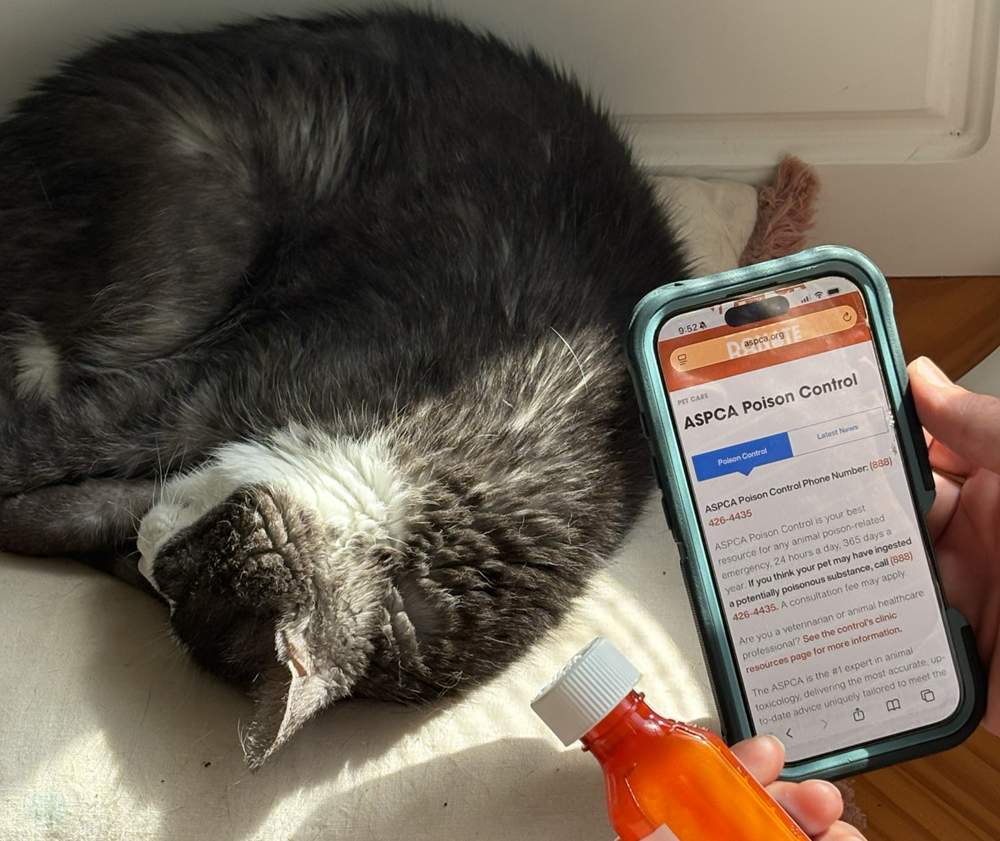
If you are ever unsure if you have given too much of a medication, given it correctly, or are concerned about medication interactions, contact your vet, ASPCA Poison Control, or the Pet Poison Helpline. Chris Vanderhoof and Annie / Cats.com
Ondansetron is believed to have a wide safety margin in general, however there are little to no toxicology studies available in cats. In humans, overdoses up to 10 times the label dosage did not cause significant illness.
If you suspect your cat received an overdose of ondansetron, it’s best to immediately contact one or more of the following for advice:
- Your veterinarian
- ASPCA Animal Poison Control Center (1-888-426-4435)
- Pet Poison Helpline (1-855-764-7661)
Potential Drug Interactions With Ondansetron
The following list represents potential drug interactions with ondansetron. Unless specifically noted, concurrent use is not necessarily contraindicated, but it should be approached carefully under veterinary advisement.
Where serotonin syndrome is mentioned, this is a condition where high levels of serotonin accumulate in the body and cause a variety of illness signs. This may include digestive upset, muscle tremors, agitation, altered mentation, and seizures. Serotonin syndrome most often occurs due to the cumulative effects of medications that can alter serotonin levels in the body. This is an important reason to always inform your veterinarian of medications your pet is taking and to not dose your cat with human medications from home without consulting with a vet first.
- Apomorphine: use together may lead to low blood pressure and loss of consciousness and is contraindicated in people. Apomorphine is used in dogs to induce vomiting but is not typically used in cats, as it is ineffective.
- Azole antifungals (itraconazole): may inhibit ondansetron metabolism and prolong the QT interval
- Cyclophosphamide: concentrations of this medication in the body may be decreased by ondansetron
- Hepatic CYP3A inducers (phenobarbital): ondansetron metabolism and clearance may be increased
- Monoamine oxidase inhibitors (selegiline): increased risk for serotonin syndrome
- Metformin: ondansetron may increase serum concentrations
- Opioids with serotonergic activity (methadone): may increase risk for serotonin syndrome
- P-Glycoprotein inhibitors (cyclosporine): may increase serum concentrations of ondansetron
- QT-Prolonging agents (cisapride): may increase risk for QT interval prolongation and potentially serious arrhythmias
- Ropinirole: ondansetron may reduce the emetic effect of ropinirole
- Serotonergic medications (clomipramine, fluoxetine, mirtazapine, trazodone): increased risk of serotonin syndrome
- Tramadol: increased risk for serotonin syndrome
How to Store Ondansetron?
Oral ondansetron tablets should be stored in light-resistant containers between 68 degrees F and 77 degrees F with excursions of 59 degrees to 86 degrees permitted.
The oral disintegrating tablets should be stored in the original foil blisters and given immediately when opened. Tablet remnants should be discarded.
The injection should be stored between 68 degrees F and 77 degrees F and protected from light. Do not use the solution if it appears to be discolored. Some forms of ondansetron may be stored by refrigeration but this may vary depending on the manufacturer and the specific product label should be consulted.
-
A Budde, J., & A McCluskey, D. (2023). Ondansetron [Professional app]. In Plumb’s Veterinary Drug Handbook (10th ed.). Wiley Blackwell.
-
Baykurt, T. K., Erdogan, H., Ural, K., & Erdogan, S. (2025). Comparing the Antiemetic Effects of Maropitant and Ondansetron in Cats with Acute Vomiting in Clinical Practice. Journal of the Hellenic Veterinary Medical Society, 76(2), 9151–9162. https://doi.org/10.12681/jhvms.38093
-
Batchelor, D. J., Devauchelle, P., Elliott, J., Elwood, C. M., Freiche, V., Gualtieri, M., Hall, E. J., Hertog, E. D., Neiger, R., Peeters, D., Roura, X., Savary-Bataille, K., & German, A. J. (2013). Mechanisms, causes, investigation and management of vomiting disorders in cats: a literature review. Journal of Feline Medicine and Surgery, 15(4), 237–265. https://doi.org/10.1177/1098612x12473466
-
Fitzpatrick, R. L., Wittenburg, L. A., Hansen, R. J., Gustafson, D. L., & Quimby, J. M. (2015). Limited sampling pharmacokinetics of subcutaneous ondansetron in healthy geriatric cats, cats with chronic kidney disease, and cats with liver disease. Journal of Veterinary Pharmacology and Therapeutics, 39(4), 350–355. https://doi.org/10.1111/jvp.12286
-
Trepanier, L. (2010). Acute vomiting in cats. Journal of Feline Medicine and Surgery, 12(3), 225–230. https://doi.org/10.1016/j.jfms.2010.01.005
-
Santos, L. C. P., Ludders, J. W., Erb, H. N., Martin-Flores, M., Basher, K. L., & Kirch, P. (2011). A randomized, blinded, controlled trial of the antiemetic effect of ondansetron on dexmedetomidine-induced emesis in cats. Veterinary Anaesthesia and Analgesia, 38(4), 320–327. https://doi.org/10.1111/j.1467-2995.2011.00619.x
-
Quimby, J. M., Lake, R. C., Hansen, R. J., Lunghofer, P. J., & Gustafson, D. L. (2013). Oral, subcutaneous, and intravenous pharmacokinetics of ondansetron in healthy cats. Journal of Veterinary Pharmacology and Therapeutics, 37(4), 348–353. https://doi.org/10.1111/jvp.12094
-
Forsythe, L., & Gollakner, R. (n.d.). Ondansetron. VCA Animal Hospitals.
-
Zajic, L. B., Herndon, A. K., Sieberg, L. G., Caress, A. L., Morgan, P. K., Hansen, R. J., Wittenburg, L. A., Gustafson, D. L., & Quimby, J. M. (2017). Assessment of absorption of transdermal ondansetron in normal research cats. Journal of Feline Medicine and Surgery, 19(12), 1245–1248. https://doi.org/10.1177/1098612x16688807
-
Thompson, A., & Lummis, S. R. (2006). 5-HT3 receptors. Current Pharmaceutical Design, 12(28), 3615–3630. https://doi.org/10.2174/138161206778522029