 Last updated Aug 17, 2026


Kirsten McCarthy / Cats.com
You are a cat lover, right? But you also have a problem with allergies. Felines produce dander which is a common allergen and that’s at the root of the problem. According to aafa.org, in the United States alone, It is estimated that as many as 3 in ten pet parents with allergies have allergic reactions to cats.
What Cat Breeds Are Hypoallergenic?
Did you know that there are no 100% hypoallergenic cats? Some cat breeds, however, that produce less allergens come pretty close to the mentioned figure. Let’s take a look at those hypoallergenic breeds and who knows, we might be able to help you find your perfect feline friend.
1. Russian Blue
Review News / Shutterstock.com
 Origin:
 Height:
 Adult Weight:
 Life Span:
 Group:
Medium-sized short-haired
Group:
Medium-sized short-haired
 Price:
$1000 - $1700
Price:
$1000 - $1700
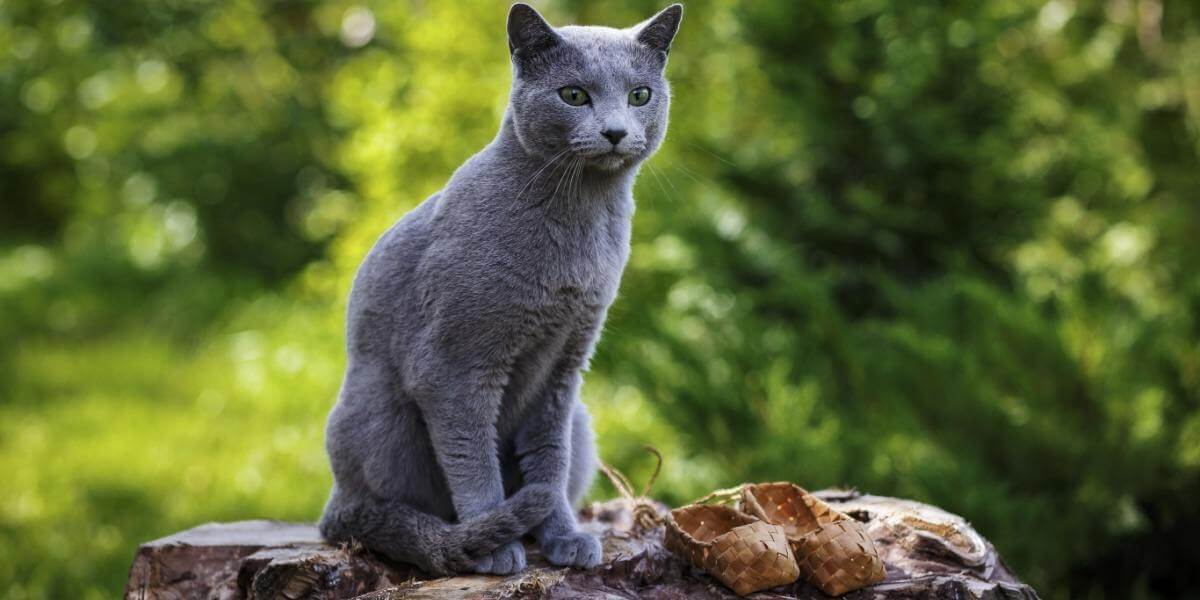
Russian Blues don’t possess any special coat qualities that set them apart from others, but they do produce less Fel d1 (the protein that cats secrete from their skin which triggers allergies). The Russian Blue is also well-known for its “smile”.
It has a slightly upturned mouth and many compare it to the enigmatic Mona Lisa smile. The Russian Blue is widely regarded as a calm cat breed that is a bit of a loner, but only in the sense that it can enjoy itself even if you leave it home alone for the day. It will be happy to see you when you arrive, though!
2. LaPerm
Philippe Sonderegger / Shutterstock.com
Origin:
Height:
Adult Weight:
Life Span:
Group:
Medium-sized shorthair and longhair
Price:
$800-$1,500
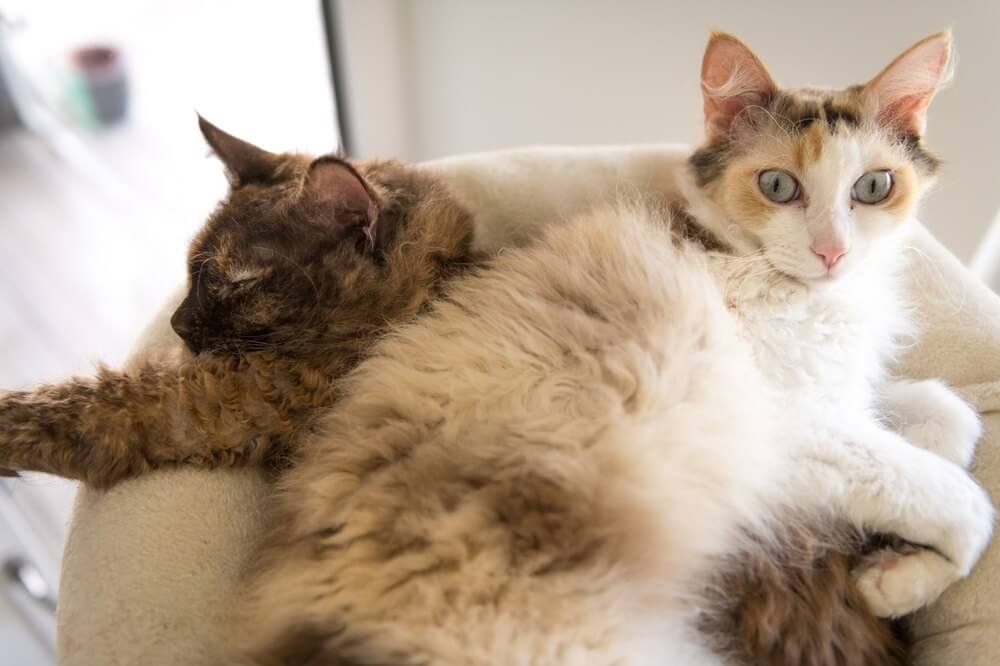
The LaPerm is best known for its unusual curly coat, which can be either short or long and feels soft and springy to the touch. This distinctive coat sheds less than that of many other cat breeds, which can help reduce the spread of allergens in the home. Because loose hairs tend to stay trapped in the curls rather than floating around, LaPerms are often considered a good option for people with mild cat allergies.
In addition to their allergy-friendly coat, LaPerm cats are affectionate, people-oriented, and gentle in nature. They enjoy human companionship without being overly demanding. Regular but gentle grooming helps keep the curls in good condition and minimizes dander buildup, making the LaPerm a solid choice for allergy-conscious cat lovers.
3. Oriental
thekovtun / Shutterstock.com
Origin:
Height:
Adult Weight:
Life Span:
Group:
Medium-sized short-haired
Price:
$400-$2000
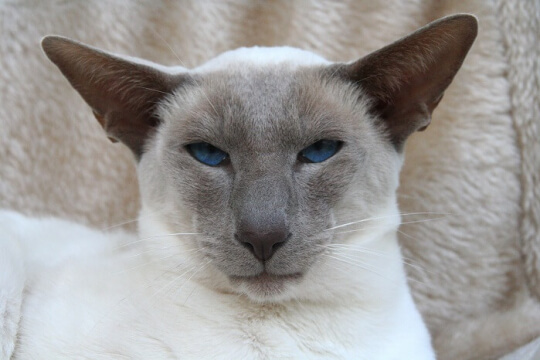
Oriental Shorthairs have fine, short coat and they shed very little. The best thing you can do here is to brush it on a regular basis, so that you remove any loose hairs and further reduce the amount of hair it drops. Oriental cats aren’t as efficient as the cats we mentioned before allergies-wise, but that is no reason to overlook it. It still is a hypoallergenic cat breed.
4. Siberian Cat
Kirsten McCarthy / Cats.com
Origin:
Height:
Adult Weight:
Life Span:
Group:
Medium to large long-haired
Price:
$1000-$2000
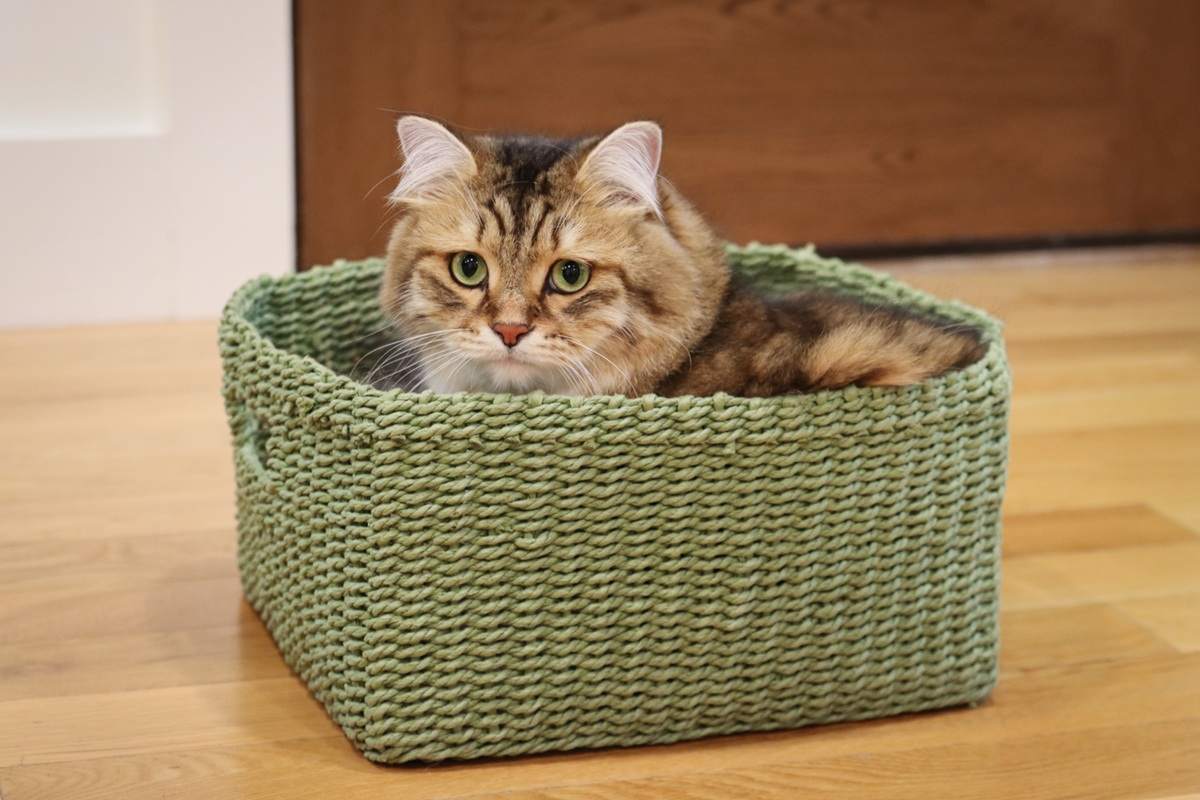
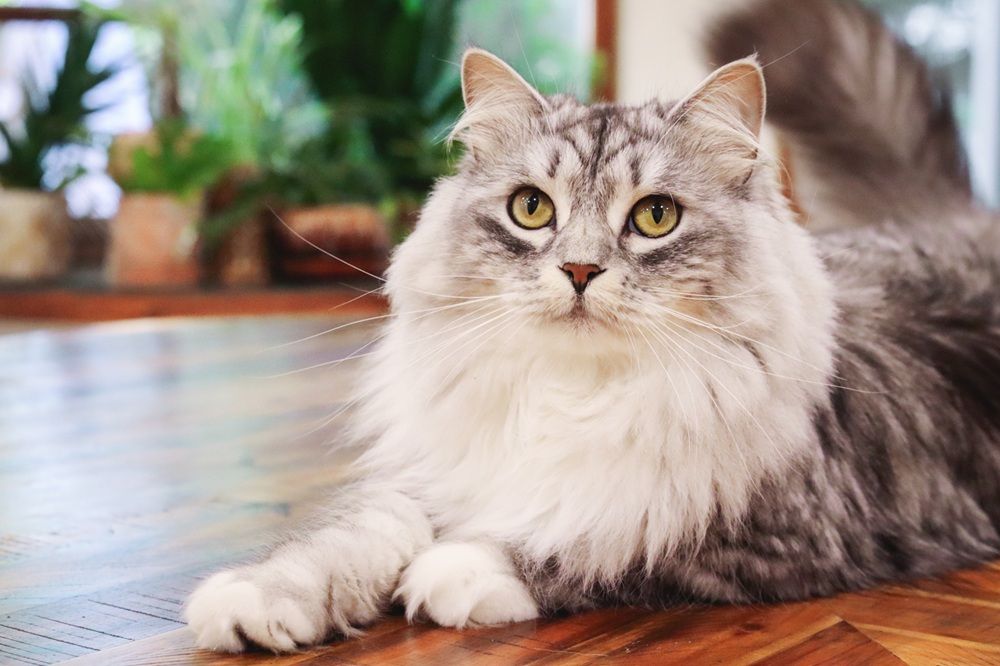
You are probably wondering why we put the Siberian cat here because it has a long coat. Yes, it has a stunning long coat, but just like the Russian Blue and Balinese, this cat’s skin produces less Fel d1 than most other breeds and that’s why it is considered hypoallergenic.
It is a large cat with a lush double coat, but it is hypoallergenic, so you don’t have to worry.
5. Balinese
New Africa / Shutterstock.com
Origin:
Height:
Adult Weight:
Life Span:
Group:
Small to medium-sized longhair
Price:
$1,000 - $1,500
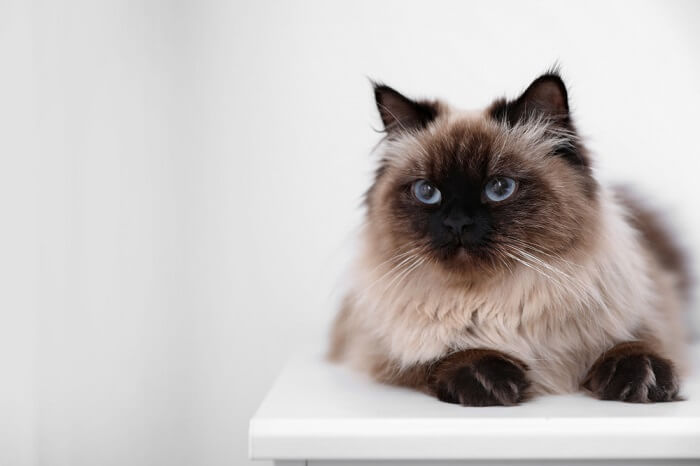
The Balinese cat is similar to the Russian Blue when it comes to hypoallergenic tendencies. The Balinese cat also produces less Fel d1 which means that they are less likely to cause an allergic reaction.
The Balinese is also known for its remarkable intelligence and high energy. This cats gets along well both with humans and animals which can only be a good thing.
6. Sphynx Cat
Kirsten McCarthy / Cats.com
Origin:
Height:
Adult Weight:
Life Span:
Group:
Medium-sized hairless
Price:
$1800-$3000
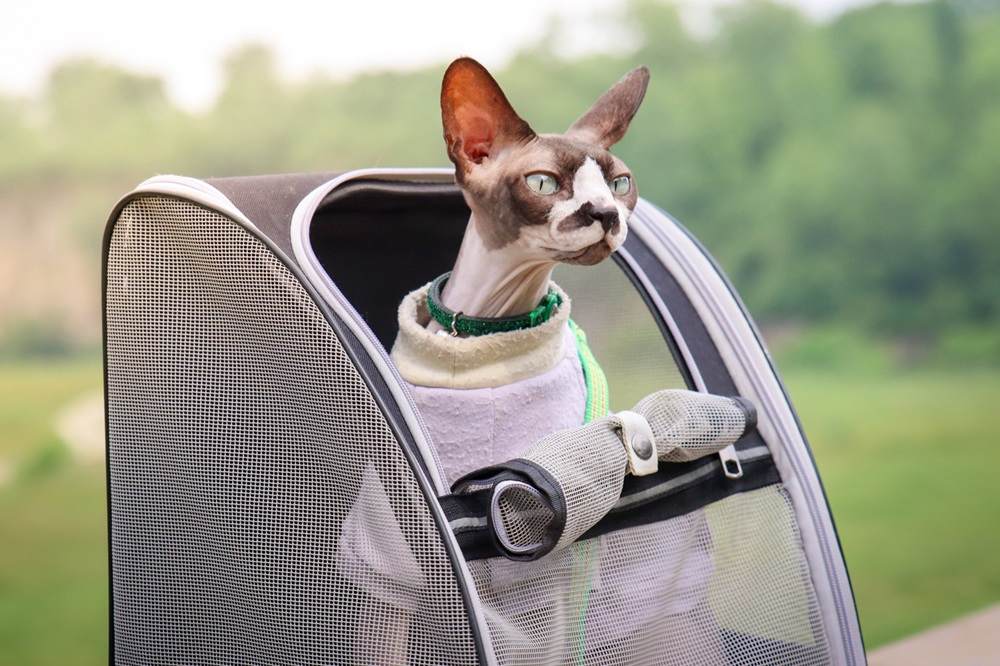
The Sphynx cat is unique due to its hairless look. Sphynx cats have no fur, so there is no way for the allergenic proteins in the cat’s saliva to get trapped in it. However, cat dander comes from the saliva, so even the hairless Sphynx can irritate allergic reactions. Don’t forget that these felines require special care, so before you get one, you should be well informed on what that involves.
7. Devon Rex
Veera / Shutterstock.com
Origin:
Height:
Adult Weight:
Life Span:
Group:
Small to medium-sized shorthair
Price:
$600-$2,000
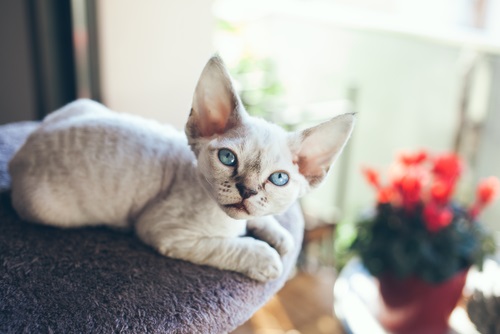
Just like its cousin Cornish, the Devon Rex also has the same coat type and that is the soft down hair used to make up most cats’ undercoats. To make things even better, Devon Rex has even less hair than the Cornish Rex, so it sheds even less. Therefore, that low risk of having an allergic reaction just decreased even more.
8. Cornish Rex
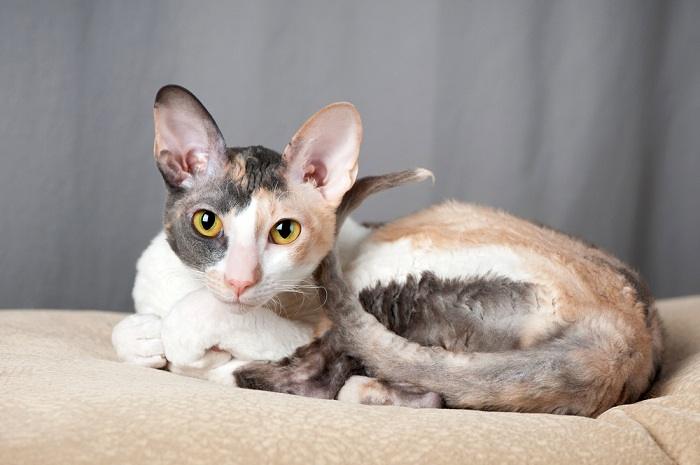
Marina Averyanova / Shutterstock.com
Origin:
Height:
Adult Weight:
Life Span:
Group:
Small to medium-sized shorthair
Price:
$800-$1,300
This one has quite a special kind of fur. While the majority of cats’ fur is arranged in three layers (top, middle, and bottom hair) the Cornish Rex only has a bottom undercoat of down hair which means that they are quite soft and a lot less hairy than the rest of their cousins. Shedding less hair means a lower risk of causing an allergic reaction.
Considering that they only have one layer of hair, they are less likely to cause a problem with allergy. These cats are widely considered as one of best small hypoallergenic cat breeds around.