
 Published Jul 16, 2026


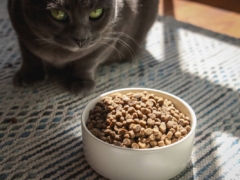
A cat, a litter box, and food bowl, the trio of our topic. Abnormal stool in the litter box, vomited food, food refusal, or a lethargic cat can all be parts of different stomach and intestinal disorders. Kirsten McCarthy / Cats.com
Vomiting, diarrhea, a poor appetite, and other digestive issues are very common in cats. This article is designed as an overview to bring together several different types of digestive health topics based on the part of the digestive tract affected: the stomach, the small intestine, and the large intestine.
Quick Overview: Stomach and Intestinal Disorders in Cats
 Other Names: Gastritis, enteritis, colitis, inflammatory bowel disease, irritable bowel syndrome, gastrointestinal foreign body, constipation, GI ulcers, gastrointestinal cancer
 Common Symptoms: Vomiting, diarrhea, loss of appetite, weight loss
 Requires Ongoing Medication: For chronic disorders continuous management with medication or diets is required
 Vaccine Available: No
 Treatment Options: There are various treatment options depending on the part of the GI tract affected and what signs and symptoms of illness are being seen. Treatments also vary on whether the condition has a true sudden onset or has been progressing for a longer time.
 Home Remedies: If your cat vomits multiple times and this is very unusual, or is coupled with other signs like lethargy and poor appetite, it’s best to schedule a same day visit with your vet or an urgent care center. If vomiting is followed by a loss of appetite at the next meal, consider scheduling a veterinary visit within the next 12-24 hours. Don’t ignore any acute digestive issues that occur or hope they will improve on their own. If you’re not seeing improvement within 1-2 days with any kind of home care for a digestive disorder, schedule an exam with your vet. Make sure to schedule rechecks or follow up visits with your vet, especially if an expected outcome doesn’t occur or something changes unexpectedly in your cat’s health management. If your cat has a chronic digestive disorder, find a way to check their weight every month consistently at home.
For each topic, there will be links available for further reading, to help you narrow down your search if you have a digestive health concern for your cat. This is a longer article, designed either for reading from start to finish, or selecting the topic that is most relevant to your cat’s situation.
Types and Causes of Stomach and Intestinal Disorders
1. Gastritis
Gastritis is inflammation or irritation of the stomach wall or lining. Gastritis may be described as acute or chronic.
Acute gastritis occurs very suddenly, often in a cat not described as a “chronic vomiter” or one that likes to “scarf and barf”. Dietary indiscretion is one of the most common causes of gastritis where something has directly irritated the stomach itself.
This may be foreign material, like plant matter (like the dried leaves that blow in from outside which my own kitty likes to ingest and then vomit up shortly after), other foreign objects around the home (such as string or thread) or a new/unfamiliar food item. “New” food may include a new food or treat intentionally fed to a cat or it may mean something intended for the human family that they found in the kitchen.
Other causes may include viral or bacterial infection, toxins, or parasites.
Chronic gastritis is recurrent, often lasting at least two weeks or longer. Chronic foreign material could be a cause if it can’t be expelled or won’t pass through the GI tract. There are also chronic inflammatory disorders, like lymphoplasmacytic gastritis which occurs when immune cells infiltrate the stomach wall, leading to swelling/thickening of the wall and inflammation.
2. Enteritis
Enteritis refers to only the small intestine. The small intestine starts at the duodenopyloric junction or DPJ, which is a muscular sphincter that allows food to pass out of the stomach into the duodenum, which is the first part of the small intestine. A majority of the small intestine is made of the segment called the jejunum, which is followed by a shorter part called the ileum.
Enteritis can have some causes similar to gastritis. If something is ingested that irritates the stomach, it may also irritate the small intestine if it makes its way out of the stomach.
Intestinal parasites and infections can be very common causes of enteritis as well.
Inflammatory conditions can affect the small intestine. Lymphoplasmacytic enteritis is the most common form of inflammatory bowel disease (IBD) in cats. Eosinophils, another type of inflammatory immune cell, may also cause chronic inflammation.
It’s not uncommon to see gastritis and enteritis occur together, which is then termed gastroenteritis.
3. Colitis
Colitis refers to inflammation of only the large intestine, commonly referred to as the colon. The last segment of the small intestine, the ileum, merges with the colon at a structure called the ileocecocolic junction, or ICCJ. The cecum is a small blind-ended kind of pouch that can store small amounts of food as it passes to the colon and has a couple of small digestion and absorption functions. It has significantly less function in carnivores like cats compared to plant-eating animals.
In cats, all the structures (the ileum, cecum, and colon) meet together at a common opening which also has a muscular sphincter to selectively allow digested material through.
Colitis can be commonly caused by dietary indiscretion. There are also certain intestinal parasites, such as whipworms, that tend to affect the large intestine more than the small intestine.
Chronic inflammation in the form of lymphoplasmacytic or eosinophilic colitis can occur in the large intestine just like it can in the small intestine or stomach.
4. Inflammatory Bowel Disease (IBD)
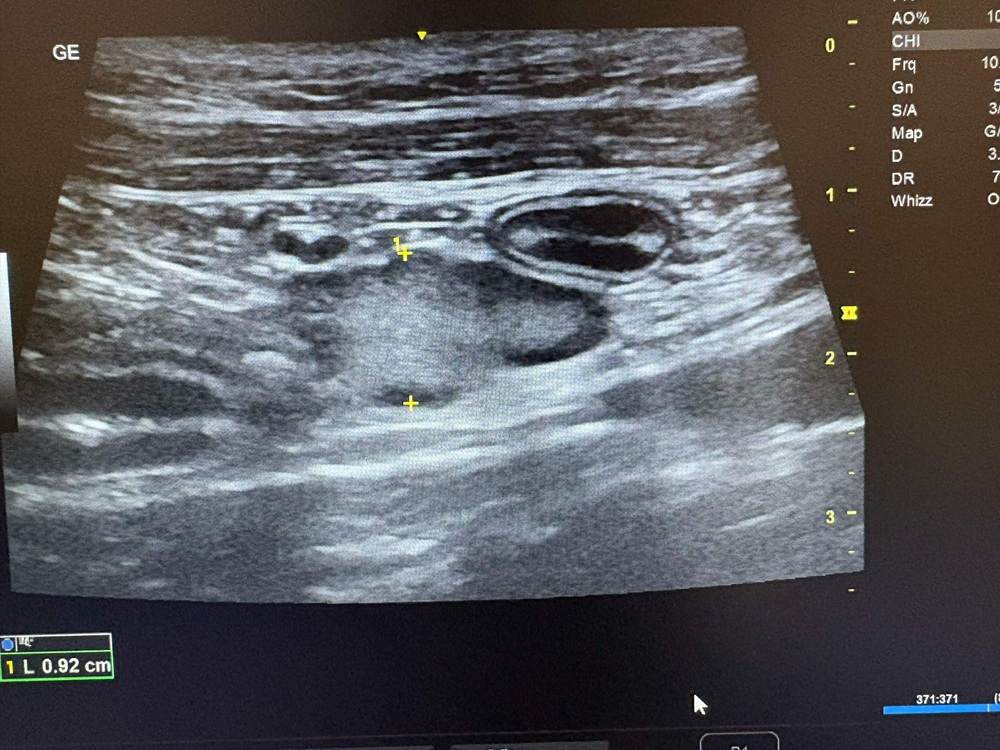
Ultrasound is one of the most sensitive ways to detect inflammatory bowel disease in cats. Even if the intestines look normal, nearby lymph nodes may be inflamed, acquiring an enlarged, lumpy appearance with black bordering. Chris Vanderhoof / Cats.com
IBD is possibly the most common chronic digestive disorder seen in cats. It may impact any or all parts of the digestive tract, from the stomach to the large intestine.
Inflammatory bowel disease is a complex disorder involving the immune system. In any form of inflammatory bowel disease, immune cells of one kind or another infiltrate the digestive tract tissues causing inflammation and thickening.
The most common form that occurs in cats involves lymphocytes and plasma cells. IBD that involves these cells is called lymphoplasmacytic. Eosinophils are another immune cell that may cause eosinophilic forms.
What actually causes IBD is likely multifactorial, or having more than one contributing cause. A dietary protein allergy is considered to be a significant cause, especially since hypoallergenic, hydrolyzed protein, or novel protein diets may be the only approach needed to manage some cases.
The body’s reaction to gut bacteria is another proposed mechanism where the immune system attacks the body’s normal gut bacteria, leading to inflammation and bacterial imbalance or dysbiosis. Environmental factors may also play a part.
5. Irritable Bowel Syndrome (IBS)
IBS is not considered the same condition as IBD, although the terms may incorrectly be used interchangeably.
IBS is a condition connected more to pain, nerves, and stress vs. an allergy or chronic inflammation.
Cats with IBS are thought to have an aberration in their central stress response system (CSRS) which involves signals sent from the brain and involving the hypothalamus, pituitary, and adrenal glands and how they interact with the autonomic nervous system. The autonomic nervous system is involved with regulating bodily functions like heart rate and respiratory rate but sends signals to the body’s organs as well.
A stress response in cats may appear differently depending on the cat. Over the past couple of decades, some inappropriate urinary behavior in cats has been linked to stress-induced bladder inflammation, called feline idiopathic (interstitial) cystitis.
However, flare ups of diarrhea, especially large intestinal diarrhea, are also thought to be linked to stress in some cats.
In the early 2000s, Dr. Tony Buffington coined the term “Pandora Syndrome” to describe a disorder of the stress response system that may have multiple outcomes in terms of visible symptoms or behaviors in cats. In addition to urinary bladder inflammation and colitis, cats may display recurrent upper respiratory signs, skin conditions, obesity, and others.
Interestingly, in humans, there are similar links found between stress, IBS, and interstitial cystitis, suggesting that cats are not unique in this type of stress response that leads to chronic recurrent illness of certain body systems.
6. Gastrointestinal obstruction
A GI obstruction occurs when something that cannot be digested, at least not easily, is unable to pass further through the stomach or intestinal tract and gets lodged there. The body will continue trying to eliminate a foreign object either via vomiting or trying to pass it.
Cats are very fond of stringy and stretchy types of objects. Items like dental floss, sewing thread or yarn can cause a significant issue if they get lodged around the base of the tongue at one end while the rest continues down the GI tract. This leads to plication, or an accordion-like bunching of the small intestine.
Rubber bands and hair ties/bands are another common item cats like to play with and may swallow. I once had to perform stomach surgery on a cat, removing nearly 20 hair bands.
Other items I’ve seen include Christmas tree ornament hooks, bits of clothing, and pieces of plastic.
Hair may also accumulate in the stomach or intestinal tract, causing a blockage. In my own experience when removing these, I find other foreign material mixed in with the hair, making it likely that the hair collected around something else while in the stomach and hairballs may not have been the initial issue.
Over time, a foreign object and the body’s attempts to expel it can lead to swelling and inflammation of GI tract tissue, and tissue damage. Sharp objects may also perforate or pass through the GI tract lining and into the abdomen.
7. Cancers of the Stomach and Intestine
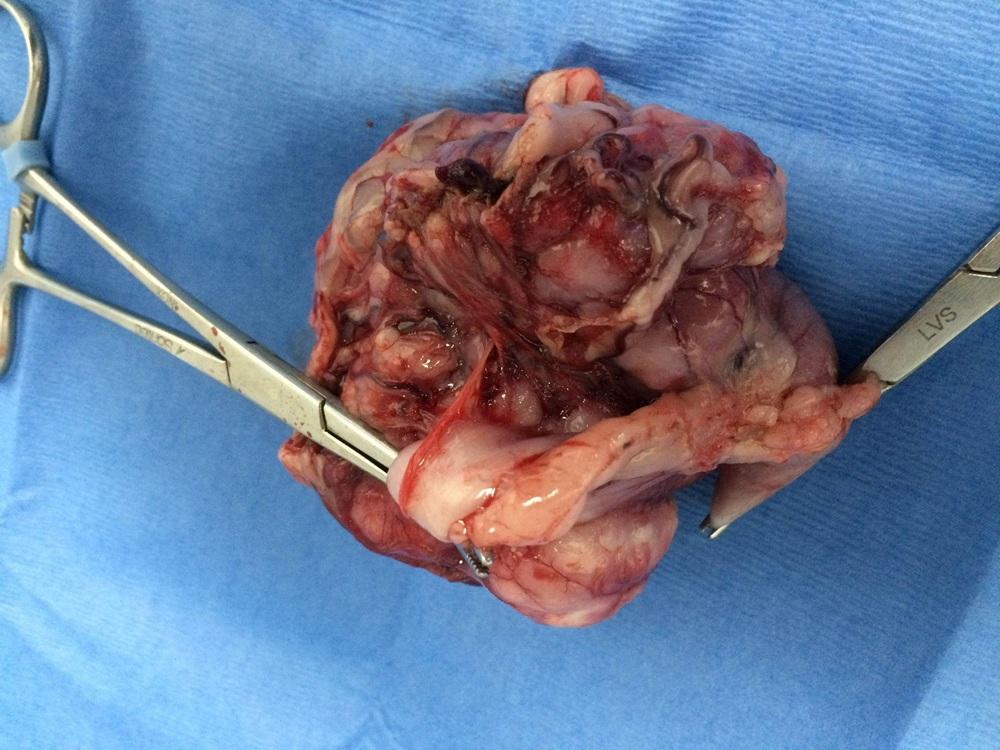
Lymphoma is one of the two most common types of gastrointestinal tract cancer in cats. This mass of large cell lymphoma, which is very aggressive, was surgically removed followed by further medical therapy. The surgery clamps show where the actual ends of the normal intestine were in relation to the mass, passing from one end of the mass through it to the other. Chris Vanderhoof / Cats.com
Reportedly, cancers of the digestive tract are uncommon in cats compared to cancers that affect other areas like the skin. They make up less than 10% of cancer types in cats.
Lymphoma and adenocarcinoma are two of the most common cancer types that affect the stomach and intestines. Adenocarcinoma and large cell lymphoma both appear as very large, single masses, however they can spread to other nearby lymph nodes and other organs. One suspected cause of large cell lymphoma is feline leukemia virus (FeLV), even in cats that test negative for the presence of the virus.
Lymphoma also has a type called small cell. Small cell lymphoma is more insidious. It infiltrates small intestinal tissue more diffusely but may not even cause noticeable thickening. There are many who believe that IBD and small cell lymphoma are simply two ends of a spectrum of tissue inflammation that involves lymphocytes. Chronic lymphocyte inflammation may eventually develop into small cell lymphoma.
8. Constipation
Constipation is typically an issue that develops in the large colon. The colon is responsible in part for removal of water from stool. The longer stool sits in the colon, the more dehydrated it will get and the harder it will be to pass.
There are many contributing factors to constipation, including obesity, disorders like diabetes or kidney disease that lead to body dehydration, impactions with hair, and neuromuscular issues with colon function.
An episode of constipation that persists and allows stool to back up to the point it can no longer be passed at all is called obstipation. Cats who are recurrently obstipated will experience dilation and stretching of their colon, which can lead to a condition called megacolon.
9. Gastrointestinal ulcers
An ulceration occurs when the protective layer of the stomach or small intestine is eroded, leading to a bleeding sore. The harsh environment of the stomach and small intestine with acid and digestive enzymes can cause further tissue damage to the ulcerated tissue.
Causes include toxicity from medications (such as non-steroidal anti-inflammatory medication), GI parasites, acute or chronic kidney failure, stress, foreign material, cancers, or anything affecting blood perfusion to the GI tract tissue.
Ulcerative colitis (of the large intestine) is very rare in cats, unlike in people, as IBD usually occurs in areas other than the large intestine in cats. One type of ulcerative colitis called histiocytic ulcerative colitis does occur in cats, but is fairly rare.
Symptoms of Stomach and Intestinal Disorders in Cats
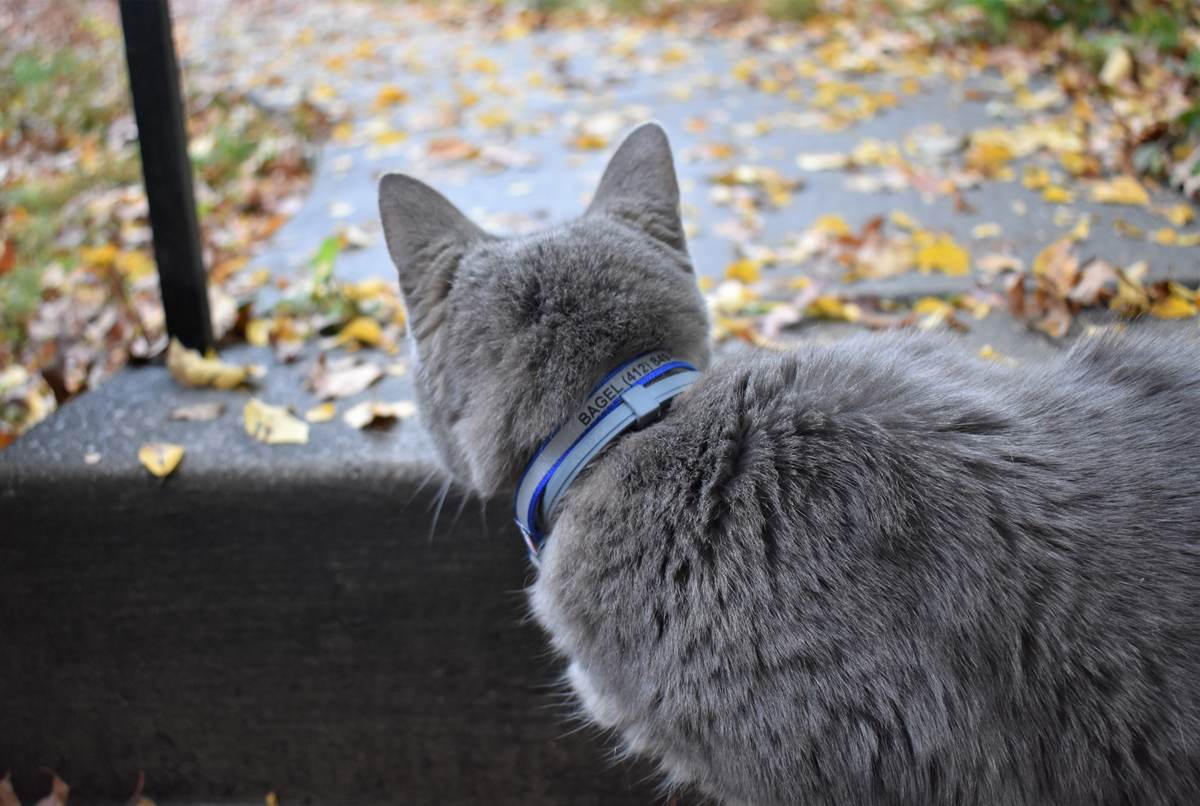
We may not see an actual vomiting or diarrhea event occur, but find the evidence later. Even if you don’t see the event, it’s very important to pay attention to piles of vomit and/or diarrhea. Is it unusual to see this? Are they increasing in frequency? Kate Barrington / Cats.com
Symptoms you’ll see in your cat with a stomach or intestinal disorder can vary depending on the part (or parts) of the GI tract affected, and how it’s affected.
1. Symptoms of Gastritis
Gastritis primarily leads to vomiting. This may include vomiting of food but may also include seeing only a clear to yellow fluid called bile. When a cat vomits only bile, that indicates that the stomach is empty of food and stomach contractions are now pulling fluid from the duodenum (where bile is released) up into the stomach and out.
Blood may also be seen in vomit with gastritis. There are two types that may be seen however. Seeing a faint pink tinge to otherwise clear or bile type fluid may only mean that the stomach is so inflamed or irritated that some blood from that irritation has pooled in with the vomit. This is not uncommon especially if several vomiting episodes have occurred in a shorter period of time.
The second type is more concerning. If a coffee grounds type appearance is seen in the vomit, this indicates that the blood is digested. Digested blood is seen more with chronic bleeding or ulceration of the stomach tissue lining.
2. Symptoms of Enteritis
When only enteritis, or inflammation of the small intestine, is seen, diarrhea is usually present. Small intestinal diarrhea tends to have more volume and is less watery than large intestinal diarrhea.
Fresh blood in the stool does not develop from the small intestine. If there is any bleeding, ulceration, or irritation in the small intestine, what is seen instead is called melena. Melena is a black, sticky tar-like substance. This is what blood in the stool looks like after it has been partially digested and passed through most of the GI tract.
Small intestinal diarrhea can have a variety of colors from brown to yellow. Some variation in color is common and doesn’t always indicate a specific type of illness. If you have concerns about the color of your cat’s stool, it’s always best to send a photo to your vet or bring in a stool sample for examination and submission to a lab.
3. Symptoms of Colitis
Diarrhea originating from the large intestine tends to be more watery and more frequent. There is also a sense of urgency to poop that’s felt even when there is really nothing to get out. For this reason, you can see something called tenesmus, which is the appearance of straining to defecate with only small volumes or very little at all coming out.
Tenesmus can often be confused with constipation because it will only appear that a cat is straining to defecate. While many cat owners will assume there is stool present that’s hard to pass, the reality is that there is no stool there at all while the cat has a sense of urgency to go. This is not dissimilar from a UTI where there is a sense of urgency to pee frequently even when there is little to nothing to pee out.
Fresh blood may be seen with large intestinal diarrhea. There is no digestion that occurs in the large intestine, so if it is inflamed, any blood that pools in with stool from colon lining irritation will pass as bright red blood in the stool.
Small amounts of blood with acute large intestinal diarrhea are not uncommon and not always concerning compared to stool that is primarily composed of blood. I like to equate the level of concern to whether you’re seeing more stool than blood (less concerning) or more blood than stool (much more concerning).
Blood present in the colon is almost always related to the degree of inflammation that’s present. Trauma and cancer are both very uncommon in the colon. So while seeing fresh blood in the stool is typically not as acute or serious a concern as you may think, it’s always best for your own veterinarian to decide the seriousness of your cat’s condition. This always incorporates any other concurrent health concerns your cat has or exam findings that are present.
4. Symptoms of IBD
Inflammatory bowel disease in cats to me runs on a spectrum of severity from mild to more severe. I do believe that when we have a cat with more severe IBD and we look back at their history, they did have more subtle signs going back several years and may not have been recognized.
Cats with mild IBD typically have signs of vomiting. While all cats may vomit on occasion, seeing vomiting of food or bile more than once or twice a month should be considered abnormal. The same goes for hairballs. It’s not normal for cats to vomit hairballs frequently. Cats having hairballs more than once or twice a month may actually have a vomiting disorder.
It seems common for folks to dismiss “scarf and barf” as a normal behavior for cats, but this should be looked at very cautiously. It’s true that some cats may eat their food too quickly whether because of concern over food competition or just plain gluttony. But if this is true, then methods to slow down eating such as using puzzle bowls or smaller more frequent meals should be effective at significantly reducing the behavior.
So for any cat bringing up food more than a couple times a month and certainly on a weekly basis or more often, I start looking into inflammatory bowel disease as a possibility.
Unfortunately, in many cats, vomiting behavior does go unnoticed until it becomes so frequent it cannot be ignored (several times a week or daily). Weight loss also will begin to develop as the inflammation IBD causes prevents full nutrient absorption.
I find that weight loss in IBD cats tends to be slower over time, usually several months or more, where we’ve been able to track the progressive weight loss at office visits. I also find that while signs of IBD may have been present for several years, weight loss may not occur in many cases until a cat is approaching middle age or early senior years.
5. Symptoms of IBS
With irritable bowel syndrome, we try to look for association between illness signs like inappropriate urination or diarrhea, with stressful events. In other words, you’re looking for patterns of association between signs of disease and things happening in the environment that may be stressing a cat out.
For example, you may find that your cat has these signs when there has been a big change in the home like a new pet, a new baby, construction or remodeling, and other events that impact a cat’s secure view of their world.
If you think these signs may be intermittent and connected to stressful events or changes in the environment, it can be helpful to keep a log and see if there is a pattern of association.
6. Symptoms of Gastrointestinal Obstruction
Most of the time a GI obstruction occurs in the stomach or small intestine. This typically starts with protracted vomiting often coupled by decreased or absent appetite.
An acute onset of vomiting of more than once or twice should always be considered an urgent matter, especially if appetite is reduced or absent. If foreign material is present causing an obstruction, addressing it within 24 hours can be vital to successful outcomes.
7. Symptoms of GI Cancers
Signs that GI cancer is present can vary depending on the part of the GI tract affected. But in all cases, weight loss will be seen and that is one of the most important signs I look for to raise concern for potential cancer. Because cats are already small creatures, it can be hard to notice very small changes in weight but small changes are very important. Even 1/4lb of loss over a month can be significant for a cat.
Compared to a chronic disorder like IBD where weight loss may occur but occurs over a longer time as the disease progresses, weight loss from cancer typically occurs over only weeks to a couple months.
You may also see quickly progressive signs like worsening diarrhea or vomiting and reducing interest in food.
Bleeding may be seen in the GI tract with some types of cancers. However, it’s not uncommon with GI lymphoma to see no such abnormalities.
Cats are classic hiders of disease and it is very common for GI tract cancer to not be found until something more severe occurs or is noticed. This might include severe weight loss of one to two pounds or more, or what appears to be acute vomiting or loss of appetite.
Some GI tract tumors, especially large cell lymphoma or carcinoma may be tolerated by a cat until they reach a large size or cause a blockage within the digestive tract from the growing tumor. This can give the appearance that a cat was “healthy” and the issue occurred “suddenly” while in reality the cancer or tumor was growing for some time and the cat was able to tolerate it until it reached a certain size or severity.
8. Symptoms of Constipation
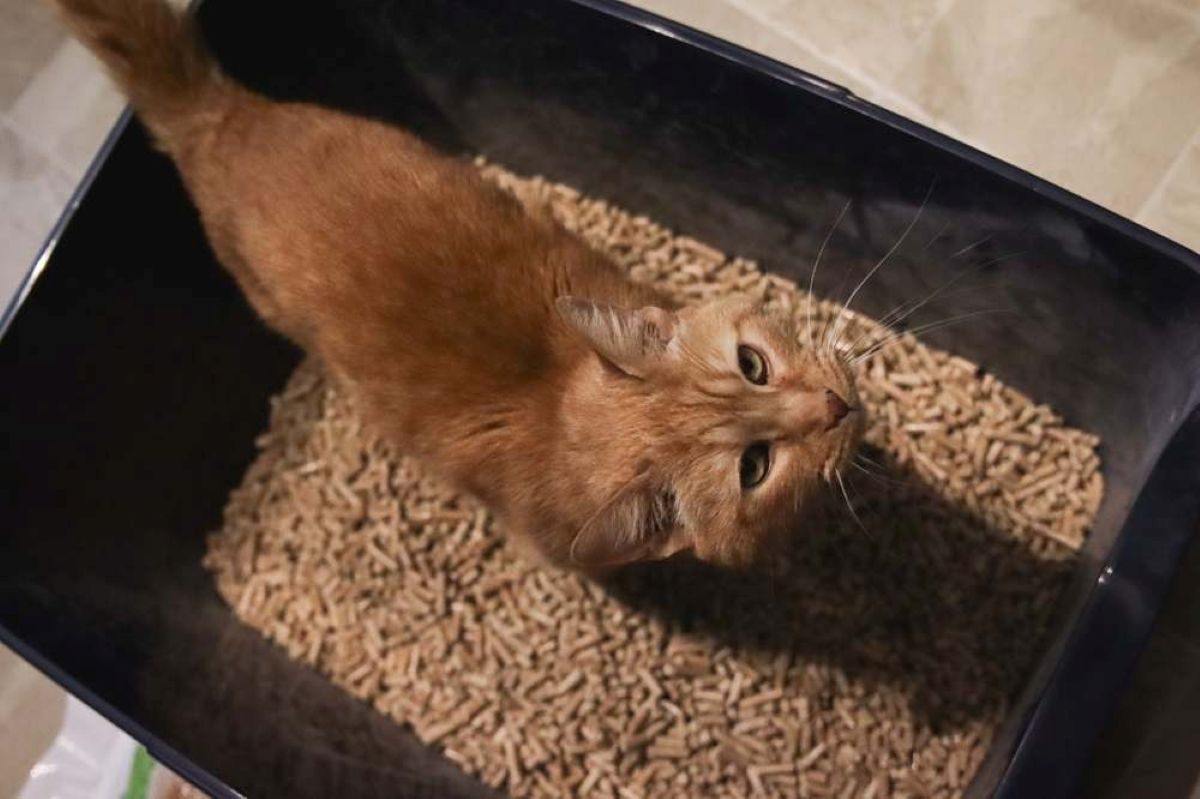
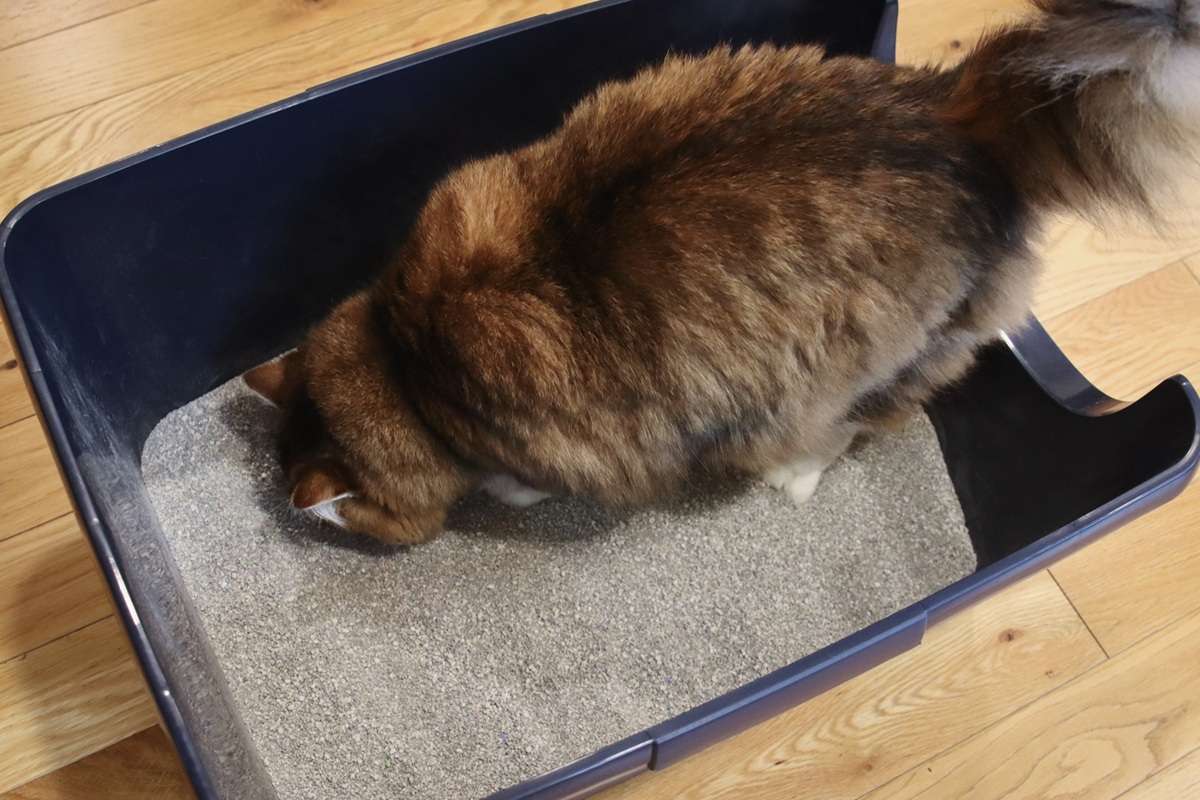
Constipated cats may often spend a lot of time in the litter box or going back and forth, trying to get stool out. If you see this behavior, it’s also important to check for urine clumps as cats with urinary difficulties may appear similar. Kirsten McCarthy / Cats.com
The most common symptom of constipation is straining to defecate followed by large and firm or hard, dry stools. Sometimes the hard, dry stools are quite small but the cat still has difficulty passing them.
It’s very important to differentiate straining to defecate from straining to urinate. Always make sure if you’re seeing straining in the litter box to look for the presence of normal urine clumps in the box. Absence of urine in the litter box with straining behavior may indicate a urinary emergency, not constipation, and require urgent veterinary attention.
Cats should typically have a bowel movement at least once a day, though frequency can vary from cat to cat. If you’re used to seeing regular stools in the box and you haven’t seen one for a day or two, pay close attention to your cat’s behavior and what the next stool looks like if it is passed.
Any cat that is straining to defecate and cannot pass stool for 2-3 days may be obstipated and require medical care to resolve the stool blockage.
9. Symptoms of GI Ulcers
Gastrointestinal ulcers most commonly form only in the stomach or the upper small intestine, the duodenum. The most common symptoms supportive of ulceration are either coffee grounds-like material in the vomit (which in human medicine is literally called coffee grounds emesis or CGE) or melena.
Coffee grounds-looking vomit can be localized to the stomach itself. If black, sticky melena is seen, it most often indicates there is small intestinal ulceration or bleeding present but may still be seen if the stomach is affected.
Ulcerative colitis is very rare in cats, unlike in people, as IBD usually occurs in areas other than the large intestine in cats. One type of ulcerative colitis called histiocytic ulcerative colitis does occur in cats, but is fairly rare.
Complications of Having Stomach and Intestinal Disorders
In general, regardless of what part of the GI tract is affected, complications are similar.
Dehydration is the most prominent concern whether you’re seeing vomiting, diarrhea, or both. In any case, not just water but also electrolytes are being lost with every episode. This causes muscle weakness and part of the reason cats with vomiting and diarrhea become lethargic.
In acute GI disorders, this may happen quickly. But time can also be a factor. A cat might be okay after the first day of vomiting and/or diarrhea, but as the signs continue, the inflammation may worsen, dehydration progresses, and more serious illness develops. This is one important reason not to wait more than 24 hours to see if a digestive upset disorder improves.
Appetite is another major complication for cats. This occurs much more if the stomach is involved, but may occur with any condition where the bowels are inflamed or irritated. If a cat stops eating for more than 24 hours, a liver disease complication called hepatic lipidosis can develop, which can be very difficult to treat.
Diagnosis of Stomach and Intestinal Disorders
Instead of going through each disorder separately, we’ll instead review different types of diagnostic testing, the value they provide, and how that can be applied to the various stomach and intestinal disorders we’ve talked about.
1. X-rays
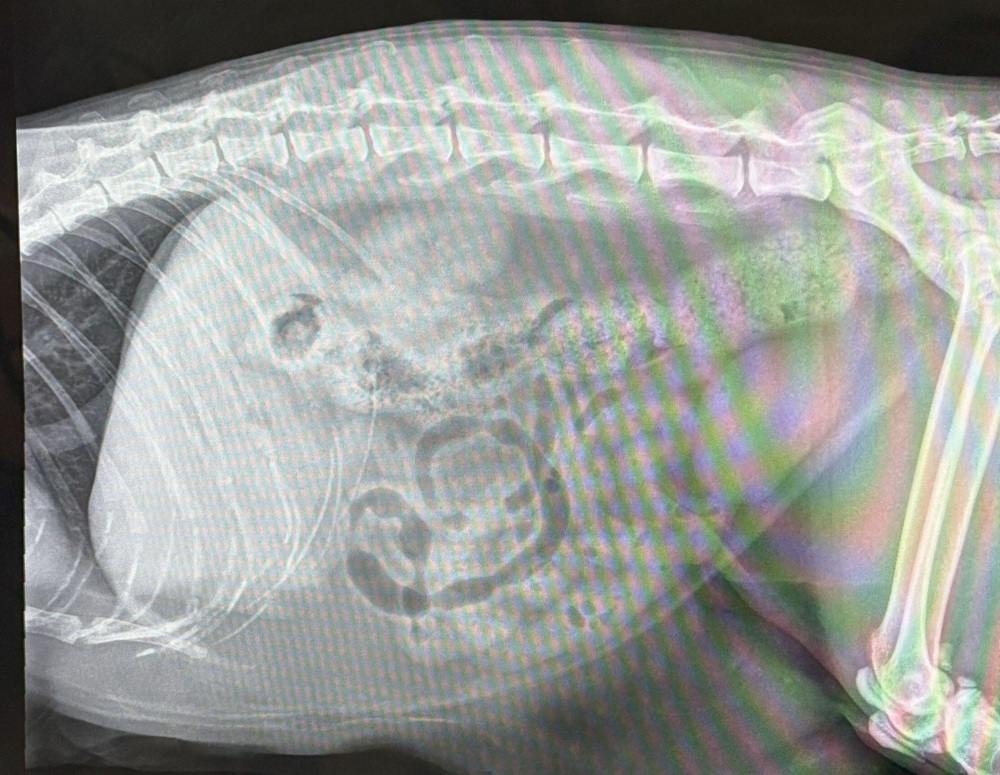
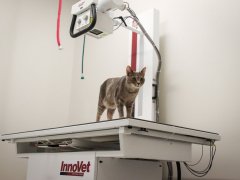
X-ray is a great way for evaluating some types of stomach and intestinal disorders including foreign body obstructions and especially constipation. In this x-ray, you can see large, firm stool present in the colon of this constipated cat. Chris Vanderhoof / Cats.com
X-rays (also called radiographs) allow for a generalized survey view of the stomach, small intestine, and large intestine. They help veterinarians look for discrepancies between the size of small intestinal loops and abnormal gas patterns that might indicate a blockage.
Sometimes x-rays may reveal a specific foreign object being present (like the Christmas tree ornament hook I once found). But they can only clearly reveal metal or more solid objects. Objects that are softer like cloth, stuffing, soft plastic, and string can blend in well with surrounding tissues. In these cases, we’re looking for abnormal patterns of appearance of the GI tract.
We can tell in many cases if the stomach is empty or not on an x-ray. So if we know a cat has been vomiting and not eating for several hours or longer, and the stomach appears to have a lot of material in it, this can be cause for concern for foreign material that isn’t passing or causing a blockage.
X-rays are common for evaluating cases of gastritis, gastroenteritis, GI obstruction, and constipation. Some subtle changes may show evidence for enteritis or colitis.
For cats with a concern for obstipation or a fecal blockage, x-rays are the test of choice to see if there is enlarged, hardened stool backing up through the large intestine.
Though less common in recent years, a veterinarian can give a contrast material, like barium, by mouth and see if its passage through the GI tract reveals any abnormalities. Contrast material will show up bright white on an x-ray. This may help reveal foreign objects, narrowed areas caused by stricture or masses, and sometimes even ulcerations.
X-rays are not good for examining the tissue appearance or specific areas of the GI tract, which gets us to our next test method.
2. Ultrasound
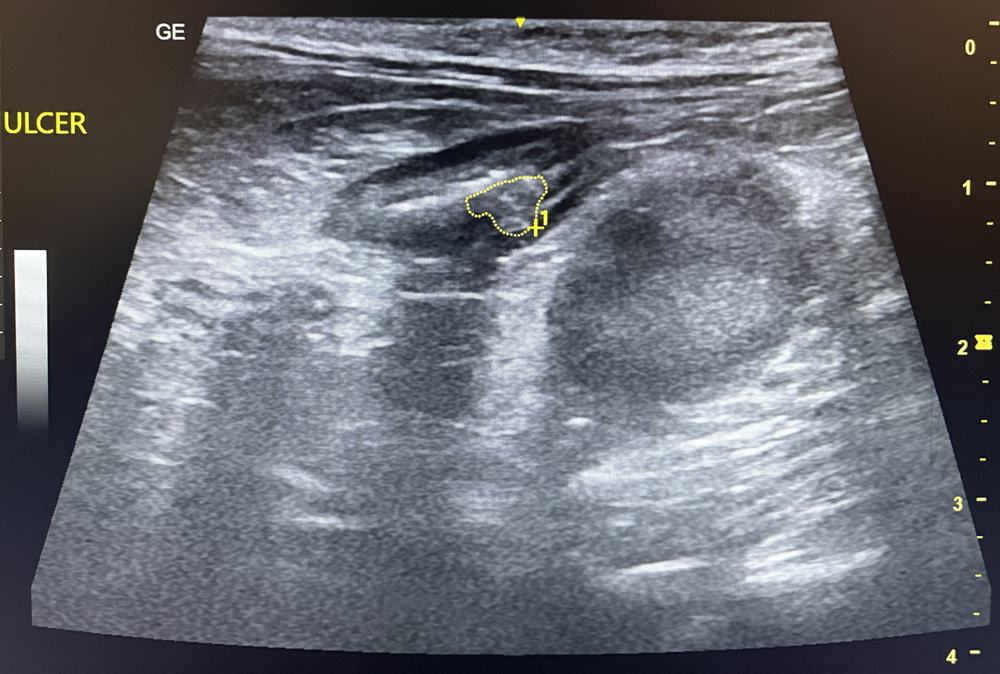
This ultrasound image shows an ulcer in the duodenum, the early part of the small intestine. The grey area penetrating into the otherwise black intestinal wall and highlighted in yellow is the ulcer. This cat had melena in her stool, a black, sticky tar-like stool containing digested blood. Chris Vanderhoof / Cats.com
Ultrasound, or a sonogram, is incredibly helpful for stomach and intestinal disorders. Ultrasound uses sound waves to create visible black/white/grey pictures of soft tissues. While x-rays provide a decent survey overview of how parts of the GI tract look in relation to one another, only ultrasound can evaluate the appearance of the tissues themselves and other subtle abnormalities that are important to know about.
Ultrasound can be used to evaluate the stomach for blockage if there is concern on x-ray. The duodenopyloric junction can be specifically viewed and assessed.
Because ultrasound allows for viewing motion in real time, the motion or motility of the GI tract can be viewed. This is one of the only ways to assess for ileus. Ileus is when the forward motion of the intestinal tract is frozen or spasms, sometimes as a result of severe digestive upset. This can continue to cause nausea and vomiting.
Because ultrasound allows clear views of the tissue layering of the stomach and intestines, it can be used to view ulceration, wall thickening, or tumors that have developed.
Assessing lymph nodes associated with the GI tract is incredibly important for evaluating digestive disorders in cats. The size and appearance of lymph nodes in the abdomen can provide important clues about the severity and nature of stomach and intestinal disorders.
Besides just viewing the abdomen, ultrasound also provides a way to collect important samples of abnormal lymph nodes, thickened tissues, or suspected cancerous masses. Using a small needle and syringe, an experienced veterinary professional can use the ultrasound as a guide to collect cell samples from these areas and send them out for further review by a pathologist.
In many cases, this can help arrive at a diagnosis. This is especially the case for a condition like large cell lymphoma.
Ultrasound can also be helpful for evaluating the rest of the abdomen. In cats, the bile ducts, pancreas, and small intestine all share a common opening. This means that many cats with small intestinal disease may also have signs of pancreatitis or bile duct inflammation that may also require treatment.
3. Bloodwork
Bloodwork tends to reveal very little about the GI tract itself, but is extremely useful to rule out other causes of vomiting, reduced appetite, weight loss, or other signs of illness being seen in a cat.
One very useful value on bloodwork for assessing GI tract disease is albumin. Albumin is a main body protein that we can see go down if protein is being lost through either the kidneys or GI tract. If a kidney issue is ruled out and albumin is decreasing, this can indicate protein being lost from a chronic GI disorder like IBD.
Bloodwork can help reveal abnormalities in other areas of the body associated with the GI tract like the liver and bile ducts and the pancreas. For cats who are vomiting or inappetent, the feline specific pancreatic lipase test is considered fairly sensitive and accurate for assessing if pancreatitis is present or not.
4. Fecal Testing
Checking for intestinal parasites is an important part of evaluating intestinal disorders especially. Parasites may cause vomiting too, though this is less common and usually only in more severe cases.
Fecal polymerase chain reaction (PCR) testing has become more commonplace over fecal flotation or egg counts. PCR testing allows for wide screening for multiple types of parasites at one time and has a high sensitivity of detection, and is less likely to miss a contributing parasite.
Fecal testing should always be considered for large or small intestinal diarrhea, even for indoor cats. In some cases, revealing a parasite as a cause may allow for very targeted treatment and resolution of the underlying cause of illness.
Fecal cultures are less common but can be performed if looking for specific disease carrying bacteria like Salmonella or Campylobacter. There are lots of bacteria normally inhabiting the GI tract, which requires careful selection of cases where culture may be helpful, and careful interpretation of results.
5. Endoscopy
Endoscopy involves passing a long tube with a camera on one end into the GI tract to get a direct view of the tissues. A scope may be passed through the mouth and down into the stomach (called gastroscopy) or passed through the other end to view the rectum and colon (colonoscopy).
Tissue samples can be collected with an endoscope which can help with diagnosis. Limitations include the need for full anesthesia and that the scope is only so long and can only go so far. Locations that offer endoscopy may also be very limited depending on the area. Some general practices do have endoscopes but in many cases referral to an internal medicine specialist is required.
6. Cytology and Histology
Cytology is when cells are viewed under a microscope to evaluate disease. Histology refers to a section of tissue (like a tissue biopsy) being evaluated.
Cytology can be very helpful as it is widely accessible in veterinary practice and can help arrive at a diagnosis in many cases. Cytology samples can be collected from tumors or lymph nodes associated with the GI tract. Lymphoma is one of the most commonly diagnosed conditions using cytology.
Cytology does have limitations however, and in some cases, a full tissue sample is needed for a diagnosis. A full tissue sample can be collected through endoscopy, or through open abdominal surgery. Being able to diagnose IBD to the level of lymphoplasmacytic or eosinophilic types requires a full tissue sample. Small cell lymphoma also typically requires a full tissue sample for diagnosis.
Treatments for Stomach and Intestinal Disorders
Treatment varies depending on the disorder present, the region of the GI tract affected, and the severity. But here is a general overview for our different conditions.
1. Gastritis
Simple gastritis may be self limiting where it resolves on its own. As a guideline, I typically expect a cat who vomits once or twice and acts normally the rest of the day to eat their next meal, whether that’s dinner that evening or breakfast the next morning.
Always make sure to give the stomach a little break and don’t try to feed your cat immediately after they’ve vomited. The stomach has not had a chance to settle and you may see more vomiting. It’s best to wait until the next scheduled meal in a few hours.
Gastritis may require veterinary intervention. This may include an injection to stop the vomiting cycle, like Cerenia. If your vet feels dehydration is present, they may advise giving a small volume of balanced intravenous fluids just under the skin where a cat can absorb them.
Cats may be able to eat their normal food if the vomiting stops or your veterinarian may advise several days of a high digestible prescription food.
2. Enteritis
Enteritis treatment tends to be symptomatic unless a specific cause, like a parasite, is found and can be specifically treated for.
Several days of a highly digestible prescription food may be advised. Probiotics and soluble fiber can be very helpful to slow down the transit of material in the intestine and replenish balance.
Antibiotics may be given, depending on the situation. Metronidazole is a common choice because it can address organisms like Clostridium that can be a part of bacterial overgrowth that contributes to diarrhea. Specific antibiotics may also be used if a concerning organism like Salmonella is found. Antibiotics can contribute to further loss of good bacteria and further imbalance, so empirical use is being discouraged more often in recent years in favor of targeted treatment when needed and supplemental GI tract support.
3. Colitis
Treatment for large intestinal diarrhea may be very similar to that for small intestinal disease. Fiber can be an even more important part of therapy for the colon. A high fiber diet may be recommended in these cases or separate fiber supplementation.
Fluid therapy may be recommended more in these cases if diarrhea is very watery and more electrolyte depletion may be present.
4. IBD
Treatment for IBD depends on the severity. For cats that are vomiting or having diarrhea frequently but otherwise appear unaffected, a diet trial of a novel protein or hydrolyzed protein diet may be all that’s needed. Many cats with less severe disease can be managed on diet alone.
For cats with weight loss, low protein, or more severe inflammatory changes found with testing, a steroid may be necessary. Steroid options include prednisolone or budesonide.
5. IBS
Treatment for IBS may consist of dietary therapies but even more important is addressing the underlying stressors that are contributing to the digestive signs. Multimodal environmental modification or MEMO is a method of modifying a cat’s environment to be less stressful and more positively stimulating. This might be as simple as providing separate food, water, litterbox, and hiding places for the affected cat so they’re not competing with other cats in the home. It may also involve strategic placement of resources so they are out of high traffic areas.
For cats where MEMO cannot be well implemented or the underlying stressor cannot be removed, behavioral medication can really help. There are several options to discuss with your veterinarian, but fluoxetine is one common choice.
6. Gastrointestinal Obstruction
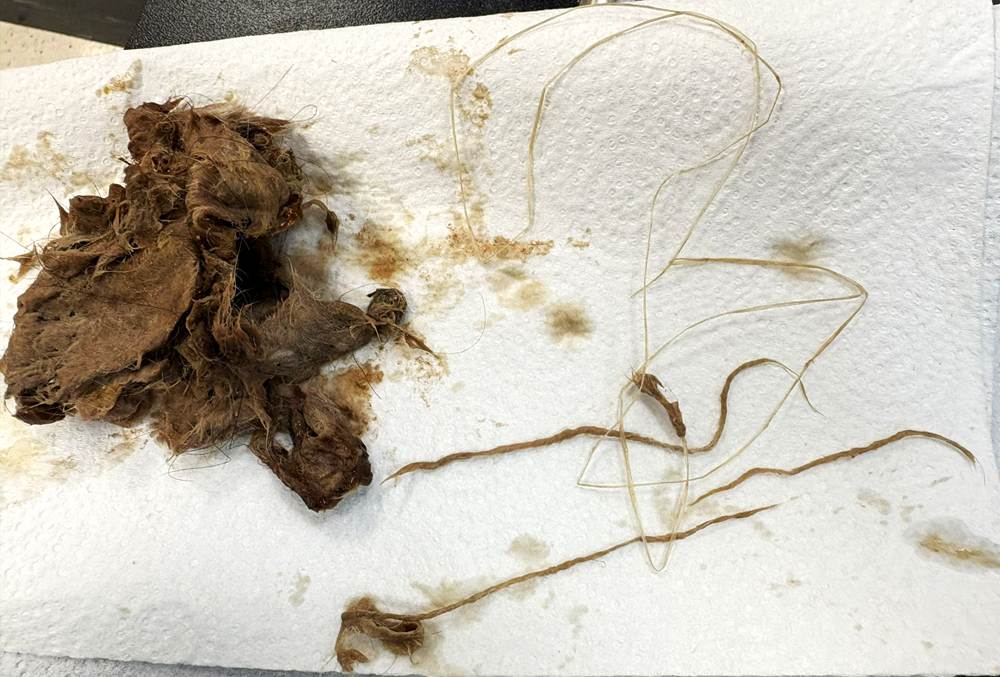
This one year old cat’s “foreign body” in his stomach consisted of wads of fur caught up in loops of dental floss he had ingested. The build up of hair lodged at the outflow of his stomach, unable to pass. He made a full recovery, only to ingest a sock less than a year later, requiring removal with an endoscope. Chris Vanderhoof / Cats.com
If a foreign object is truly lodged in the stomach or intestinal tract, the most common approach often is surgery to remove it. Objects in the stomach may also be retrieved using an endoscope. Both procedures require anesthesia, but endoscopy is less invasive and carries a faster recovery.
For linear foreign bodies like string, dental floss, or thread that become lodged around the base of the tongue, the most important thing to do first is to cut the string that is lodged around the tongue. This reduces the tension and eases the strain and bunching of the intestinal tract. This should not be attempted at home, but your vet can typically do it using sedation. Surgery may still be needed, but in some cases cutting the string alone will at least give an opportunity for the string to be passed.
7. Cancers of the Stomach and Intestine
Small cell lymphoma can be very difficult to differentiate from advanced inflammatory bowel disease without a firm tissue sample diagnosis. When a tissue biopsy is not feasible, and ultrasound findings can’t be used to differentiate between the two, I utilize response to treatment to determine whether to add in an additional medication.
A steroid like prednisolone is a mainstay of initial treatment for any kind of lymphoma and for advanced IBD. In my experience, cats with suspected small cell lymphoma will improve initially on prednisolone alone but over time will still lose weight. In these cats, another oral medication called chlorambucil may be added. There are many cats whose disease can still be managed reasonably well for 1-2 years.
Large cell lymphoma is a different situation and can be a lot harder to get ahead of. Getting an idea of its scope is very important to understanding treatment expectations. If additional signs of large cell lymphoma are found besides the GI mass itself, including spread to regional lymph nodes and especially to other organs like the kidneys, the disease will progress faster and prognosis will be poorer.
Prednisolone is still an initial therapy that’s started. Lomustine, or CCNU, is a common oral chemotherapy medication that is added. Veterinary oncologists have a host of other protocols that may also be used.
Prognosis at best is often only 6-7 months with treatment. Surgical removal of the mass may be attempted but often is not as surgical removal of the mass does not improve outcomes to justify the added risk of surgery.
Adenocarcinoma is a highly malignant type of tumor. It can have a high rate of metastasis, or spread to other areas through the bloodstream, like the lungs. Surgical removal is more common with this tumor type. Even with surgery and follow-up chemotherapy, prognosis is often very short, ranging from a couple of months to several months depending on the location affected.
8. Constipation
Simple constipation may be managed by increasing a cat’s water intake. Strategies include more wet/canned food, adding additional water bowls, or using a water fountain that encourages a cat to drink more often.
Consideration also needs to be given to conditions that may be contributing to constipation. Conditions like kidney disease and diabetes that lead to increased drinking and urinating can predispose cats to episodes of constipation from dehydration. Obese cats also tend to be more prone to constipation as well.
Intermittent constipation may be managed with the osmotic laxative powder Miralax. Miralax in the correct, typically very small amounts mixed with food can help pull water into the colon and assist with passage of stool. Some cats with chronic constipation may be on Miralax daily.
Lactulose is another osmotic laxative that is available as a prescription medication. It is also effective though somewhat sticky and messy to administer.
Don’t use other laxatives or any enemas for your cat without first consulting with your veterinarian. Phosphate based enemas like Fleet enemas for example are commonly available over the counter but are highly toxic to cats and can even be fatal.
High fiber diets can also be helpful. Prescription diets are best so that the correct balance of the right types of fiber are included.
Cats that develop obstipation must be treated medically by a veterinarian. At the simplest this may involve the use of safe enemas in the clinic combined with intravenous or subcutaneous fluids. More advanced cases may require heavy sedation or anesthesia for manual removal of stool. Another method that takes longer but reduces the risk of colorectal tears from manual removal is something called a GoLytely CRI. An oral feeding tube is placed and a different form of the same compound as Miralax is given directly and continuously into the GI tract to help soften and pass stool, usually within 24-48 hours.
9. Ulceration of the Stomach and Intestine
Before treating ulcerations, it is important to know what the underlying cause of ulceration is. For example, if this was due to a certain medication like an NSAID medication, then that medication needs to be first stopped and appropriate therapies given.
Certain cancers like mast cell tumors and adrenal gland tumors may also contribute to GI tract ulceration, so they must also be addressed separately while the ulcer(s) are being symptomatically treated.
Treating ulcers may involve use of acid reducing agents like proton pump inhibitors (omeprazole) or H2 receptor antagonists (famotidine).
Cats may not be very big fans, but the medication sucralfate is a chalky tablet that when dissolved in water may be given orally and can coat ulcers to help them heal. It must be given at least every 12 hours but often is recommended for every 6-8 hours.
Cat Care Tips
Stomach and intestinal disorders in cats vary in their degree of signs, symptoms, and severity. But here are some tips for how to manage at home and when to see your veterinarian.
- If you see your cat vomit, ask yourself if this is something you see frequently or if this is very uncommon. Most cats that “scarf and barf” only vomit once or twice at one time. If your cat has these episodes often, you should consult with your veterinarian but it may not be an emergency. If your cat vomits multiple times and this is very unusual, it’s best to schedule a same day visit with your vet or an urgent care center.
- If your cat vomits but is eating their next meal later that day or the next morning without further issue, an urgent situation is less likely. If vomiting is followed by a loss of appetite at the next meal, consider scheduling a veterinary visit within the next 12-24 hours.
- If you think you see any blood in your cat’s vomit or stool, make sure to schedule a vet visit as soon as possible. Blood may be just from irritation of the tissues of the stomach or intestines, but it can also indicate a more serious condition depending on the appearance, frequency, or how much there is. It’s best to either bring in a sample of what you’ve seen in a ziploc bag or take some good photos, to help guide your vet’s opinions on what may be going on.
- Don’t ignore any acute digestive issues that occur or hope they will improve on their own. Any acute onset vomiting, diarrhea, or loss of appetite lasting for up to 24 hours should in turn be assessed by a veterinarian within 12-24 hours.
- Home remedies like using Pepcid or Prilosec for stomach upset, Miralax for constipation, or soluble fiber like Metamucil for diarrhea may be used for a couple days as long as signs don’t worsen. But if you’re not seeing improvement within 2-3 days, consider an exam with your vet.
- Likewise, if your cat is chronically managed with one or more medications and something seems off or an acute flare of vomiting or diarrhea occurs, make sure to schedule a recheck or follow up with your vet.
- Weight loss can be extremely subtle in cats and small amounts of weight loss, while significant, are often not easily detectable at home day to day. If your cat has a chronic digestive disorder, find a way to check their weight every month consistently at home. The best way to do this is to use a cat carrier with a known weight, weigh your cat in the carrier, and then subtract the difference. You can also weigh yourself instead of using a carrier, but motion and your own weight changes may affect your measurements. Many veterinary offices are okay with having folks come in for a weight check with a veterinary assistant or technician without an additional fee.
Prevention of Stomach and Intestinal Disorders
Not all gastrointestinal tract disorders can be prevented, but here are some tips to consider.
- Keep objects attractive to cats like thread, string, yarn, hair ties, and hair bands out of reach. While it can be “cute” to see them play with these things, they present very real risks and there are much safer toys available.
- Keep trash, food scraps and items like disposed dental floss in a covered trash can where your cat cannot retrieve anything. When my cats were younger, I even needed a trash can with a lid that could be locked.
- Don’t assume that putting something like a plant on a high shelf is safe and out of reach of your cat. I found this out once the hard way. Your cat can jump much higher and may have greater determination to reach things than you realize. Store risky items in a closed or lockable cabinet.
- Ensure your cat always has access to fresh water to stay well hydrated. Provide one more water bowl than the number of cats you have if possible, and consider a source of running water like a fountain, to keep it fresh and interesting to your cat.
- There are no known diet types or dietary strategies that can prevent gastrointestinal disease as multiple factors are involved as underlying causes. However, don’t ignore a potential dietary intolerance your cat may have. Even if they seem “fine” most of the time, over time a dietary intolerance may develop into a more chronic disorder.
- If changing to a new diet, make sure to transition to it slowly over 1-2 weeks or longer. Any change in nutrient profile, even for high quality diets, may lead to signs of digestive upset if changed too quickly.
-
Allenspach, K. (2015). Diagnosis of small intestinal disorders in dogs and cats. Clinics in Laboratory Medicine, 35(3), 521–534. https://doi.org/10.1016/j.cll.2015.05.003
-
Defarges, A., Blois, S., J Hall, E., Gibson, T., & Mitchell, K. (2025, August). Disorders of the Stomach and Intestines in Cats. Merck Veterinary Manual (Pet Owner Version).
-
VMBS Marketing and Communications. (2016, October 10). Gastrointestinal Disorders in Cats. Texas a & M University Veterinary Medicine and Biomedical Sciences.
-
Robertson, E. (2016, March 18). IBD or IBS: does irritable bowel syndrome exist in cats? British Veterinary Association.
-
Buffington, T. (2018, August 10). Pandora Syndrome in Cats: Diagnosis and Treatment. Today’s Veterinary Practice.
-
Cornell Feline Health Center. (2018, April). Inflammatory Bowel Disease. Cornell University College of Veterinary Medicine Feline Health Center.