
 Last updated Jun 22, 2026


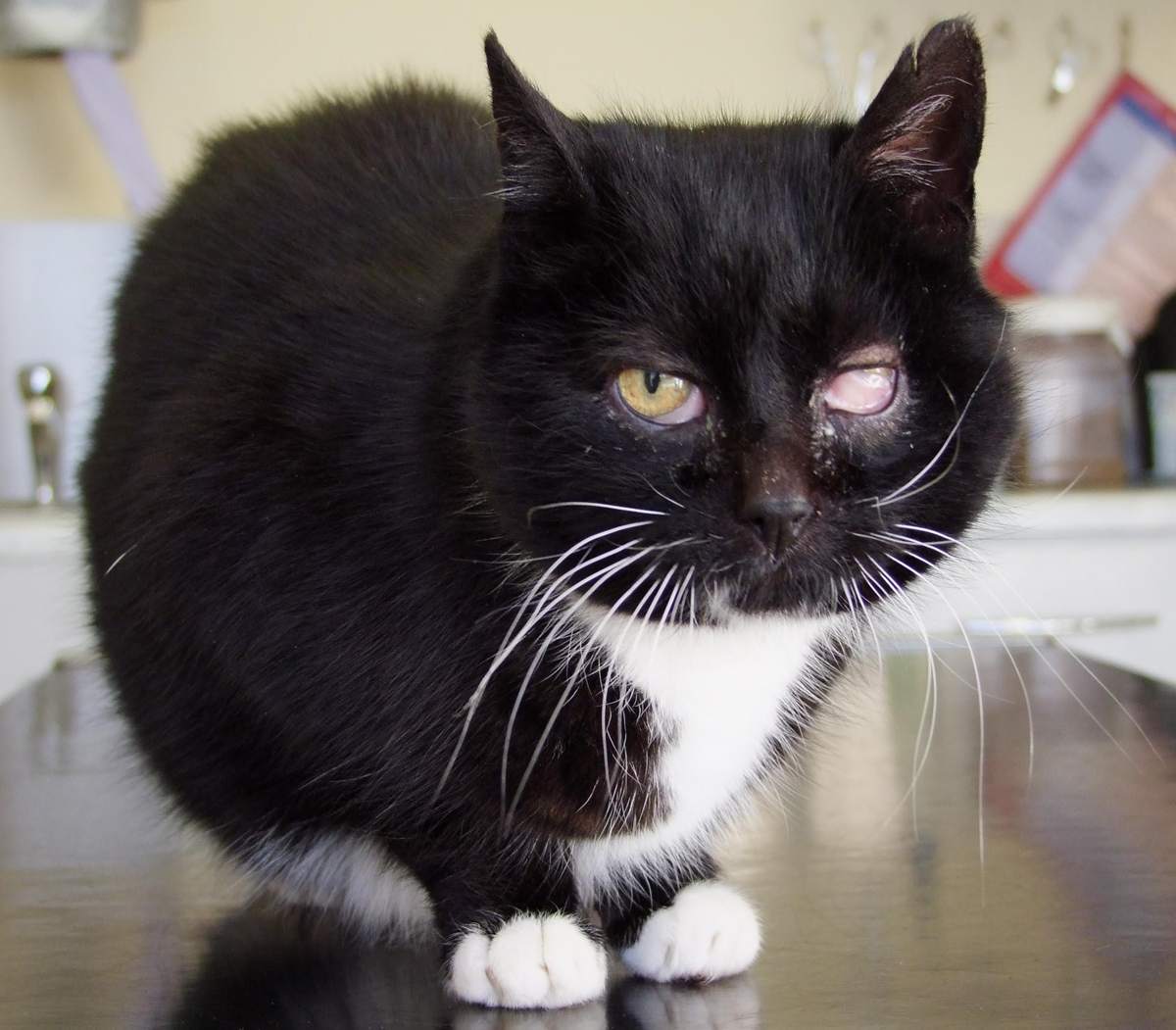
Pete Wedderburn / Cats.com
This article aims to explain the details of glaucoma (also known as “ocular hypertension”), an uncommon condition that can affect a cat’s eye or eyes.
This eye disease develops when reduced drainage of the normal fluid from the eye causes a buildup of fluid inside the eye, increasing the internal pressure inside the eye (intraocular pressure or IOP).
This has a number of harmful effects. This condition can happen in cats for a number of reasons. The aim of this article is to provide a simple, clear explanation about feline glaucoma for cat owners.
Quick Overview: Glaucoma in Cats
 Common Symptoms: Cloudy appearance to the eye, redness to the white part of the eye, pupil not responding to light, rubbing the eye, squinting, blindness (bumping into things)
 Diagnosis: Detailed exam of the eye, checking pressure within the eye (tonometry), measuring drainage angle of the eye using gonioscopy, bloodwork to look for underlying medical causes.
 Requires Ongoing Medication: Yes
 Vaccine Available: No
 Treatment Options: If an eye is still visual, eyedrops that reduce pressure within the eye. A blind and painful eye may require surgical removal. Treatment for any underlying causes or complications.
 Home Remedies: None
What Is Glaucoma?
Normally, the eyeball is kept at the ideal pressure by a steady, even production of fluid (“aqueous humor”) inside the anterior chamber (front half) of the eye, combined with steady, even drainage of this fluid out of the eye, back into the general circulation.
If this drainage of fluid is blocked for any reason, while the production of fluid continues as normal, the quantity of fluid inside the enclosed space of the eyeball increases. This results in increased internal pressure inside the eye. This is similar to a bicycle tire being pumped higher than it ought to be.
There are many different reasons why the drainage of fluid can become blocked.
The fluid is produced by the ciliary body, which is part of the soft tissue that makes up the internal structures of the eye, linking to the iris and the so-called uveal tract.
There are many harmful consequences of increased pressure inside the eyeball, including discomfort, pain, and damage to the internal structures of the eye, leading to poor function and reduced vision or blindness.
How Common Is Glaucoma in Cats?
This is an uncommon feline problem, only seen in 0.2% cats (one in 500 cats) compared to 0.7% of dogs (one in 140 dogs) or 1.9% of humans (one in 53 people).
How Do Cats Get Glaucoma?
Glaucoma can be primary (i.e. it happens all by itself) or secondary (i.e. some other illness results in the cat developing glaucoma).
Primary glaucoma is rare in cats, and when it happens, it is usually due to inherited anatomical abnormalities of the eye, such as an abnormality in the drainage structure of the eye, preventing normal outflow of fluid. When this type of abnormality is present, it is likely to affect both eyes. This is more likely to happen in purebred cats like Burmese, Persian, or Siamese cats.
Secondary glaucoma is the more common type of glaucoma and it can be caused by a number of primary factors (see below).
Causes of Glaucoma in Cats
Primary glaucoma “just happens”, while the most common causes of secondary glaucoma are:
- Uveitis – inflammatory conditions of the uveal tract ( the soft tissues lining the inside of the eye including the iris)
- Lens dislocation or luxation
- Hyphema (bleeding into the eye) can be caused by coagulation defects, trauma, or
intraocular neoplasia (cancer present inside the eye) - Abnormalities of the iris such as feline iris melanosis
- Intraocular surgery
- Trauma
Symptoms of Glaucoma in Cats
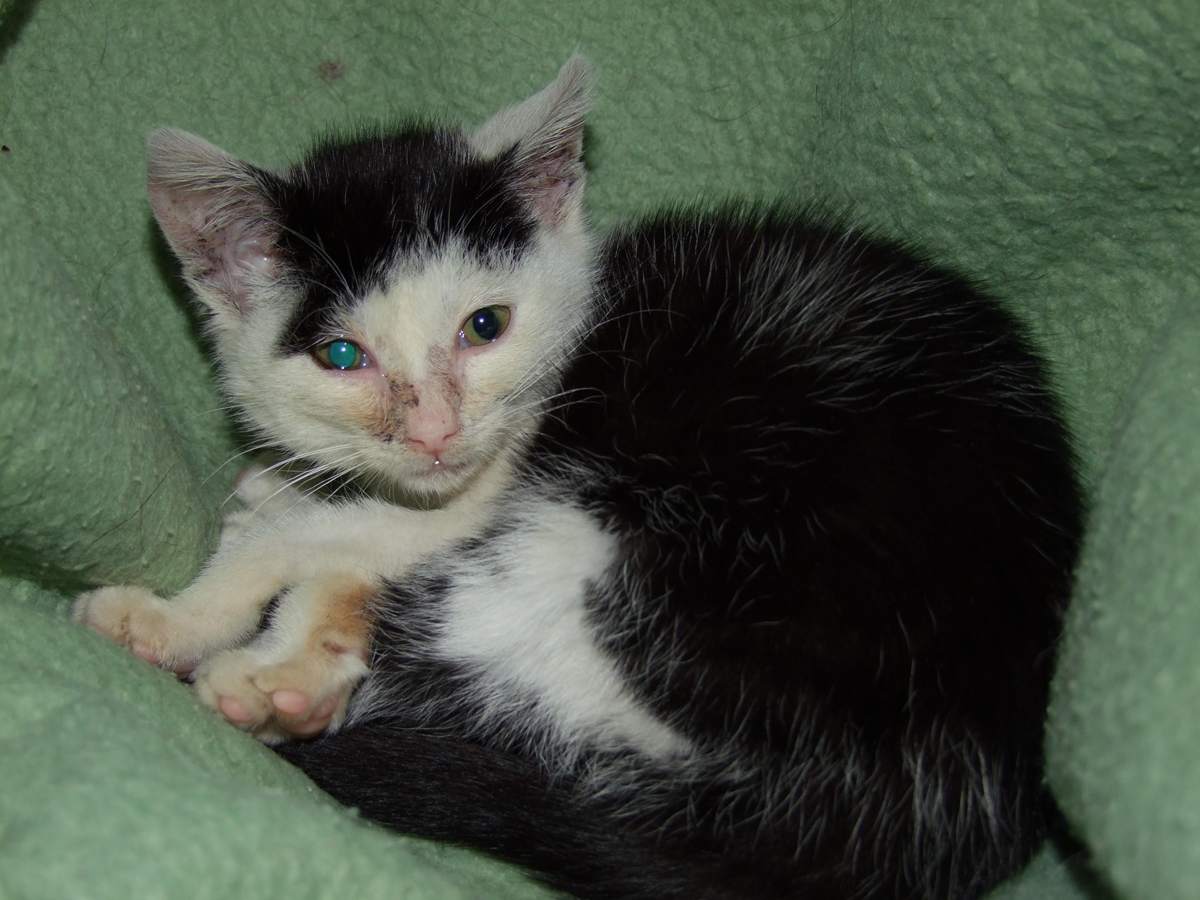
Glaucoma in cats may cause a number of symptoms, with one of the most apparent being edema of the cornea, which is a bluish-white color in front of the eye. Pete Wedderburn / Cats.com
Signs of glaucoma include:
- Blepharospasm (spasm of the eyelids i.e. the eye is clamped shut)
- Obvious discomfort in the eyes ( glaucoma is a painful condition)
- Ocular discharge (tears spilling down the face)
- Edema of the cornea (a bluish white color of the front of the eye)
- Dilated pupil (so-called mydriasis)
- Enlargement of the eyeball (this can be difficult to assess)
- Episcleral injection (reddening of the white of the eye)
If both eyes are affected, the owner may notice blindness, but if only one eye is affected, vision loss may not be obvious.
Diagnosis of Glaucoma
If your veterinarian suspects that your cat may have glaucoma, an immediate referral to a veterinary ophthalmologist may be suggested, especially because glaucoma is so uncommon in cats. The following steps may also be taken.
1. Detailed History Taking
Your vet will discuss every aspect of your cat’s life and health care, as part of general good veterinary medicine. This history will help to differentiate the specific cause of glaucoma in your pet.
2. Physical Examination
Your veterinarian will check your cat over carefully, noting any physical evidence of illness, ruling out other causes of the clinical signs that are being shown.
As well as the changes noted above, your veterinarian will use an ophthalmoscope to examine the back of the eye under illuminated magnification. Changes that may be seen include edema of the optic nerve and retina, thinning of the blood vessels at the back of the eye, and other, more advanced changes noticeable in longer standing (chronic) cases.
A detailed ophthalmic examination of both eyes will be carried out, as glaucoma is often seen in both eyes even if only one is obviously affected.
3. Routine Blood Tests
It’s likely that your veterinarian may also carry out other blood work, including the usual panel of diagnostic tests, such as hematology (blood count) and biochemistry profiles, to confirm that there is no other underlying cause making your cat ill.
Most cases of glaucoma are secondary in the cat, due to uveitis caused by a systemic illness and so a thorough medical workup is often indicated. Examples include blood tests for Feline Leukemia (FeLV) and Feline Immunodeficiency Virus (FIV).
4. Specialized Eye Tests
There are a number of specialized tests that may be carried out by your veterinarian or the veterinary ophthalmologist to assess the possibility of glaucoma. These may be done by your local vet, or they may only be done by a specialized ophthalmologist veterinarian.
5. Tonometry
A definitive diagnosis of glaucoma is made by measuring the intra-ocular pressure (IOP) a process which is called tonometry. It is possible to estimate the IOP by pressing on the eyeball with the fingers, but this is unreliable.
For accurate measurement of the IOP, a tonometer must be used: there are various different methods for doing this, using expensive and specialised equipment.
Normal IOP in the cat is between 10-25 mm Hg. Pressures above this range are suggestive of glaucoma. The IOP should be measured in both eyes, and if one eye is more than 8mm Hg higher than the other, this should also raise concerns about possible glaucoma. IOP can be raised by a number of other causes, including stress and forced physical restraint (especially if a cat is gripped tightly around the head or neck).
6. Gonioscopy
Gonioscopy is the name of a technique that allows the vet to visually inspect and measure a part of the eye known as the iridocorneal angle (also known as the drainage angle). This measurement may be carried out directly through illuminated magnification (e.g. using an ophthalmoscope) or by using a specialised contact lens that is applied to the cat’s cornea.
How Much Does It Cost To Treat a Cat With Glaucoma?
It is impossible to estimate this cost, as there are so many possible factors going on in the background of individual cases, especially in cases of secondary glaucoma, or whether one or both eyes is involved. You should ask your veterinarian for a detailed estimate before agreeing to proceed with treatment.
Treatment for Glaucoma
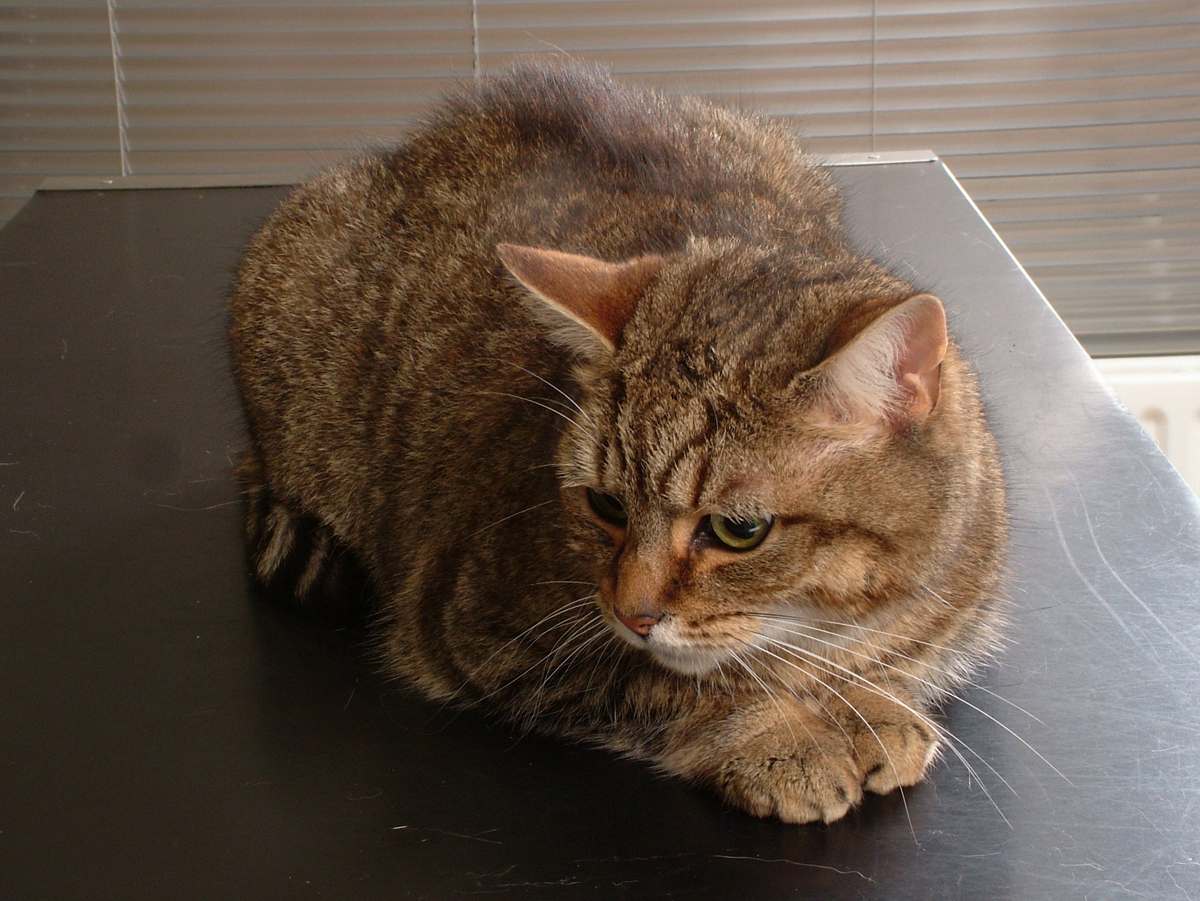
The goal of treatment is to reduce the pressure inside the eye back to normal. Pete Wedderburn / Cats.com
When a cat has acute (sudden onset) glaucoma, so-called hyperosmotic medications (injections or tablets) may be suggested by your vet: the idea is that these make the blood more concentrated, so that fluid is drawn into the blood from the eye by a process called osmosis.
This is a complex area where you need to be guided carefully by your veterinarian: the medications do not suit every pet, and significant side effects are possible.
Otherwise, there are two broad ways of treating glaucoma.
1. Surgery
Various surgical techniques, derived from human and canine operations, may be used to try to restructure the inside of the eye, to improve drainage of fluid, or to prevent the production of fluid. However, their success rate is limited and they are rarely used in cats.
In most cases, the only surgical option may be enucleation, which means removal of the affected eye because the eye is painful, especially if glaucoma has caused the eye to be non-visual. This is an upsetting procedure to contemplate, but in particular with severe glaucoma, if an eye is no longer functional and is causing discomfort, then a cat is likely to be much happier without it.
2. Medication
Eye drops are the main way of treating glaucoma in cats.
- Topical carbonic anhydrase inhibitors (CAIs) may be recommended as drops, typically to be applied three times daily. They act by reducing the production of fluid inside the eye. Examples include dorzolamide 2% and brinzolamide 1%.
- Topical beta-blocking agents may also be suggested: these reduce eye pressure by acting on the nerve reflexes. Examples include timolol and betaxolol.
Both of the two medications may be combined into one product e.g. dorzolamide is available as a combined product with timolol maleate.
Monitoring and Prognosis
Cats with glaucoma usually need follow-up therapy for the rest of their lives, with regular monitoring to remeasure the eye pressure.
If a cat is already blind in one or both eyes at the time of diagnosis, the prognosis for recovery is poor, but if an underlying issue like uveitis is identified and treated early, then there is a better chance of a positive outcome.
Conclusion
Glaucoma is a challenging eye problem for cats, causing pain and often leading to blindness. Specialist veterinary help along with early intervention is usually needed to minimize its impact on affected animals and achieve better outcomes.