Published Nov 12, 2026


Kirsten McCarthy / Cats.com
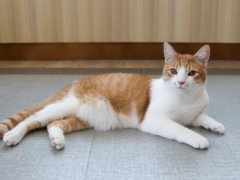
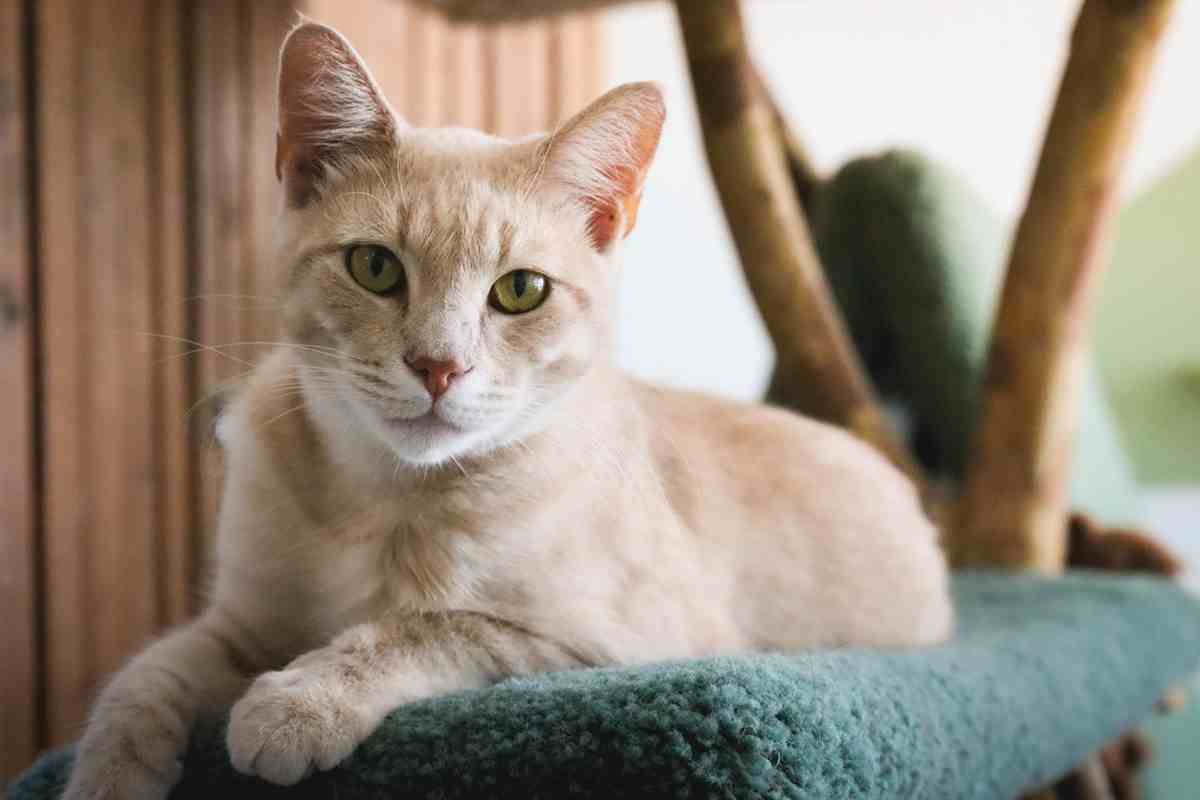
Your sweet orange tabby cat has a genetic mutation that gives it its bright color, and according to Stanford University researchers, this particular mutation appears to occur only in domestic cats.
Many mammals—including us humans—have members of their species with orange or red hair. But only in domestic cats is this particular orange-color mutation linked to sex through the X chromosome, whereas in other species, similar pigmentation changes almost exclusively occur in two genes that are not linked to sex.
Christopher Kaelin, Ph.D., lead author of a 2025 study published in the journal Current Biology, explains that mammals can make two main types of pigment: brown/black eumelanin and red/yellow pheomelanin. A balance between these two pigments partly determines hair and coat color, Kaelin explains. This balance is shifted strongly toward pheomelanin in humans with red hair and in orange cats.
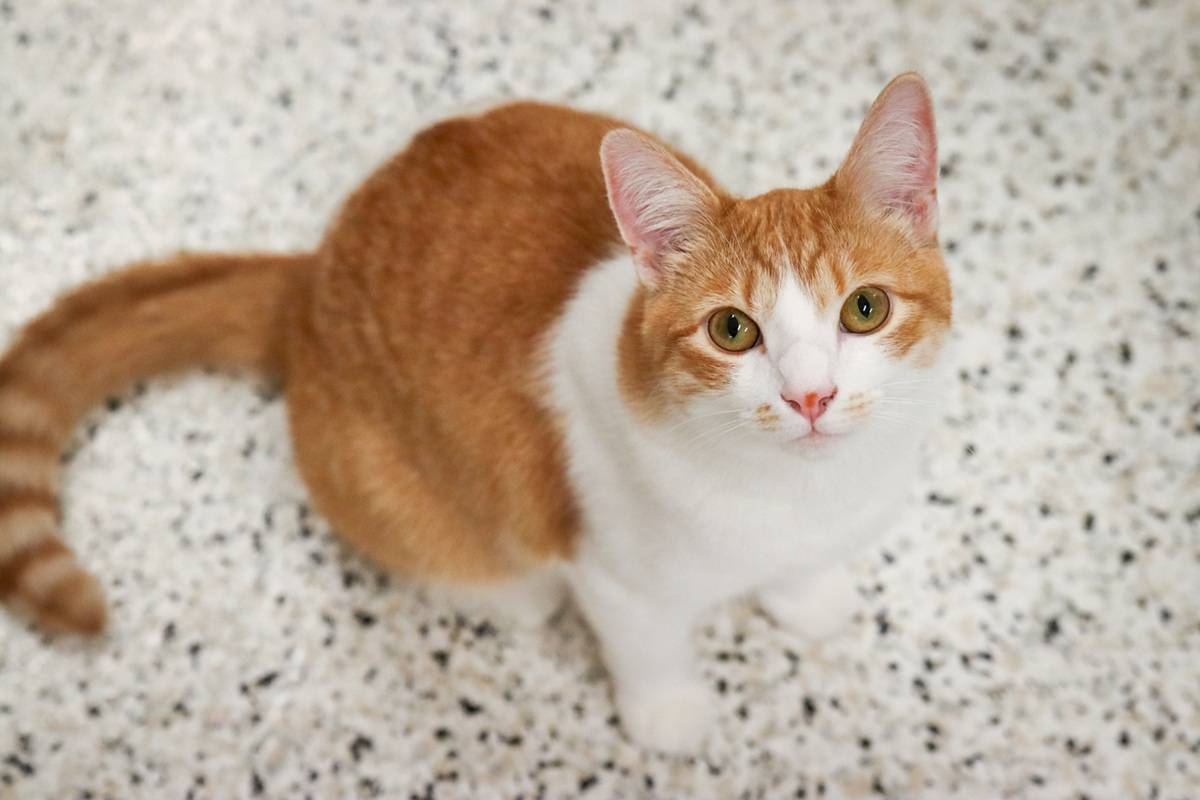
The unusual way orange coloring is inherited led researchers to investigate the genetics behind orange cats. Kirsten McCarthy / Cats.com
“In most mammals, this shift toward pheomelanin is caused by changes in well-studied pigmentation genes,” Kaelin tells Cats.com in an email. “Orange cats are different, though. The distinct way orange color is inherited, particularly its association with the X chromosome, suggested an unusual genetic mechanism that piqued our curiosity.”
For more than a century, he says, coat color has been recognized as a “trait governed by predictable rules of inheritance.”
“Those rules helped scientists identify many of the genes involved and build a fundamental understanding of pigmentation, a biological process shared across mammals,” Kaelin says.
But, he says, orange coat color in cats was different.
“Its unusual pattern of inheritance had been known for decades, but the underlying mutation and how it altered pigmentation remained unknown. Pinpointing that mutation and understanding how it worked made the orange cat an intriguing scientific mystery to solve.”
Kaelin explains how this works. The gene responsible for orange coat color, ARHGAP36, is not normally a pigmentation gene. In orange cats, a mutation accidentally switches this gene on in pigment cells, where it is usually inactive, and that changes the color of the hair.
“What makes this especially interesting is that it provides a clear example of how a genetic change can give a gene a new role simply by turning it on in a different place,” Kaelin says. “Changes like this are thought to be an important part of evolution and may help explain how closely related species can develop very different traits even when they share most of the same genes.”
About 80 percent of orange cats are male due to this mutation’s association with the X chromosome. Since males typically have XY sex chromosomes, they only need one X chromosome carrying the mutation to have an orange coat. Females typically have XX chromosomes and need the mutation on both X chromosomes to have a fully orange coat, which is less common.
What about the orange cat’s personality? Many people swear that orange tabby cats, particularly males, are the sweetest cats in the world, while others say they are chaotic and zany. It’s uncertain whether these personality traits are actually linked to coat color, Kaelin says.
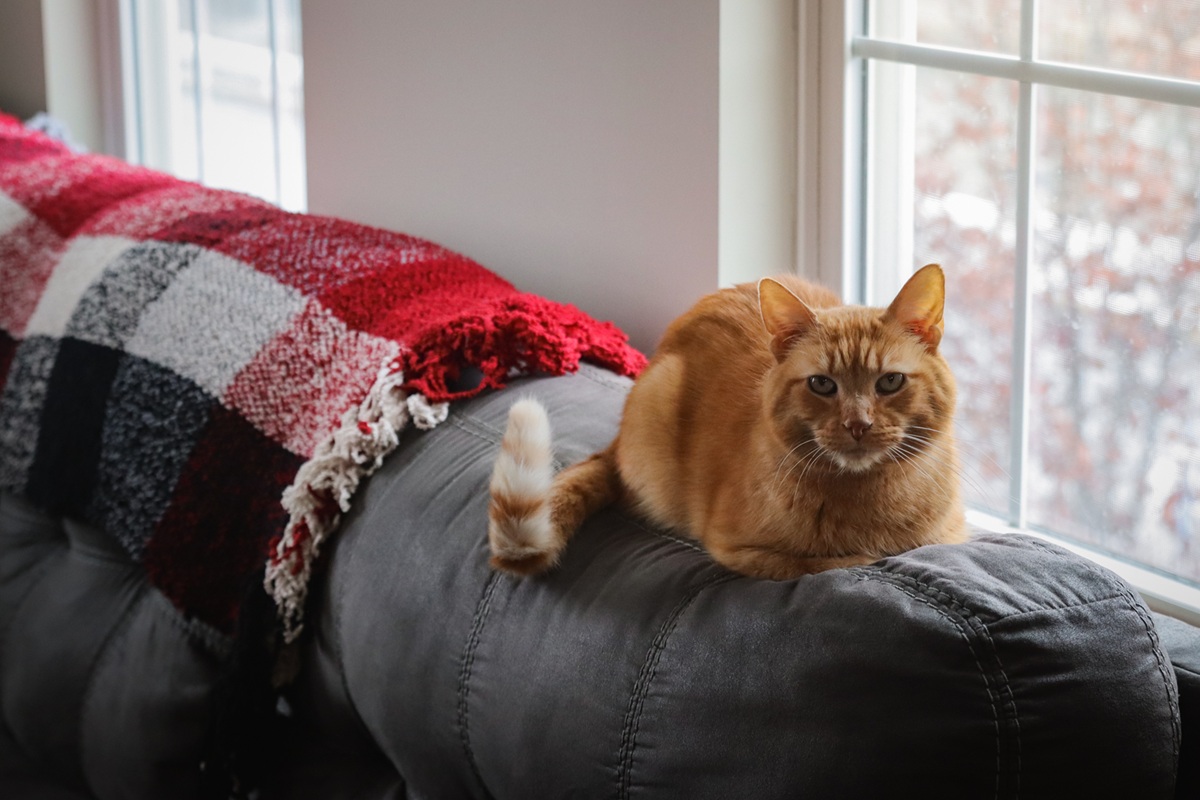
Orange cats are often described as social and mischievous, and researchers are investigating whether genetics may play a role. Kirsten McCarthy / Cats.com
“Orange cats are frequently described as being more social, more mischievous, and dimmer than the average cat,” Kaelin says. “Unlike other genes affecting coat color, the orange gene normally functions in parts of the brain that coordinate complex social behaviors.
“So there is at least a plausible biological connection, but it may or may not be real,” he says. “Unfortunately, we do not yet have a rigorous scientific study testing the link between orange coat color and personality traits.”
Some findings in the study were surprising, and scientists are still trying to understand some aspects of the orange coloring, Kaelin says.
“The consequences of the orange mutation are both unusual and surprising,” he says. “A small deletion appears to have no effect on the gene in cells where it is normally active, yet it switches the gene on in one very specific cell type, the pigment cell, among the hundreds of other cell types in the body.
“So this small genetic change has a remarkably precise effect on gene activity, with a major impact on coat color but apparently no adverse effects on health,” Kaelin continues. “It is an unusually clean example of a genetic change producing a very specific biological effect, and we are still trying to understand exactly how that happens.”
What does this discovery from the Stanford study mean to people fortunate to share their lives with orange cats?
“I think one takeaway is that the traits we love in our pets often have fascinating genetic stories behind them,” Kaelin says. “Orange coat color arose from a chance genetic change that people preserved over generations because they found it appealing.”
That same trait now gives us a window into basic biology, he says.
“So an orange cat is not only a beloved pet with a distinctive appearance; it also carries a small piece of a much larger scientific story about how genetic changes can create new traits,” Kaelin says.
Orange tabby cats – I’ve had three of them – are favorites among many cat lovers. They have a reputation for being very sweet and friendly, and both of my orange males fit that description. The orange female, Tinsel, had a sweet side, but she also embodied the “feisty redhead” image sometimes used to describe redheaded women. Tinsel was a character!
These orange tabby cats come in many different patterns, including the mackerel tabby, classic tabby, ticked tabby, and more. Many cat breeds include orange in their lineup of colors, including the Maine Coon, Exotic Shorthair, and Scottish Fold. Another name for orange tabbies is red tabby cats.
If you’re thinking of adding a beautiful redheaded cat to your family, check out our list of 300 name suggestions for orange cats!